Hear from Our Customers
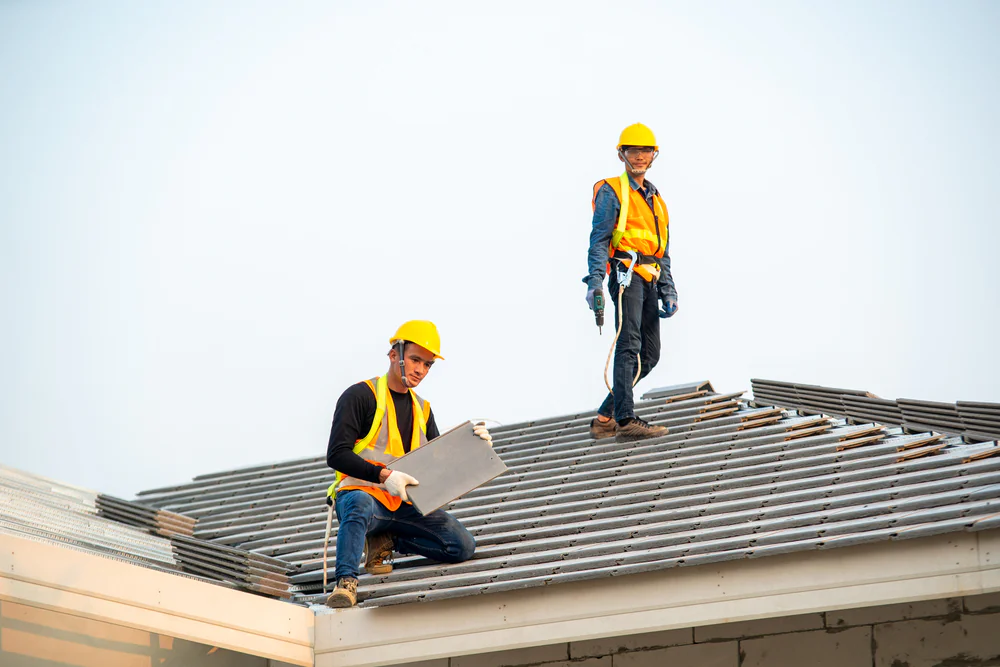
Your roof takes the hit from every blizzard, ice storm, and summer thunderstorm Dracut throws at it. When it’s installed right with materials that match our climate, you’re not patching leaks every spring or replacing shingles after wind damage.
A quality roof means you’re not lying awake during rainstorms wondering if water’s getting in. You’re not dealing with ice dams backing up under your shingles in February. You’re not calling emergency repair services because last night’s wind lifted half your ridge cap.
What you get instead is a roof system designed for Massachusetts weather—proper ventilation to prevent ice dams, quality underlayment that stops water infiltration, and shingles rated for the temperature swings we see here. That’s the difference between a roof that protects your home and one that becomes your problem.
We’ve been handling roofing projects in the Dracut area since 2006. We’re licensed with the Massachusetts Home Improvement Contractor board, fully insured, and certified as an Owens Corning Preferred Contractor—which means we meet their requirements for quality work and customer service.
We’re local. We know what Dracut roofs deal with because we live here too. The ice dams that form on homes near the Merrimack River, the wind exposure on properties along Lakeview Avenue, the way rapid temperature changes stress roofing materials in this area—we’ve seen it and fixed it.
When you work with us, you’re getting a roofing contractor who’s been doing this long enough to know what works in New England and what doesn’t. No shortcuts, no cheap materials that fail in three years, no disappearing after the job’s done.
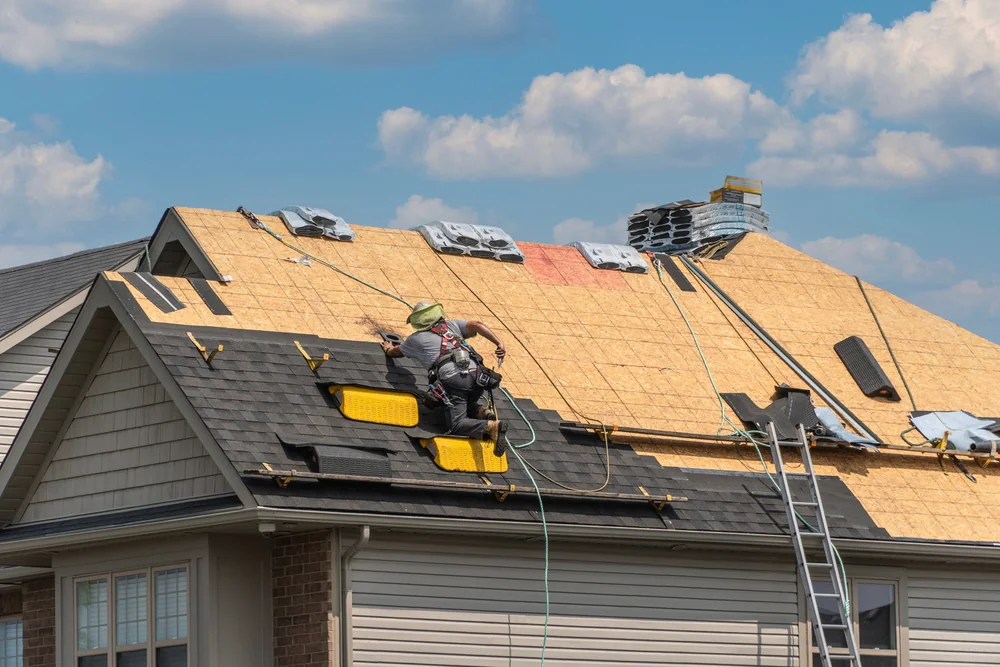
We start with an inspection of your current roof. That means getting up there to check shingle condition, flashing integrity, ventilation setup, and any signs of water damage or structural issues. You get a clear assessment of what needs fixing and why.
If you need repairs, we handle them with the same materials and attention we’d use on a full replacement. If replacement makes more sense—because your roof’s past its 20-25 year lifespan or damage is too extensive—we walk you through material options that fit Dracut’s climate and your budget.
Installation includes proper underlayment, ice and water shield in vulnerable areas, adequate ventilation to prevent moisture buildup, and quality shingles installed to manufacturer specs. We’re not rushing through to get to the next job. We’re making sure your roof does what it’s supposed to do for the next two decades.
After installation, we clean up completely and do a final walkthrough with you. You’ll know what was done, what to expect from your new roof, and how to reach us if anything comes up.
Ready to get started?
We use materials built for New England weather. That means asphalt shingles rated for temperature extremes, proper starter strips to prevent wind uplift, and ice and water shield protection where Massachusetts building code requires it—and where experience tells us it should go.
Dracut homes deal with specific challenges. Ice dams are common here because of our winter temperature fluctuations. We install adequate attic ventilation and insulation strategies that reduce the warm air that causes snow melt and refreezing at your roof edges. It’s preventive work that saves you from water damage later.
Storm damage repair is something we handle regularly. High winds lift shingles, hail creates impact damage, and falling branches puncture roofing materials. We assess the damage, work with your insurance if needed, and make repairs that match your existing roof or recommend replacement when that makes more financial sense.
You also get a contractor who’s accountable. We’re licensed, so there’s oversight. We’re insured, so you’re protected. We’ve been here since 2006, so we’re not disappearing after we cash your check. That matters when you’re trusting someone with one of your home’s most important systems.

Age is the first indicator. Asphalt shingles typically last 20-25 years in Massachusetts. If your roof’s approaching or past that range, replacement usually makes more sense than ongoing repairs.
Look at the scope of damage. A few missing shingles after a storm? That’s a repair. Widespread granule loss, curling shingles across multiple sections, or multiple leaks? You’re likely looking at replacement because the entire system is failing.
Check your attic after heavy rain. Water stains on the underside of your roof deck, daylight coming through, or sagging areas mean structural issues that often require more than surface repairs. We’ll give you an honest assessment during inspection—if repairs will buy you several more years, we’ll tell you. If you’re throwing money at a roof that needs replacing anyway, we’ll tell you that too.
Ice dams form when heat from your attic melts snow on your roof. That water runs down to the colder eaves and refreezes, creating a dam that blocks drainage. More water backs up behind it, and eventually it finds its way under your shingles and into your home.
The fix isn’t just about your roof—it’s about your attic. Proper insulation keeps warm air from reaching your roof deck. Adequate ventilation lets any heat that does get through escape before it melts snow. We also install ice and water shield membrane at eaves and valleys where ice dams typically form, giving you a waterproof barrier even if water backs up.
Dracut sees the temperature swings that create perfect ice dam conditions. A warm afternoon melts snow, then temperatures drop overnight and refreeze everything. You can’t control the weather, but you can control how your roof system responds to it. That’s what proper installation does—it accounts for the conditions your roof actually faces here.
If you have storm damage—wind-lifted shingles, hail impacts, or tree damage—document it with photos and contact your insurance company. Most homeowner policies cover sudden damage from weather events.
Get a professional inspection before filing. We can assess whether the damage meets the threshold where a claim makes sense. Small repairs that cost less than your deductible aren’t worth claiming. Significant damage that requires extensive work or replacement? That’s what your coverage is for.
Insurance companies will send an adjuster to verify the damage. Having a contractor’s assessment beforehand helps you understand what should be covered. We’ve worked with insurance claims before—we know what adjusters look for and how to document damage properly. We can provide detailed estimates that support your claim, but the decision to file is yours based on the damage extent and your deductible.
Massachusetts requires home improvement contractors to be licensed for jobs over a certain amount. That licensing means we’ve met state requirements, carry insurance, and can be held accountable if something goes wrong.
Unlicensed contractors are a risk. If they damage your property, you have limited recourse. If someone gets hurt on your property during the job, you could be liable. If the work fails, you have no regulatory body to appeal to. The state can fine homeowners up to $5,000 for hiring unlicensed contractors for work that requires licensing.
Licensed contractors also understand building codes and permit requirements. Roofing work in Massachusetts has specific code requirements for wind resistance, fire rating, and ice dam protection. We know those requirements because we’re licensed and accountable to them. That protects you from failed inspections and work that doesn’t meet the standards your home needs.
Most residential roof replacements take 2-4 days depending on your home’s size, roof complexity, and weather. A straightforward ranch with simple rooflines might be done in two days. A larger colonial with multiple valleys, dormers, and angles takes longer.
Weather impacts the timeline. We’re not installing roofing materials in rain or on wet surfaces—that compromises installation quality and creates leak risks. Massachusetts weather can be unpredictable, so we schedule with flexibility built in.
The process includes tearing off old materials, inspecting and repairing the roof deck if needed, installing underlayment and ice shield, then installing new shingles. We’re also replacing flashing around chimneys and vents, installing new ridge vents if needed, and ensuring proper sealing at all penetrations. Doing it right takes time. Rushing through to finish faster just means you’ll have problems later.
Asphalt shingles are the most common choice here because they handle temperature extremes well and offer good value. Look for shingles rated for high wind resistance and impact resistance—Massachusetts weather includes both.
Architectural shingles hold up better than basic three-tab shingles. They’re thicker, more durable, and typically carry longer warranties. We work with Owens Corning products because they’re designed for climates like ours and backed by solid warranties.
Metal roofing is growing in popularity for good reason. It sheds snow and ice better than shingles, lasts 40-50 years, and handles wind extremely well. The upfront cost is higher, but the longevity often makes it worthwhile if you’re planning to stay in your home long-term. Whatever material you choose, proper installation matters more than the product name. The best shingles installed poorly will fail faster than mid-grade shingles installed correctly.
Other Services we provide in Dracut