Hear from Our Customers
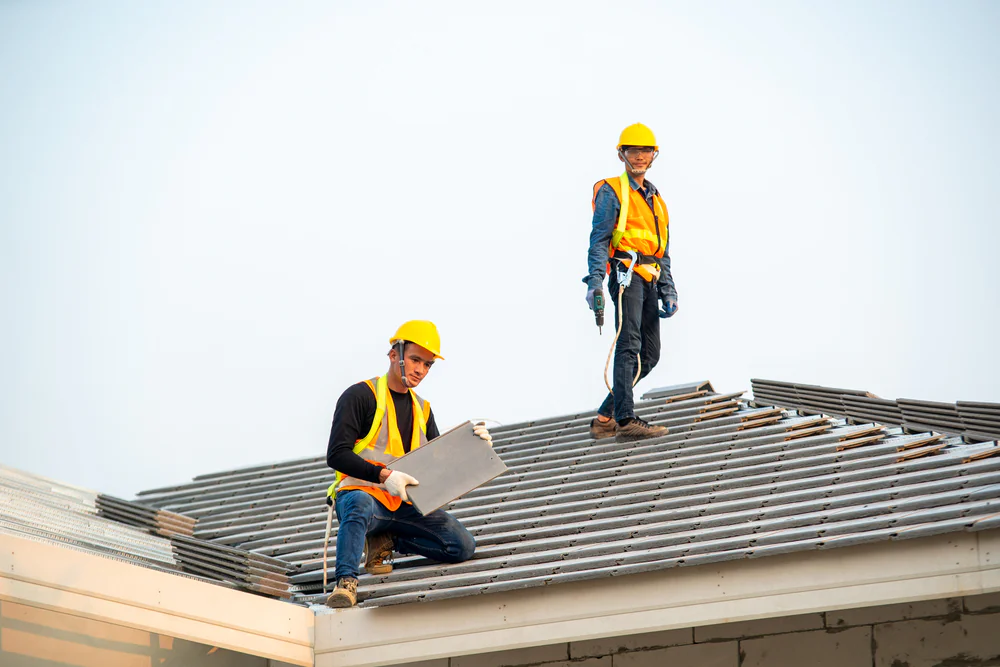
When your roof fails, everything inside is at risk. Water finds its way through the smallest gaps, turning minor leaks into major problems that cost thousands to fix.
You’re looking at potential damage to insulation, ceilings, walls, and everything you’ve worked to build. That’s not dramatic—it’s what happens when roofing work isn’t done right the first time.
A solid roof means you’re not worrying during the next storm. You’re not calling for emergency repairs in February. You’re not dealing with insurance claims because someone cut corners. You’re protected, and that protection holds up year after year, through 60+ inches of snow and summer storms that roll through Rockingham County.
Paradise Remodeling Inc isn’t new to this. We’ve spent over a decade working on homes throughout Deerfield and the surrounding area, and we’ve seen what works and what doesn’t when it comes to roofing in New Hampshire.
We’re an Owens Corning Preferred Contractor, which means we meet strict standards that most roofing contractors don’t. We’re licensed in Massachusetts (HIC #195972), fully insured, and we back our work with real warranties—not vague promises.
Deerfield homes average over 40 years old, with a median build year of 1981. That means most roofs here are either due for replacement or already past their prime. We know these homes. We understand what they need to handle the weather, the weight, and the wear that comes with living in New Hampshire.
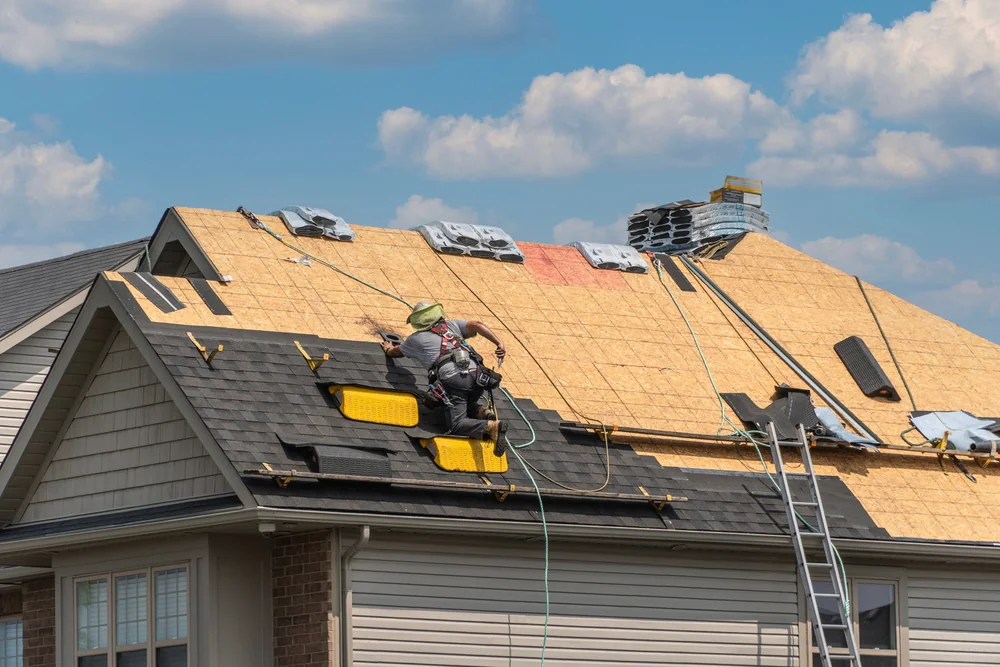
We start with an inspection. Not a quick glance from the driveway—an actual assessment of your roof’s condition, the decking underneath, ventilation, and any signs of damage you might not see from the ground.
From there, you get a transparent estimate. No hidden fees, no surprise charges later. We walk you through what needs to happen, what materials we recommend (usually Owens Corning or Mule Hide, depending on your home), and how long the project will take.
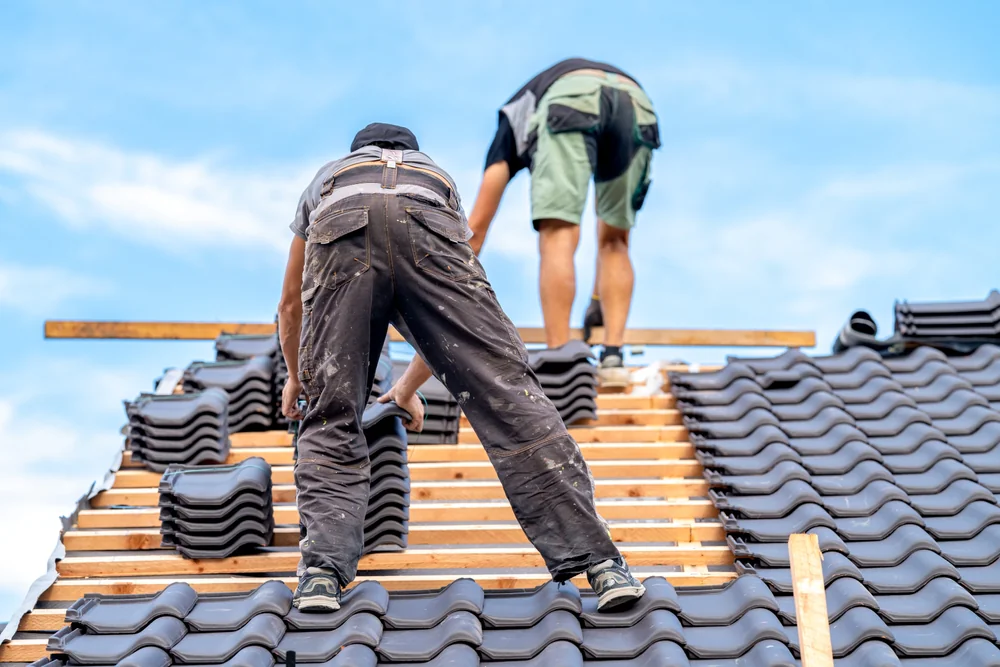
Once you’re ready to move forward, we handle the scheduling and show up when we say we will. The tear-off happens first—old shingles, damaged underlayment, anything that’s compromised gets removed. Then we inspect the decking, replace any rotted sections, and install new underlayment before the shingles go on.
Throughout the job, we protect your property. Tarps go down, debris gets cleaned up daily, and we make sure your lawn, landscaping, and driveway aren’t torn up by equipment. When we’re done, you get a roof that’s built to last and a property that looks like we were never there—except for the new roof.
Ready to get started?
Roof replacement isn’t the only thing we do. Sometimes you need repairs—storm damage, missing shingles, flashing that’s come loose. We handle that too, and we do it fast, especially if it’s an emergency.
Deerfield gets hit hard in winter. Ice dams are a real problem here, caused by heat escaping through your attic and melting snow that refreezes at the edges. That ice backs up under your shingles and forces water into your home. Fixing ice dams after the fact costs anywhere from $5,000 to $10,000 in water damage repairs. Preventing them with proper insulation, ventilation, and roofing techniques? That’s where we come in.
We also offer roof maintenance—inspections, minor repairs, gutter work, and anything else that keeps your roof in shape between replacements. Most roofs last 20 to 30 years if they’re maintained. Skip the maintenance, and you’re looking at premature failure and costly replacements.
Our services include full roof replacement, storm damage repair, emergency roof repair, roof inspections, and preventative maintenance. We work with premium materials that hold up in New Hampshire’s climate, and we don’t cut corners to save a few bucks. Quality costs more upfront, but it saves you money over the life of your roof.
Most roof replacements in Deerfield run between $15,000 and $30,000, depending on the size of your home, the materials you choose, and the condition of the decking underneath. The national average sits around $25,840, but New Hampshire pricing tends to be slightly higher due to labor costs and the quality of materials needed to handle our weather.
If someone quotes you significantly less, ask why. Cheap roofing usually means shortcuts—thinner shingles, less experienced crews, or skipped steps like proper ventilation. You’ll pay for it later in repairs, energy bills, or an early replacement.
We give you a transparent estimate upfront. No surprises, no upselling. Just an honest assessment of what your roof needs and what it’ll cost to do it right.
A quality asphalt shingle roof lasts 20 to 30 years in New Hampshire if it’s installed correctly and maintained. Metal roofs can go 40 to 50 years. But those numbers assume proper installation, adequate ventilation, and regular inspections to catch small problems before they become big ones.
New Hampshire weather accelerates wear. Snow loads stress the structure, ice dams force water under shingles, and temperature swings cause materials to expand and contract. If your roof wasn’t built to handle that, you’re looking at a shorter lifespan and more frequent repairs.
We install roofs that last. That means proper underlayment, correct flashing, adequate ventilation to prevent heat buildup, and materials rated for our climate. It also means we don’t rush the job to move on to the next one.
Don’t ignore it. Ice dams form when heat escapes through your attic, melts snow on your roof, and that water refreezes at the edges where it’s colder. The ice builds up, traps more water, and forces it under your shingles and into your home.
If you already have an ice dam, call someone who knows how to remove it safely. Hacking at it with a shovel or using salt can damage your shingles and make the problem worse. Professional removal usually involves steam or careful chipping to break up the ice without tearing up your roof.
The real fix is prevention. That means improving attic insulation so heat stays inside your home, adding ventilation so your roof stays cold, and making sure your roofing system is installed correctly. Heat cables can help in problem areas, but they’re a band-aid, not a solution. We address the root cause so you’re not dealing with ice dams every winter.
Sometimes it’s obvious—missing shingles, visible dents, or leaks after a storm. But often, storm damage is subtle. You might have cracked shingles, damaged flashing, or bruising on the shingles that you can’t see from the ground.
Wind can lift shingles just enough to break the seal without tearing them off completely. Hail can bruise asphalt shingles, shortening their lifespan even if they look fine at first glance. And leaks don’t always show up right away—water can sit in your insulation or attic for months before you notice a stain on your ceiling.
If you’ve had a major storm, get an inspection. We’ll check for damage, document what we find, and help you understand whether it’s worth filing an insurance claim. Most homeowners insurance covers storm damage, but you need to act quickly—waiting too long can complicate your claim.
It depends on the age of your roof, the extent of the damage, and how much life it has left. If your roof is under 15 years old and the damage is localized—a few missing shingles, a small leak, damaged flashing—a repair usually makes sense.
But if your roof is over 20 years old, or if you’re dealing with widespread issues like curling shingles, granule loss, or multiple leaks, replacement is the smarter move. Patching an old roof just buys you a little time. You’ll be back to dealing with problems in a year or two, and you’ll have spent money on repairs that could’ve gone toward a new roof.
We’ll tell you honestly what makes sense for your situation. If a repair gets you another five years, we’ll say so. If you’re throwing money at a roof that’s already failing, we’ll tell you that too. Our job is to give you the information you need to make the right call, not to upsell you on work you don’t need.
Poor ventilation. Your attic should stay close to the outside temperature, but if it’s 20 or 30 degrees hotter, that heat is radiating down into your living space and making your air conditioner work overtime. It’s also baking your shingles from underneath, which shortens their lifespan.
Proper roof ventilation means cool air enters through soffit vents at the bottom of your roof and hot air escapes through ridge vents at the top. If those vents are blocked, undersized, or missing entirely, heat gets trapped. That’s bad for your energy bills and bad for your roof.
We check ventilation during every roof inspection and replacement. If your attic is too hot, we’ll explain why and what it takes to fix it—usually adding or upgrading vents. It’s not glamorous, but it makes a real difference in how long your roof lasts and how comfortable your home feels.
Other Services we provide in Deerfield