
Hear from Our Customers
You’re not looking for the cheapest fix. You want a roof that stops leaking, keeps your family dry, and doesn’t need another repair in two years.
That’s what happens when someone understands Cambridge homes. The historic brownstones that need careful attention to architectural details. The colonials dealing with ice dam damage every winter. The flat roofs on multi-families that pool water after every storm.
We’ve seen what happens when contractors rush the job or push cheap materials. You end up with curling shingles by summer, ice dams by January, and water stains on your ceiling by spring. A proper roof repair in Cambridge means addressing what caused the problem, not just covering it up. It means materials rated for our freeze-thaw cycles and installers who know how to handle a Cambridge winter.
Paradise Remodeling Inc has been handling roofing projects across the Greater Boston area for years. We’re an Owens Corning Preferred Contractor, which means we’ve met their standards for quality work and customer service.
What that actually means for you: better warranties, access to premium materials, and a track record that’s been verified by someone other than us. We’re licensed, insured, and local. We know Cambridge homes because we’ve worked on hundreds of them.
The Victorian on Brattle Street with the slate roof. The triple-decker in Cambridgeport with the flat roof that kept pooling water. The colonial in West Cambridge that needed a full tear-off after the nor’easter last winter. Different homes, different problems, same approach: fix it right or don’t touch it.
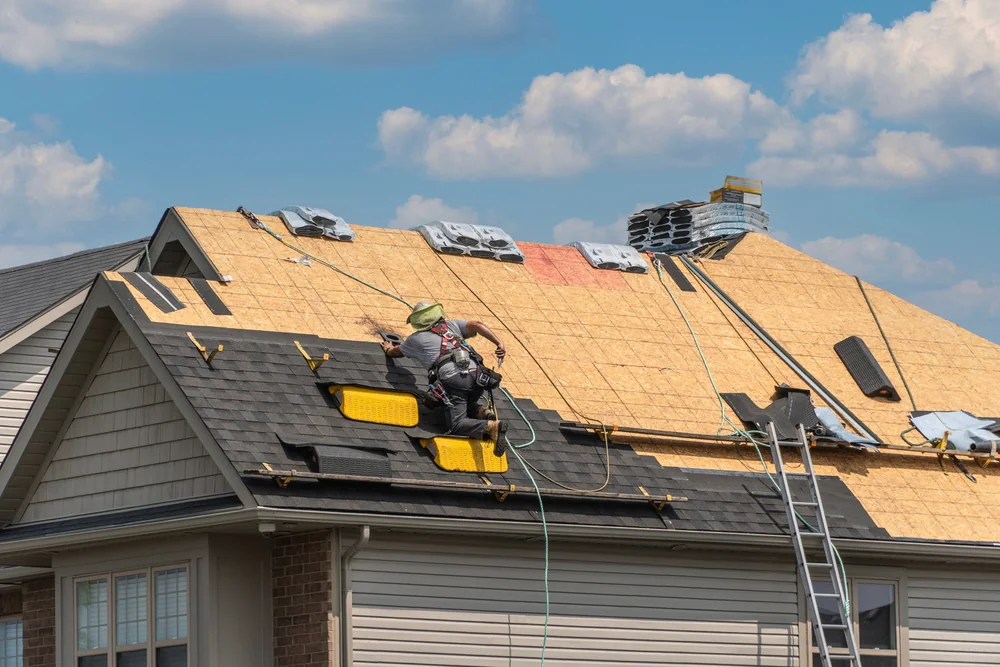
First, we come out and actually look at your roof. Not a quick glance from the ground—we get up there, check the shingles, inspect the flashing, look at the ventilation, and figure out what’s really going on. You get photos, a written assessment, and a straight answer about whether you need a repair or a full replacement.
If you decide to move forward, we pull permits, order materials, and schedule the work around your life—not ours. On install day, we protect your property, tear off the old roof if needed, inspect the decking for any rot or damage, and install your new roof using manufacturer specs. No shortcuts.
The cleanup happens the same day. We use magnets to grab stray nails, haul away all the old materials, and leave your property cleaner than we found it. Then we walk you through the finished work, hand over your warranty paperwork, and give you a contact for any questions down the road. That’s it. No drama, no surprises, no mess left behind.
Ready to get started?
Every roofing job we do in Cambridge starts with a full inspection. That includes checking your attic ventilation, looking for signs of water damage, and making sure your roof deck is solid. If there’s rot, we replace it. If your ventilation is inadequate, we fix it. You don’t just get new shingles—you get a roof system that works.
Cambridge homes face specific challenges. Ice dams form when heat escapes through your roof and melts snow, which then refreezes at the eaves. That’s why proper insulation and ventilation matter just as much as the shingles themselves. We handle both. Storm damage is another big one here—high winds lift shingles, heavy snow loads stress your structure, and falling branches punch holes through roofing. We work directly with insurance companies to document damage and get your claim processed.
Material options matter too. Asphalt shingles are the most common and cost-effective, especially architectural shingles that hold up better in our climate. Metal roofing is gaining traction for its durability and energy efficiency. For historic homes, we work with slate and other traditional materials that match the neighborhood character. And if you’re thinking about solar down the road, we can prep your roof for that too. You’re not locked into one option—we walk through what makes sense for your home, your budget, and how long you plan to stay.

It comes down to how much of your roof is damaged and how old it is. If you’ve got a few missing shingles from a storm and your roof is less than 15 years old, a repair usually makes sense. If you’re seeing widespread curling, granule loss, or multiple leaks, and your roof is pushing 20 years, replacement is probably the smarter move.
Here’s what we look at: the age of your roof, the extent of the damage, and whether the underlying structure is compromised. A roof that’s been patched multiple times isn’t going to last much longer, and you’re just throwing money at a losing battle. We’ll give you an honest assessment—not the answer that makes us the most money, but the one that actually solves your problem.
Cambridge homes built before 1950 sometimes have multiple layers of old roofing underneath. Building codes now limit you to two layers max, so if you’re already there, any new work requires a full tear-off. That adds cost, but it also gives us a chance to inspect and repair the decking, which you can’t do with an overlay.
Architectural asphalt shingles are your best all-around option for Cambridge. They’re rated for freeze-thaw cycles, they handle our temperature swings, and they come with solid warranties. Brands like Owens Corning Duration or CertainTeed Landmark are built for New England weather and typically last 25-30 years when installed correctly.
Metal roofing is another strong choice, especially if you’re dealing with ice dams. Snow slides off metal roofs more easily, and they’re nearly impossible to damage in a storm. They cost more upfront but can last 50+ years. If you’ve got a historic home in a neighborhood like Brattle Street or Harvard Square, slate might be your only real option to maintain the look. Slate lasts 75-100 years, but it’s expensive and requires a roofer who actually knows how to work with it.
Avoid basic three-tab shingles. They’re cheap, but they don’t hold up in our climate. You’ll see curling and cracking within 10 years, and they’re more likely to blow off in high winds. Spend a little more now, or spend a lot more later when you’re replacing the roof again.
Most residential roof replacements in Cambridge take 2-3 days from start to finish. Day one is tear-off and decking inspection. Day two is installation of underlayment, shingles, and flashing. Day three is cleanup, final inspection, and any detail work. Weather can stretch that timeline—we’re not installing a roof in the rain or when ice is forecasted.
Larger homes or complex roofs with multiple valleys, dormers, or steep pitches can take 4-5 days. Historic homes sometimes take longer because we’re working with old framing, unusual roof lines, or materials like slate that require more careful handling. If we find rotted decking during tear-off, that adds time too, but we’re not covering up problems just to stay on schedule.
Permitting in Cambridge usually takes a few days to a week, depending on how busy the building department is. We handle that process. Once permits are pulled and materials are delivered, we schedule your install. You’ll know the timeline before we start, and we’ll update you if anything changes.
Yes, and we’ve done it hundreds of times. When a storm damages your roof, you file a claim with your insurance company, and they send an adjuster to assess the damage. We can meet the adjuster on-site, walk them through what we’re seeing, and make sure nothing gets missed. Insurance companies sometimes lowball the estimate or overlook damage that isn’t obvious from the ground.
We document everything with photos and written reports. If the adjuster’s estimate doesn’t cover the full scope of work, we’ll provide a detailed breakdown of what’s needed and why. Most insurance policies cover storm damage minus your deductible, but they won’t cover wear and tear or pre-existing issues. That’s why the documentation matters—we need to show that the damage came from the storm, not from an old roof that was already failing.
Once your claim is approved, we handle the repairs using the insurance payout. You pay your deductible, and we bill the insurance company directly for the rest. If there’s a gap between what insurance covers and what the job actually costs, we’ll explain that upfront so there are no surprises. We’re not here to inflate claims or cut corners to match a low estimate—we’re here to fix your roof correctly and help you navigate the insurance process without the runaround.
For a typical Cambridge home—let’s say 1,500 to 2,000 square feet—you’re looking at $8,000 to $15,000 for an asphalt shingle roof replacement. That includes tear-off, disposal, new underlayment, shingles, flashing, and ventilation. Larger homes, steeper pitches, or multiple stories push that number higher. Metal roofing runs $15,000 to $25,000 or more depending on the material and complexity.
Historic homes with slate or tile roofing are a different conversation. Slate can run $25,000 to $50,000+ because of the material cost and the specialized labor required. If your home is in a historic district, you might be required to use specific materials to maintain the neighborhood character, which limits your options and increases cost.
What drives the price? Size of the roof, pitch and complexity, number of layers being removed, condition of the decking, type of materials, and whether you need structural repairs. A straightforward gable roof is cheaper than a roof with valleys, dormers, skylights, and chimneys. We give you a written estimate that breaks down labor, materials, and disposal so you know exactly where your money is going. And if you’re financing, we can point you toward options that make sense.
Start with licensing and insurance. In Massachusetts, anyone doing work over $1,000 needs a Home Improvement Contractor license. Ask for the license number and verify it with the state. Insurance matters too—general liability and workers’ comp. If someone gets hurt on your property and the contractor isn’t insured, you’re liable.
Check references and reviews, but look for specifics. A review that says “great job, very professional” doesn’t tell you much. Look for reviews that mention how the contractor handled problems, whether they cleaned up properly, and if the work held up over time. Ask the contractor for photos of completed projects in Cambridge—not stock photos, but actual jobs they’ve done on homes like yours.
Get everything in writing. The estimate should include materials, labor, timeline, payment schedule, and warranty information. Be wary of contractors who want full payment upfront or who pressure you to sign immediately. A deposit is normal, but you shouldn’t be paying the full amount until the work is done and inspected. And if someone’s price is way lower than everyone else’s, there’s a reason—they’re either cutting corners, using subpar materials, or planning to upsell you once they’ve started. You want fair pricing from someone who’s going to be around if something goes wrong.
Other Services we provide in Cambridge