
Hear from Our Customers
You’re not buying gutters. You’re buying protection from the kind of water damage that costs five figures to fix.
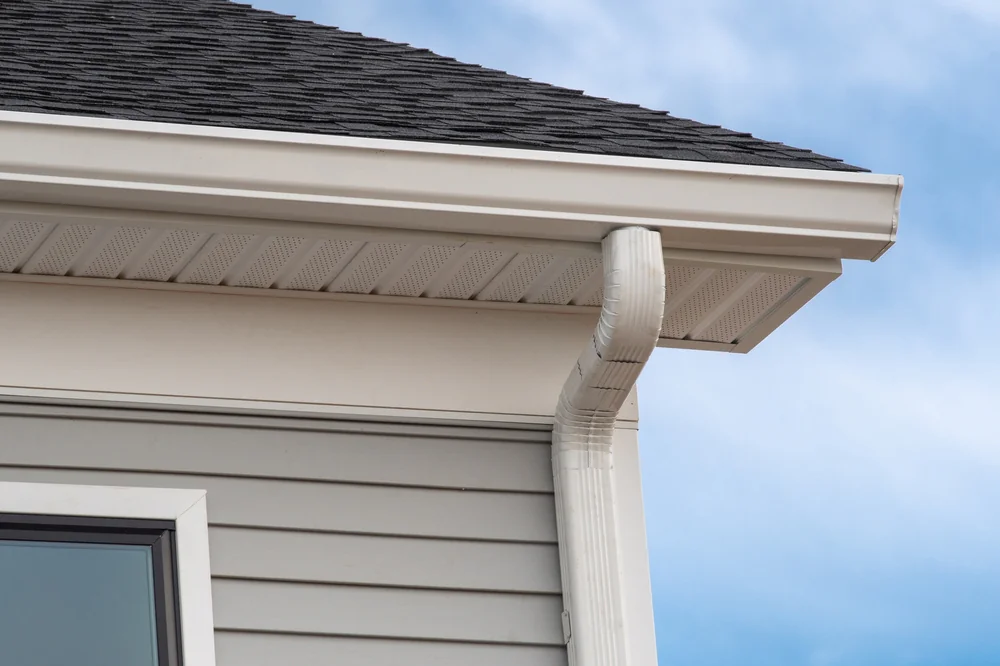
When gutters are installed right, water flows exactly where it should – away from your foundation, away from your basement, away from the landscaping you spent money on. When they’re installed wrong, you get pooling around your foundation, cracks in your basement walls, and soggy soil that undermines everything.
Here’s what matters in Stoneham: we get heavy spring rains, humid summers, leaf-packed autumns, and winters that create ice dams if your gutters aren’t ready. Your system needs to handle all of it. That means proper pitch, the right size for your roof’s square footage, and seamless construction that doesn’t leak at the seams because there aren’t any.
Most gutter problems aren’t gutter problems. They’re installation problems. Wrong slope, loose brackets, downspouts in the wrong spots – small mistakes that turn into big headaches.
We’ve been handling gutter installation across Middlesex County since 2006. We’re an Owens Corning Preferred Contractor, which means we’ve met their requirements for quality work and customer service – not just once, but consistently.
We know what New England weather does to homes. We’ve seen what happens when gutters fail during a nor’easter, and we’ve fixed the aftermath of ice dams more times than we can count. That experience matters when you’re choosing who installs your gutter system.
Stoneham homeowners deal with mature trees, variable roof pitches, and weather that swings from 90 degrees in July to below freezing in January. Your gutter installation needs to account for all of it. We measure on-site, fabricate seamless gutters to fit your exact specifications, and install them with the pitch and placement that actually works for your property.
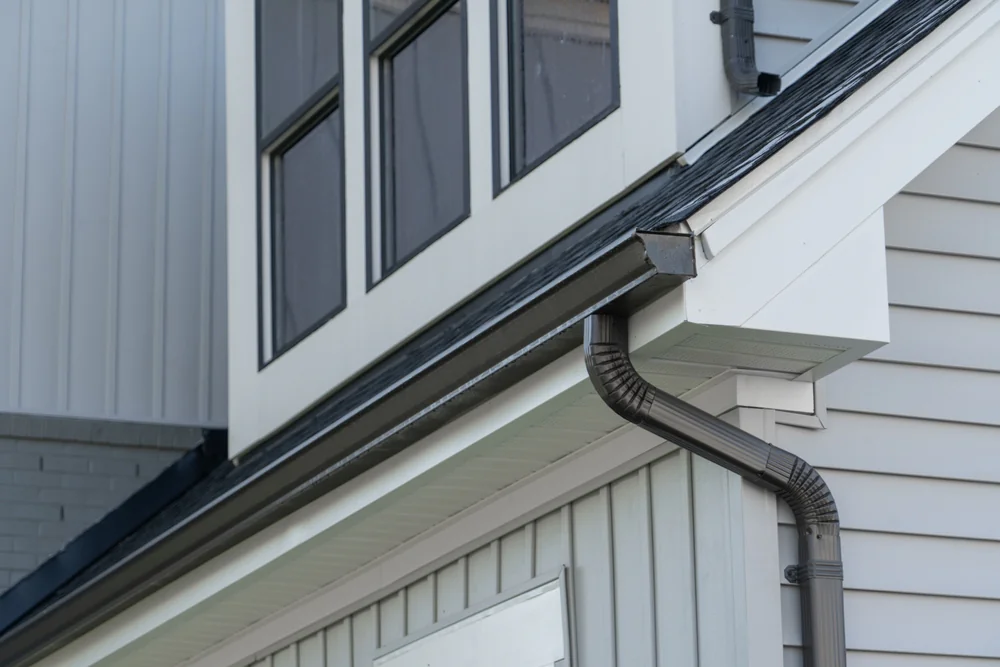
First, we come out and look at your home. We’re measuring your roofline, checking the fascia condition, looking at where water naturally wants to go, and figuring out the best downspout placement. This isn’t a clipboard-and-guess situation – we’re taking actual measurements because seamless gutters are fabricated to your exact specifications.
Next, we talk through your options. Aluminum is the standard for good reason – it doesn’t rust, it’s lightweight, and it lasts 20+ years in Massachusetts weather. We also install copper if that’s what your home calls for. We’ll discuss gutter guards too, because if you’re surrounded by oak trees like many Stoneham properties are, you’ll want to consider them.
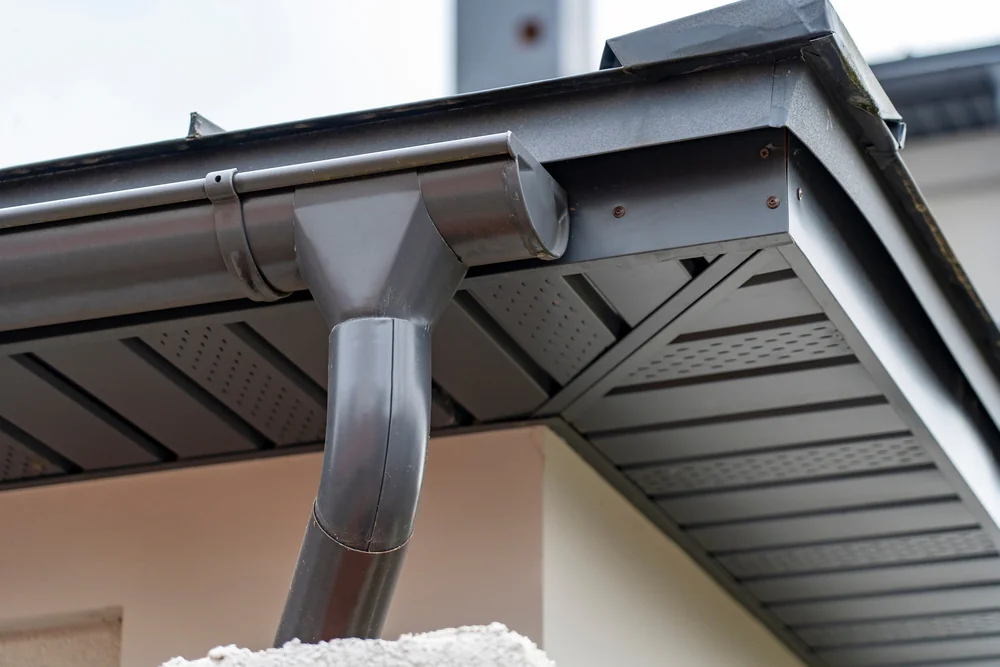
On installation day, we fabricate your seamless gutters on-site using our equipment. This means no seams except at corners and downspouts – fewer leak points, cleaner look, better performance. We remove your old gutters if needed, make sure your fascia is solid, and install the new system with the correct pitch for drainage. Downspouts get placed where they’ll actually move water away from your foundation, not just where it’s convenient to install them.
Before we leave, we test the system and clean up completely. You get gutters that work the day they’re installed and keep working through every season.
Ready to get started?
Every gutter installation includes on-site measurement, custom fabrication of seamless gutters, removal of old gutters if you have them, and complete installation with properly placed downspouts and correct pitch for drainage. We’re not hanging gutters and hoping they work – we’re engineering water flow for your specific property.
In Stoneham, that matters more than you might think. The town sits at varying elevations with plenty of mature tree coverage. Your neighbor’s gutter setup might be completely wrong for your home even if your houses look similar. Roof pitch, square footage, tree proximity, and soil drainage all factor into what you actually need.
We also install gutter guards when it makes sense. If you’ve got oak, maple, or pine trees dropping debris on your roof, guards can save you from cleaning gutters three times a year. They’re not magic – you’ll still need occasional maintenance – but they dramatically reduce how often you’re up on a ladder.
Material choice matters too. Most Stoneham homes do well with aluminum seamless gutters in a color that matches or complements the trim. They handle freeze-thaw cycles without cracking, don’t rust like steel, and cost less than copper while still lasting decades. We stock standard colors and can special-order if you need an exact match.
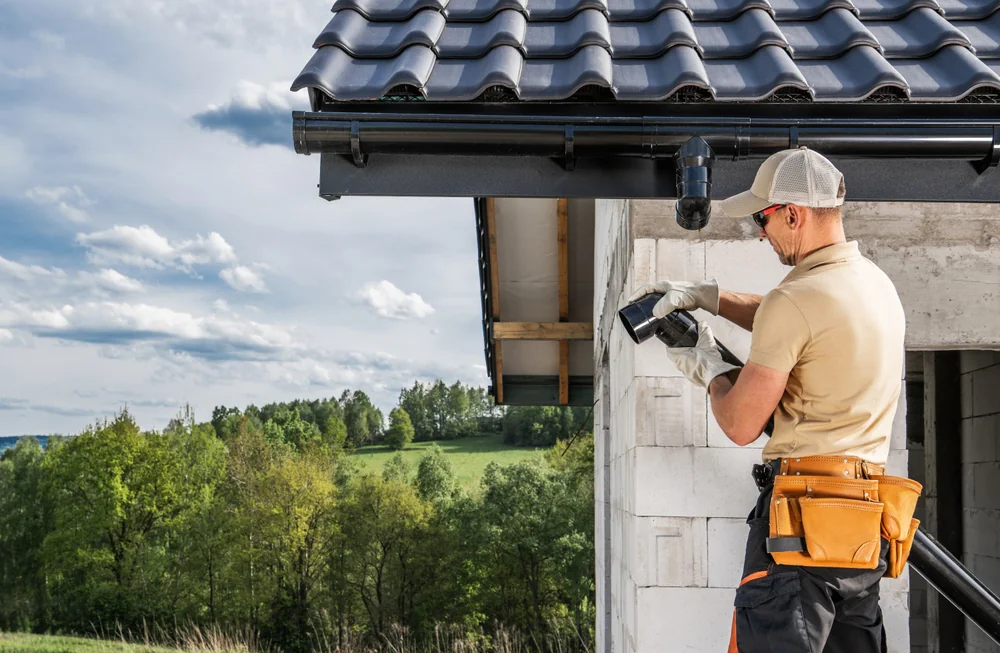
Most Stoneham homes pay between $1,200 and $3,500 for complete seamless gutter installation, depending on your home’s size and how much linear footage you need. The average runs about $8-12 per linear foot installed, which includes materials, labor, downspouts, and cleanup.
Here’s what affects your cost: a ranch needs less than a two-story colonial. Homes with complex rooflines or multiple valleys need more corners and seams, which adds labor time. If your fascia boards are rotted and need replacement before we can install gutters, that’s additional work.
Gutter guards add $3-8 per linear foot depending on the type. Basic mesh screens cost less than solid-top systems, but they also do less. If you’re getting new gutters anyway and you have trees, it’s worth doing guards at the same time – the labor’s already happening.
We give free estimates, so you’ll know exactly what your home needs and what it costs before any work starts. No surprises, no pressure.
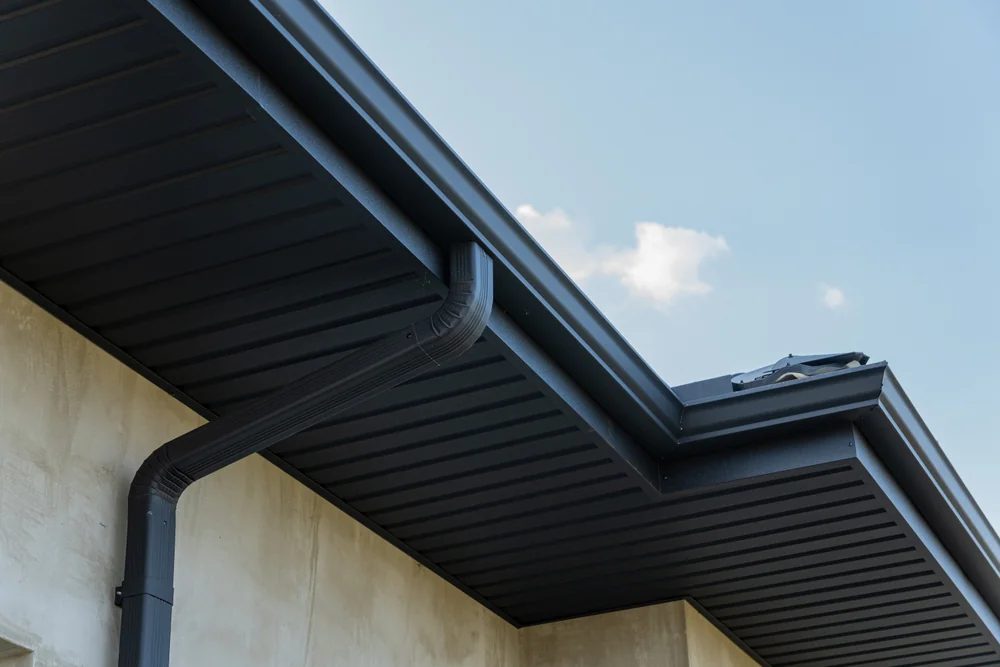
Seamless gutters are fabricated on-site in one continuous piece for each run of your roofline. Regular sectional gutters come in 10-foot pieces that get joined together with seams every few feet. Those seams are where leaks start.
Every seam is a potential failure point. The sealant degrades, the metal expands and contracts with temperature changes, and eventually water finds its way through. Seamless gutters only have seams at inside and outside corners and at downspout connections – that’s it. Fewer seams mean fewer leaks and less maintenance over the life of the system.
Seamless gutters also look cleaner. There are no visible joints running along your roofline, just smooth continuous metal that follows your fascia. They’re also stronger because there aren’t weak points every 10 feet where sections connect.
The trade-off is seamless gutters cost slightly more upfront and require professional installation with specialized equipment. You can’t buy them at a home improvement store and DIY it. But they last longer and perform better, which is why they make up about 75% of all gutter installations now.
Clean, properly installed gutters don’t prevent ice dams by themselves, but clogged or poorly functioning gutters make ice dams much worse. Here’s why: ice dams form when heat escapes through your roof, melts snow, and that meltwater refreezes at the cold roof edge. When your gutters are full of leaves and debris, that ice has nowhere to go and builds up fast.
Proper gutter installation helps by ensuring water flows off your roof efficiently during those brief warming periods in winter. When gutters are pitched correctly and downspouts are clear, meltwater can escape instead of pooling and refreezing. When they’re clogged or sagging, water backs up, sits in the gutter, freezes solid, and creates a dam that forces water back under your shingles.
The real ice dam prevention strategy includes adequate attic insulation, proper ventilation, and keeping gutters clear. That’s where gutter guards earn their keep in New England – they keep fall leaves out so winter meltwater can flow. We’ve seen plenty of Stoneham homes with ice dam damage that started with clogged gutters in November.
If you’re getting ice dams every winter, new gutters alone won’t solve it. But they’re part of the solution, especially if your current gutters are undersized, sagging, or constantly clogged.
It depends on your property. If you have oak, maple, or pine trees anywhere near your house, gutter guards will save you significant time and hassle. Without them, you’re cleaning gutters at least twice a year in Stoneham – once after fall leaves drop and again in spring after seed pods and tree debris come down.
Gutter guards don’t eliminate maintenance completely, but they reduce it dramatically. Instead of scooping handfuls of wet leaves out of your gutters twice a year, you’re brushing off surface debris once a year. The guards keep the bulk of leaves and debris out while letting water flow through.
Here’s what matters: not all gutter guards work the same. Cheap mesh screens keep out leaves but let small debris through and can get clogged themselves. Better systems use solid covers with surface tension to let water in while keeping everything else out. They cost more but perform better long-term.
If your home is surrounded by lawn with no overhanging trees, you can probably skip guards. If you have mature trees within 30 feet of your roofline, guards are worth it. And if you’re not comfortable climbing ladders to clean gutters yourself, guards pay for themselves in avoided service calls.
Most Stoneham homes take one day for complete gutter installation. A typical single-story ranch might be done in 4-6 hours. A larger two-story colonial with a complex roofline might take a full 8-hour day or occasionally stretch into a second day if there are fascia repairs needed.
The process moves quickly because we fabricate seamless gutters on-site. We’re not piecing together sections – we’re measuring, cutting continuous runs, and installing them with proper pitch and secure mounting. The time-consuming parts are removing old gutters if you have them, making sure fascia boards are solid enough to hold the new system, and getting downspout placement right.
Weather can affect timing. We don’t install gutters in rain or when temperatures are below freezing because sealants won’t cure properly. If we’re scheduled and weather turns bad, we’ll reschedule rather than rush a job that won’t perform correctly.
You don’t need to be home during installation, but we’ll need access to exterior outlets for our equipment and we’ll need to work around your property. We clean up completely when we’re done – no metal scraps, no old gutter pieces left behind.
Most Stoneham homes need 5-inch or 6-inch gutters depending on roof size and pitch. A standard colonial with moderate roof pitch does fine with 5-inch gutters. Homes with steep roofs, large square footage, or limited downspout locations often need 6-inch gutters to handle the water volume.
Here’s the math that matters: a steeper roof sheds water faster, which means more volume hitting your gutters in a short time during heavy rain. A larger roof obviously collects more water. If your downspouts are limited by landscaping or foundation layout, you need bigger gutters to handle flow between downspout locations.
Undersized gutters overflow during heavy rain even when they’re perfectly clean. That defeats the entire purpose – water pours over the sides, splashes against your foundation, and you might as well not have gutters at all. Oversized gutters don’t hurt anything except your wallet, but they’re usually unnecessary unless you have specific conditions that require them.
We calculate what you actually need based on your roof’s square footage, pitch, and the rainfall intensity data for this area. Massachusetts gets some serious downpours, especially in spring and during nor’easters. Your gutters need to handle that volume, not just average rainfall.
Other Services we provide in Stoneham