Hear from Our Customers
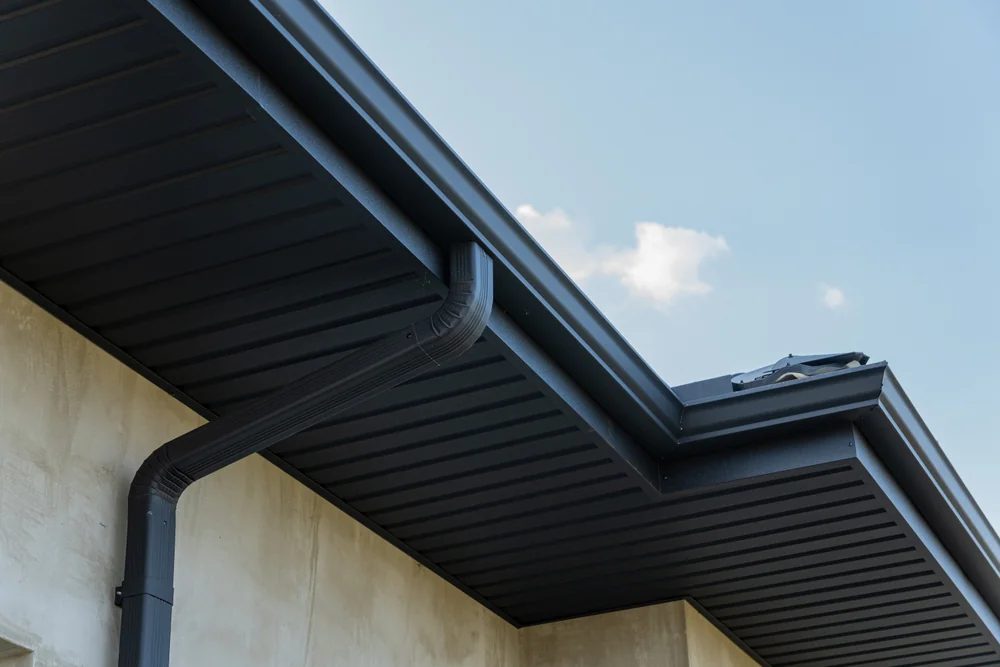
Water goes where it’s supposed to. Not into your foundation, not pooling around your basement walls, and not dripping behind your fascia boards rotting out the wood.
When gutters fail here, you’re looking at foundation cracks, mold in the basement, and fascia replacement. That’s thousands in repairs that proper gutter installation prevents. The coastal environment makes this worse—salt accelerates corrosion, storms dump more water than standard gutters handle, and debris clogs systems faster near the beach.
Seamless gutters custom-fit to your roofline eliminate the weak points where leaks start. You get better water flow, fewer clogs, and a system that holds up against the kind of weather Seabrook Beach throws at homes. That means your foundation stays dry, your landscaping doesn’t wash out every storm, and you’re not climbing ladders every few months clearing blockages.
We’ve spent over a decade working on homes throughout the Seacoast. We’re an Owens Corning Preferred Contractor, which means we meet standards most companies don’t bother with. That certification isn’t just a badge—it’s proof we do the work right.
Seabrook Beach homes face specific challenges. The salt air here eats through inferior materials. Storms hit harder on the coast. Your gutters need to handle more than homes ten miles inland. We spec materials that resist corrosion—aluminum and copper systems that won’t rust out in three years. And we install them to handle the volume of water you actually get during nor’easters, not what some generic chart says.
You’re not getting a crew that learned gutters last month. You’re getting installers who know how coastal homes behave and what fails first when the installation is done wrong.
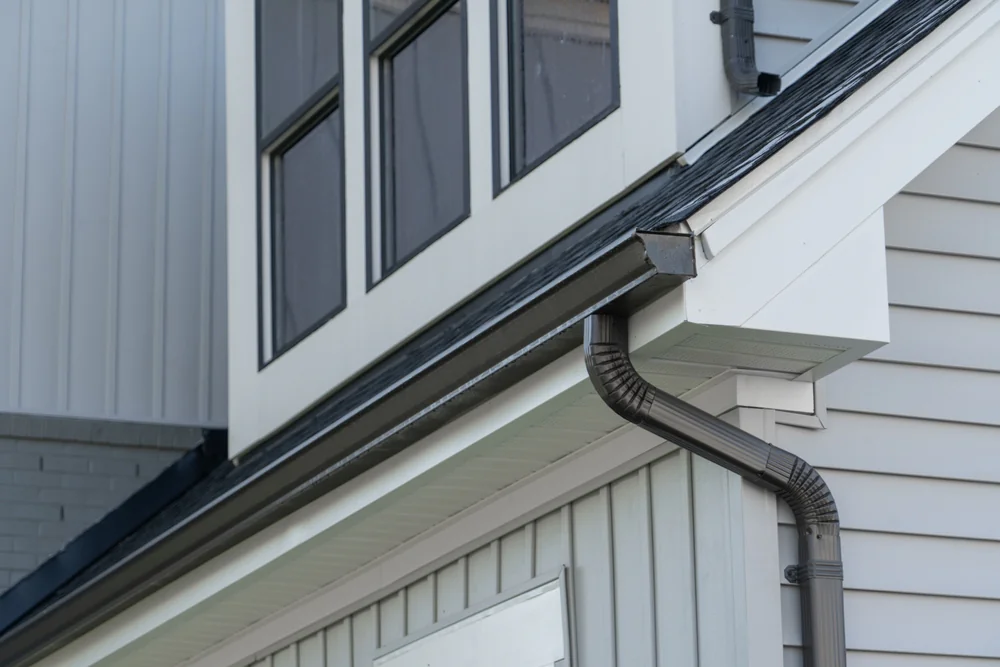
First, we come out and look at your roofline, measure everything, and check how water currently drains. We’re looking for problem areas—places where water overshoots, sections where the fascia is already damaged, spots where the pitch isn’t right. You’ll know exactly what you need before we start.
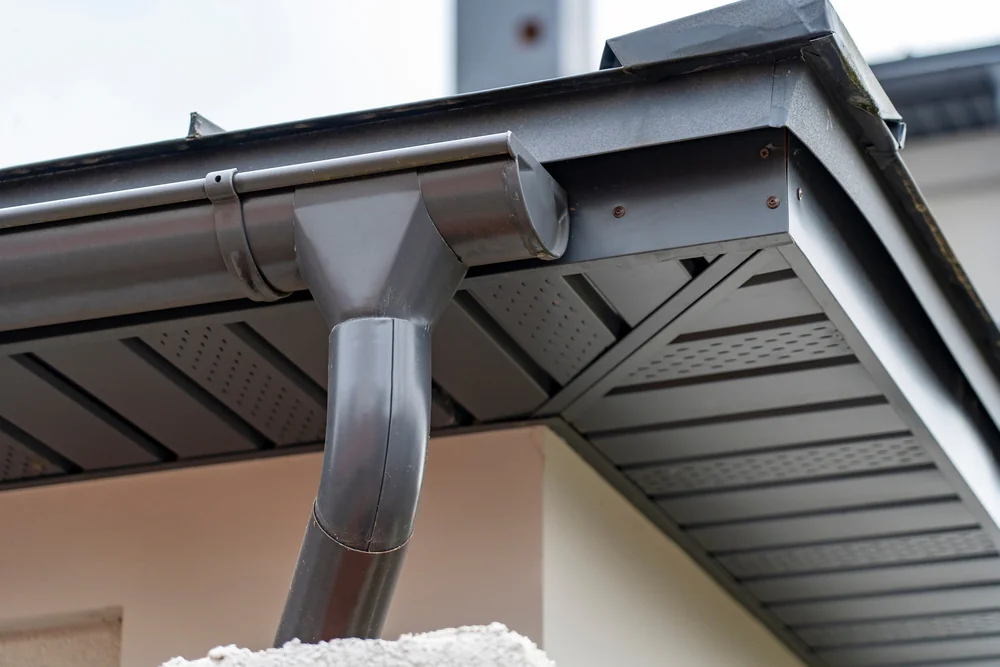
Then we fabricate seamless gutters on-site to your exact measurements. No seams means no leaks at the joints. We’re not piecing together sections and hoping the sealant holds. The gutters get mounted with hidden hangers or brackets spaced correctly for your roof load and our weather. Downspouts go where they’ll actually move water away from your foundation—not just wherever’s convenient.
We test the flow, make sure the pitch is right, and check that downspouts drain at least six feet from your foundation. You’ll see water moving through the system properly before we leave. The install typically takes a day for most homes, and you’re left with a system that works the way it should—quietly, efficiently, and without you thinking about it until the next storm proves it’s doing its job.
Ready to get started?
Seamless aluminum or copper gutters, custom-fabricated to your home’s measurements. These aren’t the sectional gutters from a big box store that leak at every seam. You’re getting a continuous run that eliminates 90% of potential failure points.
Properly sized downspouts that actually handle the water volume from Seabrook Beach storms. Undersized downspouts are why gutters overflow—we calculate what you need based on your roof square footage and pitch. Gutter guards are available if you want to reduce the maintenance, especially if you’ve got trees dropping debris. They’re not necessary for everyone, but they make sense for some properties.
The materials we use resist salt corrosion. Coastal homes can’t use the same cheap materials that work fine inland. We’re installing systems rated for marine environments—the kind of exposure your home gets year-round. Hidden hangers keep the installation clean and provide better support than spike-and-ferrule systems that loosen over time. And everything slopes correctly so water doesn’t pool in your gutters breeding mosquitoes and growing algae.
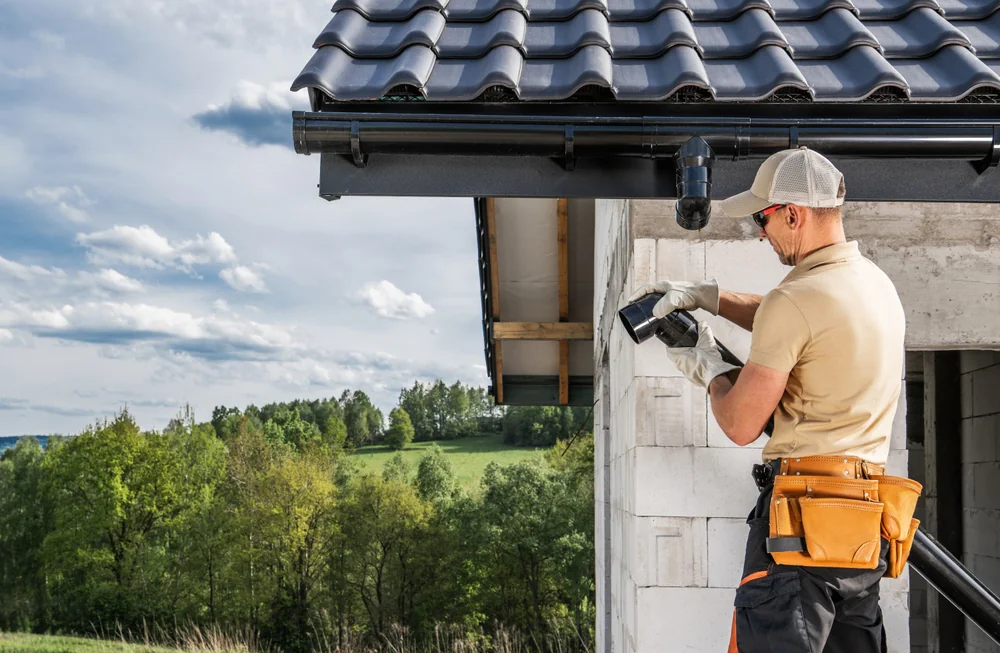
For most homes here, you’re looking at $1,500 to $3,500 depending on linear footage, material choice, and how many stories your home is. Aluminum is the most common—it resists salt corrosion well and costs less than copper. Copper looks great and lasts longer, but you’ll pay significantly more upfront.
The price includes fabrication, installation, downspouts, and proper drainage setup. If your fascia boards are rotted and need replacement first, that’s additional. Same with gutter guards if you want them. Most companies charge by the linear foot, usually $8 to $15 for aluminum, more for copper.
Get the actual measurements before you compare quotes. Some companies lowball the estimate, then hit you with extras once they’re on site. We measure first, quote the real number, and that’s what you pay unless you change the scope.
Seamless gutters are fabricated on-site as one continuous piece for each run of your roofline. Sectional gutters come in pre-cut lengths that get pieced together with connectors and sealed at the joints. Those seams are where leaks start—the sealant degrades, the metal expands and contracts with temperature changes, and eventually water gets through.
Seamless systems only have seams at the corners and downspout connections. That’s 70-80% fewer potential leak points compared to sectional installations. They also look cleaner because you don’t see the connectors every ten feet along your roofline.
The other advantage is strength. Seamless gutters have fewer weak points, so they handle heavy snow loads and ice better. In coastal areas where you’re getting nor’easters and high winds, that matters. Sectional gutters are cheaper upfront, but you’ll replace them sooner and deal with more leaks along the way.
Check where your downspouts drain during a heavy rain. If water is pooling within six feet of your foundation, your gutters aren’t doing their job. Downspouts need extensions or drainage solutions that move water well away from the house. Otherwise, you’re just collecting roof runoff and dumping it right next to your foundation.
Look for water stains on your foundation walls or erosion in the soil around your home’s perimeter. Those are signs that water is overflowing your gutters or not draining properly. Inside, check your basement for moisture, musty smells, or efflorescence (white powdery deposits on concrete). Those indicate water is getting into your foundation, often because gutters are failing.
Also watch your gutters during rain. If water is spilling over the edges instead of flowing through the downspouts, they’re either clogged, undersized, or pitched incorrectly. All of those are fixable, but they won’t fix themselves. Foundation repairs cost $3,000 to $15,000 on average. Proper gutter installation and maintenance costs a fraction of that.
Good gutter guards reduce how often you need to clean your gutters—they don’t eliminate maintenance completely. If you’ve got oak trees or pines dropping debris year-round, guards make sense. You’ll still need to clear them occasionally, but you’re talking once a year instead of four times.
The cheap mesh screens from hardware stores clog with small debris and shingle grit. They create more problems than they solve. Higher-end guards with micro-mesh or surface tension designs work better, but they cost more—sometimes $10 to $20 per linear foot installed on top of your gutter cost.
Whether they’re worth it depends on your property. Lots of trees and a two-story home where cleaning gutters is dangerous? Guards are a good investment. Minimal tree coverage and easy roof access? You might not need them. We install them when they make sense for the homeowner, but we don’t push them on every job because they’re not always necessary.
Aluminum gutters properly installed with coastal-grade materials typically last 20 to 25 years here. Copper lasts 50+ years but costs significantly more. The salt air shortens the lifespan of cheaper materials—standard steel gutters rust out in under ten years near the coast, which is why we don’t install them.
The installation quality matters as much as the material. Gutters that aren’t pitched correctly hold standing water, which accelerates corrosion and creates breeding grounds for algae and mosquitoes. Poor hanger spacing leads to sagging, which creates low spots where water pools. And if the fascia wasn’t in good shape when the gutters were installed, you’ll have problems within a few years regardless of gutter quality.
Regular maintenance extends the life of any gutter system. Clean them at least twice a year, check for loose hangers after major storms, and make sure downspouts are draining properly. Catch small issues early and your gutters will hit their expected lifespan. Ignore them and you’re replacing the system in half the time.
You can install sectional gutters yourself if you’re comfortable on ladders and have the tools. But seamless gutters require a specialized machine to fabricate them on-site, so that’s not a DIY project. And even with sectional gutters, getting the pitch right, spacing hangers correctly, and ensuring proper drainage takes experience most homeowners don’t have.
The bigger issue is what happens when it’s done wrong. Gutters pitched incorrectly don’t drain, which leads to overflow and foundation damage. Hangers spaced too far apart cause sagging. Downspouts that drain too close to the foundation defeat the entire purpose of having gutters. Those mistakes cost more to fix than hiring a professional in the first place.
For coastal homes especially, the installation needs to account for higher wind loads and corrosive salt exposure. The wrong materials or installation methods fail faster here than they would inland. If you’re planning to stay in your home and want the system to last, professional installation is worth the cost. You’re paying for it to work right for the next 20 years, not just look okay for the next six months.
Other Services we provide in Seabrook Beach