Hear from Our Customers
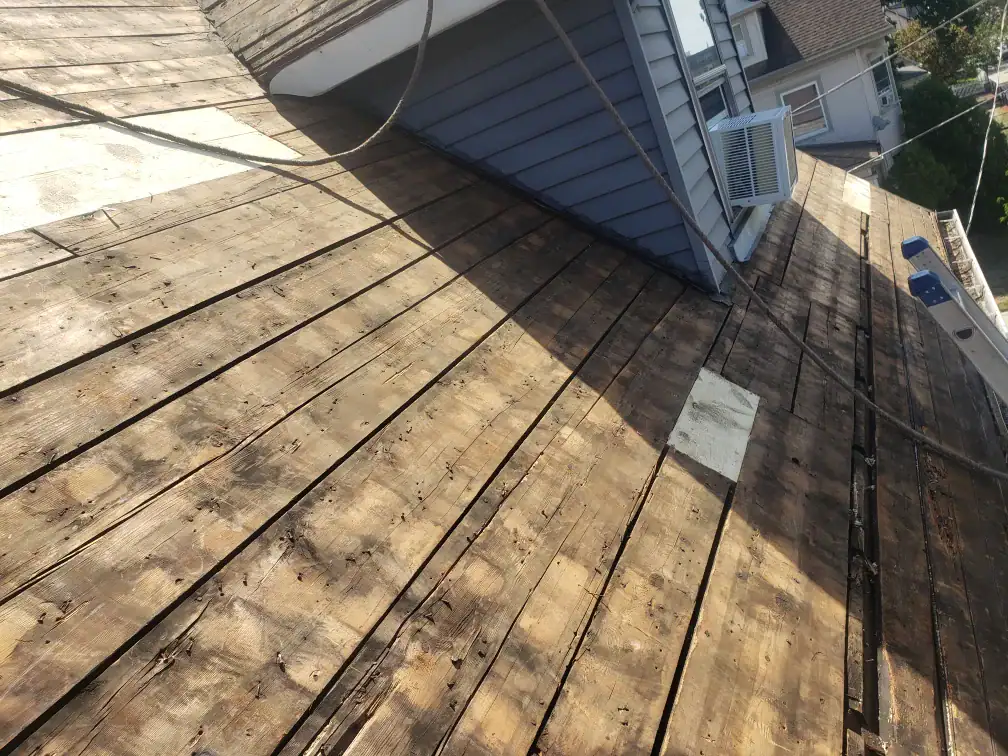
You’ve noticed it. That creeping discoloration on the north side of your house. The spots where mold and mildew have taken hold because Tewksbury’s humidity gives them everything they need to thrive.
Here’s what most homeowners don’t realize: that green film isn’t just ugly. It’s actively breaking down your siding material, creating microscopic cracks where moisture seeps in. Left alone for another year or two, you’re looking at rot, warping, and eventually full panel replacement.
Professional siding maintenance in Tewksbury, MA means catching this early. A proper cleaning removes the organic growth without damaging your siding. Soft washing uses low-pressure water and biodegradable solutions that kill mold at the root—not just blast it off temporarily like a pressure washer would.
Your siding looks newer. Your home value stays protected. And you avoid the call nobody wants to make: the one asking for a quote on replacing entire sections because the damage went too deep.
We’ve spent over a decade working on homes throughout Tewksbury and the surrounding Middlesex County area. We’re an Owens Corning Preferred Contractor, which means we’ve met strict standards for quality and reliability that most companies don’t bother with.
You’re not hiring a crew that just showed up with a pressure washer last spring. We understand how New England weather attacks your siding—the freeze-thaw cycles that create cracks, the humidity that breeds mold, the nor’easters that test every seal and seam.
Our BuildZoom score puts us in the top 8% of Massachusetts licensed contractors. That ranking comes from verified work, proper licensing, and customers who were happy enough to say so publicly. We’re locally owned, and we’ve seen what happens when siding maintenance gets ignored in this climate. It’s never pretty, and it’s never cheap to fix later.
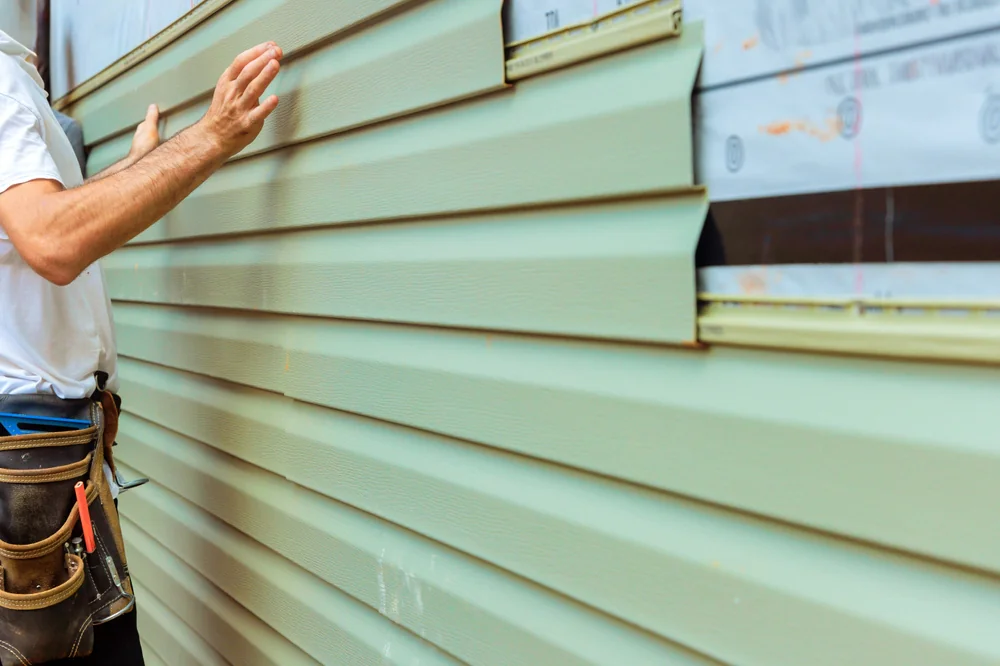
First, we inspect your siding completely. We’re looking for cracks, warping, loose panels, areas where caulk has failed, and spots where moisture might be getting behind the material. This isn’t a quick walk-around—it’s a full siding inspection checklist that catches problems you wouldn’t notice from the ground.
Then we clean it the right way. If you’ve got vinyl siding in Tewksbury, that means soft washing, not pressure washing. High pressure strips paint, gouges material, and forces water into places it shouldn’t go. Soft washing kills mold and mildew without damaging your siding or voiding any warranties.
After cleaning, we address any repairs. Small cracks get sealed. Loose panels get refastened. Damaged sections get replaced before they spread the problem to surrounding areas. You get a clear explanation of what we found and what we fixed.
The result: siding that’s clean, sealed, and ready to handle another Massachusetts winter without letting moisture sneak into your walls.
Ready to get started?
You get a complete exterior inspection that identifies every weak point in your siding system. We check for mold and mildew growth, especially on north-facing walls and shaded areas where Tewksbury’s humidity creates perfect conditions for fungi to spread.
The cleaning process uses soft washing techniques specifically designed for your siding material. Vinyl, wood, composite—each one requires different pressure levels and cleaning solutions. We don’t use the same approach on everything because that’s how siding gets damaged.
Tewksbury homes face specific challenges. Your siding deals with winter ice dams that create moisture problems. Spring rains test every seal. Summer humidity feeds mold growth. Fall winds drive debris into corners and gaps. Our maintenance service addresses all of it, not just the visible dirt on the surface.
You also get minor repairs included—recaulking around windows and doors, refastening loose panels, sealing small cracks before they become big ones. If we find damage that needs more extensive work, you’ll know exactly what it is and why it matters before we do anything.
Soft washing is the right choice for vinyl siding in Tewksbury, and here’s why: power washing uses high pressure that can crack vinyl, force water behind panels, and strip away protective coatings. You might get it clean, but you’re also creating new problems.
Soft washing uses low-pressure water combined with biodegradable cleaning solutions that actually kill mold, mildew, and algae at the source. The solution does the work, not the pressure. Your siding gets cleaner and stays cleaner longer because you’ve eliminated the organic growth instead of just blasting it off temporarily.
Most pressure washing systems run at 2,000 to 4,000 PSI. That’s enough to gouge wood, crack vinyl, and damage the structural integrity of your exterior. Soft washing operates at under 500 PSI—just enough to rinse away the dead growth after the cleaning solution has done its job. It’s the difference between treating the problem and creating new ones while you clean.
Most Tewksbury homes need professional siding cleaning every 18 to 24 months. That timeline shifts based on how much shade your house gets, how close you are to trees, and which direction your walls face.
North-facing walls and heavily shaded areas often need attention sooner—sometimes annually—because they stay damp longer and give mold more opportunity to establish itself. If you’re seeing green or black streaks, that’s organic growth that’s already taken hold. Waiting another year means it’s spreading deeper into the material.
Massachusetts humidity accelerates everything. What might take three years to develop in a drier climate happens in 18 months here. Regular cleaning isn’t about aesthetics—it’s about preventing the kind of moisture damage that leads to rot, warping, and expensive replacements. Catching it early with routine maintenance costs a fraction of what you’ll pay if you let it go until panels start failing.
Visible mold or mildew is the obvious one—green, black, or brown discoloration that won’t rinse off with a garden hose. But there are earlier warning signs most homeowners miss.
Check for chalking, which is when vinyl siding develops a powdery residue you can wipe off with your finger. That’s the material breaking down from UV exposure and weathering. Look for warped or buckled panels, especially after a harsh winter—that’s moisture getting behind the siding and expanding during freeze-thaw cycles. Peeling paint or fading color means the protective coating is failing.
Higher energy bills can also signal siding problems. If your heating or cooling costs have crept up without explanation, damaged siding might be letting drafts through. Interior water stains, especially near windows or at the roofline, often mean your siding has failed and moisture is getting into your walls. By the time you see interior damage, the problem has usually been developing for months. That’s why regular inspections catch issues before they become emergencies.
You can handle basic rinsing with a garden hose to remove surface dust and pollen. But actual cleaning—the kind that removes mold, mildew, and organic staining—requires equipment and knowledge most homeowners don’t have.
The biggest risk is using too much pressure. Rental pressure washers typically run too hot for vinyl siding, and most people don’t know how to adjust PSI or choose the right nozzle. You can crack panels, force water behind your siding, strip paint, or void your warranty without realizing it until the damage shows up later.
Professional siding maintenance in Tewksbury, MA means someone who knows the difference between vinyl, wood, and composite materials. Each one requires different cleaning solutions, different pressure levels, and different techniques. We also catch problems during the inspection that you wouldn’t notice—loose panels, failed caulking, early signs of rot. DIY cleaning saves money upfront but often costs more when you miss developing issues or accidentally damage material that didn’t need replacing.
Massachusetts weather is brutal on siding. Winter freeze-thaw cycles expand and contract your materials, creating cracks and gaps that weren’t there in fall. Ice dams push moisture up under panels. Spring rains test every seal and find the weak spots.
Summer humidity in Tewksbury creates ideal conditions for mold and mildew growth, especially in shaded areas that stay damp. Fall winds drive leaves and debris into corners where they trap moisture against your siding. You’re dealing with four distinct seasons that each attack your exterior in different ways.
That’s why spring and fall are the best times for siding maintenance here. Spring cleaning addresses winter damage before summer humidity makes it worse. Fall maintenance prepares your siding for winter by sealing gaps and removing organic growth that would otherwise freeze, thaw, and expand all season. Homes in milder climates can stretch maintenance intervals longer. In New England, you pay for neglect faster because the weather never gives your siding a break.
Maintenance is preventive—cleaning, inspecting, and making small repairs before problems spread. Replacement is what happens when maintenance gets skipped too long and the damage becomes structural.
A maintenance visit might include soft washing to remove mold, recaulking around windows, refastening a few loose panels, and sealing minor cracks. Cost runs a few hundred dollars and protects your existing investment. Replacement means tearing off damaged sections or entire walls and installing new material. You’re looking at thousands of dollars because the problem went from surface-level to structural.
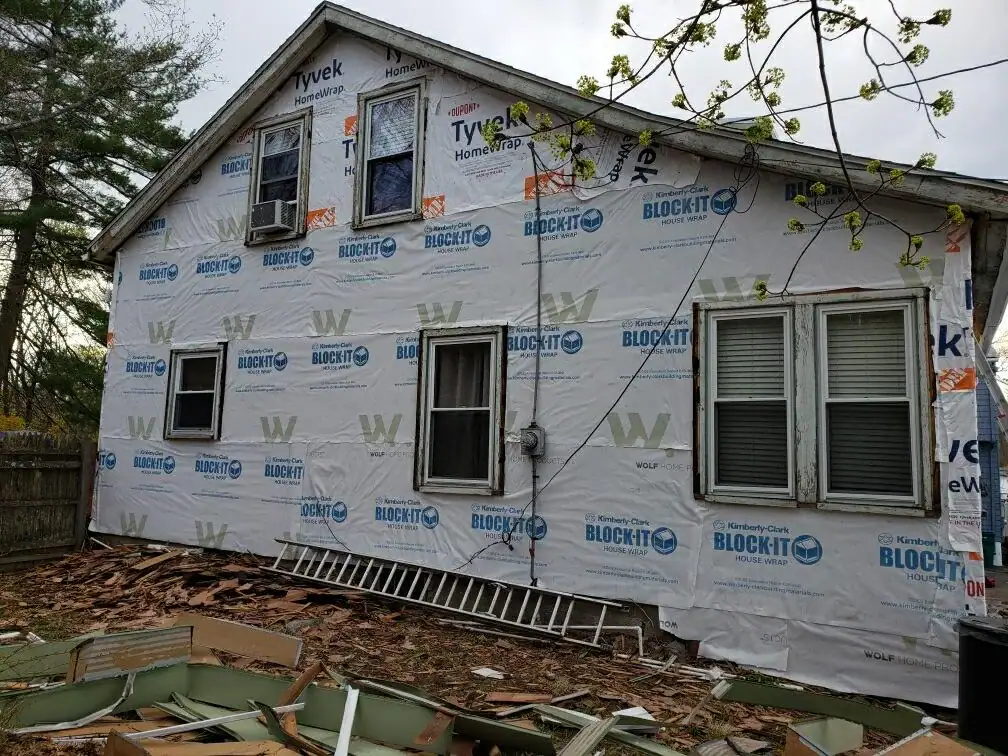
Most siding replacement in Tewksbury happens because of damage, not age. Homeowners see mold or discoloration, put off dealing with it, and eventually moisture gets behind the panels. By then you’ve got rot in the sheathing, possible mold in the walls, and compromised insulation. What could have been handled with routine cleaning and minor repairs now requires major work. Regular maintenance catches issues while they’re still small, cheap, and fixable without ripping your walls apart.