Hear from Our Customers
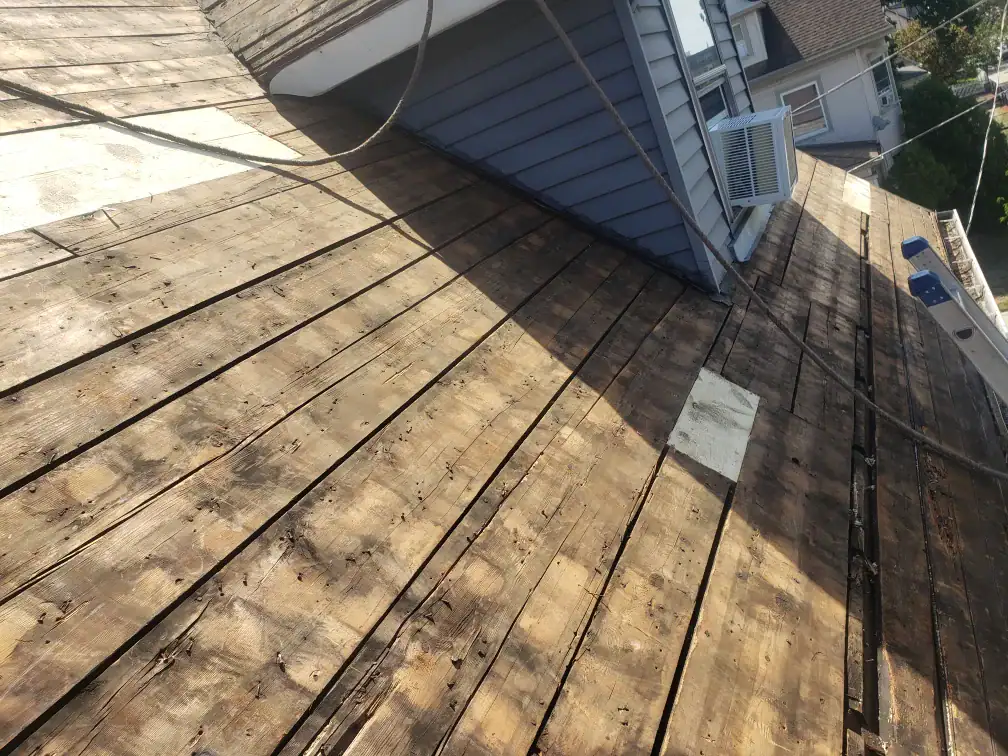
Your siding isn’t just sitting there looking pretty. It’s blocking moisture, resisting wind, and taking direct hits from salt spray every single day. When you stay on top of maintenance, you’re not just keeping up appearances—you’re preventing water infiltration, stopping mold before it spreads, and catching small cracks before they turn into expensive repairs.
Rye sits right on the coast, which means your home faces conditions that inland properties never deal with. Salt particles settle into every crevice. Humidity creates the perfect environment for mildew. Storms test every seam and panel. Regular cleaning vinyl siding and inspections mean you’re addressing these threats before they compromise your home’s structure or your wallet.
The difference between a home that holds up and one that doesn’t often comes down to whether someone’s paying attention. Faded panels, green streaks, loose sections—these aren’t just cosmetic issues. They’re early warnings that moisture is getting where it shouldn’t, and moisture is what leads to rot, mold, and serious structural damage down the line.
We work exclusively in seacoast communities like Rye, NH, where homes face harsher conditions than properties just a few miles inland. We’re an Owens Corning Preferred Contractor, which means we’ve met strict standards for quality and reliability—not just once, but consistently.
Our crews understand that being close to the ocean means your siding deals with salt air corrosion, high moisture, and UV exposure that breaks down materials faster. We’ve seen what happens when maintenance gets skipped or done incorrectly, and we’ve built our process around preventing those outcomes. You’re not getting a generic cleaning service. You’re getting people who know exactly what Rye homes need to stay protected year after year.
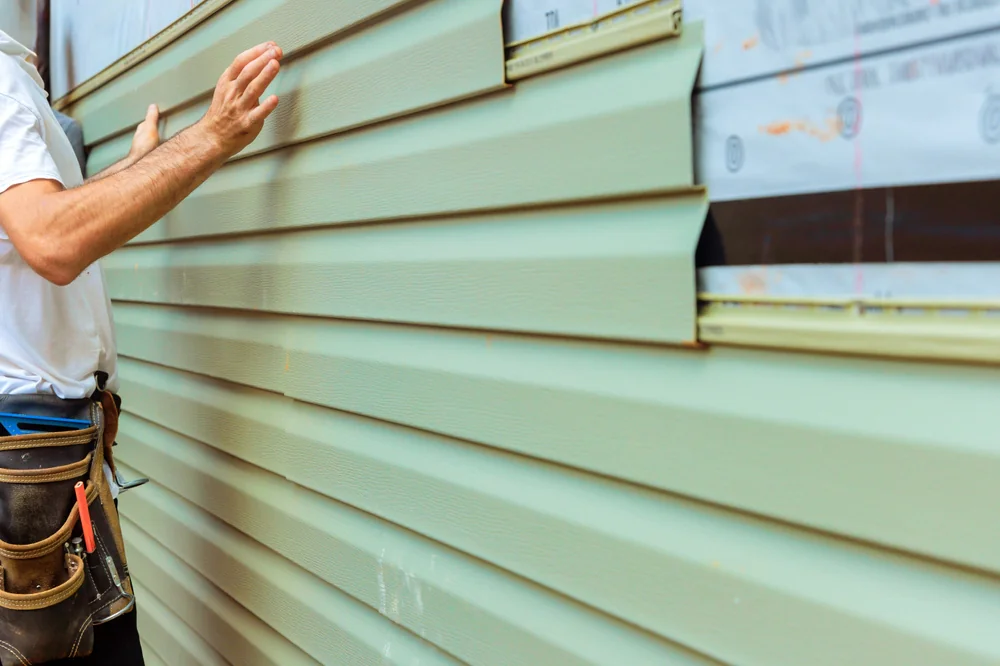
We start with a full inspection of your siding—every panel, seam, and corner. This isn’t a quick walk-around. We’re looking for cracks, loose sections, signs of moisture infiltration, mold growth, and any damage from recent storms. You’ll know exactly what’s going on with your siding before we touch anything.
Next comes the cleaning. We use soft washing, not high-pressure power washing. Soft washing combines low pressure with biodegradable cleaning solutions that kill mold and mildew at the source without damaging your siding. Power washing vs soft washing isn’t even a debate for us—high pressure can force water behind panels, crack seals, and cause more problems than it solves. Our method removes dirt, salt buildup, algae, and organic growth safely and thoroughly.
After cleaning, we handle any minor repairs we found during inspection—resealing gaps, replacing damaged panels, securing loose sections. Then we apply treatments that inhibit future mold and mildew growth. For homes within 500 feet of saltwater, we recommend quarterly cleanings. For everyone else in Rye, NH, twice a year keeps you covered. You’ll get a full report of what we did and what to watch for going forward.
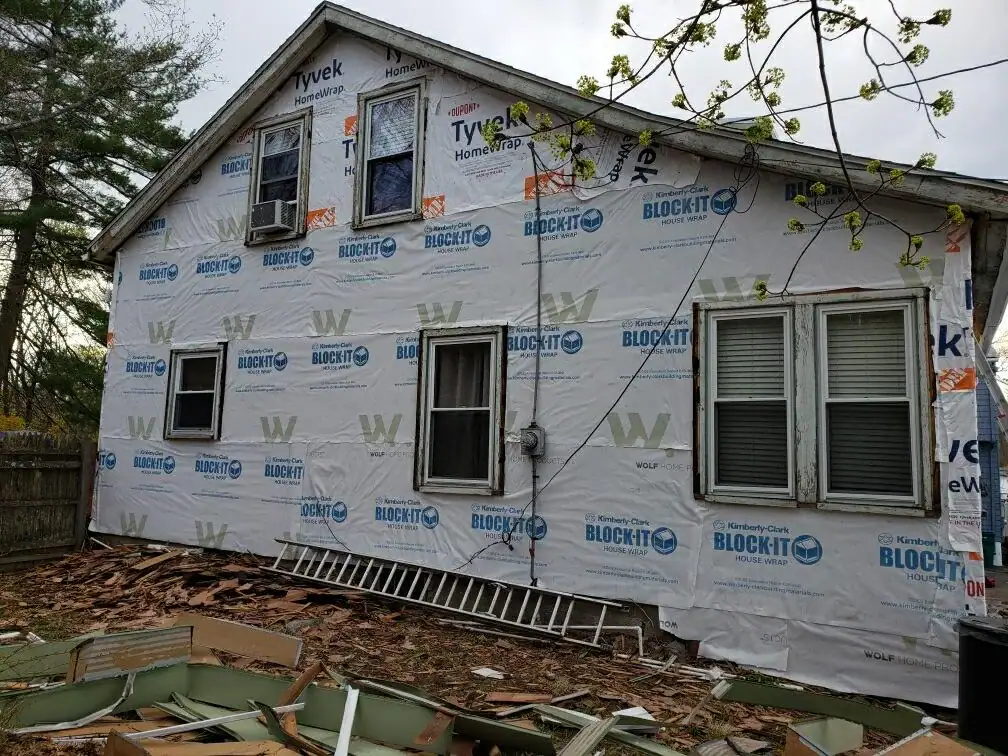
Ready to get started?
You get a complete siding inspection checklist that covers every potential problem area—panels, seams, flashing, trim, and caulking. We document current condition, identify weak spots, and flag anything that needs immediate attention versus what can wait.
Our cleaning process targets the specific challenges Rye homes face. Salt deposits get broken down and rinsed away. Mold and mildew removal happens at the root level, not just surface scrubbing. We clean vinyl, aluminum, cedar, and fiber cement siding using methods and solutions matched to each material. The treatments we apply after cleaning actively prevent new growth, which matters in high-humidity coastal environments where mildew comes back fast if you’re not using the right products.
Minor repairs are handled on the spot when possible—resealing joints, replacing cracked panels, securing loose sections, fixing damaged trim. You’re not waiting weeks for a second appointment to address issues we already found. For homes dealing with significant UV damage or fading, we’ll walk you through your options for restoration or replacement, including materials like James Hardie that hold up better against salt air and coastal storms than standard vinyl or wood.
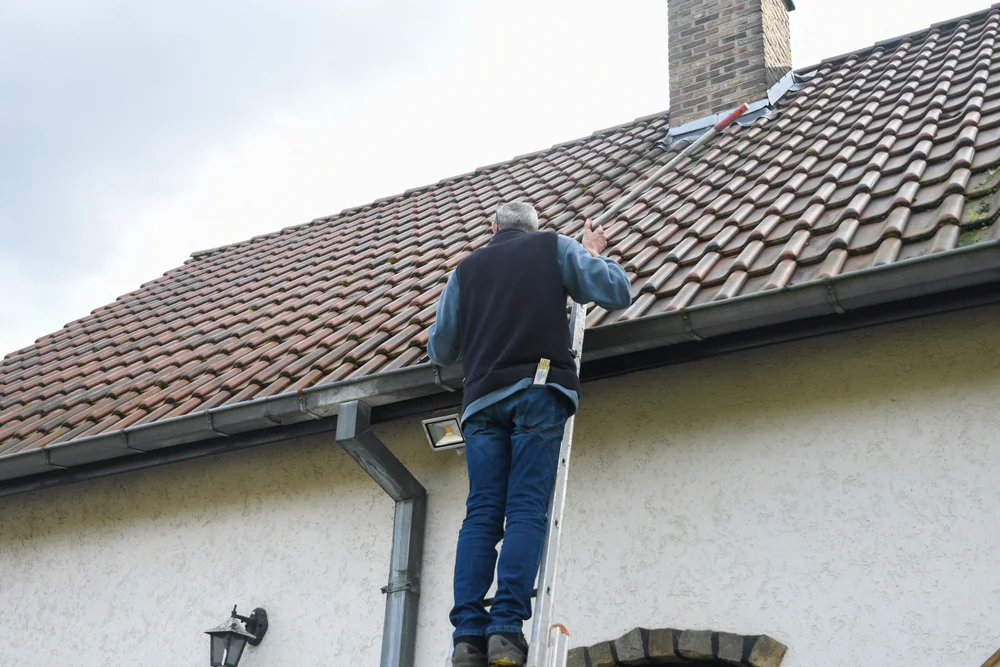
If your home is within 500 feet of the ocean, you should clean your siding every three months. Salt spray accumulates fast, and the longer it sits, the more damage it does. For homes farther from the water but still in Rye, twice a year is the minimum—ideally in spring and fall.
Spring cleaning removes the salt, dirt, and organic matter that built up over winter. Fall cleaning prepares your siding for the harsh weather ahead and removes summer’s humidity-driven mold and mildew growth. Skipping cleanings doesn’t just affect appearance. Salt and moisture work together to break down protective finishes, corrode metal components, and create entry points for water infiltration.
Coastal homes face conditions that accelerate wear. Regular cleaning isn’t optional maintenance—it’s what keeps small issues from becoming structural problems that cost thousands to fix.
Power washing uses high-pressure water to blast away dirt and grime. Soft washing uses low pressure combined with specialized cleaning solutions that break down and kill organic growth. For siding maintenance in Rye, NH, soft washing is the only method we use.
High pressure can force water behind siding panels, crack caulking and seals, strip paint, and damage the surface of vinyl or fiber cement. It might look clean afterward, but you’ve potentially created hidden moisture problems that won’t show up until mold starts growing inside your walls or panels start warping.
Soft washing is gentler on materials but more effective at actually removing the problem. The cleaning solutions kill mold, mildew, and algae at the source, and the treatments we apply afterward inhibit regrowth. You get a deeper clean that lasts longer without risking damage to your siding. For coastal homes dealing with constant salt exposure and high humidity, soft washing is the only approach that makes sense.
Dirt is usually brown or gray and wipes off relatively easily with a damp cloth. Mold and mildew show up as green, black, or dark brown streaks and patches that don’t come off with simple wiping. If you see discoloration that’s spreading or getting darker over time, especially on north-facing walls or shaded areas, that’s mold.
Mold thrives in moisture and shade, which is why it often appears near gutters, under eaves, or on sections of siding that don’t get direct sunlight. In Rye’s humid coastal climate, mildew growth is extremely common. The high moisture content in the air creates ideal conditions for spores to take hold and spread.
Don’t try to scrub it off with a brush or high-pressure washer. Scrubbing can damage siding and spread spores to other areas. Pressure washing can force mold deeper into cracks and seams. Professional mold and mildew removal uses solutions that kill growth at the root and prevent it from coming back. If you’re seeing green or black streaks, it’s time to call someone who knows how to handle it properly.
Salt air is corrosive. When salt particles from ocean spray settle on your siding and combine with moisture, they create an environment that breaks down materials faster than normal weathering. Metal components like fasteners, flashing, and trim are especially vulnerable—salt causes rust, corrosion, and eventual failure of these parts.
On vinyl siding, salt buildup leads to discoloration, staining, and breakdown of the protective finish. Wood siding absorbs salt and moisture, which accelerates rot and decay. Even fiber cement siding, which is more durable than other options, still needs regular cleaning to prevent salt deposits from etching the surface and creating rough spots where mold can take hold.
The closer you are to the water, the worse the problem gets. Homes within a few hundred feet of the ocean take constant hits from salt spray, especially during storms. Regular cleaning removes salt before it has time to do serious damage. Skipping maintenance means you’re letting a corrosive substance sit on your home’s exterior 24/7, and that will shorten the lifespan of your siding significantly.
You can handle basic rinsing with a garden hose, but thorough cleaning that actually addresses mold, mildew, and salt buildup requires equipment and solutions most homeowners don’t have. Soft washing equipment delivers the right pressure and applies cleaning agents evenly. The solutions we use are commercial-grade and formulated to kill organic growth without harming siding or landscaping.
There’s also the safety factor. Cleaning second-story siding means working on ladders or scaffolding, and one wrong move can lead to serious injury. We have the training and equipment to work at height safely. We also know how to identify problems during cleaning—cracks, loose panels, damaged seals—that you might miss if you’re focused on just getting the dirt off.
For coastal homes in Rye, NH, the stakes are higher. Improper cleaning can cause damage that leads to moisture infiltration and expensive repairs. If you’re dealing with mold, salt deposits, or haven’t cleaned your siding in over a year, hiring professionals ensures the job gets done right without creating new problems.
Start with visible damage—cracks, holes, warping, or loose panels. Check caulking around windows, doors, and corners for gaps or deterioration. Look at seams between panels for separation or buckling. Inspect areas near gutters and downspouts for water stains or discoloration, which indicate moisture problems.
Check for mold, mildew, or algae growth, especially on north-facing walls and shaded sections. Look for fading or chalking on vinyl siding, which means UV damage is breaking down the material. On wood siding, probe suspect areas with a screwdriver—if the wood feels soft or the tool sinks in easily, you’ve got rot. On fiber cement, look for chips, cracks, or areas where the finish is wearing away.
Pay attention to areas that took direct hits during recent storms. High winds can loosen panels or damage flashing. Heavy rain can expose weak spots in seals and caulking. In Rye, NH, you should inspect your siding at least once a year, ideally in spring or fall. If you’re not sure what you’re looking at or you find something concerning, call someone who can assess the damage and tell you what actually needs to be done.