Hear from Our Customers
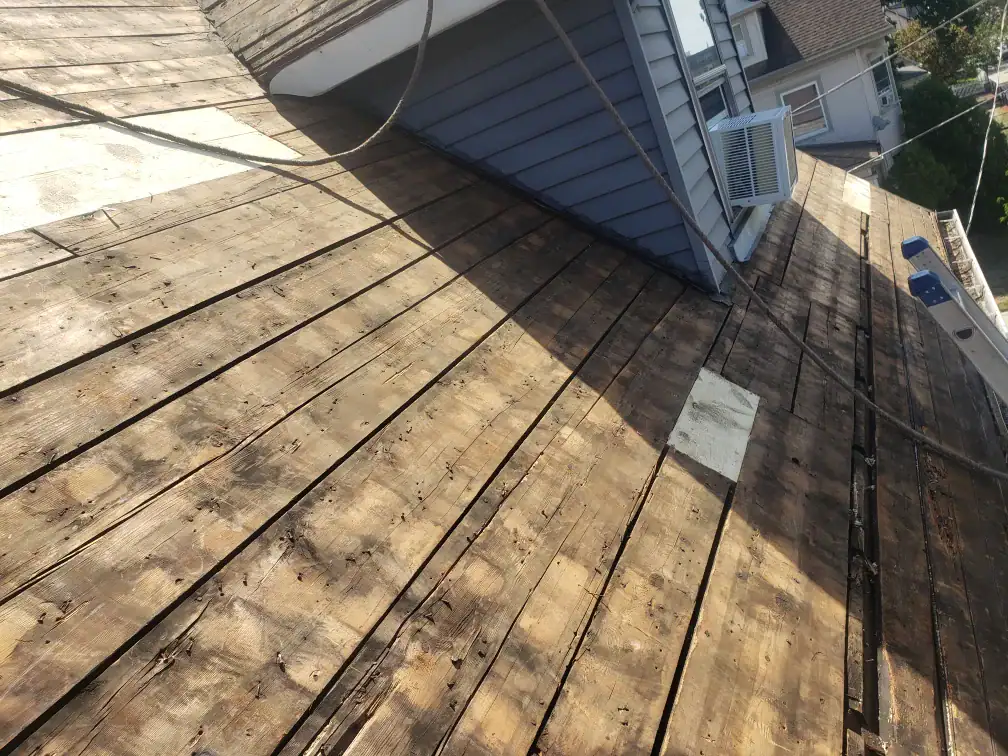
Your siding takes a beating from freezing winters, humid summers, and everything in between. When moisture gets behind damaged panels, you’re looking at mold growth, structural rot, and energy bills that climb because your home can’t hold heat.
Regular maintenance catches the small stuff before it becomes the expensive stuff. Cracked caulking, loose panels, mold creeping up from the foundation—these aren’t just cosmetic issues. They’re entry points for water, and water is what destroys homes in New England.
Cleaning vinyl siding in Pelham, NH isn’t just about curb appeal, though that matters too. It’s about removing the mold and mildew that eat away at your siding’s integrity. It’s about spotting the early warning signs during inspections so you can fix a $300 problem instead of a $15,000 one.
When your siding is properly maintained, it does its job: protecting your home’s structure, keeping your energy costs reasonable, and maintaining your property value. That’s what you’re actually paying for.
We’ve spent over a decade working on homes throughout Pelham and the surrounding area. We know what New Hampshire’s climate does to siding because we’ve seen it, fixed it, and prevented it hundreds of times.
We’re an Owens Corning Preferred Contractor, which means we’ve met strict standards for quality and reliability. That’s not marketing speak—it’s a qualification that requires proven expertise and consistent results.
Pelham’s mix of colonial charm and modern homes means we work on everything from historic properties to new construction. Different materials, different challenges, same goal: making sure your siding protects your home the way it’s supposed to.
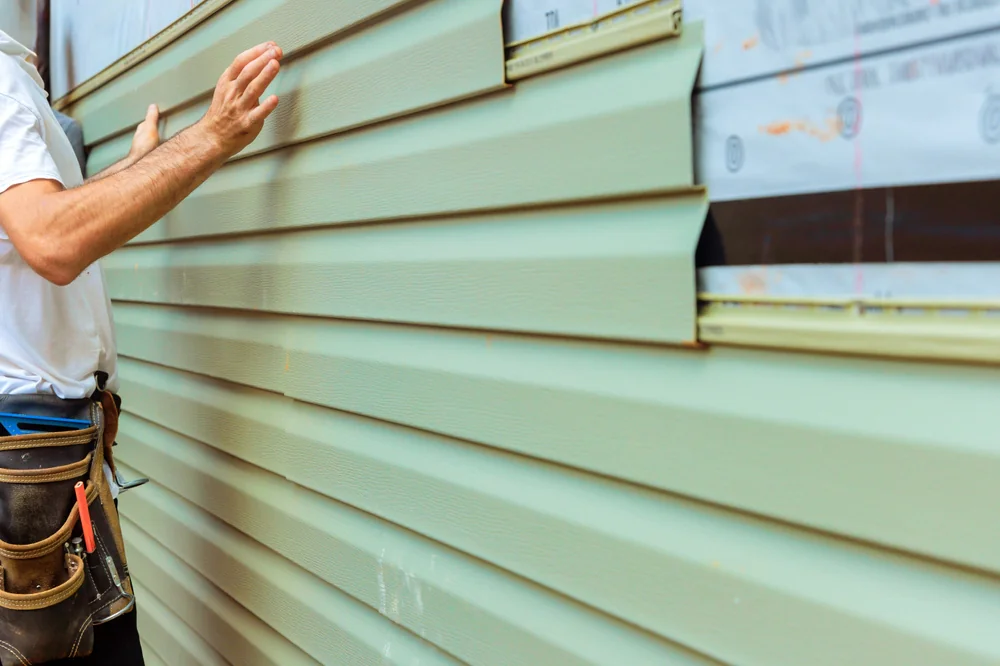
We start with a thorough inspection using a detailed siding inspection checklist. We’re looking for cracks, gaps, warping, rot, mold growth, and any signs that water is getting where it shouldn’t. This isn’t a quick walk-around—we check seams, corners, areas around windows and doors, and anywhere moisture tends to collect.
If your siding needs cleaning, we use soft washing, not power washing. The difference matters. Power washing can force water behind your siding, crack panels, and create more problems than it solves. Soft washing uses lower pressure with biodegradable solutions that kill mold and mildew at the source without damaging your siding.
After cleaning and inspection, we handle any repairs that need attention. That might mean replacing damaged panels, resealing gaps, fixing flashing, or addressing drainage issues that are causing problems. We explain what we find, what needs to be done now, and what you should keep an eye on.
You get a clear assessment of your siding’s condition and a maintenance plan that makes sense for your home and budget. No upselling, no scare tactics—just honest information so you can make the right call.
Ready to get started?
Our siding maintenance covers everything your exterior needs to handle Pelham’s weather. We clean mold and mildew using safe, effective methods that don’t damage your siding. We inspect every accessible section of your exterior, checking for the kind of damage that homeowners miss but that causes serious problems down the road.
Pelham sits at about 300 feet elevation with a humid continental climate. You get cold, snowy winters and warm, humid summers—exactly the conditions that promote mold growth and cause siding to expand, contract, and eventually fail if it’s not maintained. We see the same patterns every year: ice damage in winter, mildew blooms in spring, storm damage in summer, and moisture infiltration in fall.
Our maintenance service addresses these seasonal challenges. We check your gutters and drainage because that’s where most siding problems start. We look at the areas where different materials meet—where siding connects to trim, around windows, near the foundation—because those transitions are where water finds its way in.
You also get documentation of your siding’s condition. That matters for insurance claims, resale value, and your own peace of mind. You’ll know exactly what shape your siding is in and what it needs to stay that way.
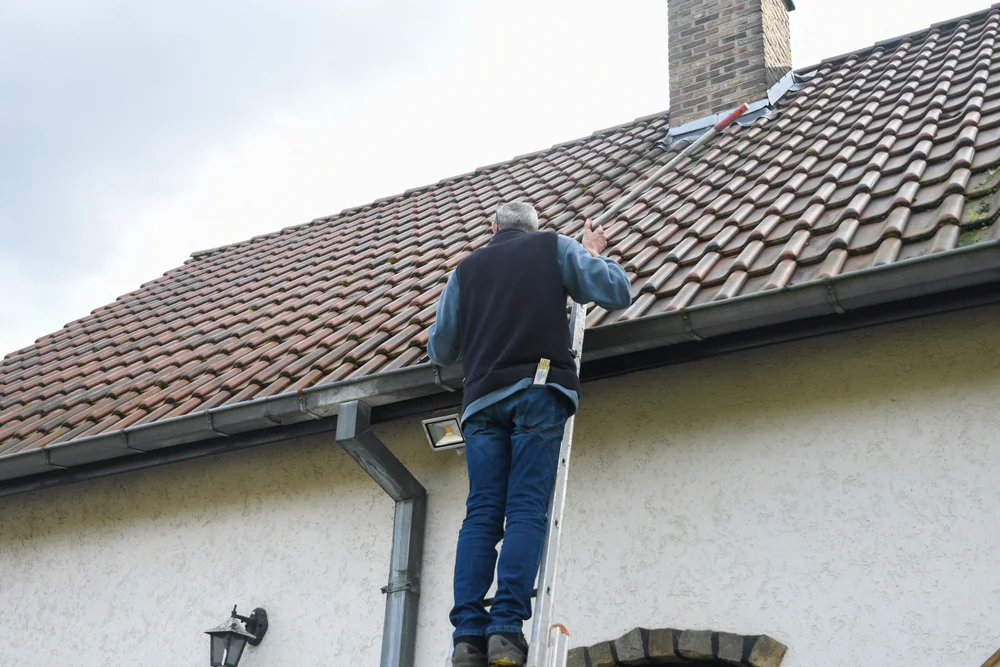
Twice a year is the standard recommendation—once in spring and once in fall. Spring inspections catch any damage from winter ice, snow load, and freeze-thaw cycles. Fall inspections make sure your siding is sealed and ready before winter hits again.
That said, you should also schedule an inspection after any severe weather event. High winds, hail, and heavy storms can cause damage that isn’t obvious from the ground but that will get worse if you ignore it.
If you’re seeing visible mold growth, peeling paint, or loose panels, don’t wait for your regular maintenance schedule. Those are signs that something’s already wrong, and the sooner you address it, the less it’ll cost to fix.
Power washing uses high pressure that can force water underneath your siding, crack panels, and strip away protective finishes. It’s too aggressive for most siding materials, especially vinyl. You might get it clean, but you’re also creating opportunities for water damage and shortening your siding’s lifespan.
Soft washing uses low pressure combined with cleaning solutions that actually kill mold, mildew, and algae instead of just blasting them off. The solutions do the work, not the pressure. It’s safer for your siding and more effective at preventing regrowth.
We use soft washing because it cleans without causing damage. You get better results that last longer, and you’re not risking the kind of moisture intrusion that leads to rot and mold inside your walls.
Surface dirt and mildew will wash off. Water damage shows up as warping, soft spots, rot, or panels that feel loose or spongy when you press on them. If you see bubbling or blistering in your siding, that’s moisture trapped underneath.
Black or green streaks are usually mold and mildew, which means moisture is present but hasn’t necessarily penetrated yet. If those streaks are concentrated near seams or edges, that’s a red flag that water is getting behind your siding.
The most reliable way to know is to have someone who does this regularly take a look. We can tell the difference between cosmetic issues and structural problems, and we can show you exactly what you’re dealing with. Most water damage starts small and stays hidden until it’s expensive, which is why regular inspections matter.
Moisture and humidity. Pelham’s climate gives you both, especially in spring and summer. When your siding stays damp—from rain, morning dew, poor drainage, or shade that prevents drying—mold and mildew move in.
North-facing walls and areas near landscaping or under roof overhangs tend to stay wet longer, which is why you’ll often see more growth in those spots. Gutters that overflow or drain too close to your foundation also create constant moisture that feeds mold growth.
The mold itself isn’t just ugly. It breaks down your siding material over time, and it’s a sign that moisture is present. If you’re getting recurring mold growth in the same areas, there’s usually a drainage or ventilation issue that needs to be fixed, not just cleaned. Treating the symptom without addressing the cause means you’ll be dealing with the same problem every year.
You can handle basic cleaning if you’re comfortable on a ladder and you use the right methods. That means soft washing with appropriate cleaners, not power washing. You can also do visual inspections from the ground and watch for obvious problems like loose panels or visible damage.
What you probably shouldn’t DIY is anything involving repairs, working at height, or diagnosing problems you’re not sure about. Improper repairs can make things worse, and missing hidden damage means you’ll pay more later when the problem spreads.
Professional maintenance catches things you won’t see or won’t know to look for. We know what early rot looks like, where water typically infiltrates, and which repairs need to happen now versus which can wait. If your siding is older, if you’ve had any previous issues, or if you’re not sure what you’re looking at, it’s worth having someone who does this full-time take a look.
Basic cleaning and inspection typically runs a few hundred dollars, depending on your home’s size and how much work is needed. Minor repairs—replacing a few panels, resealing gaps, fixing small areas of damage—usually fall in the $250 to $600 range.
If we find more extensive damage during inspection, costs go up from there. But here’s the thing: paying for regular maintenance is always cheaper than paying for emergency repairs or full replacement. A $400 maintenance visit that catches a small problem can save you $5,000 or more in repairs down the road.
We’ll give you a clear estimate before we do any work. You’ll know exactly what needs to be done, what it costs, and why it matters. No surprises, no pressure—just the information you need to make a smart decision about your home.