Hear from Our Customers
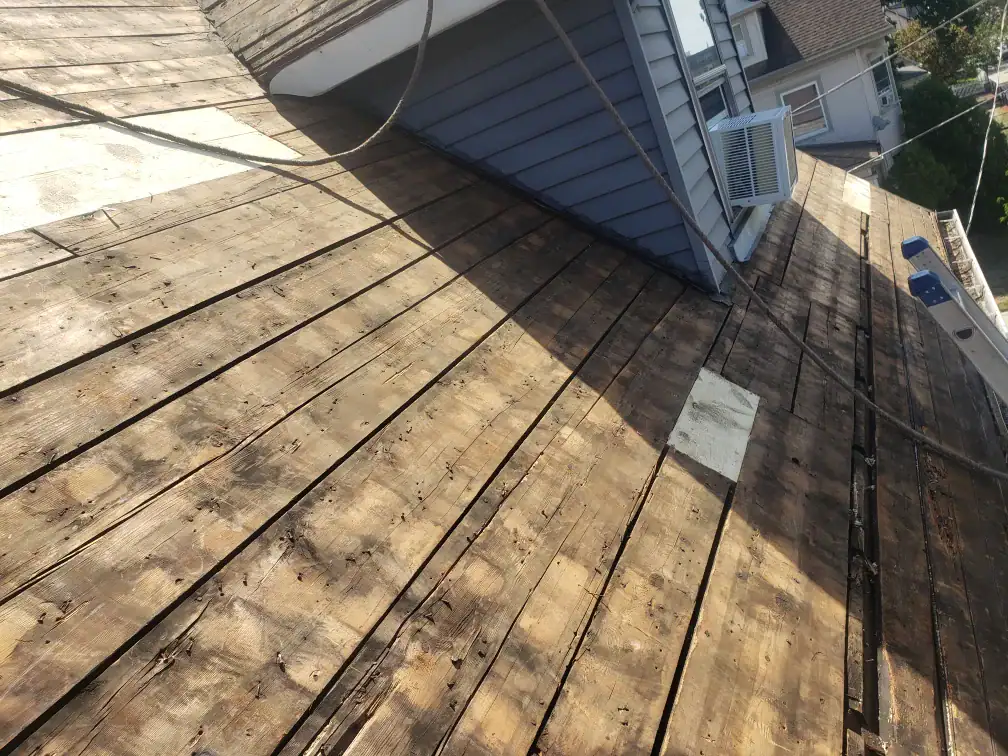
You’re not looking at your siding every day, but it’s working every day. When it’s clean and inspected regularly, it lasts decades instead of needing replacement in fifteen years.
Nottingham homes deal with humidity, temperature swings, and shade from trees. That’s the perfect recipe for mold and mildew removal becoming necessary. Once that growth starts, it doesn’t just look bad—it eats into the material itself, shortening your siding’s lifespan and creating bigger problems down the road.
Cleaning vinyl siding in Nottingham, NH the right way means you’re not just improving curb appeal. You’re catching small cracks before they let moisture behind the panels. You’re removing organic growth before it causes staining that won’t come out. You’re getting another five to ten years out of an investment that cost you thousands.
Most vinyl siding lasts twenty to thirty years with proper care. Without it, you’re looking at premature replacement, higher energy bills from poor insulation, and potential structural issues if water gets where it shouldn’t.
We’ve been handling exterior work in the Nottingham area for over a decade. We’re an Owens Corning Preferred Contractor, which means we meet specific standards for quality and service—not just anyone gets that designation.
We know what New Hampshire weather does to siding. We’ve seen what happens when homeowners skip maintenance or try power washing at pressures that damage vinyl. We’ve also seen how much money gets saved when someone invests in regular inspections and proper cleaning instead of emergency repairs.
Your home is in Nottingham for a reason. You want it to hold up against the climate here, look good, and not become a constant maintenance headache. That’s what we focus on.
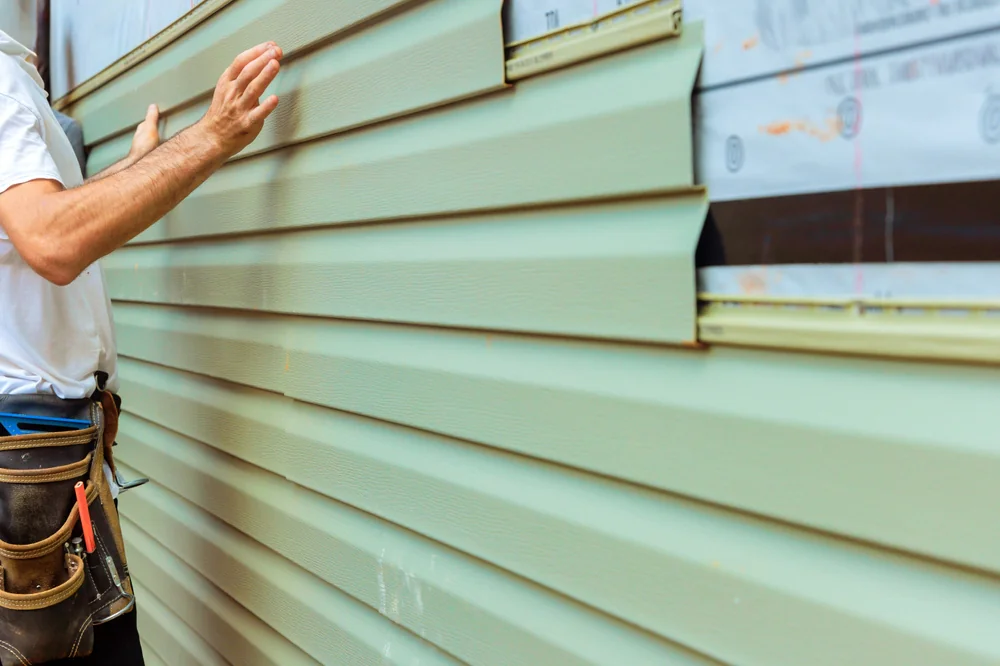
First, we inspect your siding up close. You’re not climbing ladders to check for cracks, loose panels, or early signs of damage—we are. This is where we catch problems while they’re still small and inexpensive to fix.
Next comes cleaning. This isn’t about blasting your siding with high pressure and hoping for the best. We use soft washing for vinyl and fiber cement—low pressure, proper cleaning solutions, and techniques that remove mold and mildew in Nottingham, NH without damaging the surface or forcing water behind your panels.
The difference between power washing vs soft washing matters more than most people realize. High pressure can crack vinyl, strip paint, and push water into places it shouldn’t go. Soft washing gets the same results without the risk.
After cleaning, we do a final check. If we spotted anything during the initial inspection that needs attention—a loose panel, a small crack, signs of moisture intrusion—we’ll walk you through it. You’ll know exactly what’s happening with your siding and what, if anything, needs to be addressed now versus later.
Ready to get started?
You’re getting a full visual inspection of all siding surfaces. We’re looking for cracks, warping, loose sections, and any areas where moisture might be getting through. In Nottingham, NH, homes near wooded areas or with northern exposures tend to have more issues with organic growth—we pay extra attention to those spots.
Cleaning vinyl siding in Nottingham, NH means treating the surface properly. We’re removing dirt, algae, mildew, and stains without using pressure that damages the material. For tougher organic growth, we use solutions designed specifically for mold and mildew removal that won’t harm your landscaping or the siding itself.
Our siding inspection checklist covers more than just what you can see from the ground. We check around windows, doors, and trim where water intrusion is most common. We look at caulking and seals. We examine areas where different materials meet, because that’s where problems usually start.
If your siding is insulated vinyl, we’re also checking that the insulation backing is intact and doing its job. Insulated vinyl can increase your home’s R-value significantly, but only if it’s properly maintained. Damaged or compromised insulation means you’re losing energy efficiency and paying more to heat and cool your home.
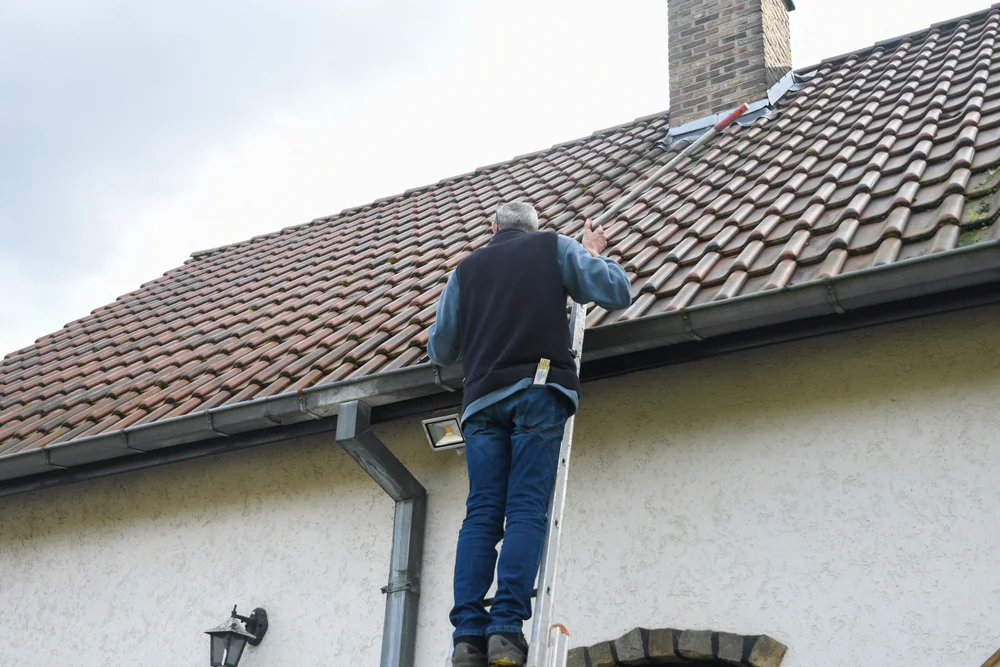
Most Nottingham homes need professional cleaning once a year. If your house is in a shaded area, near trees, or on the north side where it doesn’t get much sun, you might need it every six months.
The reason is simple: mold and mildew grow faster in damp, shaded conditions. Nottingham’s humidity and temperature fluctuations create an environment where organic growth happens quickly. Once it starts, it spreads.
Annual cleaning keeps growth from establishing itself. It also gives you a regular opportunity to inspect the siding up close and catch small issues before they become expensive repairs. Think of it like changing your oil—it’s maintenance that prevents bigger problems.
Power washing uses high pressure to blast away dirt and grime. Soft washing uses low pressure and specialized cleaning solutions to break down and remove contaminants without damaging the surface.
For vinyl siding, high pressure is risky. It can crack panels, create dents, cause warping, and force water behind the siding where it leads to mold growth and structural damage. Vinyl isn’t as tough as people think—it’s designed to shed water, not withstand concentrated force.
Soft washing gets your siding just as clean without the risk. The cleaning solutions do the work instead of the pressure. It takes slightly longer, but it’s the right way to clean vinyl, fiber cement, and most other siding materials without causing damage that costs you money down the road.
You can clean your own siding if you know what you’re doing and have the right equipment. Most homeowners don’t, and that’s where problems start.
The biggest mistakes are using too much pressure, using the wrong cleaning solutions, and not being able to safely reach second-story sections. We’ve seen plenty of siding that got damaged by well-meaning DIY attempts—cracked panels, stripped paint, water damage behind the siding.
If you’re going to do it yourself, use low pressure, avoid harsh chemicals, and don’t try to reach areas that require a ladder taller than you’re comfortable with. If your siding has mold or mildew, if it’s been more than a year since it was last cleaned, or if you’re not confident in the process, hiring a professional saves you money compared to fixing damage from doing it wrong.
Look for cracks, loose panels, warping, or areas where the siding has pulled away from the house. Check around windows and doors for gaps or separation. If you see water stains on interior walls, that’s a sign water is getting through somewhere.
In Nottingham, NH, freeze-thaw cycles cause a lot of siding damage. Water gets into small cracks, freezes, expands, and makes the crack bigger. By spring, what was a hairline crack in fall is now a real problem.
Mold and mildew on the surface isn’t necessarily damage, but it can lead to it if left untreated. The organic growth holds moisture against the siding, which accelerates deterioration. During a professional inspection, we’re looking at all these factors and checking areas you can’t easily see from the ground.
Black streaks are usually algae, mold, or mildew. They grow in damp, shaded areas and spread over time. The streaks you’re seeing aren’t just cosmetic—they’re organic growth that’s actively breaking down the surface of your siding.
Artillery fungus is another common cause of black spots on siding, especially if you have mulch near your house. It shoots spores that stick to siding and are extremely difficult to remove once they’ve been there for a while.
Regular cleaning prevents both issues. Once the stains set in, they become harder to remove without damaging the siding. If you’re seeing black streaks, it means organic growth has been there long enough to establish itself. Getting it cleaned now prevents deeper staining and potential damage to the siding material underneath.
Yes. Vinyl siding typically lasts twenty to thirty years, but with proper maintenance, it can last up to fifty years. The difference is whether you’re actively preventing damage or just letting it accumulate until replacement is necessary.
Regular cleaning removes organic growth that holds moisture against the siding and accelerates deterioration. Inspections catch small problems—a loose panel, a crack, failing caulk—before they let water behind the siding where it causes structural damage.
In Nottingham, NH, where weather extremes are normal, maintenance matters even more. Your siding is dealing with freezing temperatures, snow, ice, humidity, and UV exposure. Each of those factors wears down the material over time. Maintenance doesn’t stop wear, but it slows it down significantly and catches damage early when repairs are still simple and affordable.
Other Services we provide in Nottingham