Hear from Our Customers
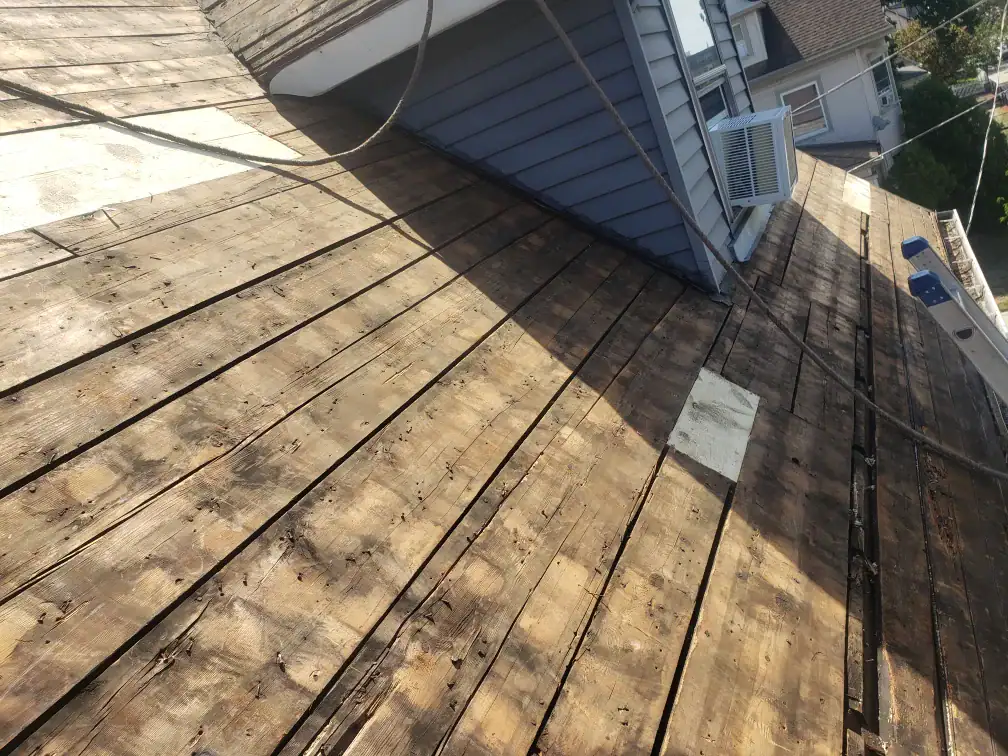
You’re not just keeping your house clean. You’re stopping moisture before it turns into mold, rot, or a five-figure repair bill.
New Castle gets 48 inches of precipitation every year. That’s a lot of water hitting your siding, sitting in the cracks, and working its way behind the boards when you’re not looking. Add in freeze-thaw cycles, salt air from the coast, and north-facing walls that never fully dry out, and you’ve got the perfect recipe for algae, mildew, and structural damage.
Regular siding maintenance in New Castle, NH catches the small stuff before it becomes the expensive stuff. Hairline cracks in caulk. Loose trim. Mold starting to take hold on shaded sections. When you stay ahead of it, your siding lasts longer, your energy bills stay lower, and your home looks like someone actually takes care of it.
We work with homeowners in New Castle, NH who want their siding maintained the right way. Not the fastest way. Not the cheapest way. The way that actually protects your investment.
We’re an Owens Corning Preferred Contractor, which means we meet standards most companies don’t bother with. We understand how coastal humidity and New England winters affect your siding differently than homes 20 miles inland. And we know that cleaning vinyl siding in New Castle, NH requires a softer touch than pressure washing—because blasting your siding with high pressure might look satisfying, but it can crack seals, force water behind panels, and shorten the lifespan of your exterior.
You’re not hiring a crew that learned siding maintenance from YouTube. You’re working with people who’ve seen what happens when it’s done wrong, and who know how to do it right.
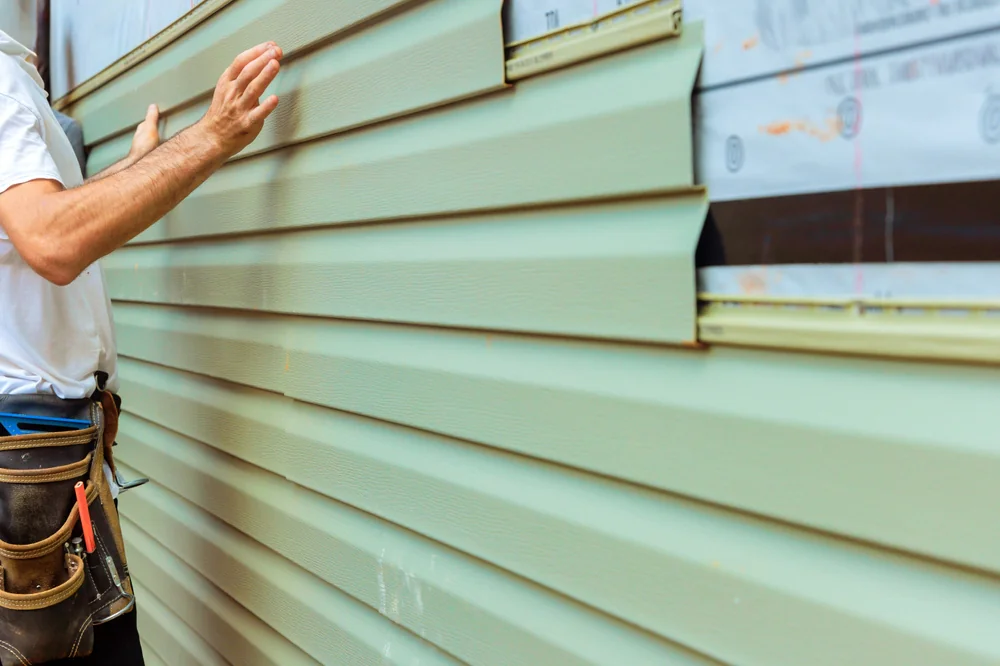
We start with a full siding inspection checklist. That means walking your property and looking for damage you might not notice from the ground—loose panels, failing caulk, areas where water’s getting in, or sections where mold and mildew removal in New Castle, NH is already overdue.
Then we clean. Most of the time, that means soft washing, not pressure washing. Soft washing uses low-pressure water and biodegradable cleaning solutions that kill mold, mildew, and algae at the root. It’s safer for your siding, and it keeps your home cleaner for longer because we’re not just rinsing off the surface—we’re treating the problem.
If we find damage during the inspection, we’ll tell you. Small repairs now save you from big replacements later. After cleaning, we check caulk lines, trim, and seals to make sure everything’s tight before the next storm rolls in. The whole process is designed to extend the life of your siding and keep your home protected from New England’s weather without guessing or cutting corners.
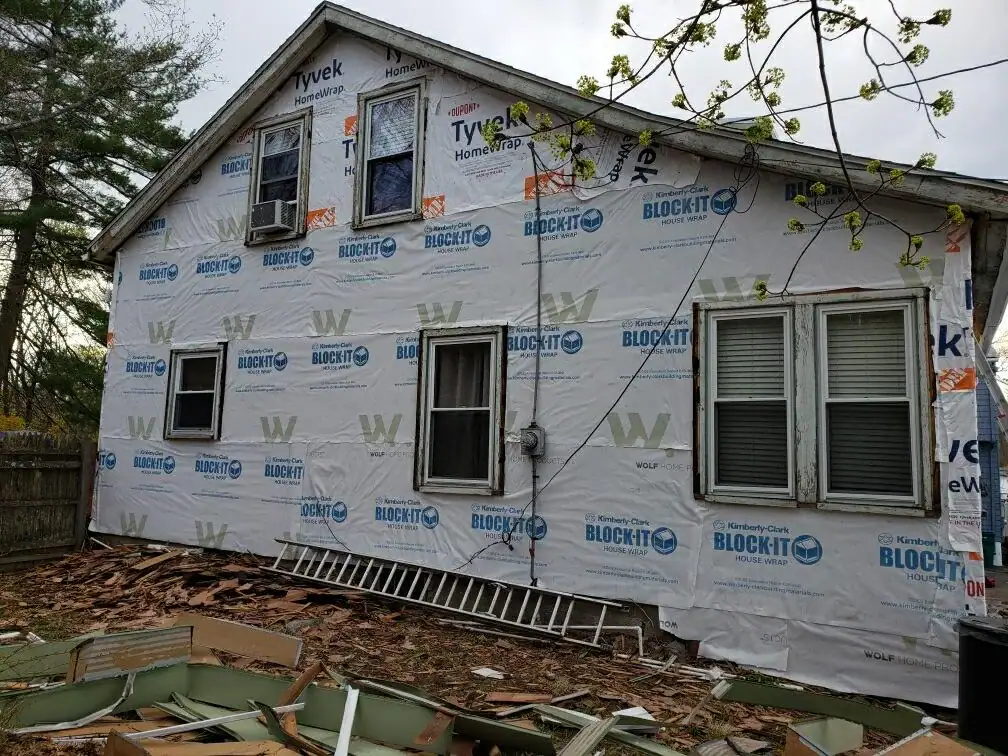
Ready to get started?
You’re getting a full inspection before we touch anything. That includes checking for cracks, gaps, loose sections, and any signs that moisture is already doing damage behind the scenes. Even small openings let water in, and in New Castle, NH, where humidity stays high and freeze-thaw cycles are brutal, that water turns into mold, rot, or worse.
You’re also getting the right cleaning method. Power washing vs soft washing isn’t just preference—it’s about what your siding can handle. Vinyl, fiber cement, and engineered wood all react differently to pressure. Too much force and you’re looking at cracked seals, water intrusion, and a shorter lifespan. Soft washing removes dirt, organic growth, and buildup without damaging your siding or voiding manufacturer warranties.
We focus on the trouble spots most homeowners miss. North-facing walls that stay damp. Areas under eaves where debris piles up. Seams and trim where caulk starts to fail. And if your home was built in the early 1900s like many in New Castle, we’re checking for outdated materials and aged components that need extra attention. This isn’t a one-size-fits-all rinse job. It’s maintenance that’s built around your home and your location.
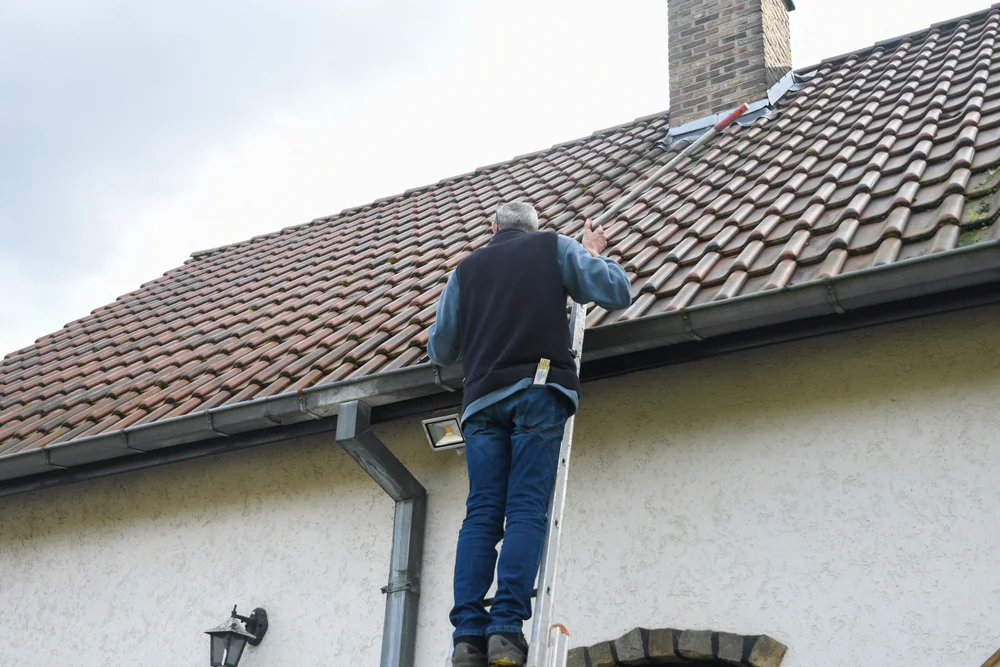
Most experts recommend professional cleaning every 6 to 12 months, but in New Castle, NH, you’re dealing with coastal humidity, salt air, and consistent precipitation. That means your siding gets dirtier faster and stays wet longer, especially on north-facing walls.
If you’re seeing visible mold, mildew, or algae streaks, you’re already overdue. If your siding just looks dull or dirty, you’re right on schedule. The goal is to clean before organic growth takes hold, because once mold and mildew set in, they’re harder to remove and they start breaking down your siding’s protective layers.
Late fall is a smart time to schedule cleaning. You’re removing dirt and debris before winter, which means fewer places for moisture to hide when temperatures drop. Spring is another good window, especially if you want to tackle pollen buildup and check for any damage that happened over the winter months.
Power washing uses high-pressure water to blast away dirt. Soft washing uses low-pressure water mixed with specialized cleaning solutions that kill mold, algae, and mildew at the source. The difference matters because vinyl siding isn’t designed to handle high pressure.
When you power wash vinyl siding, you risk cracking seals, forcing water behind panels, and loosening trim. You might get it clean in the short term, but you’re also shortening its lifespan and creating entry points for moisture. In New Castle, NH, where freeze-thaw cycles are common, that trapped moisture expands when it freezes and causes even more damage.
Soft washing avoids all of that. The cleaning solution does the work, not the pressure. It kills organic growth, removes stains, and keeps your siding cleaner for longer because it treats the problem instead of just rinsing it off. Most manufacturers recommend soft washing over power washing, and it’s what we use unless your siding material specifically calls for something different.
Yes, but not in the way most people think. Clean siding doesn’t directly insulate your home better, but siding maintenance in New Castle, NH catches the gaps, cracks, and failing seals that let conditioned air escape.
When we inspect your siding, we’re looking for places where caulk has failed, where trim has pulled away, or where panels have loosened. Those are the spots where air leaks out in the winter and seeps in during the summer. Fixing them means your heating and cooling systems don’t have to work as hard, and that shows up in lower energy costs.
Mold and mildew also break down siding materials over time, which reduces their ability to protect your home from the elements. Regular cleaning and maintenance keeps your siding performing the way it’s supposed to, which supports better insulation and energy efficiency. If you’ve noticed a sudden spike in your energy bills, it’s worth having someone check your siding for damage or air leaks before the problem gets worse.
Start with the obvious: cracks, holes, loose panels, or sections that look warped or discolored. Those are signs of damage that need immediate attention. But the real problems are usually smaller and harder to spot from the ground.
Check your caulk lines around windows, doors, and trim. If the caulk is cracked, peeling, or missing, water is getting in. Look at corners and seams where two pieces of siding meet—those are common failure points. Pay attention to north-facing and east-facing walls, which stay shaded and humid longer after rain. That’s where mold and mildew show up first.
If you’re seeing green or black streaks, that’s algae or mold. If your siding feels soft or spongy when you press on it, that’s rot, and it means moisture has been sitting there for a while. A full siding inspection checklist also includes checking for pest damage, looking at the condition of your soffit and fascia, and making sure your gutters are directing water away from your siding instead of onto it. Most of this is easier to see after a cleaning, which is why inspection and maintenance go hand in hand.
It depends on how long it’s been there and whether it’s just on the surface or growing underneath. Surface mold is common in New Castle, NH because of the humidity and precipitation. It’s unsightly, but it’s not an emergency if you catch it early.
The problem is when mold gets behind your siding. Once it’s in there, it starts breaking down the materials, causing rot, and spreading to your sheathing or framing. At that point, you’re not just looking at cleaning—you’re looking at repairs or replacement. And mold doesn’t stay in one spot. It spreads, especially in damp, shaded areas that never fully dry out.
Mold and mildew removal in New Castle, NH should happen as soon as you notice it. Soft washing with the right cleaning solution kills mold at the root and prevents it from coming back as quickly. If the mold keeps returning in the same spot, that’s a sign there’s a moisture problem behind the siding that needs to be addressed. Ignoring it doesn’t make it go away—it just gives it more time to do damage you can’t see yet.
You can clean your own siding if you’re comfortable on a ladder, you know how to wash house siding without damaging it, and you have the right tools. But most homeowners either use too much pressure, miss the trouble spots, or don’t treat the mold and mildew properly, which means it comes back faster.
If you’re going to do it yourself, use a soft brush or a low-pressure garden hose with a cleaning solution designed for siding. Work from bottom to top to avoid streaking, and rinse thoroughly. Don’t use a pressure washer unless you know exactly what you’re doing, because it’s easy to crack seals, force water behind panels, or damage trim.
The bigger issue is safety. Cleaning two-story homes or sections with steep rooflines means spending time on ladders, and the risks add up fast. Professional siding maintenance in New Castle, NH also includes a full inspection, which catches damage you might not notice until it’s too late. If your siding hasn’t been cleaned in over a year, if you’re seeing mold or algae, or if you’re not sure what condition it’s in, hiring someone who knows what they’re doing is worth it.
Other Services we provide in New Castle