Hear from Our Customers
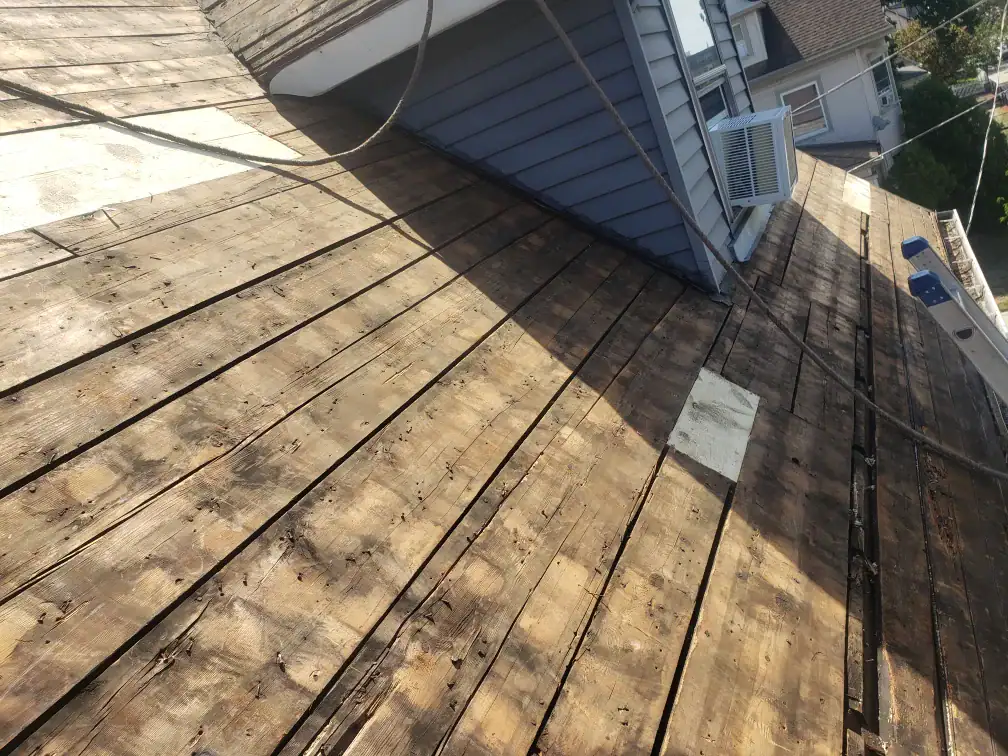
Your siding isn’t just there to look good. It’s your home’s first defense against moisture, temperature swings, and everything New Hampshire throws at it.
When you stay on top of maintenance, you’re preventing water from sneaking behind panels where it causes rot and mold. You’re catching cracks before freeze-thaw cycles turn them into bigger problems. You’re removing the organic buildup that traps moisture against your home’s exterior.
Clean, well-maintained siding also keeps your energy bills in check. When dirt and mildew build up, they can compromise the thermal performance you paid for. Regular cleaning and inspection mean your siding continues doing what it was designed to do—protect your investment and keep your home comfortable year-round.
We’ve served homeowners across the Massachusetts and New Hampshire region for over a decade. We’re an Owens Corning Preferred Contractor, which means we’ve met strict standards for quality work and customer service.
Lyndeborough homes face specific challenges. Your older housing stock—most built around 1979—needs attention from someone who understands how New England weather affects different siding materials over time. We’ve seen what happens when maintenance gets skipped, and we know how to prevent it.
We’re not the cheapest option, and that’s intentional. You’re getting experienced crews who know the difference between proper soft washing and damaging power washing techniques. You’re getting inspections that actually catch problems before they escalate.
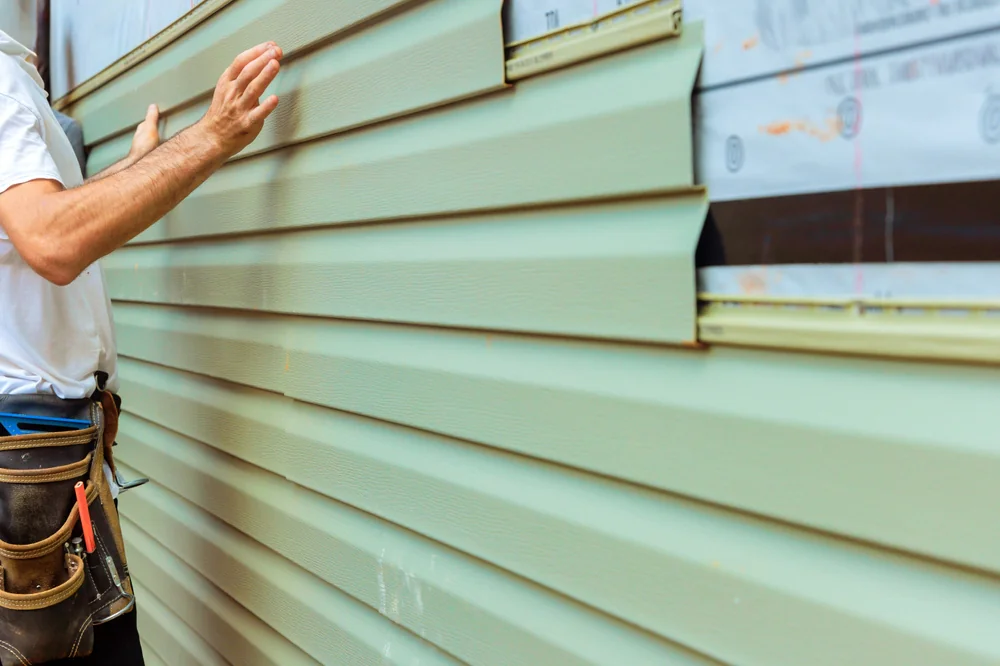
We start with a thorough inspection of your siding. We’re looking for cracks, loose panels, failed caulking, and any signs of moisture intrusion. This happens before any cleaning because we need to know what we’re working with.
Next comes the cleaning process. For vinyl siding in Lyndeborough, we use soft washing techniques—low pressure application under 500 PSI combined with cleaning solutions that actually kill mold and mildew at the root. This is safer than high-pressure washing, which can force water behind your siding and create the exact problems you’re trying to prevent.
We pay special attention to areas under eaves and overhangs where rain doesn’t naturally wash away buildup. These spots collect organic matter that holds moisture against your siding. After cleaning, we do a final inspection to document the condition of your siding and flag anything that needs repair or closer monitoring. You get a clear picture of where your siding stands and what, if anything, needs attention next.
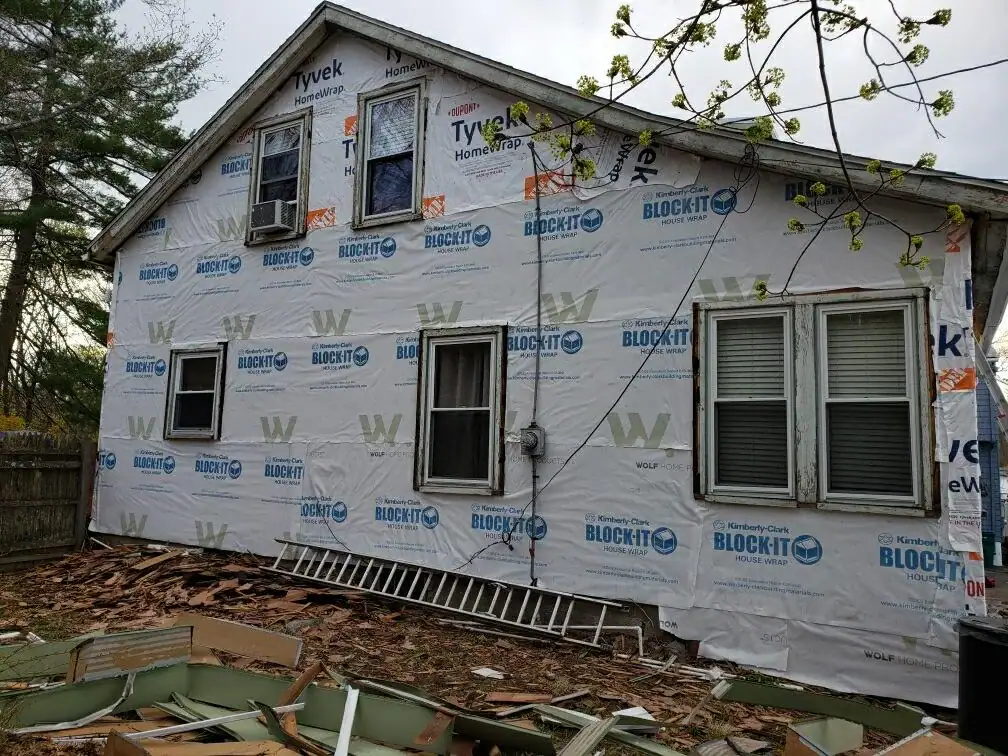
Ready to get started?
Our siding maintenance service covers the full scope of what your home needs. We inspect every accessible panel for cracks, warping, or separation. We check caulking around windows, doors, and trim where water typically finds its way in.
The cleaning process addresses mold and mildew removal in Lyndeborough specifically—our humid summers create perfect conditions for growth, and we use solutions designed to prevent regrowth, not just mask the problem temporarily. We clean away pollen, sap, and organic debris that accumulates throughout the year.
You also get documentation. We note areas of concern, take photos of problem spots, and give you a realistic timeline for when repairs might be necessary. This matters in Lyndeborough where your home is likely your largest investment—the median home value here reflects a community that maintains their properties well.
After severe weather events, we recommend additional inspections. New Hampshire’s freeze-thaw cycles, ice dams, and wind-driven rain can compromise even well-maintained siding. Catching damage early means smaller repairs instead of full panel replacements.
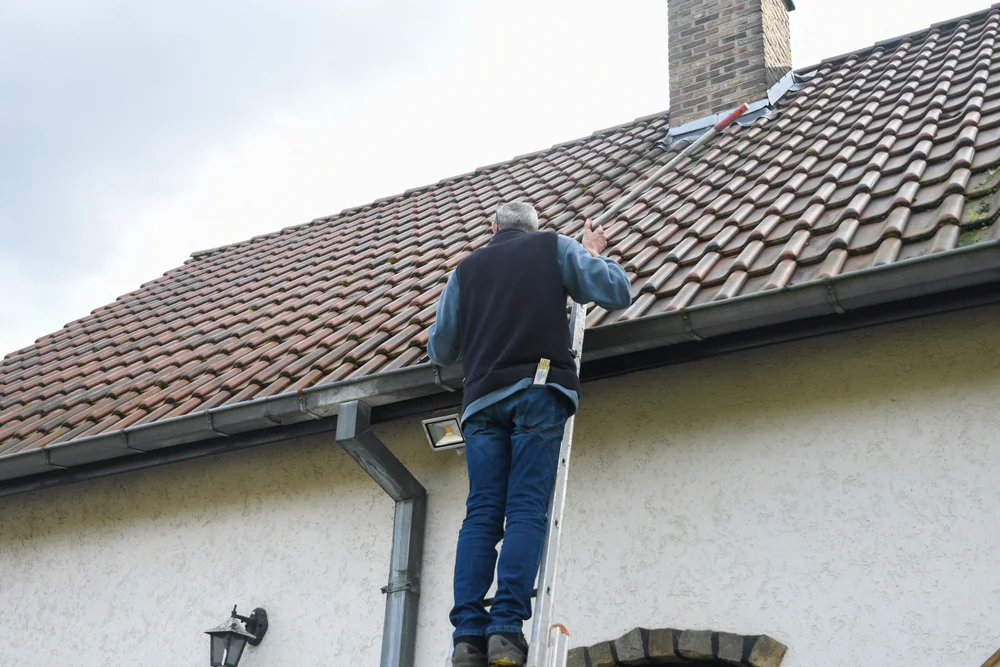
Soft washing is the better choice for vinyl siding, and most manufacturers actually recommend against high-pressure power washing. Here’s why that matters for your home.
Power washers typically operate at 1,300-1,600 PSI or higher. That kind of pressure can force water behind your siding panels, especially at seams and edges. Once water gets back there, you’re looking at potential rot, mold growth, and structural damage you can’t see until it’s expensive to fix.
Soft washing uses pressure under 500 PSI—similar to your garden hose—combined with cleaning solutions that do the actual work. The solution breaks down mold, mildew, and organic buildup at a molecular level. You get better cleaning results without the risk of water intrusion. For Lyndeborough homes dealing with humid summers and harsh winters, keeping moisture out from behind your siding is critical to avoiding costly repairs down the road.
Most homes in Lyndeborough benefit from annual professional cleaning and inspection, with additional checks after severe weather events. Your specific timeline depends on a few factors.
Homes with significant tree coverage or north-facing walls that don’t get much sun tend to develop mold and mildew faster. You might need cleaning twice a year in those cases. Homes in full sun with good drainage can often go 12-18 months between professional maintenance.
New Hampshire’s climate is the bigger factor. Our freeze-thaw cycles, ice dams, and heavy snow loads put stress on siding that homes in milder climates don’t face. An annual inspection catches small cracks before winter turns them into bigger problems. It also removes the organic buildup that holds moisture against your siding through our humid summers. Think of it like changing your oil—small, regular maintenance prevents major repairs.
Effective mold and mildew removal in Lyndeborough requires killing the growth at its source, not just washing away what you can see on the surface. Here’s the approach that actually works.
Professional-grade cleaning solutions contain mold-killing agents that break down the fungal structure. We apply these at low pressure, let them dwell on the surface to penetrate the growth, then rinse thoroughly. This kills the roots and spores, which helps prevent regrowth.
DIY approaches using bleach and water can remove surface staining, but they often don’t kill the underlying growth. You’ll see the mold come back within weeks. Vinegar solutions work better than bleach for actually killing mold, but they’re not strong enough for heavy growth. The other issue is application method—if you’re using a pressure washer without understanding proper technique, you risk forcing water behind your siding panels. That creates the exact damp environment where mold thrives. Professional mold and mildew removal addresses both the visible growth and the conditions that caused it.
The difference comes down to structural integrity versus surface buildup. Cleaning fixes cosmetic issues. Repair fixes problems that compromise your siding’s ability to protect your home.
Look for cracks, holes, or panels that have warped or pulled away from the wall. Check if caulking around windows and doors has failed—you’ll see gaps or cracking. Feel for soft spots that might indicate moisture damage behind the siding. These are repair issues that cleaning won’t solve.
Discoloration, mold, mildew, and general dirt buildup are cleaning issues. If your siding is structurally sound but looks bad, professional cleaning will restore it. During our siding inspection checklist process, we document both categories. You get a clear picture of what needs immediate repair, what needs monitoring, and what just needs a good cleaning. For Lyndeborough’s older housing stock, this distinction matters—many homes here have siding that’s structurally fine but looks worse than it actually is due to years of buildup.
You can handle basic maintenance yourself if you’re comfortable on a ladder and understand the risks. Professional service makes sense when you want thorough results without the potential for damage.
DIY cleaning works for light dirt and pollen using a garden hose, soft-bristled brush, and mild detergent. You can mix your own solution with water and vinegar for minor mold spots. The key is keeping pressure low and never spraying upward under panel edges where water can get trapped.
Where homeowners run into trouble is with pressure washers. It’s easy to use too much pressure or the wrong nozzle angle and force water behind your siding. You also might miss problem areas during inspection—small cracks or failed caulking that turn into bigger issues over time. Professional cleaning includes a full inspection, proper equipment, and solutions that actually prevent regrowth rather than just removing surface stains. For homes in Lyndeborough dealing with New England’s weather extremes, the cost of professional maintenance is usually less than fixing damage caused by improper DIY cleaning or missed problems.
New Hampshire’s freeze-thaw cycles are the biggest threat to your siding’s longevity. Water gets into small cracks, freezes, expands, and turns minor damage into major problems. This happens repeatedly throughout our winters.
Ice dams create another issue. When snow melts and refreezes at your roofline, water can back up under siding panels. You won’t see this happening, but over time it leads to rot and mold growth behind your siding. Our humid summers then create perfect conditions for mold and mildew on siding surfaces, especially on north-facing walls that stay damp.
UV exposure breaks down siding materials gradually. Wind-driven rain tests the integrity of every seam and joint. The combination of extreme cold, moisture, heat, and UV means your siding in Lyndeborough works harder than siding in moderate climates. Regular maintenance catches weather damage early—before a small crack becomes a rotted wall cavity, before minor mold growth spreads behind panels, before failed caulking lets water into places it shouldn’t be. That’s why annual inspection and cleaning matters more here than in areas with gentler weather.
Other Services we provide in Lyndeborough