Hear from Our Customers
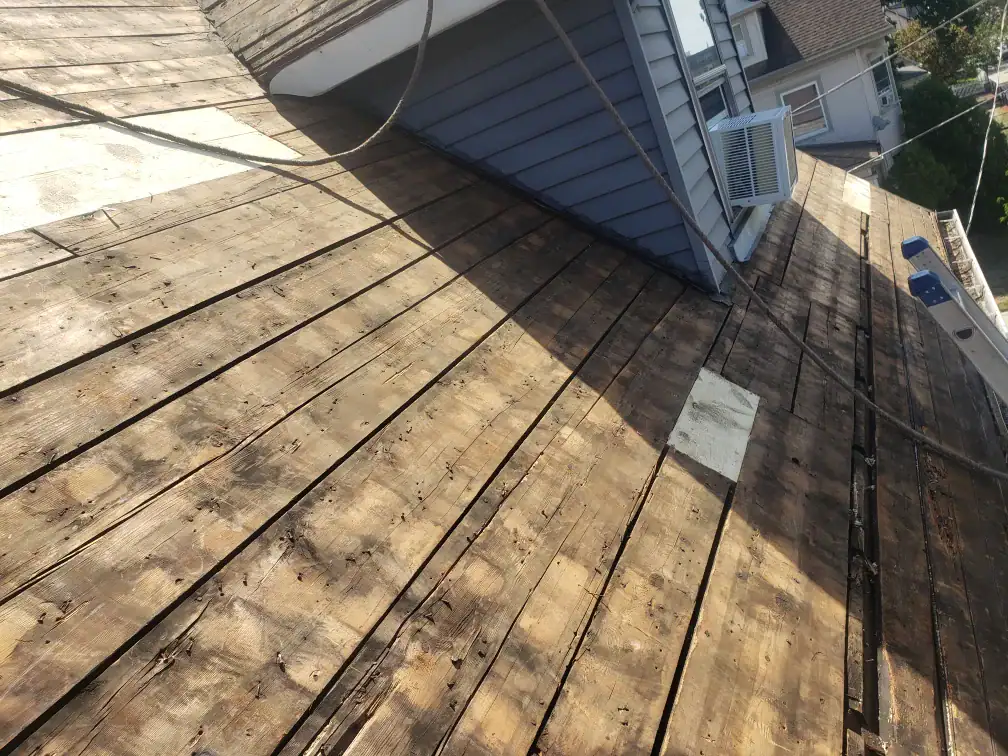
You’re looking at green streaks on your siding. Maybe black spots near the foundation. It’s not just dirt—it’s algae, mold, and mildew thriving in Massachusetts’ humid climate. Left alone, that growth works its way behind your siding and starts rotting the wood underneath.
Professional siding maintenance in Lincoln, MA stops that cycle. We use soft washing methods that kill organic growth down to the spores, not just blast it off temporarily. Your siding stays clean four to six times longer than pressure washing alone.
The real benefit? You’re not just cleaning your house. You’re preventing moisture intrusion that leads to structural damage, protecting a home worth over $1.3 million on average in Lincoln. That’s not maintenance—that’s preservation.
We’ve served Massachusetts homeowners for nearly two decades. We’re an Owens Corning Preferred Contractor, which means we meet strict standards for quality and customer service—not just once, but consistently.
Lincoln homes present specific challenges. Many were built between the 1940s and 1960s, mixing historic charm with modern materials. We understand how to clean vinyl siding in Lincoln, MA without damaging older trim, how to handle wood siding that needs gentler treatment, and when soft washing beats pressure washing every time.
You’re not getting a crew that shows up with a pressure washer and hopes for the best. You’re getting professionals who know the difference between cleaning methods and why that matters for your specific siding material.
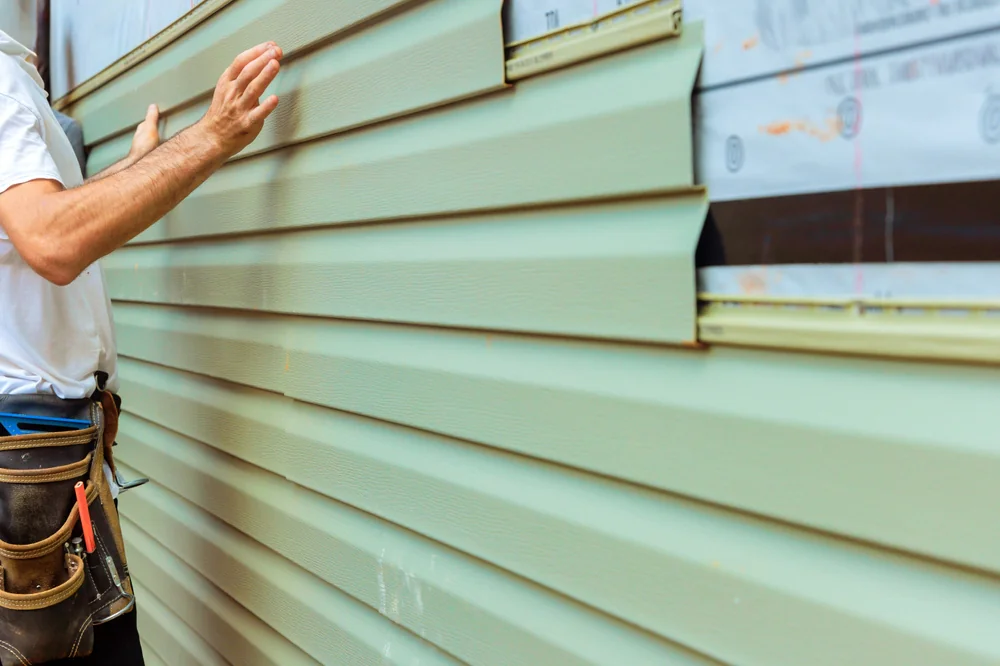
First, we inspect your siding. We’re looking for existing damage, identifying your siding material, and checking for areas where water might be getting behind the surface. This matters because it changes our approach.
Next comes the actual cleaning. For most vinyl siding in Lincoln, MA, we use soft washing—low pressure with specialized cleaning solutions that break down organic growth. We’re not blasting your siding with 3,000 PSI and hoping it survives. We’re applying the right amount of pressure for your specific material, whether that’s vinyl, wood, Hardie board, or cedar shingles.
We clean your soffits, fascia, gutters, and downspouts at the same time. Mold doesn’t stop at arbitrary boundaries, so neither do we. The cleaning solution does most of the work, killing growth at the root level while we control the application.
After cleaning, we do a final walkthrough with you. You see the results, we address any concerns, and you know exactly what was done. No surprises, no upselling, no pressure to add services you don’t need.
Ready to get started?
You get a complete siding inspection checklist in Lincoln, MA before we start. We document existing damage, identify problem areas, and explain what we’re seeing in plain language. No technical jargon, no manufactured urgency.
The cleaning itself covers all exterior siding surfaces, plus soffits, fascia, gutters, and downspouts. We’re treating the whole system because that’s how moisture and mold actually spread. Cleaning just the siding while leaving contaminated gutters makes no sense.
For Lincoln’s climate specifically, this matters more than you might think. Your area sees high humidity, significant temperature swings, and enough rainfall to create perfect conditions for organic growth. Homes here need mold and mildew removal in Lincoln, MA at least annually—sometimes more often if you’re in a heavily shaded area or near water.
We use cleaning solutions that are safe for your landscaping, your pets, and your family. The chemicals break down organic matter but don’t harm plants or grass when applied correctly. That’s the difference between professional application and DIY attempts that kill your shrubs.
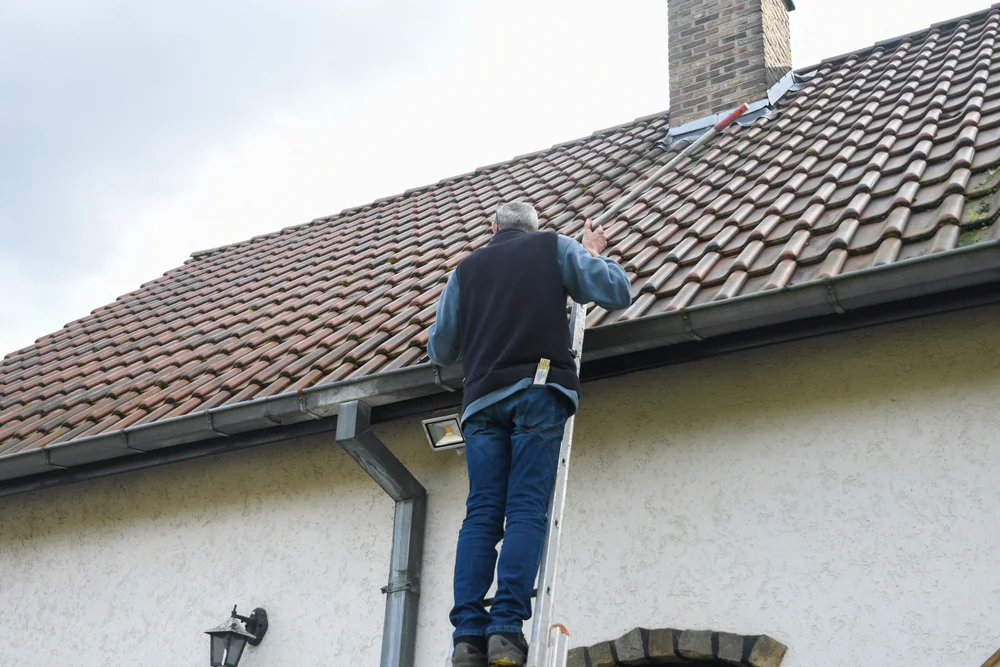
Soft washing works better for vinyl siding in Lincoln, MA, and here’s why. Power washing uses high pressure—often 2,000 to 3,000 PSI—to blast dirt and growth off surfaces. That pressure can crack vinyl, force water behind your siding, and strip paint from trim. You might get immediate results, but you’re also creating entry points for moisture.
Soft washing uses low pressure (under 500 PSI) combined with specialized cleaning solutions. The chemicals do the actual work, killing mold, mildew, and algae down to the spores. You’re not just removing visible growth—you’re eliminating what causes it to come back quickly.
The practical difference? Soft washing keeps your siding cleaner four to six times longer than pressure washing alone. You’re spending less on repeated cleanings, and you’re not risking damage to your siding or voiding manufacturer warranties. Most vinyl siding warranties specifically prohibit high-pressure washing.
Most Lincoln homes need professional siding maintenance annually. Massachusetts’ humid climate creates ideal conditions for algae, mold, and mildew growth. You’re dealing with significant rainfall, temperature fluctuations, and humidity levels that organic growth loves.
Some homes need more frequent cleaning. If your house sits in heavy shade, near water, or surrounded by trees, you might see growth return within six to eight months. North-facing walls get less sun exposure and stay damp longer, which accelerates contamination.
The real question isn’t just frequency—it’s prevention. Regular cleaning stops organic growth before it works its way behind your siding. Once moisture gets into your wall cavity, you’re looking at structural damage, not just cosmetic issues. Annual maintenance costs a few hundred dollars. Repairing water damage and replacing rotted sheathing costs thousands. The math isn’t complicated.
Those black streaks are artillery fungus or mold, and they need specific treatment. Artillery fungus shoots spores that stick to siding like tar—they don’t wash off easily. Mold creates dark streaking that spreads over time.
For mold, soft washing with the right cleaning solution breaks down the growth and kills spores. You’re not scrubbing or blasting—you’re applying chemicals that do the work, then rinsing at low pressure. This method removes the streaks without damaging your siding.
Artillery fungus is tougher. The spores bond to siding surfaces and resist normal cleaning. Professional removal often requires careful scraping combined with cleaning solutions, and even then, some staining might remain. The key is catching it early before spores multiply across your entire house. If you’re seeing black spots that won’t rinse off with a garden hose, you’re probably dealing with artillery fungus, and DIY methods rarely work well.
Yes, and faster than most homeowners realize. Mold, mildew, and algae aren’t just cosmetic problems. They hold moisture against your siding, creating constant dampness that degrades materials over time. Vinyl becomes brittle, wood starts rotting, and paint fails prematurely.
The bigger issue is what happens behind your siding. When organic growth works into seams, cracks, or gaps around windows and doors, moisture follows. That water gets into your wall cavity, soaking insulation and sheathing. You won’t see this damage until it’s extensive—and expensive.
Lincoln’s climate makes this worse. You’re getting humidity, rain, and temperature swings that accelerate deterioration. A home worth $1.3 million on average deserves protection from preventable damage. Regular siding maintenance stops moisture intrusion before it becomes structural failure. The alternative is discovering rotted sheathing during a renovation and spending tens of thousands on repairs that proper maintenance would have prevented.
Start with obvious damage: cracks, holes, warping, or loose panels. These create entry points for water and need immediate repair. Check around windows, doors, and corners where siding meets trim—these are common failure points.
Look for organic growth: green or black streaks, fuzzy patches, or discoloration. This indicates mold, mildew, or algae that’s actively degrading your siding. Pay special attention to north-facing walls and shaded areas where moisture lingers.
Check your caulking around windows, doors, and trim. Cracked or missing caulk lets water behind your siding. Look at the bottom edge of your siding near the foundation—this area stays damp and shows problems first. If you see bubbling paint, peeling, or soft spots, water is already getting in.
A professional siding inspection checklist in Lincoln, MA goes deeper. We check behind accessible areas, look for signs of moisture intrusion inside your home, and identify problems before they become visible damage. Most homeowners catch issues too late because they don’t know what early warning signs look like.
The cost comparison isn’t straightforward. Renting a pressure washer runs $50 to $100 per day. Buying cleaning solutions adds another $30 to $50. You’ll spend four to eight hours doing the work yourself, and results typically last three to six months before growth returns.
Professional soft washing costs more upfront—usually $300 to $600 for an average home—but results last 12 to 18 months. You’re getting proper cleaning solutions, correct pressure levels for your specific siding material, and someone who carries liability insurance if something goes wrong.
Here’s what really matters: DIY pressure washing mistakes cost thousands to repair. Cracked vinyl siding, forced water intrusion, stripped paint, and damaged trim are common results when homeowners use too much pressure or wrong techniques. We see these repairs regularly. One homeowner in Lincoln spent $4,500 fixing water damage after DIY pressure washing forced water behind his siding. Professional cleaning would have cost $450. The math isn’t about the service cost—it’s about avoiding expensive mistakes while getting longer-lasting results.