Hear from Our Customers
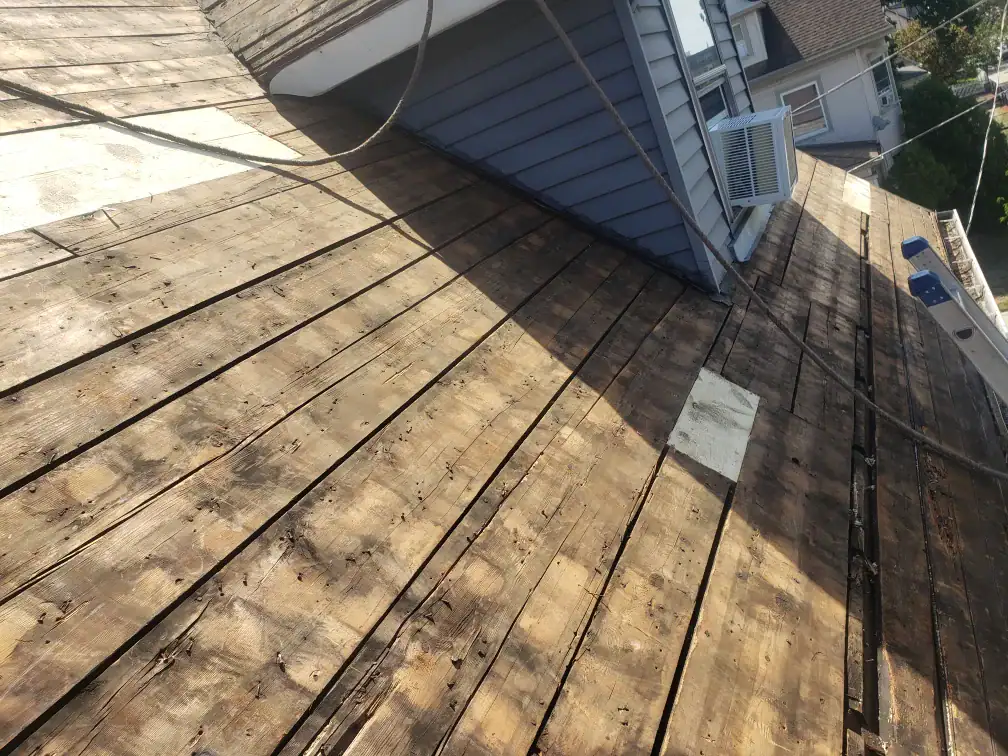
You check your siding after every nor’easter. You see the streaks, the green spots forming near the foundation, maybe some loose panels that weren’t there last season.
That’s coastal living. Salt doesn’t just sit on your siding—it works its way into seams, holds moisture, and accelerates wear. Mold and mildew love the humidity here. One season of neglect turns into two, and suddenly you’re looking at replacement costs instead of maintenance costs.
Regular siding maintenance in Hampton Beach, NH means catching problems while they’re still small. A proper cleaning twice a year removes salt buildup and organic growth before they compromise your siding’s integrity. An inspection catches loose panels, failed caulking, and early signs of moisture intrusion. You get ahead of the damage instead of reacting to it.
Your home stays protected. Your energy bills stay predictable. And you stop wondering if the next storm is going to be the one that causes real problems.
We’ve spent over a decade working on coastal properties throughout New Hampshire and Massachusetts. We’re Owens Corning Preferred Contractors, which means we meet strict standards for quality and service—not just once, but consistently.
We know what Hampton Beach homes deal with. The salt air that eats through cheap caulk. The wind-driven rain that finds every gap. The freeze-thaw cycles that turn small cracks into big problems.
Most of our work comes from referrals and repeat customers. That happens when you show up on time, do what you said you’d do, and don’t try to upsell people on work they don’t need. We’re here for the long term, and that means treating your home the way we’d treat our own.
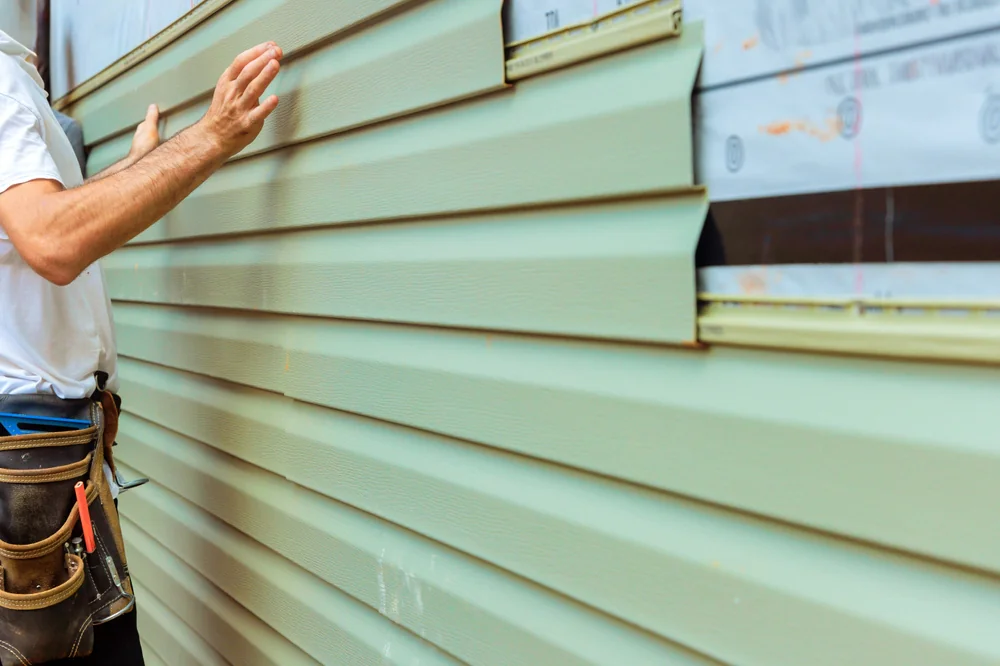
We start with a siding inspection checklist that covers every surface. We’re looking for loose panels, failed caulking, cracks, moisture stains, mold and mildew growth, and any signs that water is getting where it shouldn’t.
Then comes cleaning. This is where most homeowners—and some contractors—get it wrong. Power washing vs soft washing isn’t just preference. High-pressure water can force moisture behind your siding, crack vinyl, and strip paint. Soft washing uses low pressure and the right cleaning solutions to remove salt, organic growth, and grime without damage.
We treat mold and mildew removal as a separate step, not something that happens automatically with a quick spray-down. Different growth requires different approaches, and we match the treatment to what’s actually on your siding.
Any repairs get handled before we leave. Loose panels get reattached. Failed caulking gets replaced. Small issues get fixed before they become expensive ones. You get a clear summary of what we found, what we did, and what to watch for going forward.
Ready to get started?
Vinyl siding here needs cleaning twice a year—spring and fall. That’s not a sales pitch. That’s what it takes to remove salt accumulation and prevent organic growth from taking hold. Once a year might work in other places. It doesn’t work a quarter-mile from the ocean.
Your inspection should cover more than just the siding itself. We check trim, caulking, corner posts, J-channels, and anywhere two materials meet. Those transition points are where water finds its way in. A failed seal around a window can cause more damage than a cracked panel.
Hampton Beach homes also deal with wind-driven sand that acts like sandpaper on your finish. Regular cleaning removes that abrasive buildup before it dulls your siding’s surface. And because your home faces temperature swings from summer heat to winter freezes, expansion and contraction loosen fasteners over time. We check and tighten as needed.
This isn’t about making your siding look nice for the neighbors—though that’s a bonus. It’s about extending the life of a major investment and avoiding the kind of damage that doesn’t show up until it’s already expensive.
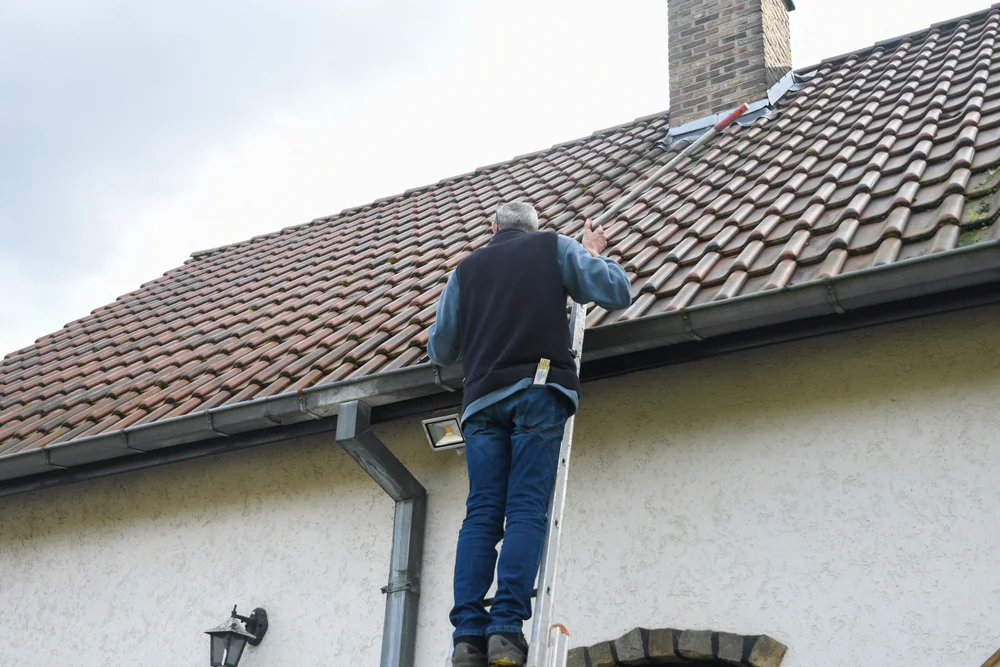
Twice a year works for most coastal homes here—once in spring after winter weather, and once in fall before the cold sets in. That schedule removes salt buildup before it holds moisture against your siding, and it catches storm damage while repairs are still straightforward.
If your home is directly on the beach or gets hit with spray during storms, you might need more frequent attention. Same goes if you have mature trees that drop debris or create shade where mold grows faster. The goal is to clean before buildup becomes a problem, not after.
Some homeowners try to stretch it to once a year. That usually works until it doesn’t. You’ll save money in the short term and spend more later fixing damage that could have been prevented. Coastal homes just have different requirements than inland properties.
Power washing uses high-pressure water—usually 2,000 to 4,000 PSI—to blast away dirt and grime. Soft washing uses low pressure (under 500 PSI) and relies on cleaning solutions to do the actual work. For vinyl siding in Hampton Beach, NH, soft washing is almost always the right choice.
High pressure can force water behind your siding, where it causes mold, rot, and insulation damage you won’t see until it’s serious. It can also crack vinyl, strip paint, and damage caulking. Soft washing removes salt, mold, mildew, and organic stains without those risks.
There are times when higher pressure makes sense—like on concrete or brick—but your siding isn’t one of them. If a contractor shows up with only a pressure washer and no plan for controlled cleaning, that’s a red flag. The right approach depends on what you’re cleaning and what condition it’s in.
You can, but there’s a difference between scrubbing a few spots and actually solving the problem. Mold and mildew grow because moisture is present—either from humidity, poor drainage, or water getting behind your siding. Cleaning the surface treats the symptom. Fixing the moisture issue treats the cause.
If you’re going to do it yourself, use a proper cleaning solution (not just bleach and water), work from bottom to top to avoid streaking, and rinse thoroughly. Never use a stiff brush on vinyl—it can scratch the surface and create more places for growth to take hold.
But if the growth keeps coming back, or if it’s widespread, you’re dealing with a moisture problem that needs more than cleaning. That might mean fixing drainage, repairing caulking, or addressing ventilation issues. A professional siding inspection checklist catches those underlying problems so you’re not just cleaning the same spots every few months.
Walk your property and look for panels that are loose, cracked, or warped. Check caulking around windows, doors, and corners—if it’s cracked or pulling away, water is getting in. Look for any areas where the color has faded dramatically or where the surface feels chalky when you touch it.
Inside your home, check for water stains on walls or ceilings near exterior walls, especially after heavy rain. That’s a sign that your siding isn’t doing its job. You might also notice drafts or higher energy bills, which can mean gaps have developed.
Cleaning removes dirt, salt, and organic growth. It doesn’t fix structural issues, failed seals, or damage from impacts. If you’re seeing actual damage—not just surface grime—you need repairs before the problem spreads. Most siding maintenance in Hampton Beach, NH includes both inspection and cleaning for exactly this reason. You find out what’s wrong while you’re already there taking care of routine care.
Cleaning and inspection for an average home typically runs between $300 and $600, depending on your home’s size, siding condition, and how much growth needs treatment. If repairs are needed, costs go up based on what’s wrong—replacing a few panels and re-caulking might add $200 to $400, while more extensive work costs more.
That’s less than you’ll spend if you skip maintenance and end up with rot, mold, or failed insulation. The average siding repair in this area costs around $870, but it can hit several thousand if damage has spread. Replacement runs $4,000 to $5,000 or more for vinyl siding installation in Hampton Beach, NH.
Regular maintenance isn’t an expense—it’s insurance against much bigger bills later. You’re extending the life of your siding, catching problems early, and avoiding the kind of damage that turns into emergency repairs during the worst possible weather. Most homeowners here schedule service twice a year and budget accordingly. It’s predictable, manageable, and a lot cheaper than the alternative.
Salt air is corrosive and hygroscopic, meaning it attracts and holds moisture. That combination accelerates wear on every exterior surface. Your siding gets coated with salt during storms, and that salt doesn’t just rinse off with rain—it builds up in seams and textures where it holds moisture against the material.
Ocean wind also carries sand and debris that acts like sandpaper on your siding’s finish. Over time, that abrasion dulls the surface and makes it more porous, which means it holds more dirt and moisture. You’ll see mold and mildew growth happen faster here than it would even 10 miles inland.
Temperature swings matter too. Hampton Beach homes go from summer heat and humidity to winter freezes, sometimes in the same week during spring and fall. That expansion and contraction loosens fasteners, opens gaps in caulking, and creates pathways for water intrusion. Coastal homes just work harder, and they need maintenance that matches that reality. Regular cleaning and inspection keeps your siding doing its job instead of becoming a liability.
Other Services we provide in Hampton Beach