Hear from Our Customers
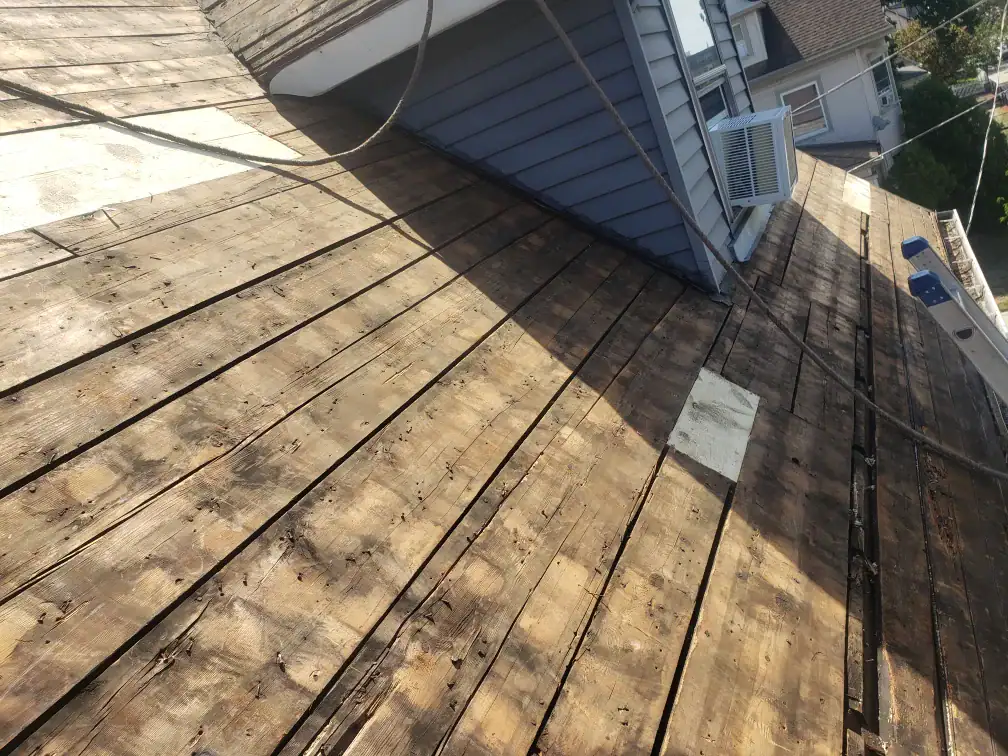
Your siding takes a beating in Hampstead, NH. Heavy snowfall in winter, humid summers, and those brutal freeze-thaw cycles in spring don’t just sit on the surface—they work their way into cracks you can’t always see.
When moisture gets behind your siding, it doesn’t announce itself. It spreads quietly, rotting support beams, feeding mold growth, and compromising your home’s structure from the inside out. By the time you notice staining or warping, the damage has usually been happening for months.
Regular cleaning and inspection catch these issues early. A proper siding inspection checklist covers every exterior wall, checks seals around windows and doors, and identifies loose panels before water finds its way in. Annual cleaning removes the mold and mildew that hold moisture against your home, and it keeps your property looking sharp instead of neglected.
You’re not just maintaining appearance. You’re protecting your investment, your energy bills, and your family’s health from the respiratory issues that come with hidden mold growth.
We’ve spent over a decade working on homes throughout Hampstead, NH and the surrounding area. We’re an Owens Corning Preferred Contractor, which means we meet strict standards for quality and reliability—not just once, but consistently.
We know what New England weather does to siding because we see it every day. The homes in Hampstead face unique challenges, from ice dams in winter to humidity in summer, and we’ve built our maintenance approach around those realities.
Our customers stay with us because we show up when we say we will, we explain what we find, and we don’t push unnecessary work. When we inspect your siding, you get a written report with honest recommendations—not a sales pitch.
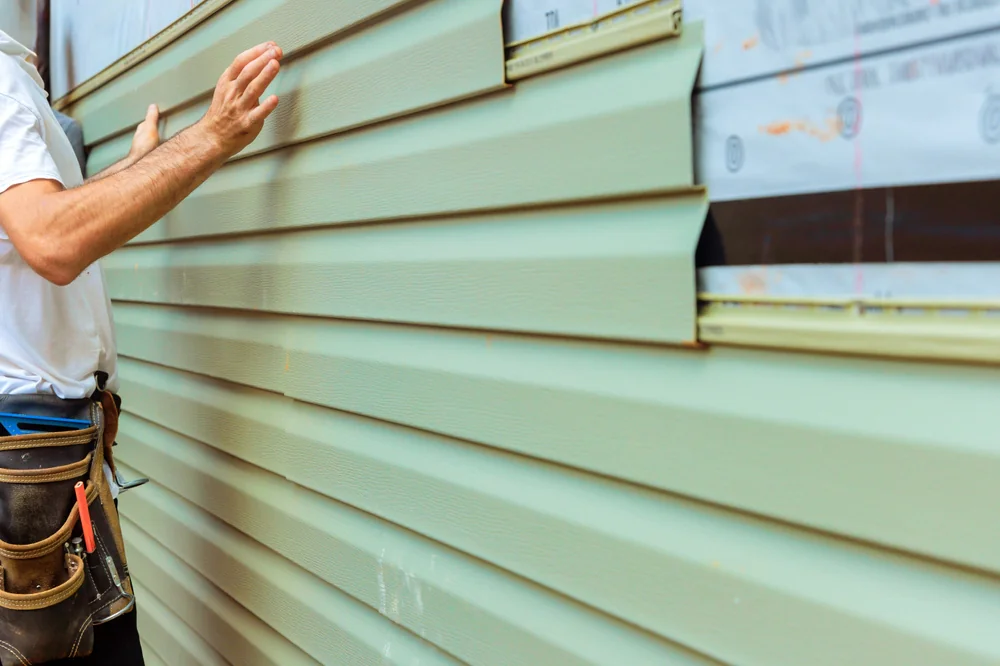
We start with a thorough inspection of your entire exterior. That means checking every wall, looking at seals around windows and doors, examining corners and joints, and identifying any loose or damaged panels. You get a written report that explains what we found and what actually needs attention.
If cleaning is part of the plan, we use soft washing—not high-pressure blasting that can force water behind your siding. Soft washing combines low-pressure water with biodegradable solutions that kill mold and mildew at the root. It’s safer for your siding and more effective than power washing alone.
Any repairs get handled with the same materials and methods that extend your siding’s lifespan. We seal gaps, replace damaged sections, and make sure everything is weathertight before we leave. All work comes with a two-year workmanship warranty, plus whatever manufacturer coverage applies to the materials.
For emergencies—like storm damage or sudden leaks—we respond the same day. We’ll get your home weatherproofed immediately and schedule full repairs within a day or two, depending on the scope.
Ready to get started?
Our siding maintenance covers inspection, cleaning, minor repairs, and preventive sealing. We check for the warning signs most homeowners miss—small cracks, loose panels, failing caulk, and early moisture damage.
Cleaning vinyl siding the right way matters more in Hampstead, NH than in milder climates. The mold and mildew removal process we use is designed for New England conditions, where humidity and temperature swings create perfect conditions for growth. We don’t just spray and rinse. We treat the surface to kill spores, then clean thoroughly to remove staining and buildup.
The difference between power washing vs soft washing comes down to pressure and technique. High pressure can crack vinyl, force water into seams, and damage the finish. Soft washing uses about one-third the pressure, relying on cleaning solutions to do the heavy lifting. It’s gentler on your siding and more effective at preventing regrowth.
We also handle the small repairs that prevent big problems—reattaching loose panels, sealing gaps, replacing cracked sections, and fixing areas where water could get behind your siding. These aren’t always visible issues, but they’re the ones that lead to rot, mold, and structural damage if ignored.
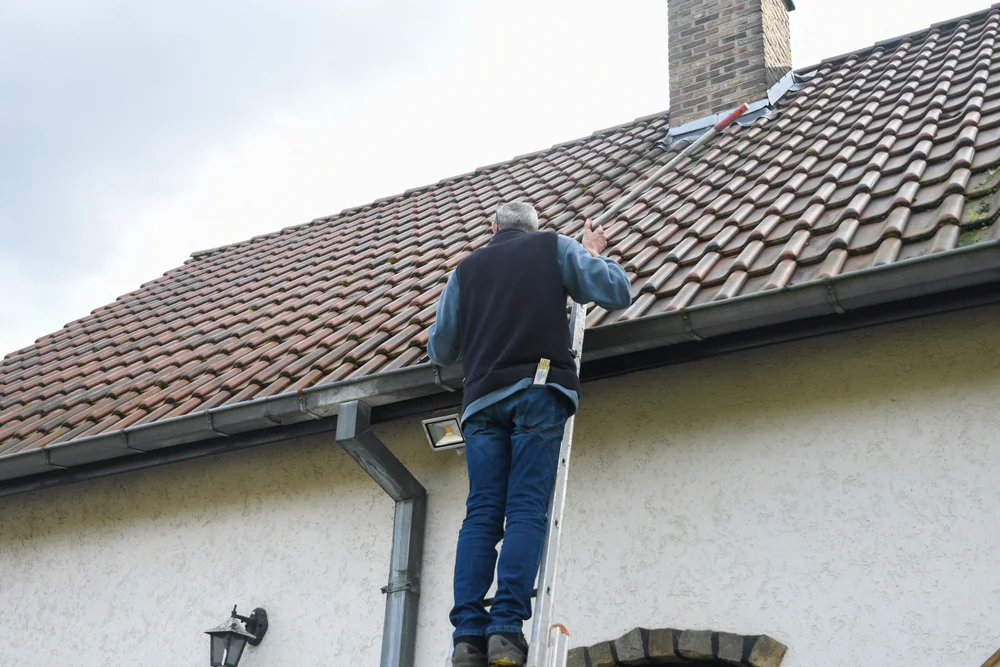
At least once a year, ideally in spring or fall. Spring cleaning removes the grime and mold that built up over winter, while fall cleaning prepares your siding for the freeze-thaw cycles ahead.
If your home is surrounded by trees or faces north where sunlight is limited, you might need cleaning twice a year. Shaded areas stay damp longer, which accelerates mold and mildew growth. The same goes for homes near busy roads where dirt and exhaust settle on siding faster.
Annual cleaning isn’t just cosmetic. It removes the organic material that holds moisture against your home, which is what leads to rot and structural damage over time. Think of it like changing your oil—skipping it once might not hurt, but skipping it regularly will cost you.
Power washing uses high pressure to blast away dirt and stains. Soft washing uses low pressure combined with cleaning solutions that break down mold, mildew, and grime at the source.
For vinyl siding, soft washing is safer and more effective. High pressure can crack vinyl, force water behind panels, and strip away the protective finish. It might look clean immediately after, but you’ve often created new problems—especially around seams, corners, and anywhere panels overlap.
Soft washing takes a little longer, but it kills mold spores instead of just rinsing them away. That means your siding stays cleaner longer, and you’re not risking water damage or panel failure. It’s the method we use because it works without the risk.
Look for warping, cracks, loose panels, or areas where caulk is missing or cracked. If you see staining that won’t rinse off with a garden hose, that’s often a sign of moisture damage underneath.
Check around windows and doors especially. Those are the spots where water finds its way in first. If you notice soft spots when you press on the siding, or if panels feel loose when you tug gently, you’ve got a problem that cleaning won’t fix.
During a professional siding inspection checklist review, we check all of these areas plus the less obvious ones—like where siding meets your roof line, around vents and fixtures, and at corners where two walls meet. Small issues caught early usually mean minor repairs. Ignored, they turn into full panel replacements or structural work.
You can clean it yourself if you have the right equipment and know how to use it safely. The risk isn’t the cleaning itself—it’s using the wrong pressure, the wrong angle, or the wrong cleaning solution.
Too much pressure forces water behind your siding. The wrong angle does the same thing. Harsh chemicals can damage vinyl or kill your landscaping. And if you’re working from a ladder, you’re adding fall risk to the equation.
Professional cleaning costs less than most people expect, especially compared to the repair bills that come from DIY mistakes. We have the right equipment, the right cleaning solutions, and the experience to spot problems while we’re working. If you’re comfortable on a ladder and you’ve done your research on safe PSI levels and techniques, you can handle basic cleaning. But for thorough mold and mildew removal or if your siding hasn’t been cleaned in years, hiring a pro makes sense.
Mold and mildew build up, dirt embeds into the surface, and small damage turns into big damage. What starts as a loose panel or a small crack becomes a pathway for water to get behind your siding.
Once water gets in, it doesn’t just sit there. It spreads along the moisture barrier, soaks into sheathing, and rots the wood framing behind your walls. You won’t see this happening from the outside until the damage is severe—usually showing up as warping, bulging, or interior water stains.
In Hampstead, NH, where freeze-thaw cycles are common, trapped moisture expands when it freezes. That makes cracks bigger, pushes panels apart, and accelerates deterioration. A few years of neglect can easily turn into thousands of dollars in repairs that proper maintenance would have prevented.
Spring and fall are ideal. Spring maintenance addresses damage from winter—ice, snow load, and freeze-thaw cycles. Fall maintenance prepares your siding for the cold months ahead by sealing gaps and removing organic buildup.
You want temperatures above 50 degrees for cleaning and repairs so that caulk and sealants cure properly. That rules out deep winter in Hampstead, NH, but gives you a solid window from April through October.
If you’re only doing it once a year, spring is usually the better choice. You can assess winter damage, clean away months of buildup, and make repairs before summer humidity encourages mold growth. But fall works too, especially if you want to button everything up before snow season hits.