
Hear from Our Customers
Your siding isn’t just sitting there looking pretty. It’s blocking water, wind, and everything New England throws at it. When you keep it maintained, you’re preventing mold from taking hold in those humid Massachusetts summers. You’re catching cracks before water gets behind the panels and causes real damage.
Annual cleaning removes the dirt and mildew that build up faster here than in drier climates. A proper inspection spots loose panels, small holes, and early signs of rot—the kind of stuff that’s cheap to fix now but expensive to ignore.
You also keep your energy bills in check. Damaged or dirty siding doesn’t insulate as well. Clean, intact panels do their job better, which means your heating and cooling systems don’t work as hard.
We’ve been serving Massachusetts homeowners since 2012. We’re an Owens Corning Preferred Contractor, which means we’ve met strict standards for quality and reliability. That’s not marketing talk—it’s a certification we had to earn.
We know what Ashby homes deal with. The freeze-thaw cycles that crack panels in winter. The humidity that encourages mold growth in summer. The wind that pulls loose corners off if they weren’t installed right in the first place.
You’re not getting a crew that learned about siding last month. You’re getting people who’ve seen what happens when maintenance gets skipped, and who know how to prevent it.
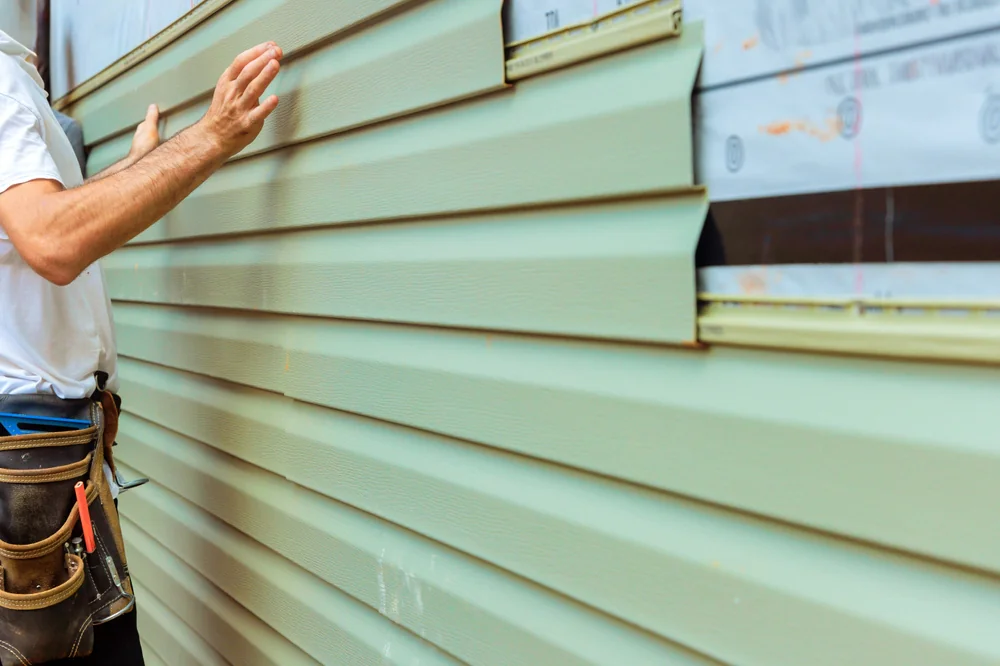
We start with a full inspection. That means checking every section of your siding for cracks, holes, loose panels, and signs of water damage or mold. We’re looking for the problems you can’t see from the ground.
Then comes cleaning. We use soft washing, not high-pressure blasting. Soft washing uses low pressure (150-300 PSI) combined with cleaning solutions that kill mold and mildew at the source. Pressure washing can punch holes in vinyl siding—it uses 1,300+ PSI, which is way too aggressive. Soft washing is safer and actually keeps your siding cleaner longer because it eliminates the growth, not just the surface dirt.
After cleaning, we handle any repairs. Small cracks get sealed. Loose panels get refastened. If something needs replacing, we tell you exactly what and why. You get a clear explanation, not a sales pitch.
Ready to get started?
You get a complete inspection covering every accessible section of siding. We check for cracks, warping, loose or missing panels, holes from impacts or animals, and any signs of water intrusion behind the siding.
Cleaning covers the full exterior using soft washing methods safe for all siding types. We remove dirt, mold, mildew, and algae buildup. In Ashby, MA, that buildup happens faster than you’d think because of the local humidity and temperature swings.
Mold and mildew removal in Ashby, MA is a big part of what we do. Massachusetts homes face constant moisture challenges. Our cleaning solutions don’t just wipe away surface growth—they kill it so it doesn’t come back in two weeks.
Minor repairs are handled on the spot when possible. That includes resealing small cracks, refastening loose panels, and addressing any damage we find during inspection. You’ll know what was fixed and what might need attention down the road.
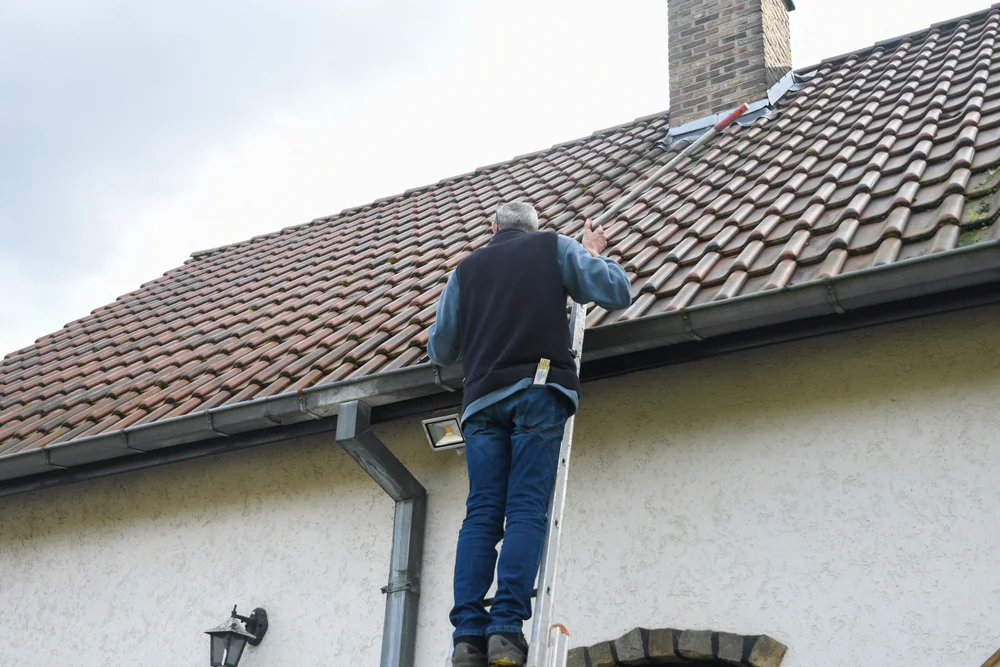
Power washing uses high pressure—usually 1,300 PSI or more—to blast away dirt. That sounds effective until you realize it can crack vinyl, force water behind your siding, and cause thousands in damage. It’s too aggressive for most residential siding.
Soft washing uses 150-300 PSI, which is gentle enough not to damage panels. The real cleaning power comes from the solutions we apply, not the pressure. These solutions kill mold, mildew, and algae at the root, so your siding stays cleaner longer.
For vinyl siding in Ashby, MA, soft washing is the smarter choice. It’s safer for your home, better for the environment (we use biodegradable solutions), and it actually prevents regrowth instead of just pushing the problem around.
Once a year is the standard recommendation, and spring is usually the best time. That’s when you can assess any damage from winter—freeze-thaw cycles, ice dams, wind damage—and clean off the dirt and organic growth that built up over the colder months.
If your home is in a particularly humid area or surrounded by trees, you might benefit from a mid-season check. More shade and moisture mean faster mold and mildew growth.
Annual cleaning with mild soap and water is something you can do yourself between professional services. But a full inspection and deep clean from someone who knows what to look for? That should happen every year. It’s a lot cheaper than replacing rotted sheathing because water got in through a crack you didn’t notice.
Visible mold or mildew that keeps coming back even after you clean it means there’s likely moisture getting behind the siding. That’s not just ugly—it’s a sign of a bigger problem.
Cracks, holes, or warping are red flags. Even small cracks let water in, and once water gets behind your siding, it can rot the wood sheathing and framing. Warped panels usually mean they were installed wrong or there’s moisture damage.
Loose or missing panels need immediate fixing, especially before storm season. Wind gets under loose siding and can rip off entire sections. If you see gaps, hear rattling in the wind, or notice panels that look like they’re pulling away from the house, get someone out there.
You can handle basic cleaning yourself if you’re comfortable on a ladder and have the right tools. Use a garden hose, a soft-bristle brush, and a mild cleaning solution—either a mix of water and white vinegar (70/30 ratio) for light mold, or water with a cup of bleach and laundry detergent for heavier dirt.
What you shouldn’t do is rent a pressure washer and go to town. Most DIY pressure washing jobs end up causing damage because the pressure is too high or the angle is wrong. You can punch holes in vinyl, force water behind the siding, or crack panels without realizing it until later.
Professional cleaning makes sense if you have a multi-story home, if you’re seeing persistent mold and mildew, or if you just don’t want to spend your weekend on a ladder. We have the right equipment, the right solutions, and insurance if something goes wrong.
Massachusetts weather is tough on siding. You get humid summers that encourage mold and mildew growth, cold winters with freeze-thaw cycles that crack panels, and spring storms that bring wind and debris.
In Ashby, MA, you’re dealing with all of that. Freeze-thaw cycles are especially hard on siding—water gets into small cracks, freezes, expands, and makes those cracks bigger. By spring, what was a hairline crack in fall is now a real problem.
The humidity here also means organic growth happens faster. Mold, mildew, and algae love Massachusetts summers. If you’re not cleaning your siding regularly, that growth takes hold and becomes harder to remove. It also holds moisture against your siding, which accelerates deterioration.
A thorough inspection covers every section of accessible siding. We’re checking for cracks, holes, warping, and any panels that are loose or missing. We look at the caulking around windows and doors because failed caulk lets water in.
We check for signs of moisture damage—discoloration, soft spots, or areas where the siding feels different. We look for mold, mildew, and algae growth, especially in shaded areas or spots that don’t get much airflow.
We also inspect the areas where different materials meet—where siding connects to trim, where it meets the foundation, around vents and fixtures. Those transition points are where problems often start. A good inspection catches issues while they’re still small and cheap to fix, not after they’ve caused structural damage.