Hear from Our Customers

Your siding isn’t just about curb appeal. It’s the barrier between your home’s structure and everything New England throws at it—freezing rain, heavy snow, summer humidity, and those brutal winter winds that seem to find every weak point.
When siding fails in Weston, MA, the damage compounds fast. Water gets behind the panels. Insulation gets compromised. Your heating bills climb. Mold starts growing in places you can’t see until it’s a real problem.
New siding installation stops that cycle. You get a weathertight envelope that keeps moisture out and conditioned air in. Your HVAC system doesn’t work as hard. Your home stays comfortable year-round. And if you’re thinking about selling, real estate experts confirm that fresh siding delivers one of the highest returns on investment compared to other exterior projects—especially in a town like Weston where property values demand premium presentation.
We’ve been installing siding across Massachusetts for nearly two decades. We’re licensed, insured, and hold Owens Corning Preferred Contractor status—which means we meet strict requirements that most contractors don’t.
We’ve worked on enough Weston homes to know what matters here. You’re not looking for the cheapest bid. You’re looking for contractors who show up on time, protect your property during the job, and install siding that’ll still look good in fifteen years. That’s what we do.
Our focus is quality. We strip homes down to check for rot and leaks before installing anything new. We use proper house wrapping and insulation. We don’t rush. And we make sure you’re 100% satisfied before we consider the job done.
First, we come out to assess your current siding and talk through what you need. We look for damage, measure everything, and discuss material options—vinyl siding installation, fiber cement, James Hardie, whatever makes sense for your home and budget.
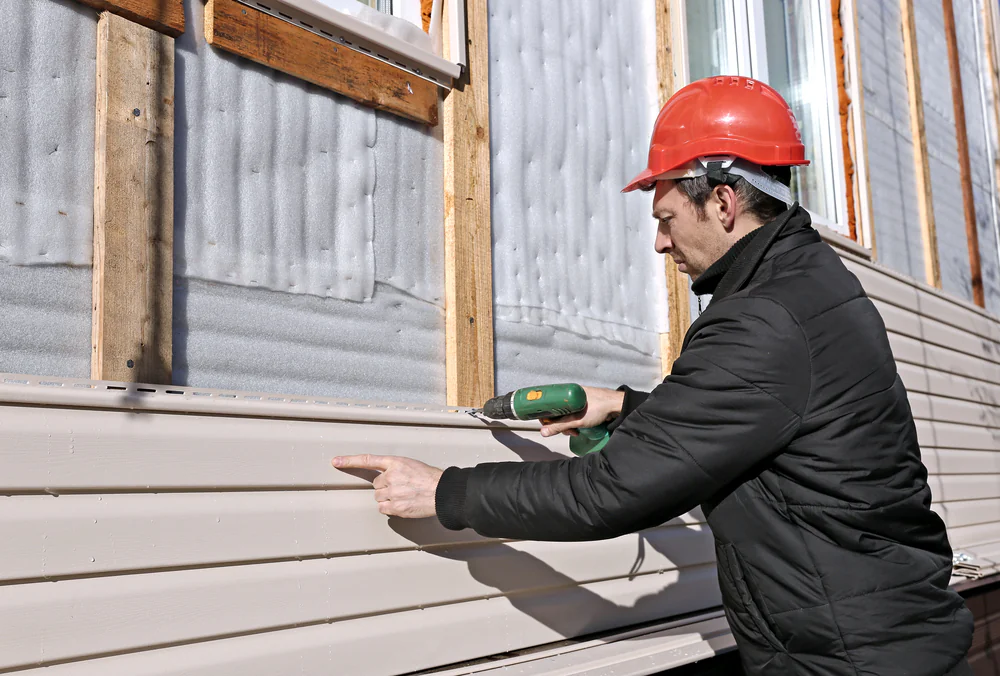
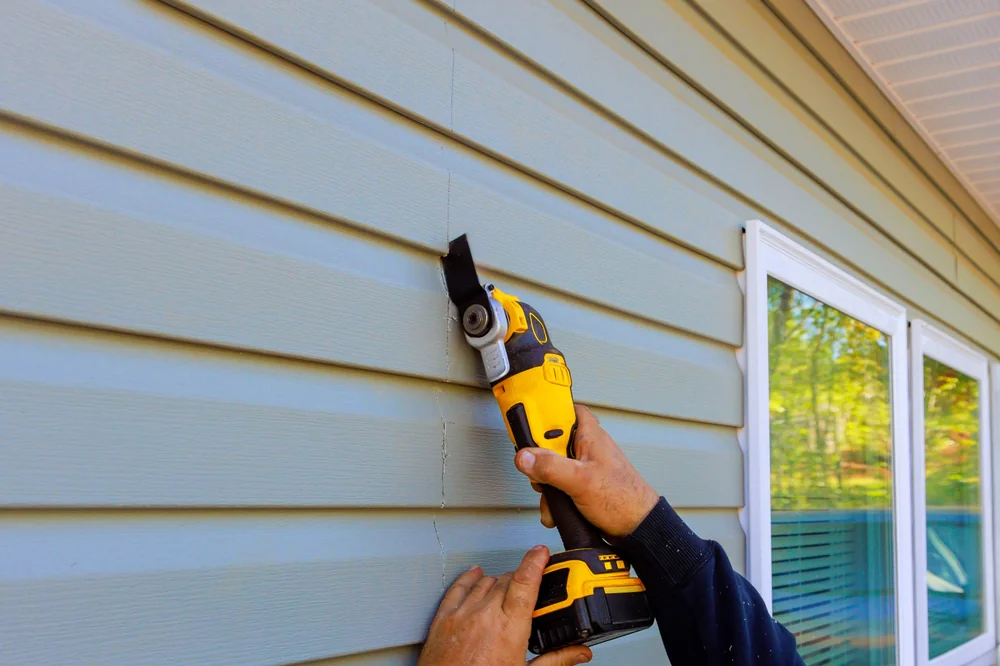
Once you approve the estimate, we schedule the work and order materials. On installation day, we start by removing your old siding completely. This isn’t optional—we need to inspect the sheathing underneath for rot, moisture damage, or structural issues that could compromise the new installation.
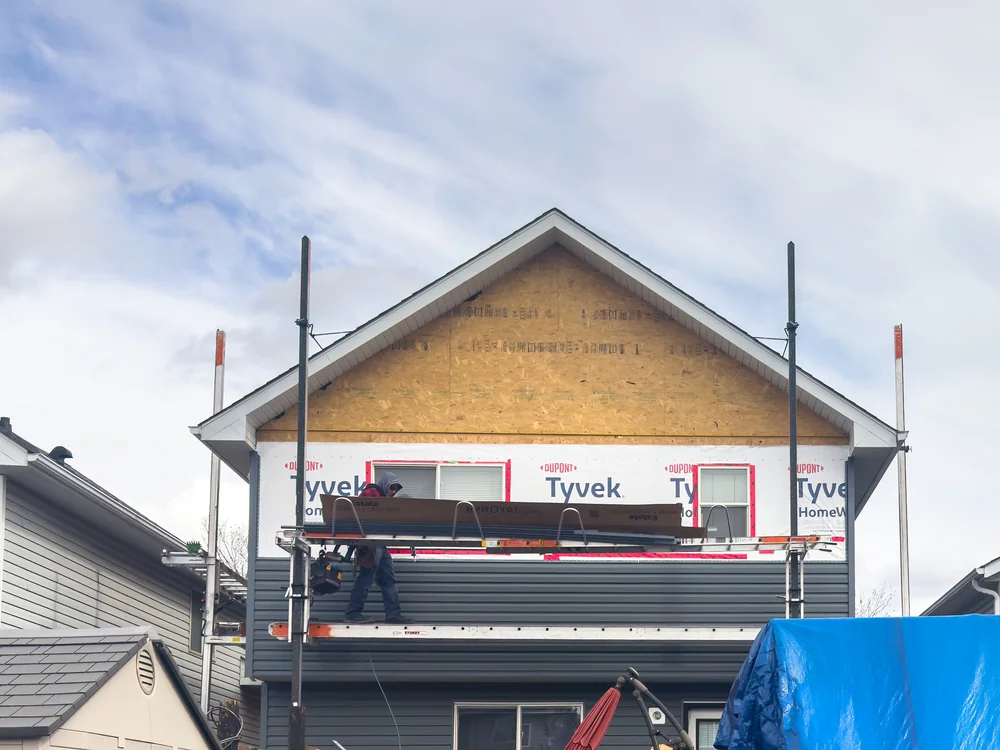
Next comes house wrapping. We apply a breathable moisture barrier that channels water away from your home while allowing vapor to escape. This step is critical in New England where weather extremes can trap moisture and cause long-term damage.
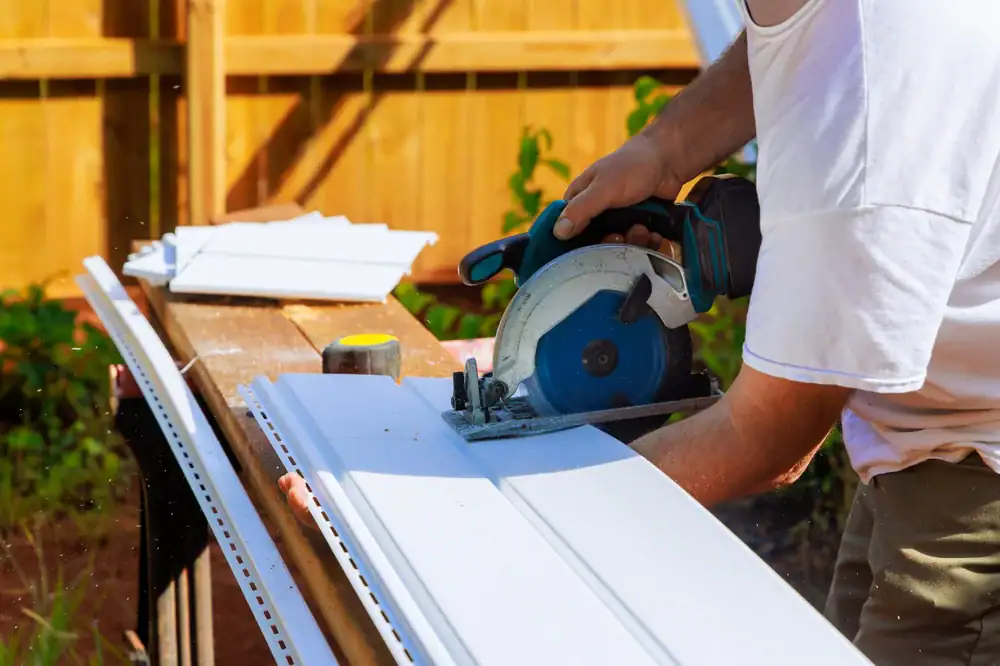
Then we install the new siding, working from bottom to top, ensuring every panel is level, properly fastened, and sealed at the seams. We pay attention to corners, trim, and transitions where most water intrusion happens. Finally, we clean up completely and walk you through the finished work so you know exactly what was done and how to maintain it.
Ready to get started?
Material choice matters. Vinyl siding is low-maintenance and budget-friendly—it doesn’t need painting, resists pests, and holds up well in our climate. Fiber cement siding costs more upfront but offers superior durability and fire resistance. It’s five times thicker than vinyl and can withstand winds up to 140 mph.
James Hardie installers in Weston, MA know this brand recovers about 90% of its cost at resale. It’s non-combustible, won’t warp or crack, and bugs won’t touch it. If you’re staying in your home long-term or want the best protection available, it’s worth the investment.
House wrapping is included in every installation we do. New England homes need serious defense against moisture, and products like Progressive foam board provide excellent insulation while preventing water penetration. This isn’t an upsell—it’s standard practice for any contractor who understands how weather impacts homes here.
You’ll also see lower energy bills. Insulated siding maintains consistent indoor temperatures, which means your furnace and AC don’t cycle as often. Some homeowners in Weston report noticeable utility cost reductions within the first year, especially if their old siding was thin or poorly installed.
For a typical single-family home in Weston, you’re looking at somewhere between $12,000 and $28,000 depending on material choice, home size, and complexity. Vinyl siding installation tends to fall on the lower end of that range. Fiber cement siding costs more—usually between $6 and $15 per square foot installed.
James Hardie is premium pricing but delivers premium performance. If your home has multiple stories, intricate trim work, or requires extensive prep due to existing damage, that’ll add to the total. Most contractors in Massachusetts charge by the square foot, and that includes labor, materials, and disposal of old siding.
We give you a detailed estimate upfront so there are no surprises. And if you’re scheduling during late fall or early winter, some contractors offer off-season discounts since summer is peak season for exterior work.
Fiber cement handles New England weather better than anything else on the market. It’s 90% sand and cement, so it won’t burn, melt, warp, or crack even during extreme temperature swings. It stands up to heavy snow, ice, wind, and the kind of moisture exposure that destroys wood siding over time.
Vinyl is a solid second choice if budget is a concern. It’s designed to expand and contract with temperature changes, requires almost no maintenance, and modern formulations resist fading much better than older versions. Just spray it down with a hose once a year and it stays looking fresh.
Wood siding looks beautiful but demands regular maintenance in our climate. You’ll need to repaint or restain every few years, and moisture issues can lead to rot or mold if you’re not vigilant. If you love the look of wood, fiber cement offers wood-grain textures without the upkeep.
Vinyl siding typically lasts 20 to 30 years if it’s installed correctly and you keep up with basic maintenance. Fiber cement can go 50 years or more—it has the life expectancy of brick and doesn’t degrade the way organic materials do.
James Hardie specifically is engineered for longevity. The company backs their product with strong warranties, and we’ve seen installations from the early 2000s that still look nearly new. The key is proper installation with correct house wrapping and moisture barriers underneath.
If your current siding is showing signs of failure—warping, cracks, moisture intrusion, or high energy bills—it’s time to replace it before the damage spreads to your home’s structure. Waiting too long turns a siding project into a much more expensive repair job involving sheathing, insulation, and potentially interior walls.
Yes. House wrapping is non-negotiable if you want your siding to perform the way it should. It creates a breathable moisture barrier that prevents water from reaching your sheathing while allowing vapor to escape from inside your home.
Without it, you’re relying entirely on the siding itself to keep water out. That’s a problem because siding isn’t watertight—wind-driven rain can get behind panels, and once moisture is trapped against your sheathing, rot and mold follow quickly.
We always strip homes down to the sheathing before installing new siding so we can inspect for existing damage and apply proper house wrapping. This is especially important in Weston where homes deal with harsh weather year-round. Products like Progressive foam board add insulation value on top of moisture protection, which helps with energy efficiency and comfort.
If your current siding is old, thin, or poorly insulated, new siding installation in Weston, MA will likely reduce your heating and cooling costs. Insulated vinyl and fiber cement options create a thermal barrier that helps maintain consistent indoor temperatures.
That means your furnace doesn’t have to work as hard during winter, and your AC runs less during summer. Some homeowners see a noticeable difference in their utility bills within the first few months, especially if their old siding had gaps, cracks, or missing insulation underneath.
The exact savings depend on your home’s size, how well your windows and attic are insulated, and what material you choose. But even non-insulated siding installed with proper house wrapping improves energy performance compared to failing siding that’s letting conditioned air escape. Some insulated panels even qualify for energy efficiency rebates or green building credits.
Look for warping, cracks, or loose panels—these let water in and compromise your home’s structure. If you’re seeing peeling paint inside your house, wet walls, or unexplained moisture, that’s often a sign that siding has failed and water is getting through.
Fading or discoloration isn’t just cosmetic. It can indicate that the material is breaking down and losing its protective qualities. If your energy bills keep climbing without explanation, your siding might not be insulating like it used to.
Mold, mildew, or fungus on the exterior is a red flag, especially with wood siding. And if you’ve had recent storm damage—dents from hail, panels ripped off by wind, or impact damage—it’s worth having a contractor inspect the full extent of what needs repair. Sometimes what looks like a small issue is actually widespread damage that’ll only get worse if you patch it instead of replacing it.