Hear from Our Customers

You stop worrying about what’s happening behind your walls. No more wondering if moisture is creeping in during those March freeze-thaw cycles or if your heating bill is climbing because your exterior can’t hold temperature.
Properly installed siding acts as a real barrier—not just decoration. When fiber cement siding or quality vinyl goes up correctly in Wayland, MA, you get an extra insulation layer that keeps your HVAC system from working overtime. That means lower energy bills and a home that stays comfortable whether it’s 15 degrees or 90.
And you’re done with the constant maintenance cycle. No more scraping, repainting, or patching every few years. We know that fiber cement siding can last 50 years when it’s done right. That’s decades without the headache.
Paradise Remodeling Inc has been handling exterior work across Eastern Massachusetts for nearly two decades. We’re not new to Wayland’s weather patterns or what happens to siding near the Sudbury River when humidity spikes in July.
Our focus is straightforward: quality installation that you won’t need to think about again. We don’t cut corners on house wrapping, flashing, or any of the behind-the-scenes work that separates a good siding job from one that fails in five years. As an Owens Corning Preferred Contractor, we meet standards most companies don’t even know exist.
You’ll work with the same crew from start to finish. No subcontractors, no surprises. Just experienced installers who know exactly how fiber cement siding cost breaks down in Wayland, MA and what materials make sense for your specific home and budget.
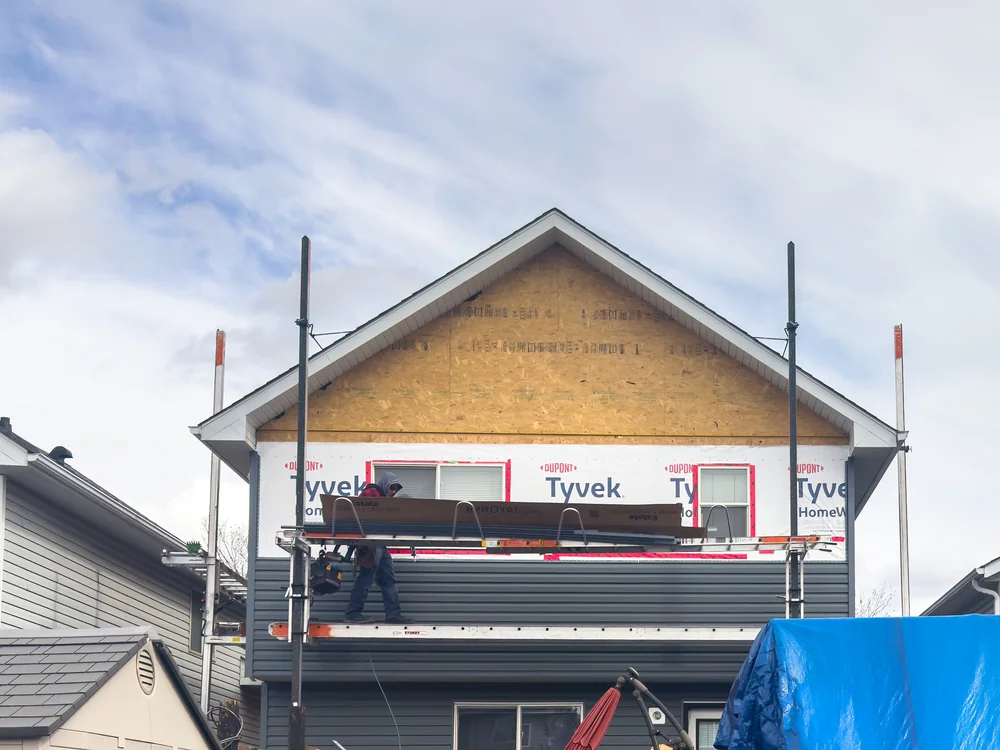
First, we come out to look at your current siding and what’s underneath. We’re checking for rot, moisture damage, and whether your sheathing needs attention before new material goes up. This isn’t a quick walk-around—it’s a real assessment of what your home needs.
Once we know what we’re working with, we’ll walk you through material options. Vinyl siding installation in Wayland, MA runs differently than fiber cement, and each has specific benefits depending on your home’s age, style, and your maintenance preferences. We’ll tell you what makes sense and what doesn’t, including realistic fiber cement siding cost versus vinyl.
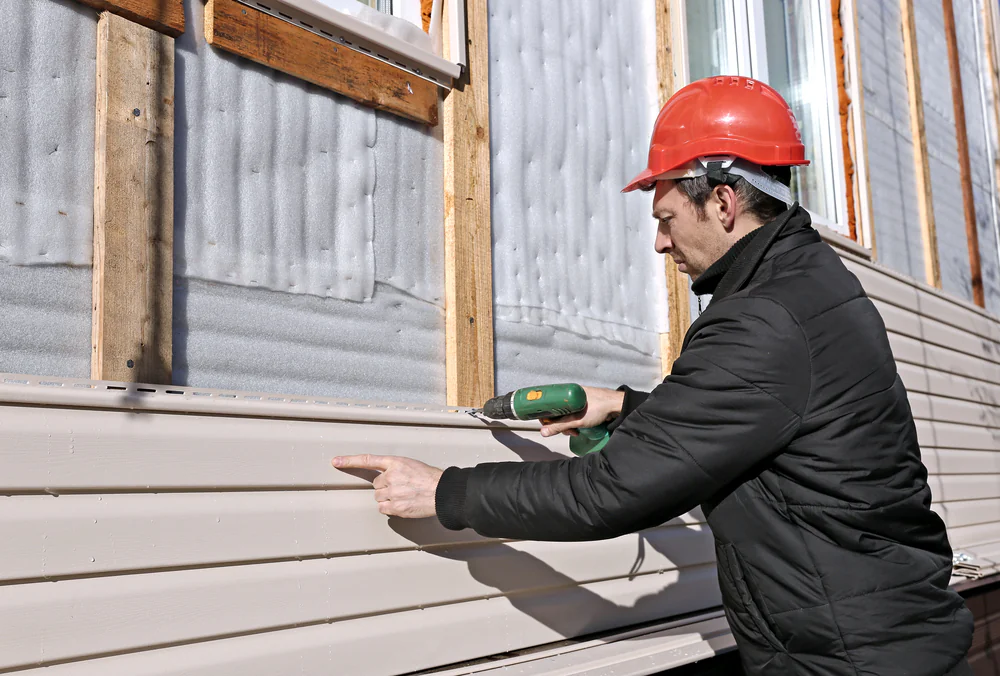
Then comes the actual work: proper house wrapping, moisture barriers, flashing around windows and doors, and finally the siding itself. Every piece gets installed to manufacturer specs—which matters more than most people realize. We know that improper installation voids warranties and leads to problems down the road. We do it right the first time so you’re covered.
Ready to get started?
You’re getting more than just new exterior panels. Every siding installation in Wayland, MA that we handle includes a full moisture management system—house wrapping, weather barriers, and proper ventilation. This is what prevents mold, rot, and the kind of hidden damage that costs thousands to fix later.
Material choice matters here. Fiber cement siding in Wayland holds up to freeze-thaw cycles better than anything else on the market. It won’t warp when temperatures swing 40 degrees in a day, and it’s non-combustible—meaning real fire resistance, not just marketing claims. Vinyl siding installation offers a different set of benefits: lower upfront cost, zero painting, and excellent performance in humid summers.
Wayland homes near Cochituate or along the river deal with specific moisture challenges. We account for that during installation. You also get warranty coverage that actually means something—30-year transferable warranties on James Hardie materials and installation, which protects your investment if you ever sell. And the energy efficiency improvement is real. Most homeowners see noticeable drops in heating and cooling costs once proper siding is in place, because your home finally has the insulation barrier it needs.
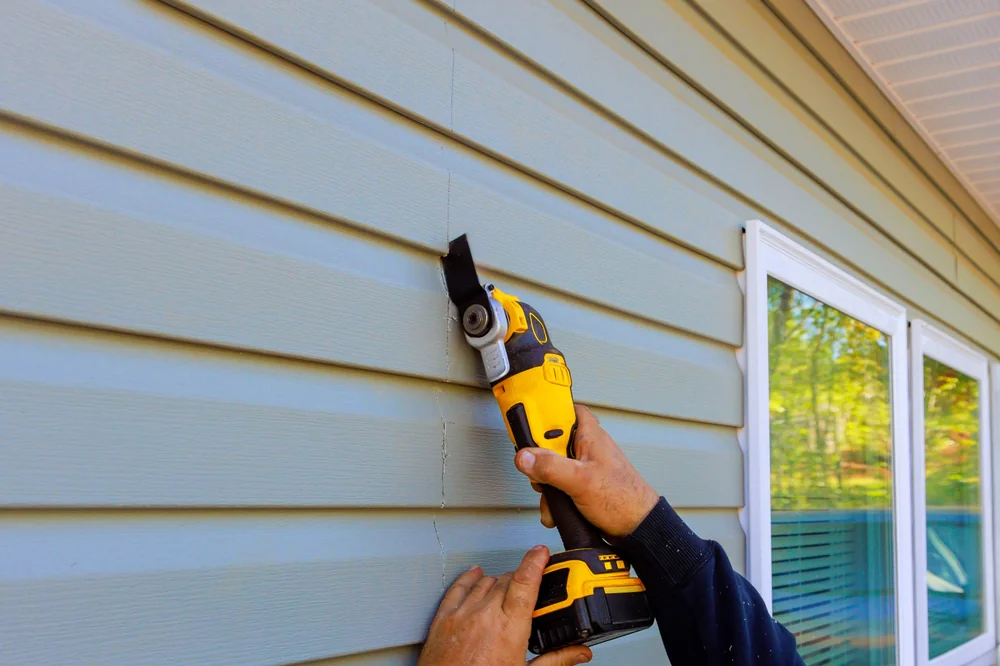
Most fiber cement siding projects in Wayland run between $12,000 and $28,000 depending on your home’s size and complexity. That includes materials, labor, house wrapping, trim, and proper installation by certified James Hardie installers.
The average cost sits around $34 per square foot when you factor in everything—not just the panels. If someone quotes you significantly less, ask what they’re skipping. Cheap installation usually means no weather barrier, improper flashing, or subcontractors who don’t know manufacturer specs.
Vinyl siding installation in Wayland, MA costs less upfront—usually $14 per square foot—but the long-term value equation is different. Fiber cement lasts 50+ years and adds more to resale value. Vinyl lasts 20-30 years and requires replacement sooner. Both work well when installed correctly, but your choice depends on how long you’re staying in the home and what kind of maintenance you want to deal with.
The biggest benefit is protection from moisture. Wayland’s weather—freezing winters, humid summers, and constant precipitation—destroys old or poorly installed siding fast. New siding installation with proper house wrapping stops water infiltration before it rots your sheathing or grows mold inside your walls.
Energy efficiency is the second major benefit. Properly installed siding adds an insulation layer that helps regulate indoor temperature. Your heating system doesn’t work as hard in January, and your AC isn’t running constantly in August. Most homeowners see 10-15% reductions in energy bills after quality siding goes up.
Then there’s the maintenance factor. Fiber cement siding doesn’t need repainting for decades. Vinyl never needs paint. Compare that to wood siding, which demands $300-600 annually in upkeep. You’re also getting better curb appeal and increased home value—vinyl siding in Boston-area markets returns 82-86% ROI, and James Hardie returns even more. It’s one of the few home improvements that actually pays you back when you sell.
Look for warping, buckling, or panels pulling away from the house. Those are signs that your siding has failed and repairs won’t fix the underlying problem. Check for cracks, holes, or soft spots—even small gaps let moisture in, which leads to rot and mold behind the siding.
Inside your home, peeling wallpaper, bubbling paint, or mold growth near exterior walls means water is getting through your siding. That’s not a repair situation. Your energy bills climbing year after year is another red flag—it means your siding isn’t insulating properly anymore.
If you’re seeing multiple issues or your siding is over 20 years old, replacement makes more sense than patching. Repairs might buy you a year or two, but you’ll end up paying for full replacement anyway. We can assess what’s salvageable during a free inspection. We’ll tell you honestly whether you need a full replacement or if targeted repairs will actually hold up.
Vinyl costs less upfront and never needs painting. It performs well in Wayland’s humid summers and handles temperature swings without much maintenance. Expect 20-30 years of life with quality vinyl siding installation. The downside is it can crack in extreme cold and doesn’t add as much resale value as fiber cement.
Fiber cement—especially James Hardie—is more expensive initially but lasts 50+ years. It’s non-combustible, so you get real fire protection. It holds up better to freeze-thaw cycles, doesn’t warp, and resists pests and rot completely. The ColorPlus finish on James Hardie siding resists fading far better than vinyl, so your home looks newer longer.
For Wayland homes, fiber cement makes sense if you’re staying long-term and want maximum durability. Vinyl works well if you want lower upfront costs and minimal maintenance. Both need proper installation—bad installation ruins even the best materials. The fiber cement siding cost in Wayland, MA is higher, but the ROI and longevity usually justify it for homeowners planning to stay put or sell in a strong market.
Spring and fall are ideal for siding installation in Wayland, MA. Temperatures are moderate, humidity is lower, and materials adhere properly without weather complications. You avoid the extreme cold that makes vinyl brittle and the summer heat that can warp materials during installation.
That said, we can work year-round if conditions are right. Winter installation is possible with fiber cement—it’s engineered for cold climates—but scheduling is trickier and some materials don’t perform well below certain temperatures. Summer works fine as long as we account for expansion and humidity.
If you’re planning new siding, book in late winter for spring installation or in summer for fall work. We get busy during peak seasons, and you want time to compare quotes without rushing. Avoid waiting until you see active damage—by then, moisture may already be affecting your sheathing or insulation, which adds cost to the project.
Yes, but only if it’s installed correctly with proper house wrapping and insulation. Siding alone doesn’t create energy savings—it’s the complete system that matters. When vinyl siding installation or fiber cement goes up over a quality weather barrier, you’re adding a thermal layer that helps your home hold temperature.
In Wayland, where winter heating costs are significant, that extra insulation reduces how hard your furnace works. Same with summer cooling. Most homeowners notice the difference within the first few months—rooms feel more consistent, drafts disappear, and HVAC systems cycle less frequently.
The actual savings depend on what you’re replacing. If your old siding was rotted or poorly installed with no house wrapping, new siding installation in Wayland, MA can cut energy costs by 10-20%. If your existing siding was decent, improvements will be smaller. Either way, energy efficiency is one of the new siding benefits that pays you back over time—not immediately, but consistently over decades.