Hear from Our Customers

Your siding is cracked, warped, or letting drafts through. Every winter, you’re heating the outdoors. Every storm, you’re wondering what’s getting damaged behind those panels.
New siding installation in Salem, MA changes that. You’ll see it on your energy bills first—most homeowners report 10-20% savings after upgrading to properly installed fiber cement or vinyl siding. Then you’ll notice what you’re not doing: repainting every few years, replacing rotted boards, or worrying about moisture creeping into your walls.
The right siding handles what Salem throws at it. Salt air that corrodes cheaper materials. Freezing temperatures that crack vinyl that wasn’t engineered for this climate. Humidity that warps wood. You get materials designed for New England weather, installed correctly the first time, so you can stop thinking about your exterior and start enjoying your home.
We’ve spent nearly two decades installing siding across Salem and the North Shore. We’re an Owens Corning Preferred Contractor, which means we’ve met strict standards for quality and reliability. Our BuildZoom score puts us in the top 8% of Massachusetts contractors.
Here’s what matters more: we show up when we say we will. We return calls. We don’t cut corners to save twenty minutes or a few dollars, because we know you’re making a decision that affects your home for the next 30 years.
Salem homeowners deal with unique challenges—historic architecture that needs careful attention, coastal conditions that destroy inferior materials, and building codes that matter. We’ve handled all of it, and we’ll walk you through exactly what your home needs.
We start with an honest assessment of your current siding. You’ll know what’s failing, why it’s failing, and what your options are—vinyl siding installation, fiber cement, or James Hardie systems. We’ll talk about costs, timelines, and what makes sense for your specific home and budget.
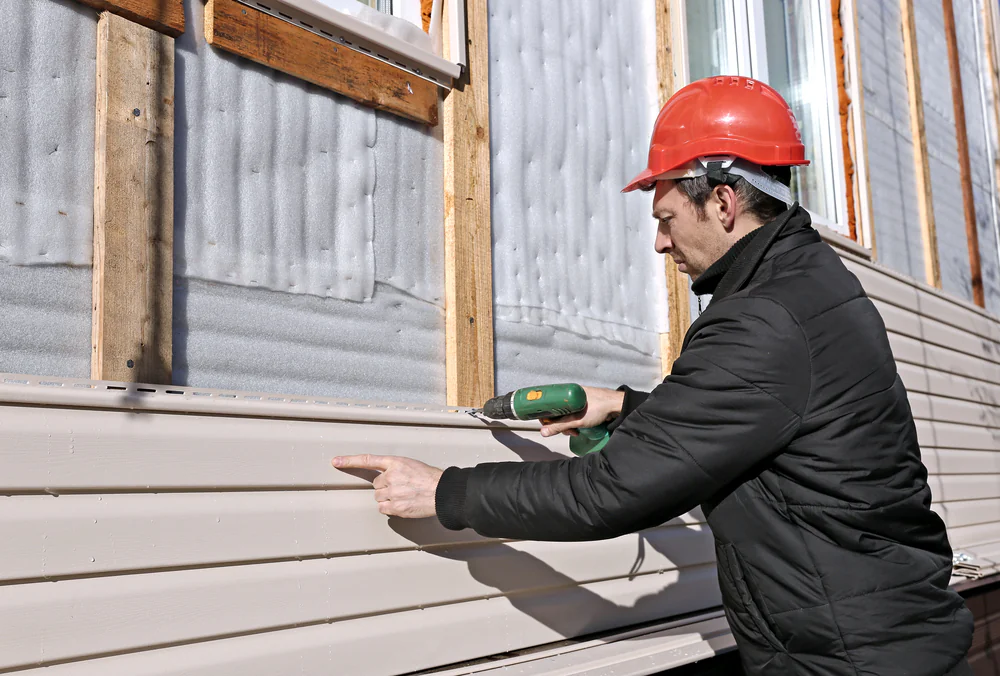
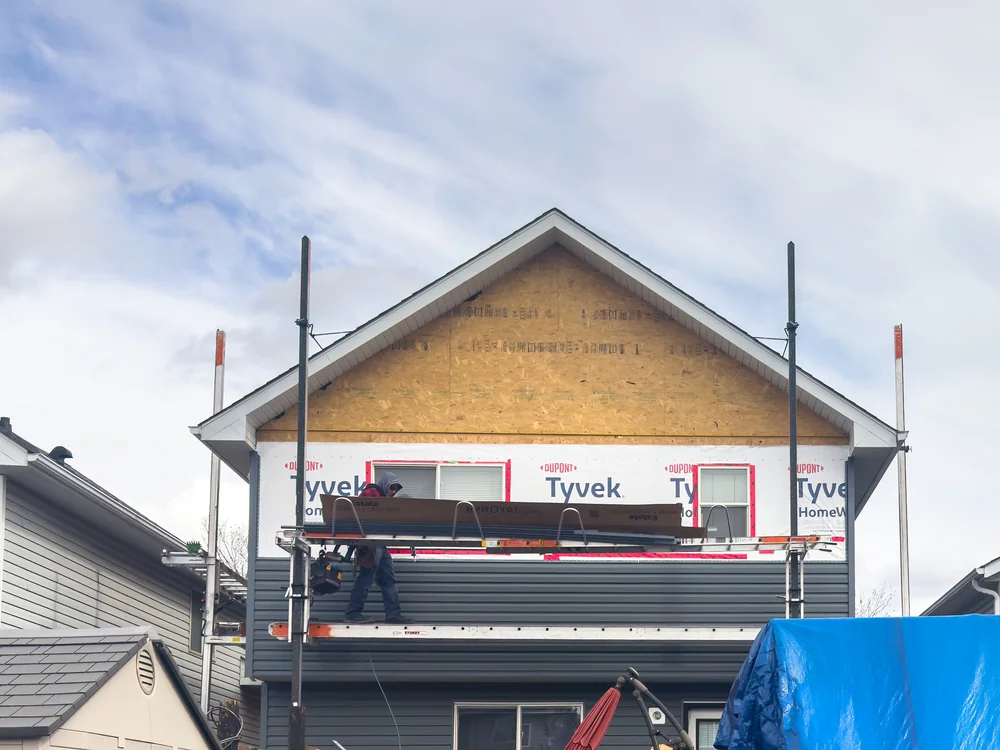
Once you’re ready to move forward, we handle permits and prep work. That includes proper house wrapping, which most homeowners don’t think about but makes a massive difference in energy efficiency and moisture protection. We remove your old siding carefully, inspect the sheathing for any damage, and make sure everything underneath is solid before a single new panel goes up.
Installation follows manufacturer specifications exactly. We know that fiber cement requires different techniques than vinyl. Corners, seams, and flashing all get done right, because that’s where cheaper contractors create problems you’ll pay for later.
You’ll see the difference immediately—tighter seams, cleaner lines, and siding that actually looks professional. More importantly, you’ll feel it when winter hits and your heating bills drop.
Ready to get started?
Siding installation in Salem, MA typically runs between $5,000 and $13,000 for most homes, depending on size and material choice. Vinyl siding installation costs less upfront—around $6-$12 per square foot installed. Fiber cement siding cost in Salem runs $10-$18 per square foot, but here’s why that matters: you’re looking at 15+ years before needing a repaint versus 3-5 years with wood, and you’re getting materials five times thicker than vinyl.
James Hardie fiber cement is engineered specifically for Massachusetts climate zones. The HardieZone system accounts for our freezing winters, humid summers, and everything in between. You’re not paying extra for a brand name—you’re paying for materials that won’t crack in February or warp in August.
House wrapping, proper flashing, and correct installation techniques are included. So is cleanup, disposal of old materials, and a warranty that actually means something. Most fiber cement comes with a 30-year non-prorated warranty, which tells you everything about how long manufacturers expect it to last.
Salem’s coastal location means salt air is constantly working against your exterior. Cheaper materials corrode faster here than they would ten miles inland. You can replace budget siding twice, or install the right materials once.
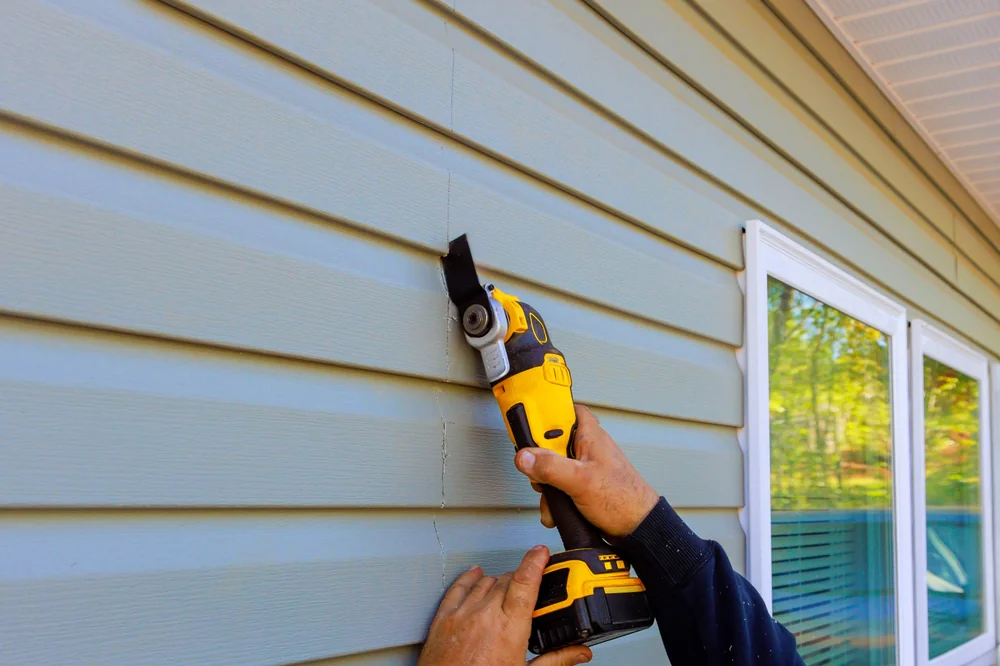
Most siding installation projects in Salem, MA take between 5-10 days for an average-sized home, but that depends on a few factors you should know about upfront.
Weather delays happen, especially during New England’s unpredictable spring and fall. We can’t install siding in heavy rain or when temperatures drop below freezing for fiber cement products. If we’re working on your home in November and a nor’easter rolls through, we’re pausing until conditions are right—because rushing through installation in bad weather creates problems you’ll deal with for years.
The size and complexity of your home matter more than square footage alone. A straightforward ranch with minimal trim work goes faster than a Victorian with detailed architectural elements. If we find rotted sheathing or structural issues when we remove your old siding, we’re fixing those before new panels go up. You don’t want new siding installed over damaged substrate.
We’ll give you a realistic timeline during your estimate, and we’ll keep you updated if anything changes. Most homeowners tell us the process moves faster than they expected, mainly because we show up consistently and work efficiently.
Vinyl costs less upfront but requires replacement sooner. Fiber cement costs more initially but lasts significantly longer with less maintenance. Here’s what that actually means for your home in Salem.
Vinyl siding works fine if it’s quality vinyl installed correctly in a climate it’s designed for. The problem is that cheap vinyl cracks in cold weather, warps in heat, and fades within a few years. Even good vinyl is relatively thin—it dents from hail, gets damaged by lawn equipment, and can pull away from your home during high winds. It’s also flammable, which matters for insurance and safety.
Fiber cement siding like James Hardie is five times thicker, non-combustible, and engineered to handle temperature extremes without cracking or warping. Bugs won’t eat it, woodpeckers won’t peck it, and it holds paint far longer than wood or vinyl. The ColorPlus finish on James Hardie products is baked on in a controlled factory environment—it resists fading dramatically better than field-applied paint or vinyl color.
The fiber cement siding cost in Salem runs higher, but you’re looking at potentially 50+ years of service life versus 20-30 for vinyl. You’ll repaint it once or twice in that timeframe instead of replacing entire sections. For most homeowners who plan to stay in their home long-term, fiber cement makes more financial sense.
House wrapping isn’t optional if you want your siding to perform correctly. It’s the moisture barrier that keeps water from reaching your sheathing and framing, and it dramatically improves energy efficiency.
Here’s what happens without proper house wrapping: water finds its way behind your siding through seams, around windows, and at corners. Even the best siding installation in Salem, MA isn’t completely watertight—panels overlap and interlock, but wind-driven rain can still penetrate. The house wrap stops that moisture before it reaches wood, prevents mold growth, and keeps your insulation dry and effective.
Modern house wrapping also reduces air infiltration. Those drafts you feel in winter aren’t just coming through windows—they’re coming through gaps in your wall assembly. Quality wrap with properly sealed seams creates an air barrier that makes your heating and cooling systems work less.
We use house wrapping on every siding job because it’s part of doing the installation right. Skipping it saves maybe a few hundred dollars and costs you thousands in energy waste and potential water damage over the years. Any contractor who suggests you don’t need it is either uninformed or cutting corners.
If damage is isolated to a few boards or panels and your siding is less than 15 years old, repairs usually make sense. If you’re seeing widespread issues or your siding is approaching 20+ years, replacement is typically the smarter investment.
Look for these signs that repairs won’t cut it: cracks or holes in multiple areas, warping or buckling panels, visible rot or soft spots when you press on boards, peeling paint that returns within a year of repainting, or higher energy bills that coincide with siding deterioration. If you’re seeing these issues across large sections of your home, you’re past the point where patching helps.
Inside your home, check for peeling wallpaper, bubbling paint, or mold on interior walls—these signal that moisture is getting through your siding and causing damage you can’t see. That’s not a repair situation. That’s a full replacement before you’re dealing with structural problems.
Salem’s coastal weather accelerates siding failure. Salt air corrodes, temperature swings cause expansion and contraction that loosens fasteners, and humidity promotes rot. Siding that might last 30 years inland might give you 20 here. We’ll assess your specific situation honestly during a free estimate and tell you whether repairs buy you a few more years or if you’re throwing money at a failing system.
Yes, but the savings depend on what you’re replacing and how badly your current siding is failing. Most Salem homeowners see 10-20% reductions in heating and cooling costs after proper siding installation with correct house wrapping and insulation.
Old, damaged siding lets conditioned air escape and outside air infiltrate. Those drafts you feel near exterior walls in winter aren’t just uncomfortable—they’re expensive. Your heating system runs longer and harder to maintain temperature, and you’re essentially paying to heat the outdoors. The same happens in summer with air conditioning.
New siding installation in Salem, MA creates a tighter building envelope. Properly installed house wrapping stops air leakage. Insulated vinyl siding adds an R-value of 2-4, which isn’t massive but makes a noticeable difference. Fiber cement installed over quality wrap and existing wall insulation creates a barrier that keeps your conditioned air inside where it belongs.
The energy savings are real, but they’re not magic. You won’t cut your heating bill in half just from siding. You will see measurable improvement, especially if your current siding has visible gaps, loose panels, or areas where you can feel air movement. Combined with proper attic insulation and decent windows, new siding is part of an overall efficiency upgrade that pays for itself over time.
James Hardie fiber cement requires specific installation techniques that many contractors either don’t know or don’t follow. You’re paying for expertise that prevents the callbacks, failures, and warranty issues that happen when fiber cement is installed like vinyl.
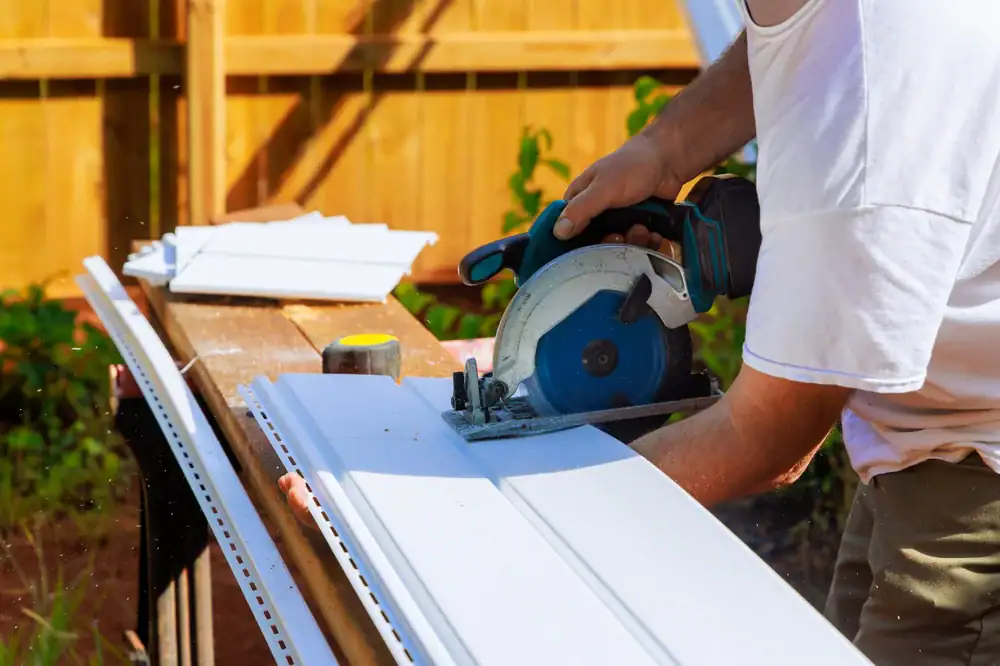
Fiber cement is heavy—it requires proper fastening with specific nail types, spacing, and depth. It needs to be cut with specialized blades that don’t create dangerous silica dust. It expands and contracts differently than vinyl, so spacing and flashing details matter enormously. Corners, seams, and transitions all have manufacturer specifications that exist for good reasons.
We invest in training, proper tools, and the extra time it takes to do it right. That costs more than slapping up vinyl siding as fast as possible. But here’s what you get: a 30-year warranty that’s actually valid (improper installation voids it), siding that performs as engineered, and no callbacks three years later when panels are cracking or pulling away.
The fiber cement siding cost in Salem includes materials that will outlast cheaper options by decades. Paying a qualified installer to put it up correctly is the only way that investment makes sense. Cheap installation on premium materials is the worst combination—you’ve paid for quality and gotten none of the benefits.