Hear from Our Customers

Your heating bill drops because cold air stops sneaking through cracks and gaps. You’re not repainting every few years or scraping off peeling sections in the spring. When storms roll through Reading, you’re not wondering if water’s getting behind your walls.
Good siding does more than look clean from the street. It keeps moisture out, which means no mold creeping into your insulation or drywall. It holds up against temperature swings without buckling or splitting. And if you ever sell, buyers notice when a home’s exterior doesn’t need work.
Fiber cement and vinyl siding installation in Reading, MA handle the weather we actually get here. Freezing winters, humid summers, ice, wind—it all hits your exterior first. The right material stops it there.
Paradise Remodeling Inc has worked on homes across Reading and the surrounding Massachusetts area for over a decade. We’re licensed, insured, and an Owens Corning Preferred Contractor—which means we’ve met the standards most contractors don’t bother with.
We don’t cut corners on prep work or materials. Every job gets house wrapping for moisture protection, proper flashing around windows and doors, and siding that’s rated for New England’s climate. You’re not getting the cheapest option—you’re getting the one that won’t need replacing in five years.
Reading homeowners deal with the same issues: drafty walls, high energy costs, wood siding that’s rotting near the foundation. We’ve seen it hundreds of times, and we know what actually fixes it.
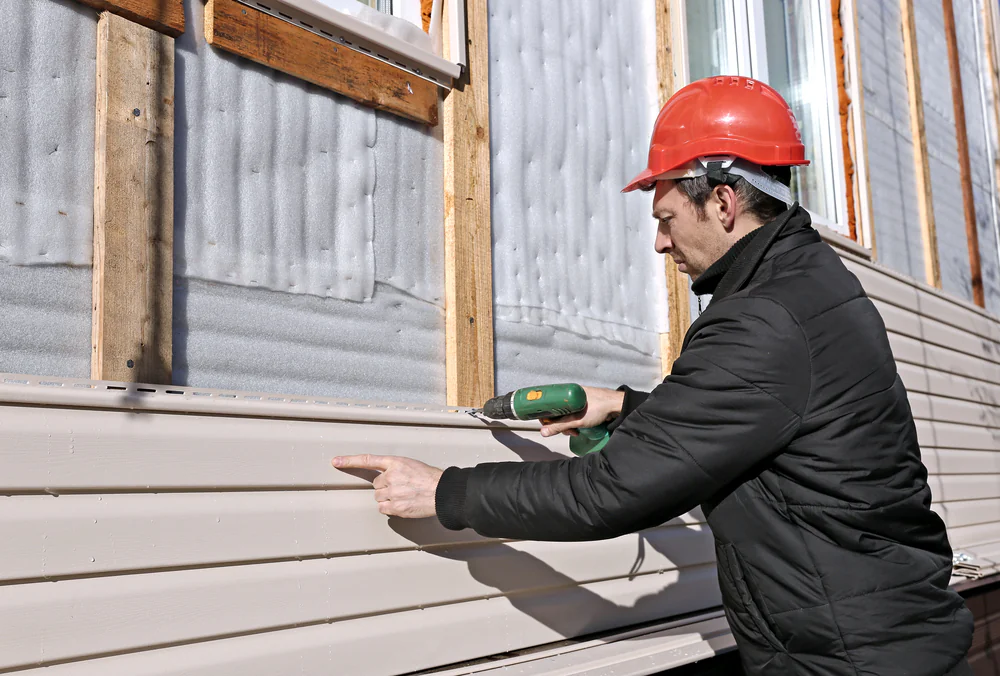
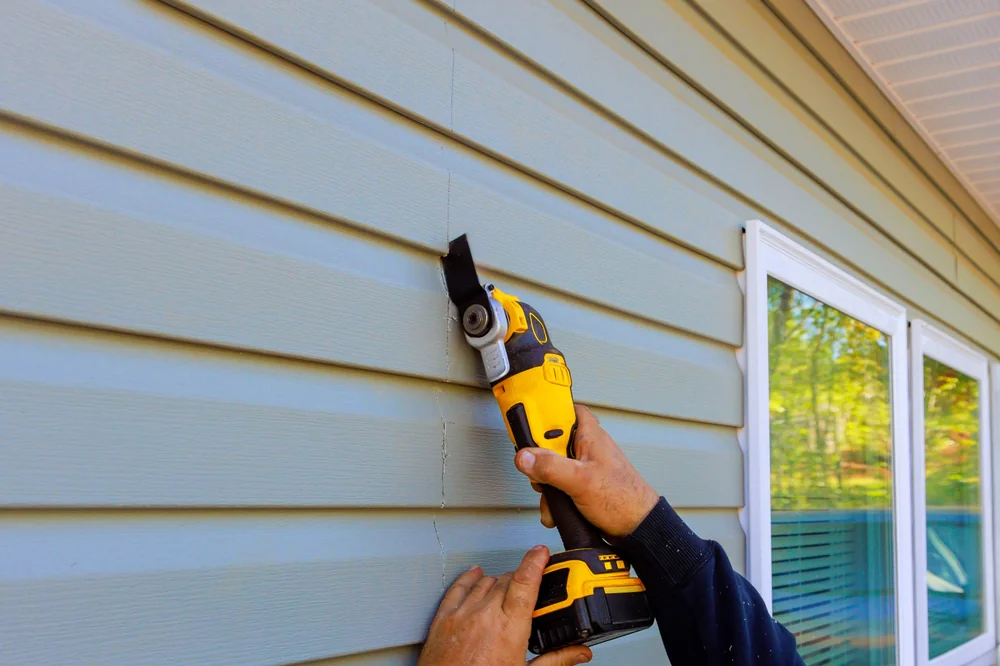
First, we remove your old siding and inspect what’s underneath. If there’s rot, water damage, or failing sheathing, we address it before anything new goes up. Skipping this step is how problems come back a year later.
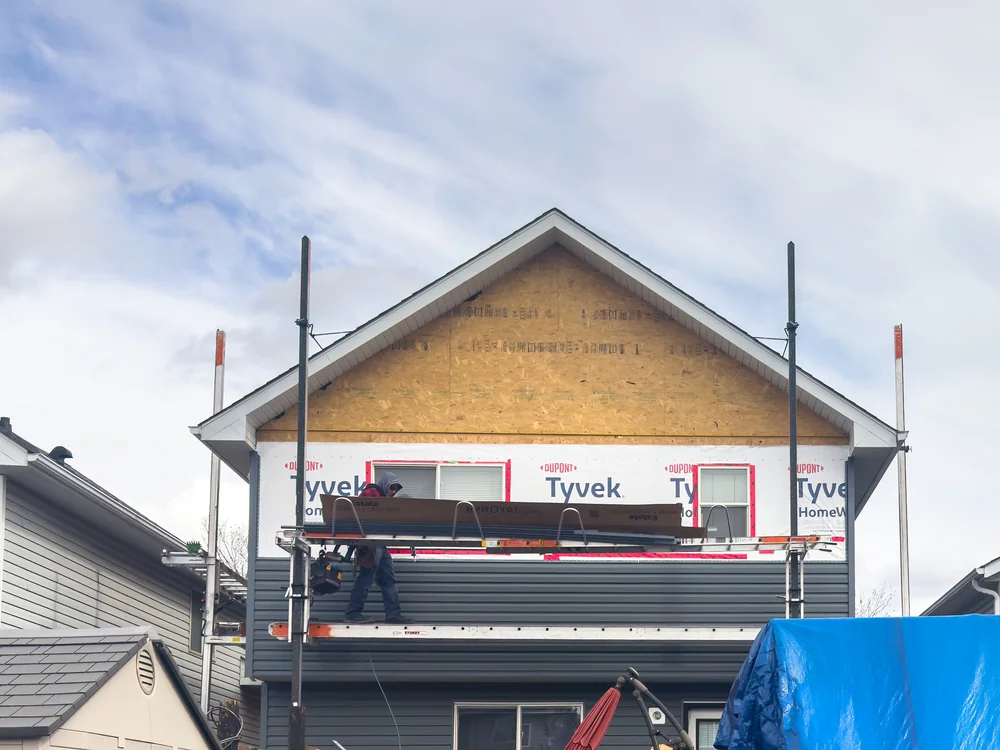
Next comes house wrapping in Reading, MA—a moisture barrier that keeps water out while letting your walls breathe. Then we install the siding itself, whether that’s vinyl, fiber cement, or James Hardie. Every seam gets sealed, every corner gets flashed, and every panel gets fastened correctly so it doesn’t warp or pull away over time.
Most projects take one to two weeks depending on your home’s size and the weather. We clean up daily, and when we’re done, you’re left with an exterior that’s weathertight and built to last. No gaps, no shortcuts, no callbacks six months later because something wasn’t done right.
Ready to get started?
You get full removal of old siding, proper disposal, and a clean site. We install house wrapping as a standard—not an upsell—because it’s necessary for moisture control in Massachusetts. All trim, corners, and J-channels are included, along with flashing around windows, doors, and any roof lines.
If you’re going with James Hardie fiber cement, you’re getting material engineered specifically for climates like ours. It won’t warp in humidity, crack in freezing temps, or feed a fire if one starts. It also comes with a 30-year warranty, which matters when you’re spending this kind of money. Vinyl siding costs less upfront and requires almost no maintenance—just an occasional rinse.
Reading homes vary widely in style and age, so we match your siding to what works structurally and visually. Colonial, ranch, cape—whatever you’ve got, the install process adjusts to fit. And if your insulation is lacking, we can add foam backing during installation to improve your R-value without tearing into your interior walls.
For an average two-story home in Reading, you’re looking at somewhere between $18,000 and $30,000 for a full siding replacement with fiber cement. That includes removal of old siding, house wrapping, installation, trim, and cleanup.
James Hardie is on the higher end of that range because it’s a premium product. It’s heavier, more durable, and lasts longer than vinyl or wood. If your home is larger, has complex angles, or needs sheathing repair, the price goes up. Smaller ranches or simpler layouts come in lower.
Vinyl siding installation in Reading, MA typically costs less—closer to $12,000 to $20,000 for the same size home. It’s a solid option if you want low maintenance and a clean look without the premium price tag. Either way, you’re making a long-term investment that affects your energy bills, your home’s value, and how often you’re dealing with exterior repairs.
Fiber cement handles New England weather better than anything else. It doesn’t crack when temperatures drop below freezing, doesn’t absorb moisture that leads to rot, and doesn’t warp when we get those humid summer stretches. James Hardie specifically engineers their fiber cement with a HardieZone system designed for climates with freeze-thaw cycles and extreme seasonal swings.
Vinyl is the second-best option for Massachusetts homes. It’s not as tough as fiber cement, but quality vinyl won’t crack in the cold and requires almost zero maintenance. You’re not painting it, sealing it, or worrying about termites eating through it.
Wood siding looks great but demands constant upkeep in our climate. You’re repainting every few years, checking for rot, and dealing with moisture issues. It’s not a bad choice if you’re committed to the maintenance, but most Reading homeowners don’t want that headache. If you want something that works without babysitting it, fiber cement or vinyl are your best bets.
Yes. House wrapping in Reading, MA is not optional if you want your siding to perform correctly. It’s a moisture barrier that stops water from getting into your wall cavities while still allowing vapor to escape. Without it, you’re inviting mold, rot, and insulation failure.
Even if your old siding looks fine from the outside, moisture can work its way behind it through tiny gaps, seams, and fastener holes. Over time, that leads to sheathing damage, studs that rot out, and interior problems like peeling paint or water stains. House wrap prevents that by creating a secondary line of defense.
It also improves your home’s energy efficiency by blocking air leaks. That means your heating and cooling systems don’t have to work as hard, which shows up in lower utility bills. Any contractor who tells you house wrap is optional or tries to skip it is cutting corners. It’s a standard part of a proper siding installation, and it costs a fraction of what you’d spend fixing the damage that happens without it.
Most siding projects in Reading take one to two weeks from start to finish. That timeline assumes decent weather and no major surprises when we pull off the old siding. If we find rotted sheathing or structural issues underneath, we’ll need extra time to make those repairs before the new siding goes up.
Smaller homes or straightforward layouts can be done faster—sometimes in under a week. Larger colonials with multiple stories, dormers, or complex trim work take longer. Weather plays a role too. We can work in cool or overcast conditions, but heavy rain or snow delays things.
We don’t rush the job to hit an arbitrary deadline. Proper installation means taking the time to flash everything correctly, seal all seams, and make sure every panel is fastened the right way. Cutting corners to finish a day early just leads to callbacks and problems down the road. You’ll know the timeline upfront, and we’ll keep you updated if anything changes.
Yes, if your current siding is old, damaged, or poorly installed. New siding with proper house wrapping creates a tighter envelope around your home, which reduces drafts and helps your insulation do its job. That means your furnace isn’t running constantly in January and your AC isn’t fighting against hot air leaking in during July.
Fiber cement and quality vinyl both improve your home’s thermal performance compared to old wood siding or damaged panels. If you add foam backing during installation, you’ll see even better results. Some Reading homeowners report noticeable drops in their heating and cooling costs within the first year.
The savings depend on how bad your current situation is. If you’ve got gaps, cracks, or siding that’s pulling away from the house, you’re losing a lot of conditioned air. Fixing that makes a real difference. If your existing siding is relatively new and in good shape, the energy improvement will be smaller. Either way, you’re not just paying for curb appeal—you’re investing in a more efficient home that costs less to heat and cool.
If you’re seeing cracks, holes, or rot in multiple areas, replacement makes more sense than patching. Repairs work when the damage is isolated—a few boards near the foundation, a section that got hit by a fallen branch. But if the problems are widespread, you’re just delaying the inevitable and spending money on fixes that won’t last.
Warping, buckling, or panels that are pulling away from the house are signs that the siding has failed. So is peeling paint on the interior walls, which usually means moisture is getting through your exterior. High energy bills can also point to siding that’s no longer doing its job.
Age matters too. Wood siding that’s 20+ years old and showing wear is due for replacement. Vinyl that’s faded, cracked, or brittle has reached the end of its lifespan. If you’re repainting or repairing your siding every couple of years, replacement will save you money and hassle in the long run. We can assess your specific situation and give you an honest answer about whether repair or replacement is the right call for your Reading home.