Hear from Our Customers

You stop worrying about water getting behind your walls every time it rains. Your heating bills drop because cold air isn’t sneaking through cracks and gaps. You’re not repainting every few years or replacing rotted boards.
That’s what proper siding installation in Portsmouth, NH does. It keeps moisture out, keeps warmth in, and gives you one less thing to maintain. The right materials—whether you choose vinyl siding installation, fiber cement, or James Hardie—handle the freeze-thaw cycles, the coastal humidity, and the wind without warping or cracking.
Your home looks sharp. It feels more comfortable inside. And when you eventually sell, buyers notice the difference.
We’ve been working on homes in Portsmouth, NH for years. We’re an Owens Corning Preferred Contractor, which means we meet their standards for installation quality and customer service—not just once, but consistently.
We know what Portsmouth weather does to siding. The salt air from the coast, the winter moisture, the wind off the water—it all matters when you’re choosing materials and installing them correctly. We’ve seen what fails and what lasts.
You’ll work with the same crew from start to finish. We show up when we say we will, keep the site clean, and explain what we’re doing as we go. No surprises, no runaround.
First, we come out to look at your house. We check the current condition, measure everything, and talk through what you’re dealing with—drafts, damage, maintenance issues, whatever brought you here. We’ll discuss material options like vinyl siding installation or fiber cement siding and explain what makes sense for your home and budget.
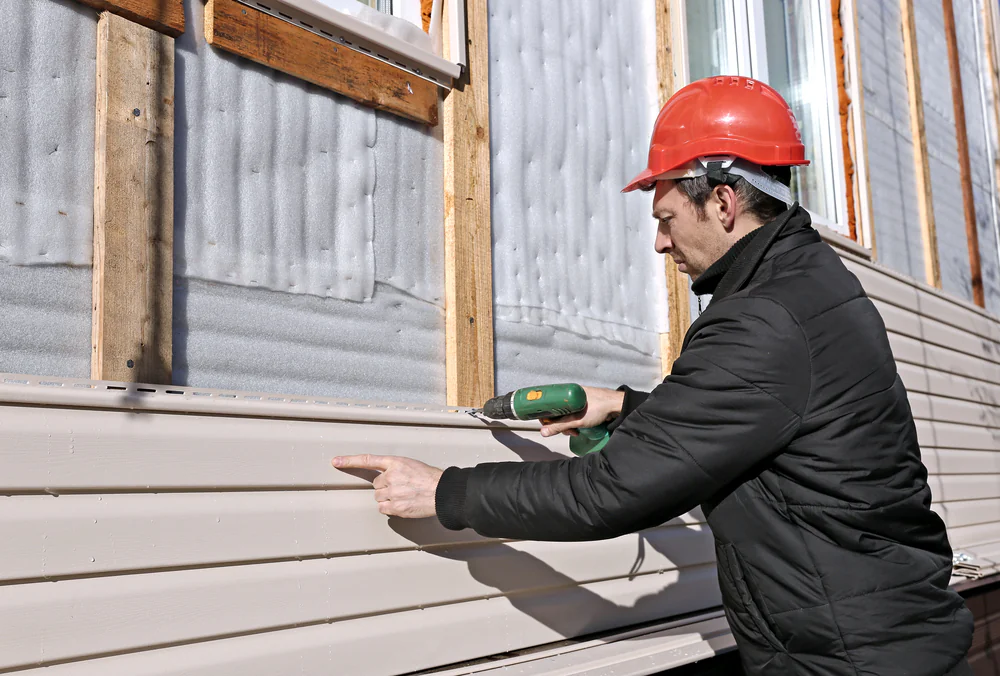
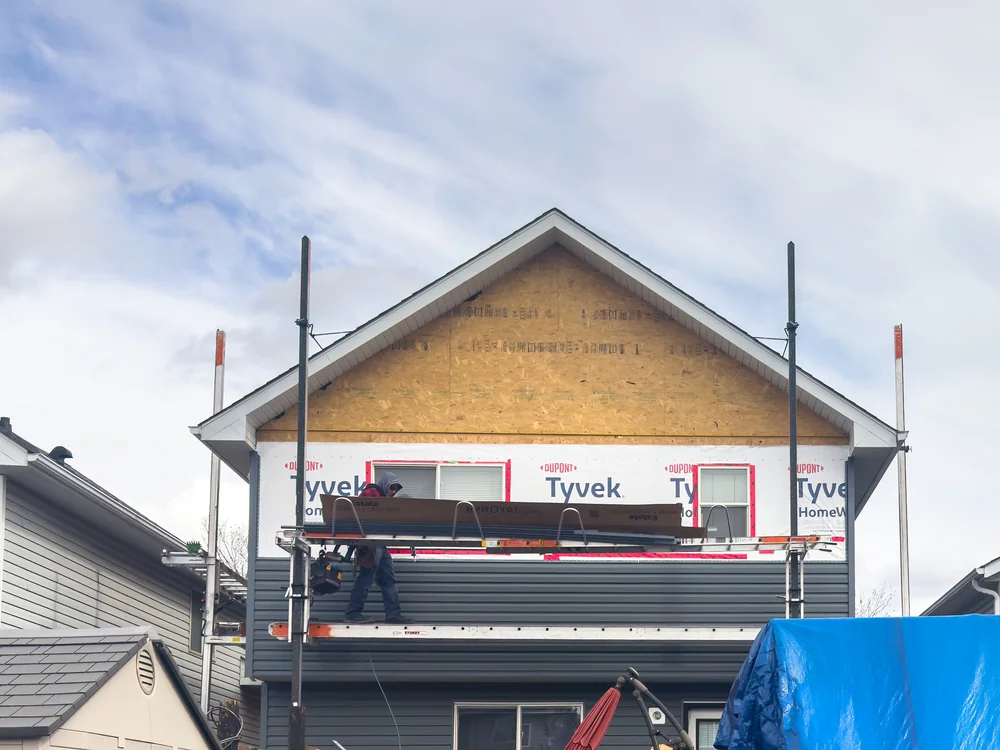
Once you’re ready to move forward, we schedule the work and order materials. On day one, we remove the old siding carefully, inspect the sheathing and framing underneath, and address any rot or damage we find. Then comes house wrapping and proper flashing around windows and doors—this is where water protection really happens.
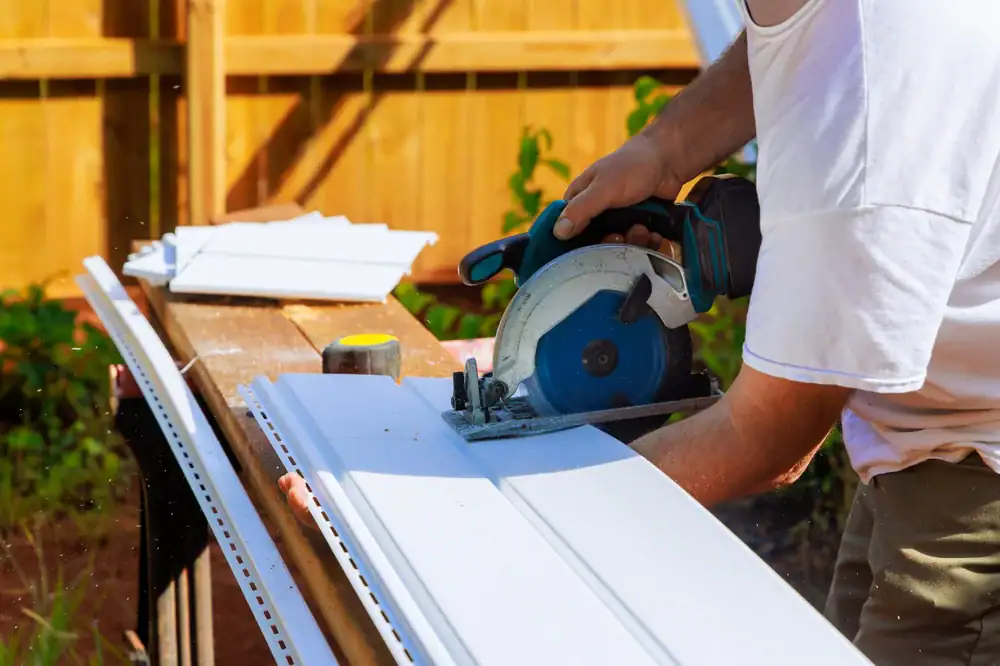
After that, we install the new siding, starting from the bottom and working up. Every piece is level, every seam is tight, and every corner is finished correctly. We clean up daily and do a final walkthrough with you when it’s done. You’ll know exactly what was done and what to expect going forward.
Ready to get started?
You’re getting a full siding replacement, not a patch job. That includes removing old siding, inspecting and repairing the structure underneath, installing proper house wrapping and moisture barriers, and putting up new siding with correct flashing and trim work.
In Portsmouth, NH, most homeowners choose between vinyl siding installation and fiber cement. Vinyl costs less upfront—usually $2 to $7 per square foot installed—and needs almost no maintenance. Fiber cement costs more, around $4 to $10 per square foot, but it’s more fire-resistant and holds up even better in coastal conditions. James Hardie installers specifically train on fiber cement because installation technique matters with that material.
You’ll also get a warranty. Materials are typically covered for life by the manufacturer. Our labor warranty covers the installation itself, so if something goes wrong because of how it was installed, we fix it. Both warranties transfer if you sell the house, which buyers appreciate.
The whole project usually takes one to three weeks depending on the size of your home and weather delays. You’ll have a finished exterior that handles New England weather, looks clean, and doesn’t need constant attention.
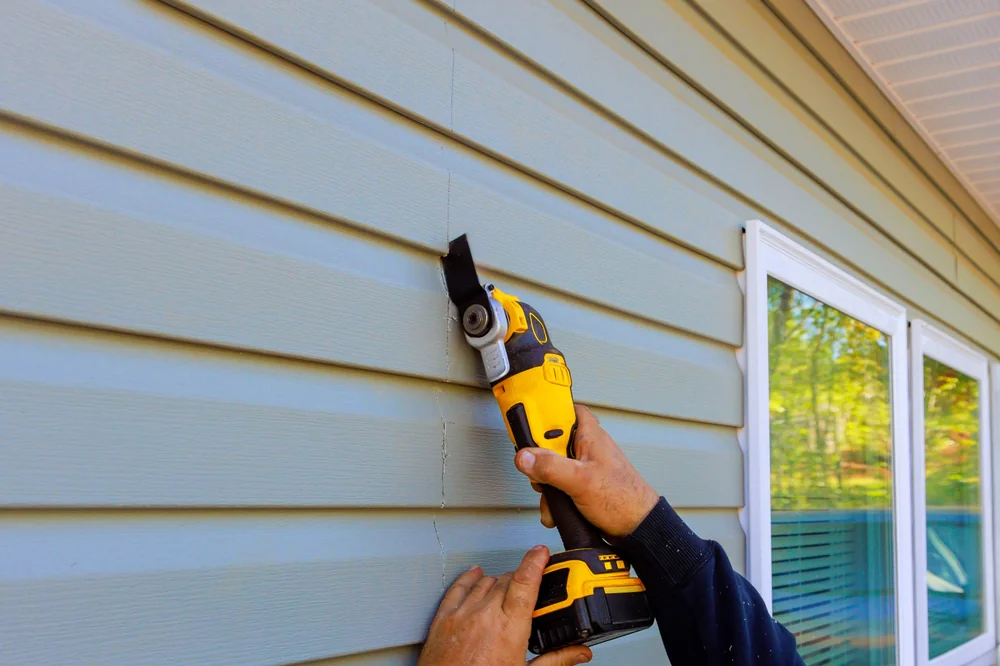
Most homeowners in Portsmouth, NH spend between $5,000 and $13,000 for a full siding installation, though costs can range from $900 for small repairs to $22,000 for larger homes with premium materials. The biggest factors are your home’s square footage, the material you choose, and the condition of what’s underneath the old siding.
Vinyl siding installation runs $2 to $7 per square foot installed. It’s the most affordable option and works well in Portsmouth’s climate. Fiber cement siding costs $4 to $10 per square foot but offers better fire resistance and durability in coastal conditions. If you’re looking at James Hardie specifically, expect to be on the higher end of that range because of the material quality and installation requirements.
If we find rot or structural damage when we remove your old siding, that adds to the cost. Same with complex architectural details, multiple stories, or difficult access. We’ll give you an exact number after we see your house and measure everything.
Fiber cement and vinyl both handle Portsmouth’s coastal climate well, but they do it differently. Fiber cement won’t rot, warp, or attract insects. It’s highly fire-resistant and stands up to salt air and moisture without breaking down. It’s heavier and requires more careful installation, which is why working with experienced James Hardie installers or fiber cement contractors matters.
Vinyl siding is lighter, less expensive, and needs almost no maintenance once it’s up. Modern vinyl doesn’t fade like it used to, and it handles freeze-thaw cycles without cracking. It’s not as fire-resistant as fiber cement, but it still performs well in New England weather and costs significantly less.
Wood siding looks great but requires regular maintenance—painting, sealing, checking for rot. In Portsmouth’s humid, salty environment, you’re looking at repainting every few years and replacing boards as they deteriorate. Most homeowners who want the wood look now choose fiber cement with a wood-grain texture instead. You get the appearance without the upkeep.
Vinyl siding typically lasts 20 to 40 years in Portsmouth, NH, depending on quality and installation. Cheaper vinyl might fade or crack sooner, especially on south-facing walls that get constant sun exposure. Higher-quality vinyl with proper installation easily hits the 30-year mark or beyond.
Fiber cement lasts 30 to 50 years, sometimes longer. It doesn’t rot, warp, or get eaten by insects, so the main thing that affects its lifespan is how well it was installed. Poor installation—wrong nailing, inadequate flashing, no expansion gaps—causes problems down the road. Good installation means decades of protection.
Wood siding can last 20 to 40 years if you maintain it religiously. But in Portsmouth’s coastal climate, that means regular painting, caulking, and replacing damaged boards. Most people don’t keep up with it, which is why you see so many homes with rot issues after 15 or 20 years. The new siding benefits of switching to vinyl or fiber cement include cutting out that constant maintenance cycle.
Yes. House wrapping is the moisture barrier that goes between your sheathing and your siding. It lets water vapor escape from inside your walls while keeping rain and snow from getting in. Without it, you’re relying entirely on the siding itself to keep water out—and siding isn’t designed to be waterproof.
In Portsmouth, NH, where you get coastal moisture, winter storms, and driving rain, proper house wrapping is critical. We see homes all the time where old siding was installed without it or with damaged wrapping that was never replaced. The result is rot in the sheathing, mold in the wall cavities, and sometimes structural damage that costs thousands to repair.
Modern house wrapping materials like Tyvek or similar products are standard in any quality siding installation. We also add flashing around windows, doors, and other openings to direct water away from vulnerable spots. This combination—wrapping plus flashing plus correctly installed siding—is what actually keeps your walls dry. Skipping the wrapping to save a few hundred dollars is a mistake that costs you much more later.
It can, especially if your current siding is damaged or if you add insulated siding. Regular vinyl or fiber cement siding creates a weather barrier that stops drafts and keeps wind from pulling heat out of your walls. If your old siding has gaps, cracks, or missing pieces, new siding installation in Portsmouth, NH will make a noticeable difference in comfort and energy costs.
Insulated vinyl siding adds a foam backing that increases your wall’s R-value. It won’t turn your house into a passive solar home, but it does reduce heat loss and can cut heating costs by 10% to 20% depending on your home’s current insulation levels. In Portsmouth’s winters, that adds up over time.
The bigger energy savings usually come from addressing what’s behind the siding. If your wall cavities aren’t insulated or if your house wrapping is damaged, fixing those issues during the siding replacement makes a bigger impact than the siding itself. We check all of that when we remove the old material and let you know what we find. Sometimes adding insulation to the walls while they’re open is worth the extra cost. Sometimes your insulation is fine and new siding alone does the job.
Look for visible damage first. Cracks, warping, loose pieces, or sections that are pulling away from the house all mean your siding isn’t protecting your walls anymore. Fading or discoloration isn’t necessarily a problem unless the material itself is breaking down. But if you see rot, soft spots, or holes, you’re past the point of small repairs.
Check inside too. Water stains on interior walls, peeling paint near windows, or mold in corners can all point to siding that’s letting moisture through. If your heating bills have gone up without explanation, drafts around windows and doors might mean your siding and wrapping aren’t sealing properly anymore. Portsmouth’s coastal weather is hard on siding, so these issues show up faster here than in drier climates.
Another sign is constant maintenance. If you’re repainting, recaulking, or replacing boards every couple of years, you’re spending more on upkeep than new siding would cost over the same period. Vinyl siding installation or fiber cement siding eliminates that cycle. You install it once and you’re done for decades. Most homeowners who make the switch wish they’d done it sooner just for the time and hassle it saves.
Other Services we provide in Portsmouth