Hear from Our Customers

You’re tired of watching your energy costs climb while your siding cracks and fades. Insulated vinyl siding installation in Pinardville, NH cuts heat loss in winter and keeps cool air inside during summer—reducing your utility bills by up to 20% over time.
The right siding stops drafts at the source. When we install insulated vinyl with proper house wrapping in Pinardville, NH, you get a thermal barrier that actually works. No more cold spots along exterior walls. No more feeling like you’re heating the outdoors.
And here’s what really matters: you won’t be repainting, restaining, or dealing with rot. Vinyl holds its color for decades. It doesn’t warp when moisture gets in. It doesn’t need the constant upkeep that wood demands. You get your weekends back and your home stays protected.
We’ve spent over a decade working on homes throughout Pinardville, NH and surrounding communities. We’re an Owens Corning Preferred Contractor, which means we’ve met strict standards for quality and service—not just once, but consistently.
We know what Pinardville homes face. The freeze-thaw cycles that crack inferior siding. The humidity that encourages mold behind improperly installed panels. The wind loads from nor’easters that test every fastener. We’ve seen what fails and what lasts.
You’re not getting a crew that learned siding installation last month. You’re getting experienced installers who understand New England construction and the materials that perform here.
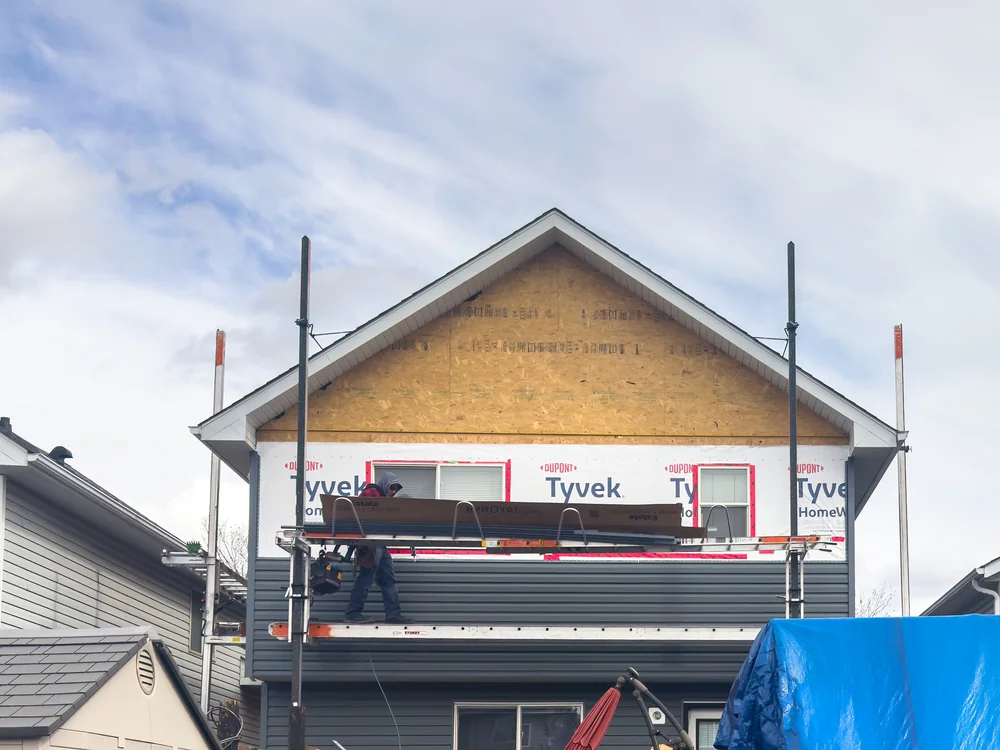
First, we inspect your existing siding and sheathing. We’re looking for hidden damage—rot, moisture intrusion, structural issues that need addressing before new siding goes up. If we find problems, you’ll know about them before we start.
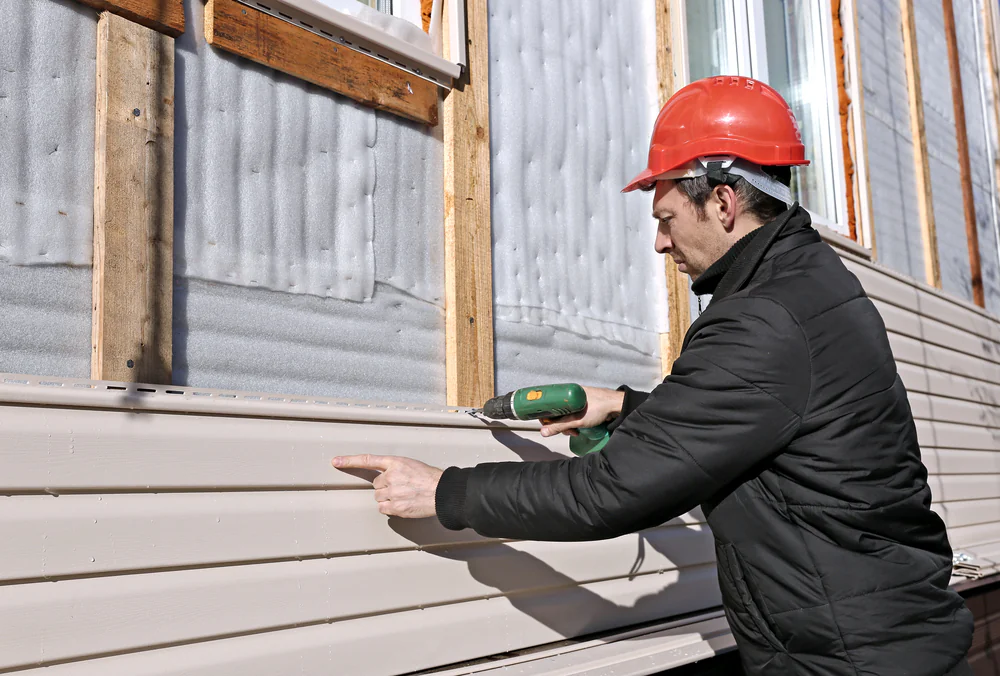
Next comes proper preparation. We remove old siding carefully to avoid damaging your home’s structure. We install house wrapping in Pinardville, NH as a moisture barrier—this step is critical and often rushed by other contractors. The wrap keeps water out while letting your walls breathe.
Then we install your chosen siding material. Whether you’ve selected vinyl or James Hardie fiber cement, every panel gets secured according to manufacturer specifications. We maintain proper spacing for expansion and contraction. We flash around windows and doors correctly. We pay attention to the details that prevent callbacks.
Final inspection covers everything. We check fastener placement, panel alignment, trim work, and cleanup. You get siding that looks right and performs for decades.
Ready to get started?
You have options beyond basic vinyl. James Hardie fiber cement siding offers the look of natural wood without the maintenance headaches. It won’t ignite when exposed to flame—some insurance companies in New Hampshire offer discounts for fiber cement because of this fire resistance.
Fiber cement siding cost in Pinardville, NH runs higher than vinyl upfront, but you’re buying durability that outlasts cheaper materials. James Hardie products come with a 30-year non-prorated warranty. They’re engineered specifically for New England’s climate challenges.
If budget matters more than aesthetics, insulated vinyl delivers excellent value. You get weather protection, energy efficiency, and minimal maintenance at a lower price point. Heavy-gauge vinyl with foam backing handles wind loads and temperature swings without cracking or warping.
Both options beat the constant maintenance cycle of wood siding. Pinardville’s humidity and temperature extremes make wood a poor long-term choice unless you enjoy regular painting and rot repair. Modern siding materials give you better performance with less work.
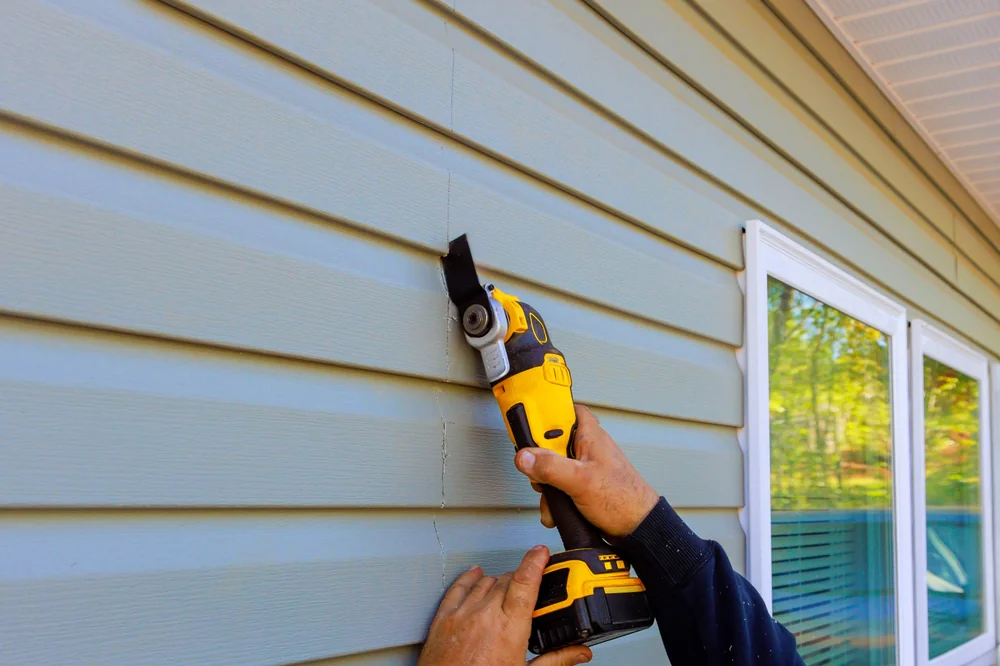
Most siding installations in Pinardville, NH take between five and ten days for an average-sized home. The timeline depends on your home’s square footage, the complexity of your roofline, and how much trim work is involved.
Weather affects the schedule too. We don’t install siding in heavy rain or when temperatures drop below manufacturer minimums—doing so compromises the installation quality and voids warranties. New Hampshire weather can be unpredictable, so we build some flexibility into every project timeline.
If we discover sheathing damage or structural issues during removal of old siding, that adds time. We won’t cover up problems just to stay on schedule. You’ll know about any additional work before we proceed, and we’ll adjust the timeline accordingly.
Vinyl costs less upfront and requires almost zero maintenance. It won’t rot, doesn’t need painting, and handles moisture well. Modern insulated vinyl provides good energy efficiency and comes in dozens of colors and styles. It’s the practical choice if you want reliable performance without ongoing costs.
Fiber cement costs more initially but offers superior durability and fire resistance. James Hardie siding won’t burn, won’t be eaten by insects, and holds up better to impact damage. It looks more like real wood than vinyl does. Many Pinardville homeowners choose fiber cement for the front of their home and vinyl for less visible sides to balance cost and curb appeal.
Both materials outperform wood siding in New Hampshire’s climate. Wood requires repainting every few years, absorbs moisture that leads to rot, and attracts insects. Unless you’re restoring a historical home, modern materials make more sense for long-term value and reduced maintenance.
Insulated siding reduces heat transfer through your exterior walls, which can cut heating and cooling costs by 15-20% depending on your home’s current condition. The savings come from the foam backing that acts as a continuous thermal barrier.
Your biggest energy losses happen at gaps, cracks, and poorly sealed joints in old siding. When we install new siding with proper house wrapping in Pinardville, NH, we’re eliminating those air leaks. The wrap stops wind from penetrating your wall cavities while the insulated siding adds R-value.
You’ll notice the difference most in rooms along exterior walls. Those spaces that were always drafty in winter or hot in summer become more comfortable. Your heating system won’t run as often because it’s not fighting constant air infiltration. The energy savings add up over time—most homeowners see the investment pay for itself within seven to ten years through reduced utility bills.
If you’re seeing cracks, warping, or rot in multiple areas, replacement makes more sense than patching. Widespread damage means your siding has reached the end of its useful life. Repairing a few sections might buy you a year or two, but you’ll be back to the same problems soon.
Check inside your home too. Water stains on interior walls near the exterior, peeling paint, or mold growth often indicate siding failure. Once moisture gets behind your siding regularly, it damages sheathing and framing. At that point, you’re not just replacing siding—you’re preventing structural damage.
High energy bills are another sign. If your heating costs have climbed and your siding is more than 15-20 years old, the material has likely degraded enough to allow significant air leakage. New insulated siding will perform better than trying to seal up failing old material. We can assess your specific situation and give you an honest answer about repair versus replacement.
Both insulated vinyl and fiber cement handle New Hampshire winters well, but they do it differently. Vinyl flexes slightly with freeze-thaw cycles, which prevents cracking. Quality vinyl siding is engineered to expand and contract without failing. It won’t absorb moisture, so there’s nothing to freeze and cause damage.
Fiber cement is rigid and extremely durable. It doesn’t flex, but it doesn’t need to—the material itself resists moisture penetration and won’t crack from temperature changes when installed correctly. James Hardie products are specifically formulated for climate zones like ours, with additives that improve freeze-thaw performance.
The installation quality matters more than the material choice. Improper fastening, inadequate expansion gaps, or missing moisture barriers will cause problems with any siding type. We see failures from rushed installations far more often than material defects. When siding is installed according to manufacturer specifications with proper house wrapping, both vinyl and fiber cement will protect your Pinardville home through decades of New England winters.
Clear the area around your home’s perimeter. We need access to all exterior walls, so move grills, patio furniture, potted plants, and anything else within about ten feet of the house. This protects your belongings and gives our crew room to work safely.
Inside, remove wall decorations and shelving on exterior walls. Siding installation creates vibration that can knock items off walls. If you have valuable or fragile items near exterior walls, secure them or move them temporarily.
Trim back any bushes or plants growing against your house. We’ll be working right up against the foundation, and vegetation in the way slows us down and can get damaged. If you have landscaping you want to protect, let us know during the estimate so we can plan accordingly. We’ll handle the rest—including protecting your lawn, cleaning up debris daily, and leaving your property in good condition when we’re done.
Other Services we provide in Pinardville