Hear from Our Customers

Your heating bill spikes every winter. Your AC runs overtime every humid summer. That’s what happens when your siding stops doing its job.
Modern siding installation in North Reading, MA changes that equation. Insulated vinyl or fiber cement siding creates a thermal barrier that keeps conditioned air inside where it belongs. You’ll notice the difference within the first month when your HVAC system isn’t working double-time to maintain temperature.
Beyond energy savings, you’re getting real protection from the weather patterns that beat up homes around here. Snow loads, ice dams, driving rain, and those brutal freeze-thaw cycles that crack inferior materials. Quality siding handles it all while maintaining curb appeal that actually increases your property value. Most homeowners recoup 75-85% of their investment at resale, with fiber cement installations hitting 88% ROI.
We operate in the top 8% of Massachusetts licensed contractors. That BuildZoom ranking isn’t handed out for showing up on time—it reflects consistent quality across hundreds of installations throughout the North Shore region.
We hold Owens Corning Preferred Contractor status and James Hardie Alliance certification. Both require strict installation standards, ongoing training, and verified insurance credentials. You’re not getting a crew that learned siding installation from YouTube videos.
North Reading homes face specific challenges—older housing stock, mature tree coverage affecting moisture levels, and exposure to nor’easters rolling in from the coast. We’ve handled these conditions across hundreds of local projects. Your home isn’t our training ground.
We start with a detailed assessment of your existing siding and underlying structure. If there’s rot, moisture damage, or structural issues, you’ll know before we touch anything. No surprises halfway through the job.
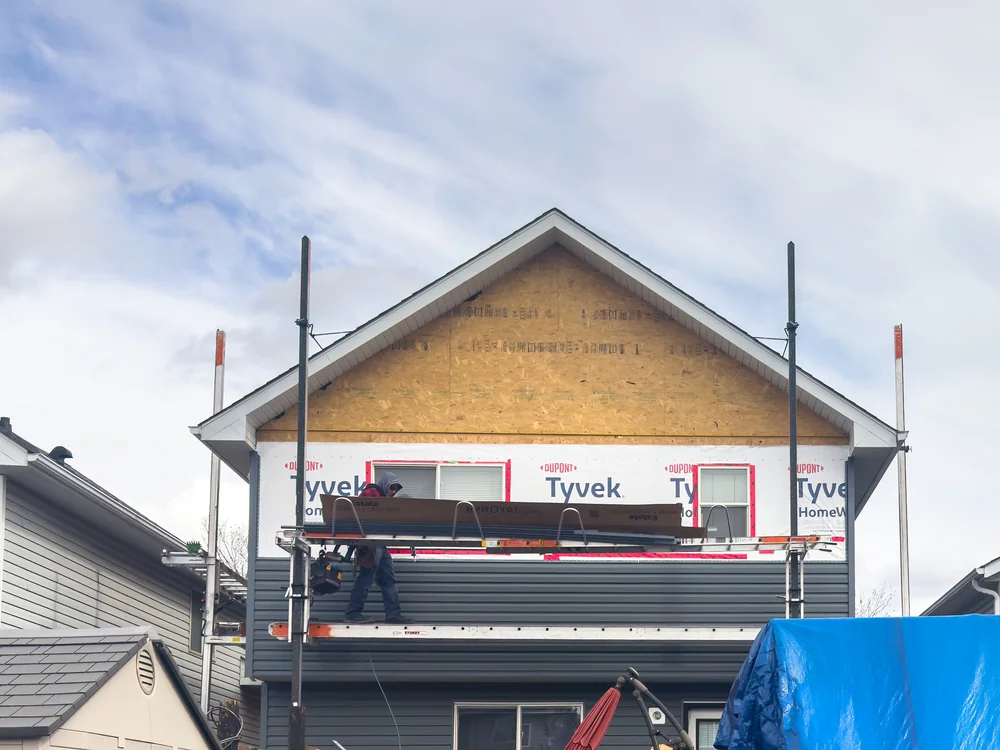
Next comes proper house wrapping installation. This moisture barrier prevents water infiltration that causes mold, rot, and insulation failure. It’s not optional—it’s the foundation of a siding system that performs for 30+ years. We fasten it correctly to your sheathing with proper overlap and sealing at all penetrations.
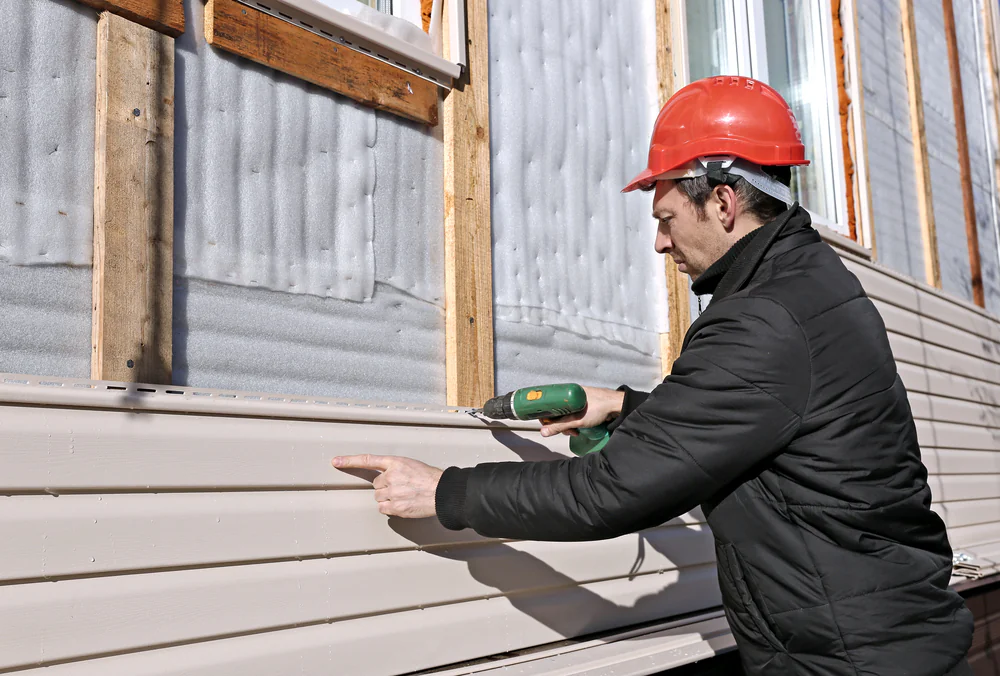
Then comes the siding itself. Fiber cement gets fastened directly through the sheathing into wall studs—not just into OSB where it’ll eventually slide off. Vinyl siding installation in North Reading, MA requires proper expansion gaps for our temperature swings. Each piece gets positioned to shed water away from your home’s envelope.
The final step covers trim work, corner details, and proper flashing around windows and doors. These transition points are where most water intrusion happens, so we seal them right the first time.
Ready to get started?
Siding installation in North Reading, MA typically runs $12,000-$28,000 for a standard single-family home, depending on material choice and square footage. That includes removal of old siding, house wrap installation, new siding, trim, and proper flashing details.
James Hardie fiber cement costs more upfront than vinyl—usually 40-60% higher. But you’re buying a 30-year product that resists fire, pests, rot, and impact damage. It holds paint for 25-30 years before needing a refresh. For homes in North Reading’s established neighborhoods where curb appeal matters, that premium pays off in resale value and long-term durability.
Vinyl siding offers excellent value for homeowners prioritizing low maintenance and energy efficiency without the higher fiber cement siding cost. Modern vinyl never needs painting, resists moisture damage, and performs well in our climate when installed correctly. It’s not the cheap vinyl from 20 years ago that cracked in cold weather.
Both options dramatically outperform wood siding, which requires repainting every 5-7 years and constant vigilance against rot and pest damage. North Reading’s mature tree canopy creates moisture conditions where wood siding struggles. You’ll spend less time on maintenance and more time enjoying your home.
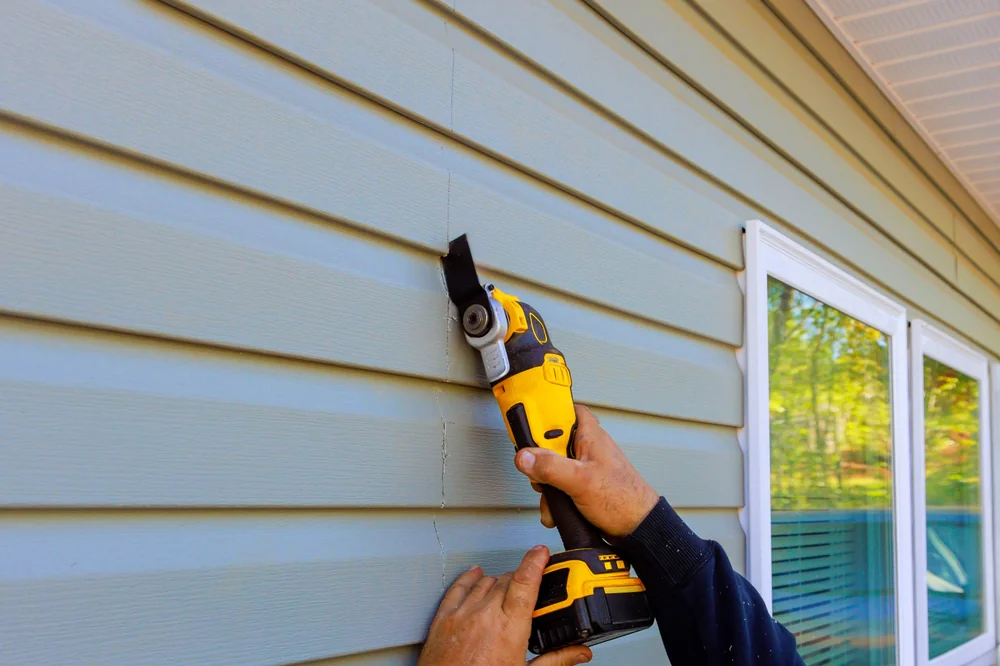
Most single-family homes in North Reading take 7-12 days for complete siding installation, depending on size, material choice, and weather conditions. A straightforward ranch might finish in a week, while a larger colonial with complex trim details could take two weeks.
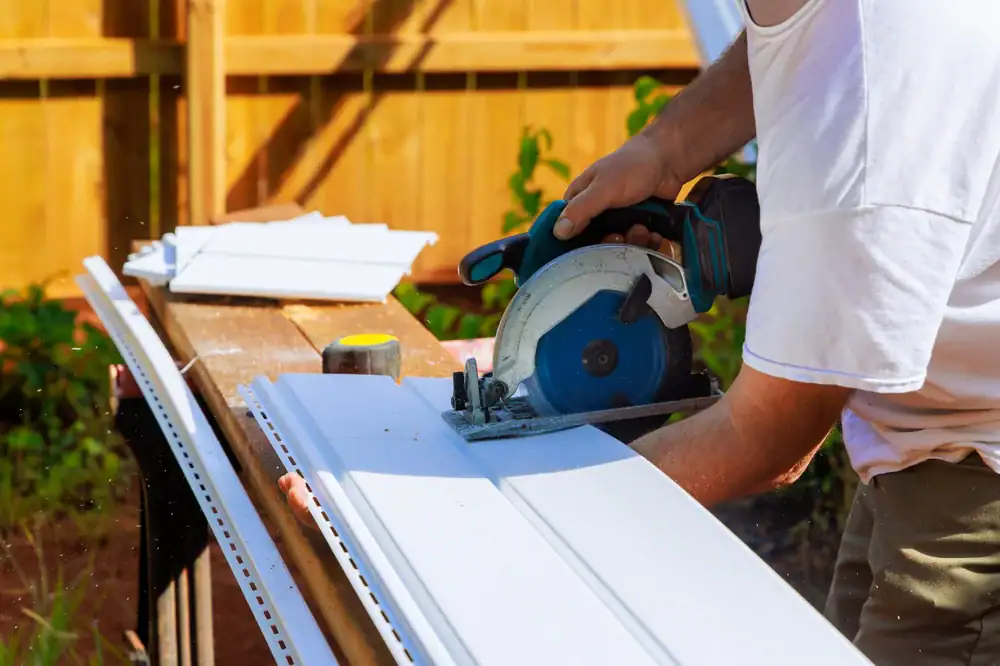
Fiber cement takes longer than vinyl because each piece requires more precise cutting and fastening. We’re working with a heavier, denser material that demands careful handling. Vinyl siding installation moves faster but still requires attention to detail at every transition point.
Weather plays a role too. We don’t install in heavy rain, extreme cold, or high winds. Massachusetts weather can be unpredictable, especially during spring and fall. We’d rather pause for a day than compromise installation quality by working in poor conditions that affect adhesion and proper fastening.
Late spring through early fall offers ideal conditions for siding installation in North Reading, MA. You want temperatures consistently above 40°F for proper material handling and adhesive performance. September and October are particularly good—moderate temperatures, lower humidity, and we sometimes offer better scheduling flexibility before winter.
Summer works fine despite heat and humidity. We just start earlier in the day and take appropriate breaks. The materials handle summer conditions without issue as long as we’re following manufacturer guidelines for expansion gaps and fastening.
Winter installation is possible but not ideal. Vinyl becomes brittle below freezing, increasing crack risk during cutting and handling. Fiber cement can be installed in cold weather, but caulks and sealants don’t cure properly below certain temperatures. If you need emergency siding repair during winter, we can handle it. For planned full-house installation, wait for better weather.
If your existing house wrap is damaged, improperly installed, or more than 20 years old, replacement makes sense during siding installation. House wrapping in North Reading, MA homes often shows deterioration around windows, doors, and bottom edges where moisture exposure is highest.
During old siding removal, we inspect the underlying wrap for tears, separation at seams, or areas where it’s pulled away from the sheathing. If we find problems, you’ll see photos and get a straight answer about whether repair or replacement is needed. Sometimes we can work around isolated damage. Other times, full replacement is the smart move.
New house wrap costs a fraction of your total siding investment but dramatically improves moisture protection and energy performance. It prevents water from reaching your sheathing and insulation while allowing water vapor to escape from inside your walls. That breathability matters in our humid summers and prevents trapped moisture that leads to mold and rot.
Insulated vinyl siding typically reduces heating and cooling costs by 15-20% compared to old, uninsulated siding. For a North Reading home spending $2,400 annually on heating and cooling, that’s $360-$480 back in your pocket every year. Over a 20-year lifespan, those savings add up to $7,200-$9,600.
The energy savings come from adding an insulation layer and eliminating air infiltration through cracks and gaps in old siding. Your HVAC system maintains temperature more easily, runs shorter cycles, and experiences less wear. You’ll notice more consistent room temperatures and fewer cold spots near exterior walls.
Fiber cement without added insulation still improves energy performance by creating a tighter building envelope and eliminating the air leaks that plague older siding. Adding rigid foam insulation beneath fiber cement boosts performance further. The exact savings depend on your current siding condition, home insulation levels, and HVAC efficiency. Homes with minimal wall insulation see the biggest improvement from insulated siding installation.
Vinyl siding needs an annual wash with a garden hose or pressure washer on low setting to remove dirt, pollen, and mildew. That’s basically it. Check caulking around windows and doors every few years and reseal if you notice gaps. Inspect after major storms for any impact damage from fallen branches—common in North Reading’s tree-lined neighborhoods.
James Hardie fiber cement requires even less attention. The factory finish resists fading, cracking, and mildew growth. You won’t need to repaint for 25-30 years if you choose prefinished ColorPlus boards. Inspect caulk joints periodically and watch for any areas where trim pieces might need attention after severe weather.
Both materials handle Massachusetts freeze-thaw cycles, ice dam runoff, and summer humidity without the constant maintenance wood siding demands. You’re not scraping, priming, and repainting every 5-7 years. You’re not replacing rotted boards or treating for carpenter ants. The new siding benefits include getting your weekends back for something other than exterior maintenance.
Fiber cement makes sense if you’re planning to stay long-term, want maximum durability, and value the premium appearance that boosts resale value in North Reading’s established neighborhoods. You’ll pay 40-60% more upfront but get superior impact resistance, fire protection, and a product that holds paint longer than any alternative.
Vinyl siding offers excellent value if you prioritize energy efficiency, minimal maintenance, and lower upfront cost. Modern vinyl performs well in our climate, never needs painting, and delivers strong ROI. It’s not a compromise—it’s a different set of priorities. Many North Reading homeowners choose vinyl and invest the cost difference in other home improvements.
Your home’s architectural style matters too. Colonial and Victorian homes often look better with fiber cement that mimics traditional wood siding profiles. Ranch and cape styles work beautifully with either material. We’ll show you samples, discuss your specific goals, and give you honest input based on hundreds of local installations. The right choice depends on your budget, timeline, and how long you plan to own the home.
Other Services we provide in North Reading