Hear from Our Customers

Your heating bill drops. That’s the first thing most Lynn homeowners notice after a proper siding installation – somewhere between 5% and 30% less spent on climate control, depending on what you’re replacing and how well the job gets done.
But the real value shows up over time. No more water sneaking behind cracked panels during March storms. No more repainting every few years because the old cedar couldn’t handle the salt air. No more wondering if that warped section near the garage is letting moisture into your walls.
Quality siding installation in Lynn, MA means your home’s exterior actually does its job. It keeps water out. It keeps heat in during winter and out during summer. It holds up against the kind of weather that makes coastal living beautiful and brutal at the same time.
And when you eventually sell, buyers notice. Homes with newer siding move faster and command better prices because nobody wants to inherit someone else’s exterior problems.
We’ve spent nearly two decades installing siding on Lynn homes. We’re local, we’re licensed, and we understand what North Shore weather does to exterior materials.
You won’t get a sales pitch from us about being the cheapest option in town. You’ll get straight answers about what your home needs, what different materials actually cost, and how long each option typically lasts in this climate.
We’ve seen what happens when siding gets installed wrong – by contractors who don’t understand coastal conditions or who rush through the house wrapping step to save time. That’s why we focus on doing it right the first time, even when that means taking longer or recommending a material that costs us more to install.
It starts with us looking at your current siding and the structure underneath. We’re checking for rot, water damage, and whether your sheathing needs attention before new siding goes up. Skipping this step is how contractors hide problems that come back to bite you later.
Next comes material selection. Vinyl siding installation in Lynn, MA makes sense for a lot of homes – it’s durable, low maintenance, and handles coastal weather well when properly installed. Fiber cement siding costs more upfront but lasts longer and holds up even better against salt air and impact. James Hardie installers in Lynn often recommend their HZ5 line specifically because it’s engineered for freeze-thaw cycles and moisture management.
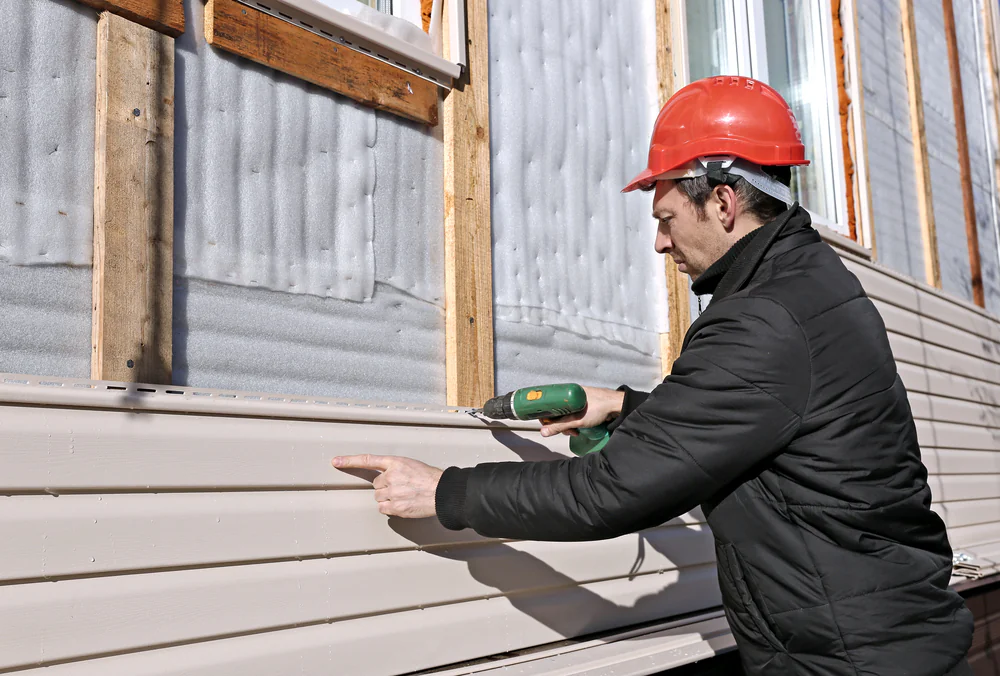
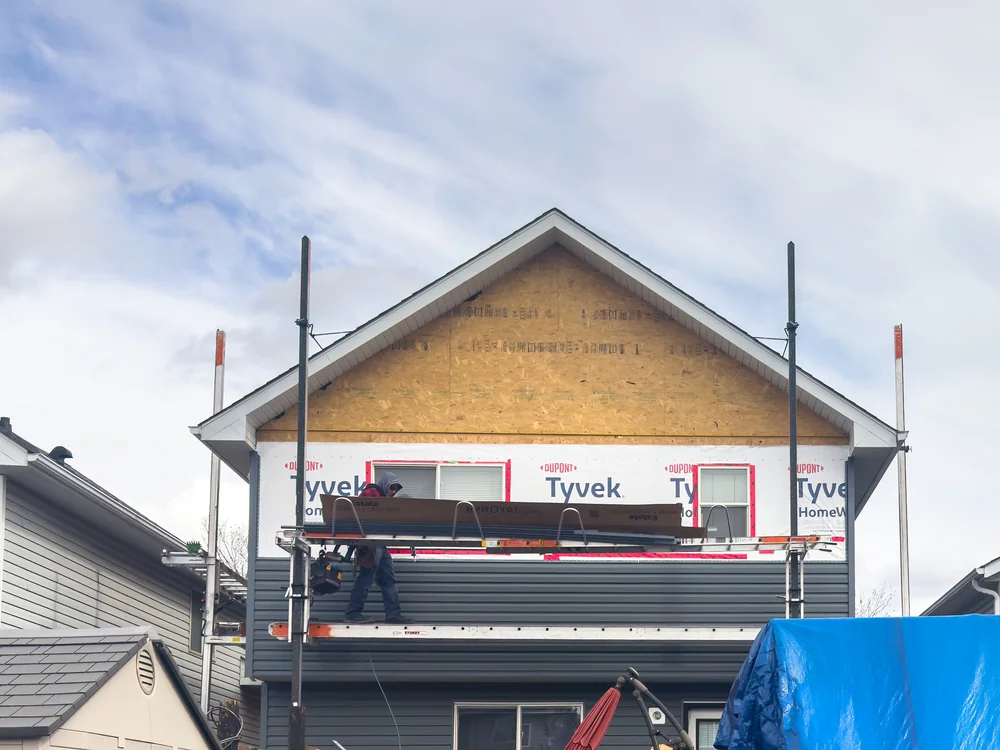
The actual installation involves proper house wrapping in Lynn, MA – creating a weather barrier before the first panel goes up. Then we install from bottom to top, making sure each piece is level, properly fastened, and overlapped correctly. Corners, trim, and penetrations around windows get extra attention because that’s where most water intrusion starts.
Final inspection covers everything. We check that J-channels are sealed, that expansion gaps allow for temperature changes, and that your new siding is ready for whatever weather comes next.
Ready to get started?
A complete siding installation in Lynn, MA includes removal of your old siding, inspection and repair of underlying structure, professional-grade house wrapping, and installation of your chosen material with proper flashing and trim work.
Lynn homes face specific challenges that affect material choice. The salt air here corrodes faster than inland areas. Nor’easters hit hard from the northeast, driving rain into any gap or crack. Winter freeze-thaw cycles stress materials that aren’t designed for it. Your siding needs to handle all of that.
Vinyl remains popular because it won’t rot, doesn’t need painting, and modern formulations resist fading and cracking much better than older versions. Expect to pay between $18,000 and $30,600 for a complete vinyl siding installation on an average two-story Lynn home.
Fiber cement siding in Lynn, MA costs more – usually 30-50% above vinyl – but it’s non-combustible, won’t melt or warp, and typically recovers about 90% of its cost when you sell. James Hardie’s fiber cement products are 90% sand and cement, engineered specifically to resist the kind of moisture and temperature swings that Lynn experiences.
The best time for installation is spring or fall when temperatures are moderate and humidity is lower. But if you’re dealing with damaged siding that’s letting water in, waiting for perfect weather isn’t always an option.
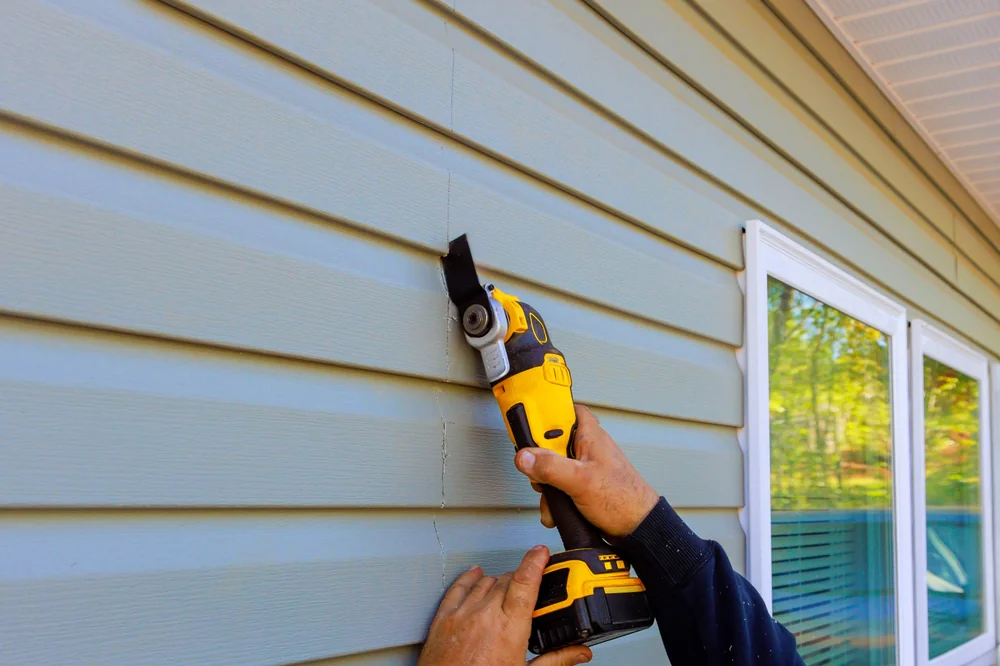
Most siding installations in Lynn, MA take between one and three weeks, depending on your home’s size, the material you choose, and what we find when the old siding comes off.
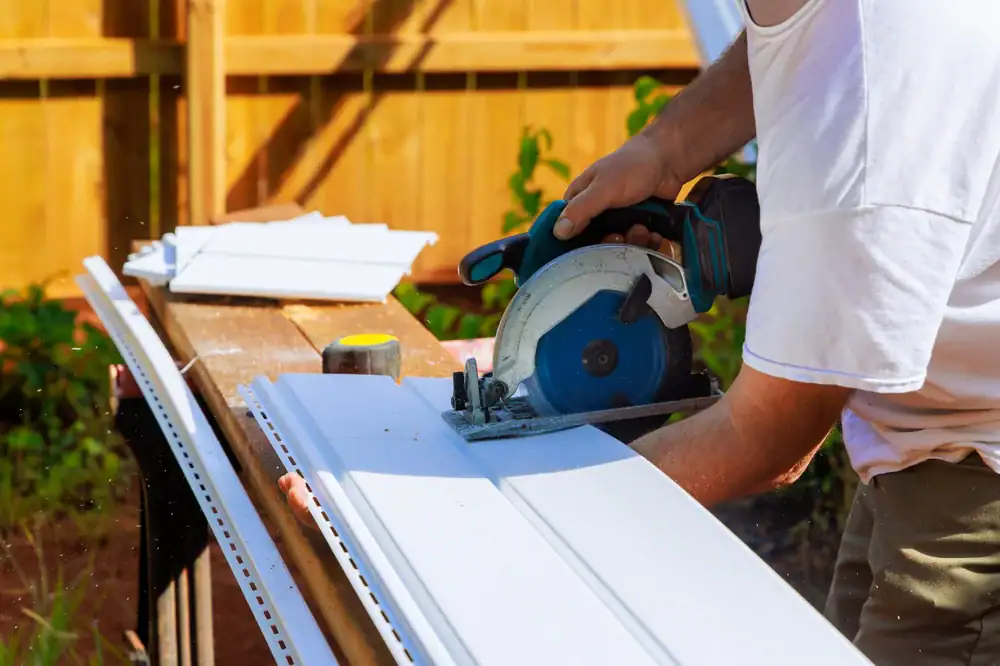
A straightforward vinyl siding job on a ranch or cape might wrap up in 5-7 days if weather cooperates and we don’t discover underlying damage. Two-story colonials typically take 10-14 days. Fiber cement takes longer to install than vinyl because each piece needs to be cut and fastened more carefully.
The timeline extends if we find rot in your sheathing or framing that needs repair before new siding goes up. We won’t cover up structural problems – that just creates bigger issues down the road. Weather also plays a role. We can work in light rain, but we won’t install house wrapping or siding during heavy storms or when temperatures drop too low for materials to seal properly.
Vinyl siding costs less, installs faster, and requires almost no maintenance beyond occasional washing. Fiber cement costs more, takes longer to install, but outlasts vinyl and handles impact and fire better.
For Lynn homeowners, both materials work well in coastal conditions when installed correctly. Vinyl won’t corrode from salt air, won’t rot, and modern formulations resist the fading and cracking that plagued older vinyl. You’re looking at 20-30 years of life expectancy with minimal upkeep.
Fiber cement – especially James Hardie’s HZ5 products – is engineered specifically for freeze-thaw cycles and moisture management. It’s heavier, more impact-resistant, and non-combustible. It won’t melt during a fire like vinyl can. The tradeoff is cost and installation time. But if you’re planning to stay in your home long-term or want the absolute best protection against New England weather, fiber cement makes sense.
Neither option is wrong. It depends on your budget, how long you plan to own the home, and what matters more to you – lower upfront cost or maximum durability.
Complete vinyl siding replacement on an average two-story Lynn home typically runs between $18,000 and $30,600. Fiber cement siding installation in Lynn, MA costs 30-50% more – usually $25,000 to $45,000 for the same size home.
Those ranges are wide because every home is different. Your total cost depends on square footage, how much trim and detail work is involved, whether we’re removing one layer of old siding or multiple layers, and what condition your sheathing is in underneath.
Repairs add to the cost. If we find rotted sheathing or framing when the old siding comes off, that needs to be fixed before new siding goes up. Most Lynn homes built before 1980 have at least some areas that need attention, especially on north-facing walls or around old window installations where water has been sneaking in.
We provide detailed estimates after looking at your specific home. No ballpark numbers over the phone, no pressure to decide on the spot. You’ll know exactly what the job includes and what it costs before any work starts.
Yes, but how much depends on what you currently have and how well the installation is done. Most Lynn homeowners see energy cost reductions between 5% and 30% after proper siding installation with quality house wrapping.
The biggest gains come from replacing old, damaged siding that’s letting air infiltrate around the edges. If your current siding has cracks, gaps, or sections that have pulled away from the house, you’re losing conditioned air. New siding with proper weather barrier installation stops those leaks.
The house wrapping step matters more than most people realize. That layer between your sheathing and your siding is what actually blocks wind and moisture. Cheap house wrapping or sloppy installation undermines even the best siding material. We use professional-grade weather barriers and install them according to manufacturer specs because that’s where real energy savings come from.
Don’t expect new siding alone to cut your heating bill in half. But combined with proper insulation and air sealing, it’s a significant piece of making your home more efficient – especially important in Lynn where heating season runs from October through April.
If damage is limited to a few panels on one section of your home, repair usually makes sense. If you’re seeing problems on multiple walls or if your siding is more than 25 years old, replacement is typically the better investment.
Look for these signs that point toward full replacement: cracking or warping on different sides of your home, fading that’s uneven or severe, sections that feel soft or loose when you push on them, or visible moisture damage on interior walls. Those indicate your siding isn’t protecting your home anymore.
Also consider whether you can still get matching materials. If your siding was installed 20+ years ago, finding exact color and style matches for repairs can be difficult or impossible. Mismatched patches stand out and hurt curb appeal.
We’ll give you an honest assessment when we look at your home. Sometimes a repair buys you a few more years. Sometimes it’s throwing money at a problem that’s only going to get worse. We’ll explain what we’re seeing and why we’re recommending one approach over the other.
Fiber cement and quality vinyl both perform well in Lynn’s coastal conditions. Fiber cement has the edge on durability and impact resistance. Vinyl wins on cost and maintenance requirements.
Lynn’s location on the North Shore means your siding faces salt air, nor’easters, freeze-thaw cycles, and high humidity. Wood siding struggles here unless you’re committed to regular maintenance and repainting. Aluminum dents and corrodes. That leaves vinyl and fiber cement as the most practical options for most homeowners.
Modern vinyl formulations resist UV damage and temperature extremes much better than older products. Quality vinyl siding won’t crack in cold weather or warp in summer heat. It won’t corrode from salt exposure. The main vulnerability is impact – a hard hit from debris during a storm can crack vinyl panels.
Fiber cement handles everything Lynn weather throws at it. James Hardie’s HZ5 products are specifically engineered for cold climates with enhanced moisture management. It’s non-combustible, won’t melt or warp, and stands up to impact better than vinyl. The tradeoff is higher cost and more complex installation.
Both materials work. Your choice comes down to budget and priorities. We install both regularly on Lynn homes and can show you examples of how each performs over time.