Hear from Our Customers

You stop worrying about moisture creeping behind your walls. The drafts around your windows disappear, and your heating bills drop because air isn’t leaking through failing panels.
Your home looks sharp again. Not just for a season, but for years without the constant maintenance cycle that eats up your weekends and your wallet.
Fiber cement siding installation in Hampton Beach holds up where vinyl cracks and wood rots. It’s engineered for high-humidity coastal zones, which means it’s built specifically for the conditions your home faces every single day. You’re not repainting every few years. You’re not replacing warped boards. You’re done dealing with it.
We’ve handled siding projects across the seacoast for over a decade. We know what Hampton Beach homes deal with because we’ve stripped off the damaged siding and seen what happens when the wrong materials get installed by the wrong crew.
We’re Owens Corning Preferred Contractors, which means we meet their standards for installation quality and customer service. That’s not marketing language—it’s a certification they pull if you don’t maintain it.
Hampton Beach properties face unique challenges. The salt air here isn’t just unpleasant—it actively breaks down coatings and invites rot. We account for that in material selection, house wrapping, and moisture barriers. Your home isn’t inland. Your siding installation shouldn’t be treated like it is.
We start with an on-site consultation. You show us what’s failing, we inspect the underlying structure, and we talk through material options based on your home’s exposure and your budget. No pressure, just information.
Once you’re ready to move forward, we pull permits if needed and order materials. We don’t start until everything’s on site and the weather window is clear. Coastal jobs get delayed by wind and rain—we plan around that instead of rushing through it.
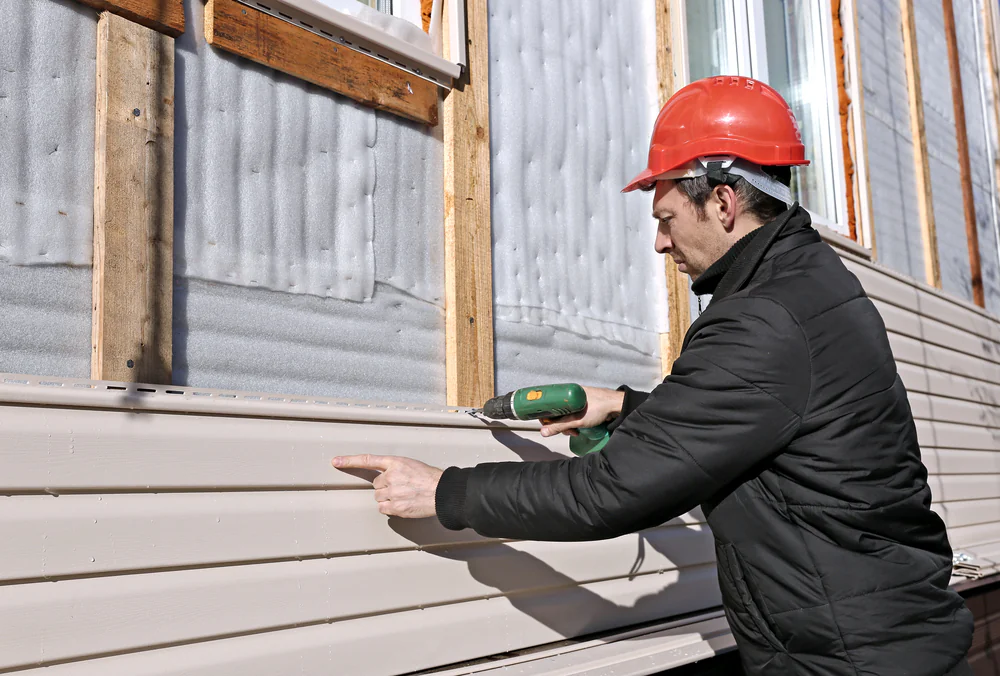
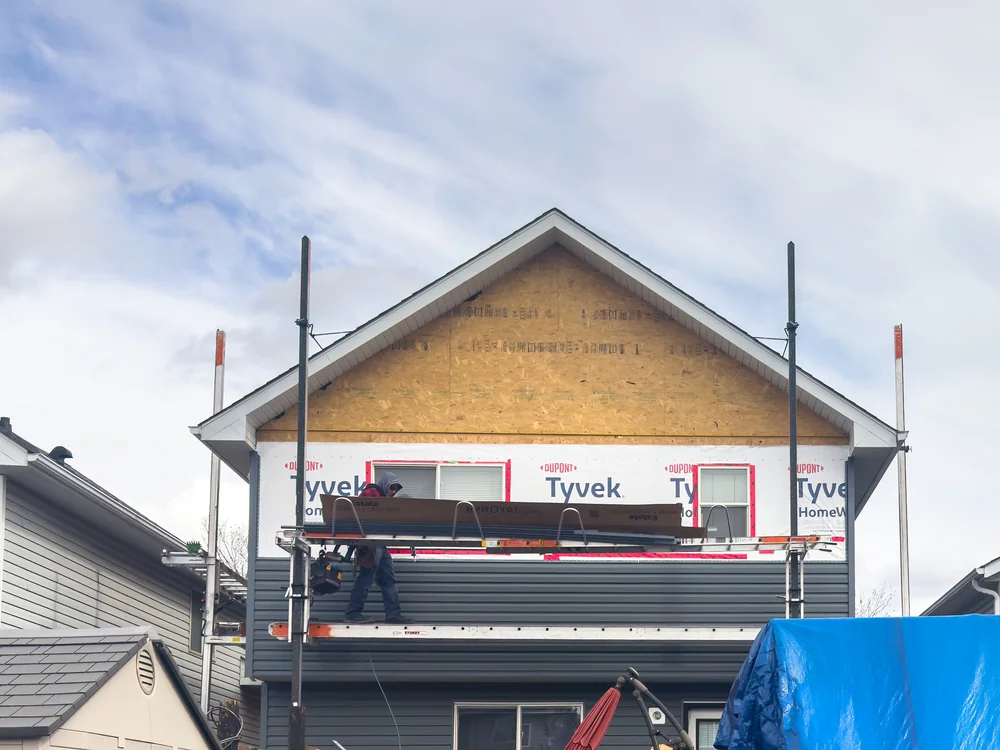
Installation starts with removing old siding and inspecting sheathing for rot or damage. If there’s an issue, we fix it before new siding goes up. Then we install house wrapping and moisture barriers properly—this step matters more than most homeowners realize. Finally, new siding goes on with correct fastening, flashing, and sealing. We clean up daily and do a final walkthrough with you before calling it done.
Ready to get started?
You’re getting full removal of existing siding and proper disposal. We’re not covering up problems—we’re fixing them. Any damaged sheathing or framing gets addressed before new materials go up.
House wrapping and moisture barrier installation is standard. In Hampton Beach, this isn’t optional. The humidity and salt air will find every gap, and moisture damage costs more to fix later than doing it right now.
We install James Hardie fiber cement, quality vinyl, or other materials depending on what makes sense for your home and budget. Fiber cement costs more upfront—around $3 to $3.50 per square foot compared to vinyl—but it lasts 50 years with minimal maintenance. That’s the difference between repainting every seven years or not touching it for decades. For coastal homes, that durability matters. The ROI on fiber cement siding averages 77.6% compared to vinyl’s 74.7%, and it’s fire-resistant, which vinyl isn’t.
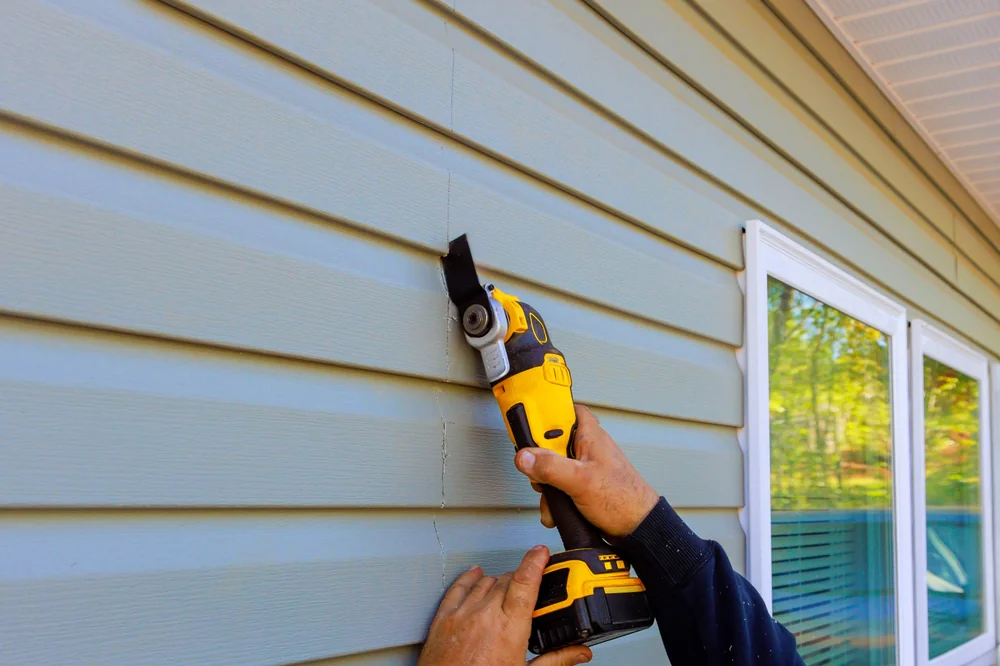
Fiber cement is the most durable option for coastal environments. It’s engineered to handle high humidity, salt spray, and UV exposure without warping, cracking, or rotting the way wood and vinyl do.
James Hardie specifically formulates their products for different climate zones. Their coastal formula includes UV-resistant finishes and holds up to moisture better than standard fiber cement. It doesn’t attract mold the way wood does, and it won’t crack in freeze-thaw cycles like vinyl can.
Vinyl works if budget is tight, but expect to replace it sooner. Salt air breaks down the protective coatings faster here than inland, and you’ll see fading and brittleness within 15 years instead of 25. Wood looks great but requires repainting every 7-10 years in this climate, and rot is almost inevitable without obsessive maintenance.
Full siding replacement typically runs between $12,000 and $20,000 depending on your home’s size, material choice, and how much underlying damage needs repair. Vinyl is cheaper upfront—around $12,600 to $14,400 for an average home. Fiber cement runs $15,000 to $17,000 or more.
The gap closes when you factor in longevity. Fiber cement lasts 50 years with minimal maintenance. Vinyl might last 20-25 years in coastal conditions before it needs replacement. Wood requires repainting every decade, which adds up fast.
If we find rot or structural damage during removal, that adds to the cost. It’s impossible to quote that without seeing what’s behind your current siding. We give you a clear estimate after the inspection, and we don’t start work until you approve any additional repairs. No surprises halfway through the job.
Yes. House wrap is your home’s primary defense against moisture infiltration, and in Hampton Beach, moisture is constant. Salt air carries humidity that works its way behind siding through every seam and fastener hole.
Without proper house wrap and moisture barriers, you’re inviting mold, wood rot, and insulation damage. Those problems cost significantly more to fix than installing the barrier correctly the first time. We’ve torn off siding on homes where this step was skipped, and the damage behind it is ugly—rotted sheathing, destroyed insulation, mold growth that spreads into wall cavities.
Quality house wrap also improves energy efficiency. It blocks air infiltration while allowing moisture vapor to escape, which means your heating and cooling systems work less. Homeowners see energy cost reductions of up to 20% with properly installed insulated siding and moisture barriers. That pays for itself within 7-10 years.
Most residential siding jobs take one to three weeks depending on home size and weather. Coastal weather is unpredictable—we don’t install in high winds or rain because it compromises the moisture barrier and flashing work.
The process breaks down like this: one to two days for removal and inspection, one day for house wrap and moisture barrier installation, and the rest for siding installation and trim work. Larger homes or complex architecture takes longer. If we find structural damage during removal, repairs add time before new siding goes up.
We give you a timeline during the estimate and update you if weather or unexpected issues cause delays. Rushing a siding job to hit a deadline is how you end up with moisture problems and callbacks. We’d rather take an extra few days and do it right than cut corners to finish fast.
James Hardie costs more but lasts longer and requires almost no maintenance. Vinyl costs less upfront but needs replacement sooner, especially in coastal environments. The right choice depends on how long you’re staying in the home and what your budget allows.
If you’re planning to stay 15+ years, fiber cement makes financial sense. You’re paying roughly twice as much upfront—$3 to $3.50 per square foot versus $1.50 to $2 for vinyl—but you’re getting 50 years of life instead of 20-25. You’re also not repainting, which saves thousands over time. James Hardie’s ColorPlus technology means the color is baked in and holds up to UV exposure without fading.
Vinyl works if you need to keep costs down or you’re planning to sell within a decade. It still improves curb appeal and energy efficiency. Just know that Hampton Beach’s salt air and humidity will wear it down faster than it would inland. You’ll see fading and brittleness sooner, and replacement comes quicker.
We stop, document it, and give you a clear explanation of what needs repair before moving forward. You approve the additional work and cost before we proceed. No surprises, no pressure.
Rot and structural damage are common in coastal homes, especially if the original siding was installed without proper moisture barriers. We’ve seen homes where 20-30% of the sheathing needs replacement because water got behind the siding and sat there for years. It’s not visible until the old siding comes off.
Fixing it adds cost, but leaving it guarantees bigger problems. Rotted sheathing won’t hold fasteners, which means your new siding won’t stay attached properly. Moisture damage spreads into framing and insulation, and mold becomes a health issue. We handle the repairs as part of the job so your new siding goes on a solid, dry surface that’ll actually last.
Other Services we provide in Hampton Beach