Hear from Our Customers

You stop worrying about what last night’s storm did to your house. Your energy bills drop because cold air isn’t sneaking through gaps in warped panels. You’re not repainting every few years or dealing with rotted wood behind your trim.
Proper siding installation in Groveland means your exterior handles what Massachusetts throws at it—freezing winters, humid summers, and everything between. The right material, installed correctly, keeps moisture out of your walls and insulation working the way it should.
You get decades of protection instead of a temporary fix. Your home looks better, holds its value, and stops being a maintenance project every spring. That’s what quality siding does when it’s done right.
We’ve been handling exterior projects in Groveland and throughout Essex County since 2006. We’re not new to this, and we’re not trying to figure it out on your house.
We’re an Owens Corning Preferred Contractor, which means we’ve met their standards for quality work and customer service. We show up when we say we will, we explain what we’re doing and why, and we don’t leave until the job’s done right.
Groveland homes deal with specific challenges—older housing stock, varied architectural styles, and weather that tests every exterior material. We’ve worked on enough properties here to know what holds up and what doesn’t.
First, we come look at your house. We check what’s underneath your current siding, measure everything, and talk through what you’re dealing with—damage, energy loss, maintenance headaches, whatever brought you here.
Then we walk you through your options. Vinyl siding installation in Groveland runs differently than fiber cement, and James Hardie installation handles materials that cost more upfront but last longer. We explain the real differences, not just the marketing claims, so you can make a decision that fits your budget and timeline.
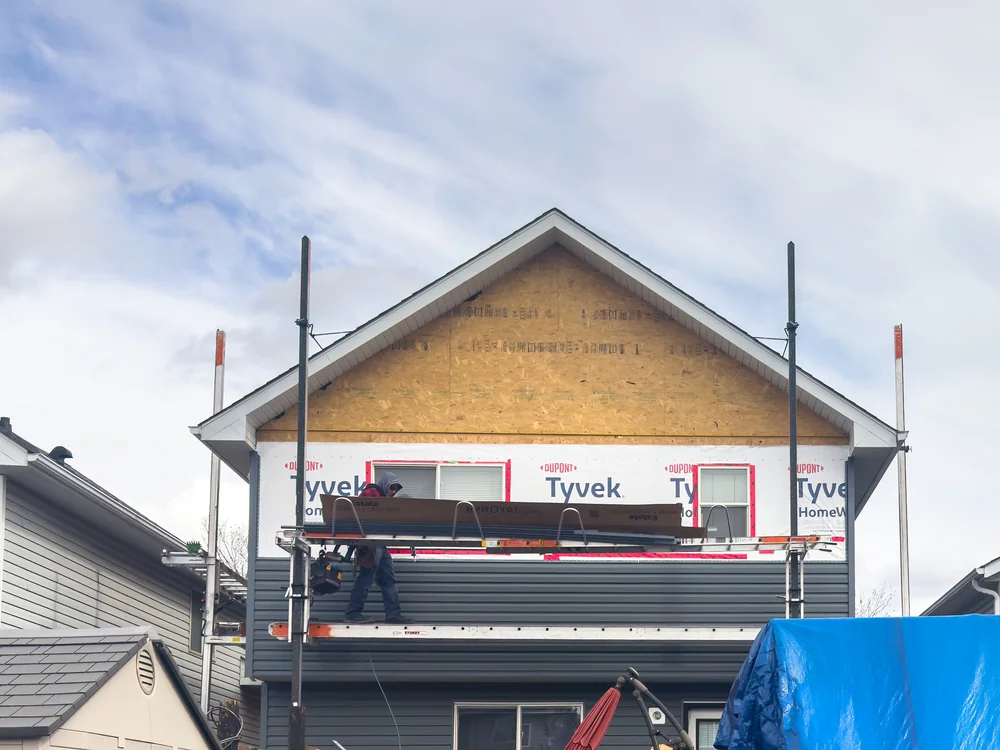
Once you’re ready, we handle the permits and order materials. Installation starts with house wrapping—the moisture barrier that protects your sheathing and insulation. Then we install your new siding, working section by section, making sure everything’s level, sealed, and built to last.
You’ll see progress every day, and we clean up before we leave each evening. When we’re done, you get a home that’s protected, efficient, and ready for whatever comes next.
Ready to get started?
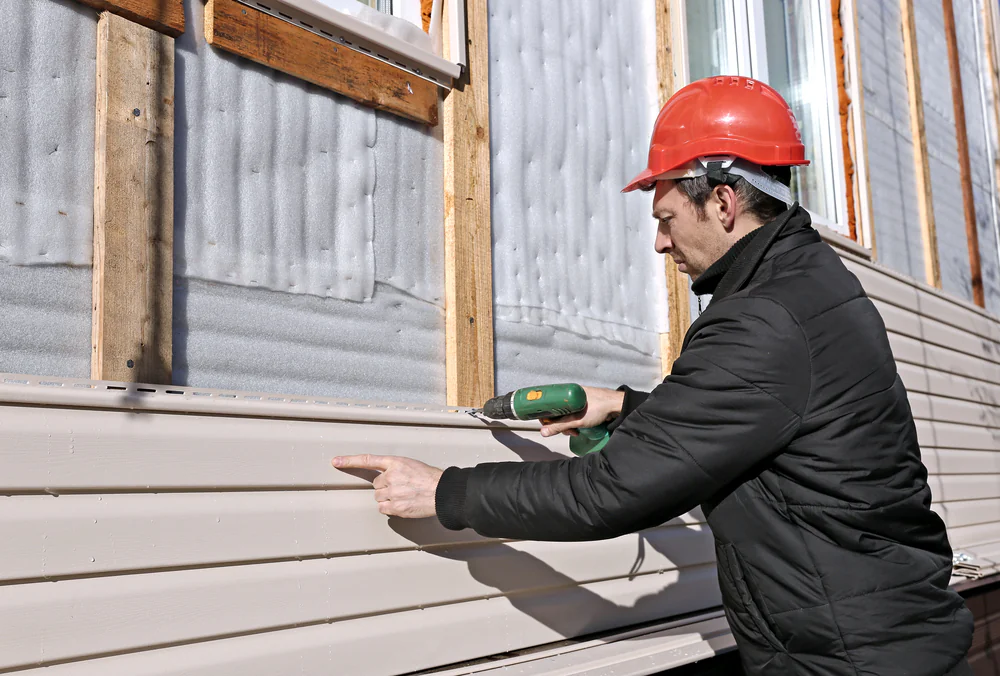
Every siding installation in Groveland starts with proper preparation. That means removing your old siding, inspecting the sheathing underneath, and replacing any damaged sections before new material goes up. Skipping this step is how problems hide for years.
House wrapping comes next. This moisture barrier is critical in Massachusetts—it channels water away from your walls and keeps your insulation dry. Without it, even the best siding fails early.
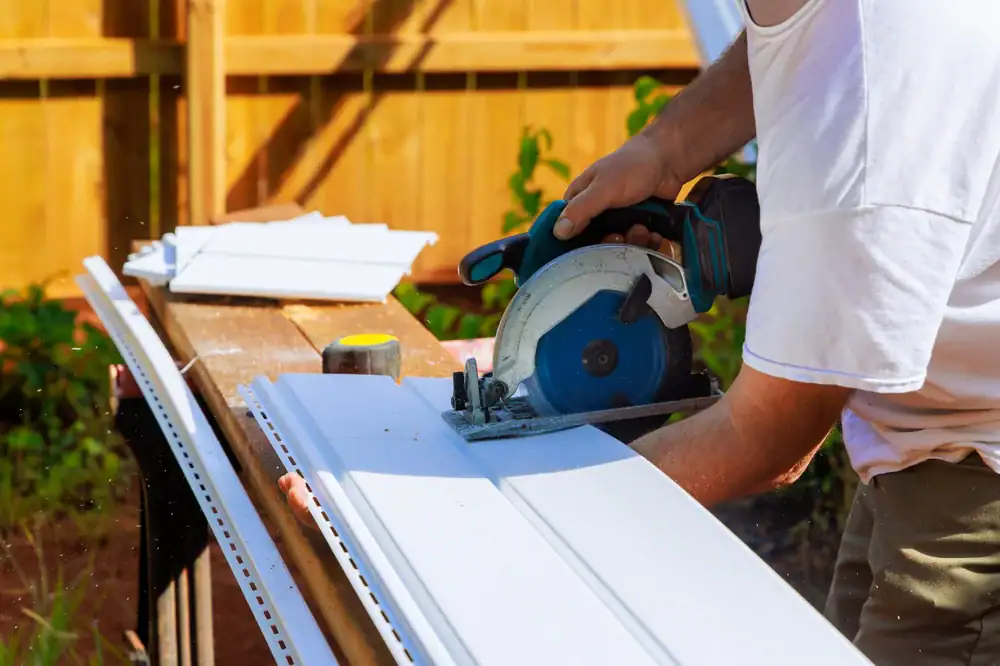
Then comes your actual siding material. Whether you choose vinyl for affordability and low maintenance, or fiber cement for maximum durability and fire resistance, installation quality matters more than the product name. Proper flashing around windows and doors, correct nailing patterns, and attention to expansion gaps—that’s what separates a 15-year job from a 50-year job.
Groveland’s housing mix means we’re often matching existing architectural details or working around unique trim. We handle that. You get new siding benefits without losing the character that makes your house yours.
Most siding projects in Groveland run between $12,000 and $28,000, depending on your home’s size and the material you choose. Vinyl siding installation in Groveland typically costs $6 to $9 per square foot installed, while fiber cement siding cost in Groveland runs $9 to $15 per square foot.
Those ranges include removal of old siding, house wrapping, new material, and trim work. Larger homes or complicated architectural details push costs higher. Smaller ranch homes usually fall on the lower end.
The number that matters isn’t the cheapest bid—it’s what you’re actually getting. A $10,000 vinyl job without proper house wrapping will cost you more in energy bills and early replacement than a $16,000 fiber cement installation done right. We break down exactly what you’re paying for so you can compare accurately.
Fiber cement handles New England weather better than anything else. It doesn’t warp in humidity, crack in cold, or melt in heat. We see this material last 50 years with minimal maintenance—no repainting every 5 years like wood, no brittleness like old vinyl.
That said, modern vinyl siding works well if budget’s tight and you’re not planning to stay in the house for decades. It’s improved significantly in the last 10 years. You’ll get 20 to 30 years out of quality vinyl if it’s installed correctly.
Wood siding looks beautiful but demands constant attention in Massachusetts. You’re repainting or restaining every 5 to 7 years, dealing with rot, and replacing boards damaged by moisture or pests. Most Groveland homeowners don’t want that maintenance burden anymore, which is why fiber cement has taken over—it gives you the look of wood with none of the upkeep.
Most homes in Groveland take 5 to 10 days for complete siding installation, depending on size and complexity. A straightforward ranch might be done in a week. A larger colonial with detailed trim work could take two weeks.
Weather affects the timeline—we can’t install siding in heavy rain or freezing temperatures. Spring and fall offer the most consistent work windows, though we do summer projects when homeowners need them done.
You’ll have access to your house the entire time. We’re not tearing off all your siding at once and leaving you exposed. We work section by section, so your home stays protected even mid-project. Expect some noise during work hours, but we clean up daily and don’t leave materials scattered across your yard overnight.
You need house wrapping. Period. It’s not optional if you want your siding to last and your walls to stay dry. House wrapping in Groveland creates a moisture barrier that channels water away from your sheathing and insulation—without it, you’re trapping moisture behind your siding where it causes mold and rot.
Massachusetts building code requires it on new construction for good reason. Even though it’s technically not required on remodels, skipping it is asking for problems. You’ll save maybe $1,000 upfront and spend $5,000 fixing water damage five years later.
Quality house wrap also improves energy efficiency by reducing air infiltration. That means lower heating bills in winter and better cooling in summer. The new siding benefits you’re paying for—durability, protection, efficiency—all depend on proper house wrapping underneath. Any contractor who suggests skipping it to lower your bid is someone you don’t want touching your house.
Yes, but how much depends on what you’re replacing and whether you add insulation during installation. If your current siding is warped, cracked, or pulling away from the house, new siding installation in Groveland will noticeably reduce drafts and improve comfort.
Most homeowners see energy bill reductions of 15% to 25% after replacing failing siding with new material and proper house wrapping. That’s real money in Massachusetts, where heating costs hit hard every winter.
Insulated vinyl or adding foam board behind fiber cement boosts those savings even more. You’re creating a continuous thermal barrier that keeps conditioned air inside where it belongs. Your HVAC system runs less, wears out slower, and keeps your house more comfortable year-round. The payback period on energy savings alone usually runs 7 to 12 years—then it’s pure savings for the remaining life of your siding.
If damage covers more than 30% of your siding, replacement makes more financial sense than patching. You’re paying for labor either way, and piecemeal repairs on old siding just delay the inevitable while leaving weak spots that leak.
Look for these signs that replacement is your better option: multiple sections with cracks or holes, visible warping or buckling, faded color across most of the house, or peeling paint that keeps coming back no matter how often you repaint. Interior signs matter too—if you’re seeing mold, peeling wallpaper, or water stains inside, your siding is already failing.
Repairs work when damage is isolated—a few boards hit by a fallen branch, one section dented by hail, or trim that’s rotted but the main siding is fine. We’ll tell you honestly which situation you’re in. There’s no point selling you a full replacement if a repair solves your problem, and there’s no point patching something that’s going to fail completely in two years.