Hear from Our Customers

Your heating bills drop because cold air isn’t sneaking through gaps anymore. That’s the first thing most Dracut homeowners notice after a proper vinyl siding installation—the house just feels tighter, warmer, and you’re not cranking the thermostat every time the wind picks up.
The second thing you notice is how much better your home looks from the street. Faded, cracked siding makes everything look tired. Fresh fiber cement siding in Dracut, MA brings back that clean, sharp appearance that makes you feel good pulling into your driveway.
Then there’s the maintenance piece. If you’ve been repainting wood siding every few years or dealing with rot around the trim, that stops. Quality siding installation means you’re done with that cycle. We know how to set up a system that lasts decades without the constant upkeep.
You also get real protection from the weather we deal with here. Heavy snow, ice, summer storms—it all hits your exterior first. When your siding and house wrapping in Dracut, MA are installed correctly, water stays out, your structure stays dry, and you avoid the expensive problems that come from moisture getting where it shouldn’t.
Paradise Remodeling Inc has been handling exterior projects in Dracut for nearly two decades. We’re not new to how homes here respond to freeze-thaw cycles, how moisture moves through older construction, or what holds up long-term in this climate.
We’re licensed, insured, and ranked in the top 8% of Massachusetts contractors. That’s not something we paid for—it’s based on verified work, customer feedback, and how we handle projects from start to finish.
Most of our work comes from referrals. That happens when you show up on time, do what you said you’d do, and make sure the job is done right before you leave. Dracut homeowners expect that level of service, and we’ve built our reputation on delivering it consistently.
First, we come out to look at your home. We’re checking the condition of what’s there now, looking for any underlying issues with sheathing or framing, and measuring everything so the estimate is accurate. If there’s rot or water damage, we’ll tell you upfront—it needs to be fixed before new siding goes on.
Once you’re ready to move forward, we order materials. For James Hardie fiber cement siding in Dracut, MA, manufacturing takes about four to six weeks. Vinyl is usually faster. We schedule the installation based on when everything arrives and what the weather looks like.
Installation starts with removing your old siding. We protect your landscaping, set up containment for debris, and strip everything down to the sheathing. Then we inspect again—sometimes you find issues that weren’t visible until the old material comes off.
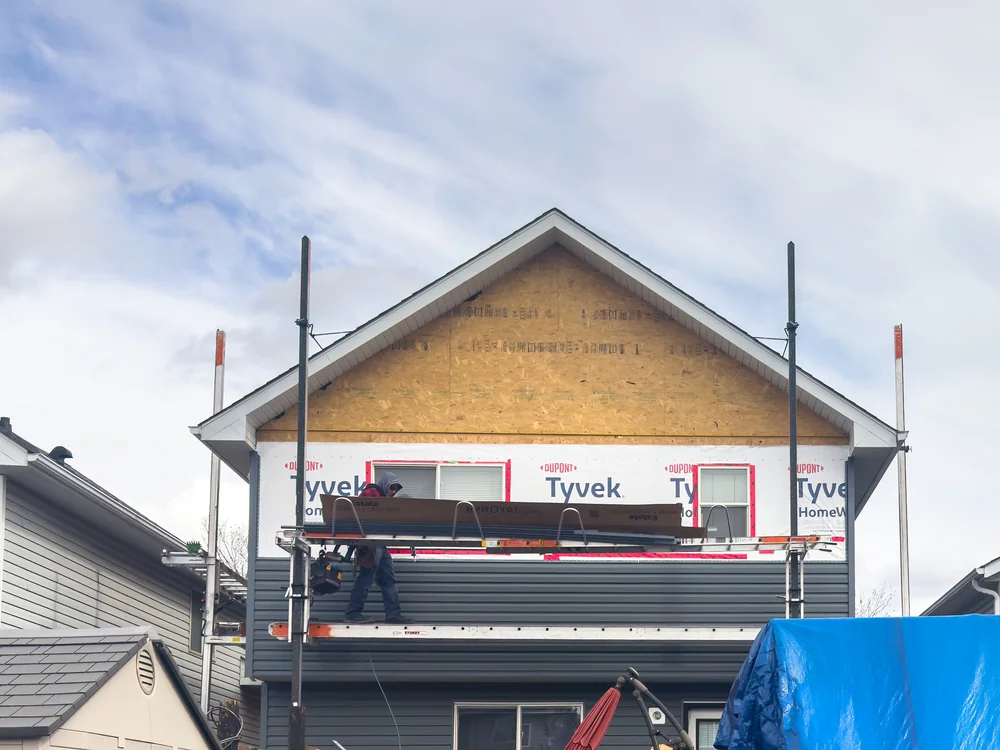
Next comes house wrapping. This is critical. The weather-resistive barrier goes on before any siding, and it’s what actually keeps water out of your walls. We make sure it’s installed correctly with proper overlaps and flashing around windows and doors.
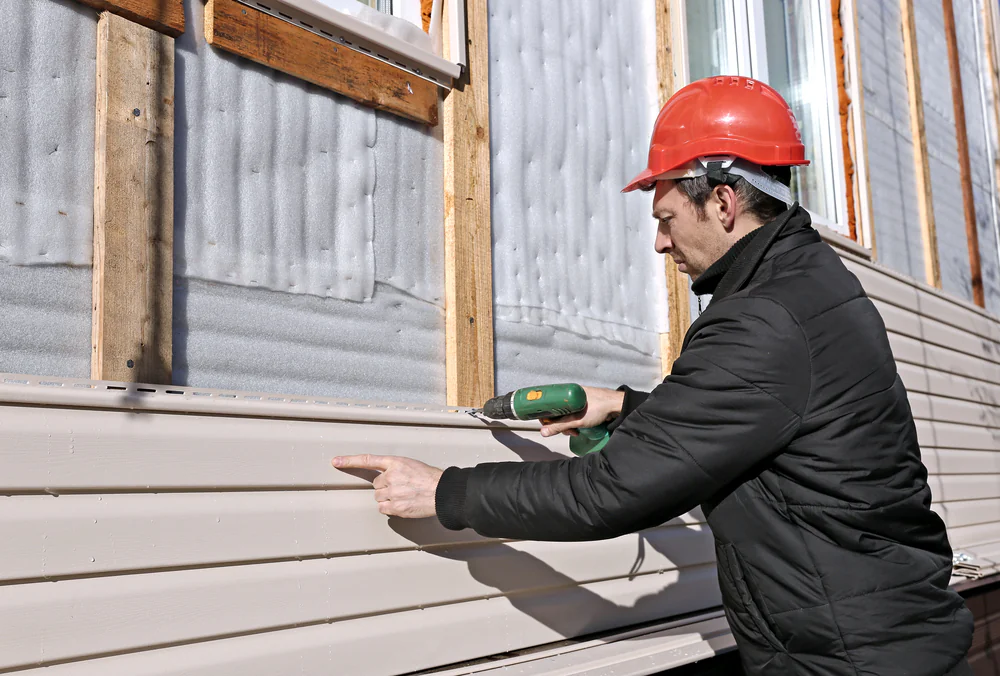
Then the siding goes up. Whether it’s vinyl siding installation in Dracut or fiber cement, every piece gets fastened according to manufacturer specs. Corners, trim, and J-channels all get fitted precisely so everything lines up and looks clean.
The whole installation typically takes one to two weeks depending on the size of your home and any complications we run into. When we’re done, we walk the property with you, clean up completely, and make sure you’re satisfied with how everything looks.
Ready to get started?
Vinyl siding is the most common choice in Dracut for good reason. It’s affordable, holds up well in our climate, and modern vinyl doesn’t fade like the old stuff did. Foam-backed vinyl adds insulation value, which helps with energy costs during our cold winters. You’re looking at a material that lasts 20 to 30 years with almost zero maintenance.
Fiber cement—specifically James Hardie—is the premium option. It costs more upfront, but the fiber cement siding cost in Dracut, MA pays off in durability and fire resistance. It’s engineered for cold, wet climates with their HZ5 formulation, which handles freeze-thaw cycles better than standard cement board. It won’t rot, warp, or attract insects, and it can last 50 years or more.
Both options protect your home from the weather extremes we get here. Dracut sits right in that zone where winter temperatures drop well below freezing and summer humidity creates its own problems. Your siding needs to handle both without breaking down.
The other piece is house wrapping in Dracut, MA. This goes under whatever siding you choose, and it’s what actually manages moisture. Proper installation means water that gets behind your siding can drain out instead of soaking into your walls. That’s how you avoid mold, rot, and structural damage over time.
Color choices matter too. Darker colors absorb more heat, which can cause expansion issues with some materials. Lighter colors reflect heat but show dirt faster. We’ll walk through what makes sense for your home’s orientation, your neighborhood, and how much sun exposure different sides of your house get.
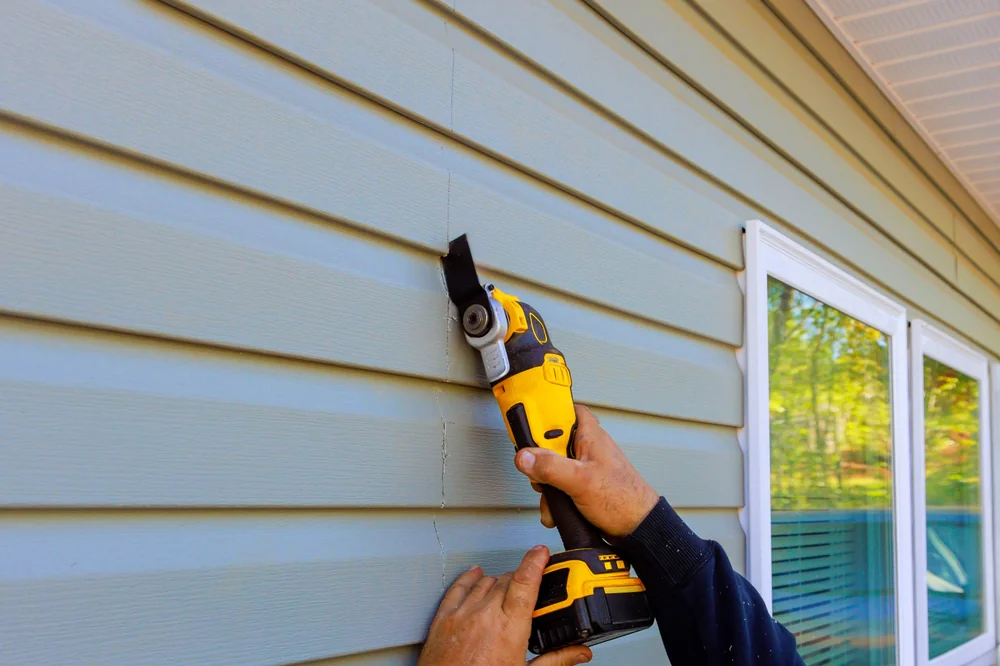
Most homes in Dracut run between $12,000 and $28,000 for complete siding installation, but that range shifts based on a few specific factors. Square footage is the obvious one—a 1,500 square foot ranch costs less than a 2,800 square foot colonial.
Material choice makes a big difference. Vinyl siding installation in Dracut typically costs $6 to $9 per square foot installed. Fiber cement siding cost in Dracut, MA runs higher, usually $9 to $15 per square foot, because the material costs more and installation takes longer.
Condition of your existing exterior matters too. If we’re just removing old vinyl and putting up new, that’s straightforward. If there’s rot in the sheathing or framing issues, those get fixed first, which adds to the total. We don’t hide that stuff—we show you what’s there and explain what needs to happen.
Two-story homes cost more per square foot than single-story because of staging and safety equipment. Homes with a lot of architectural detail—multiple gables, bay windows, decorative trim—take more time and material to do correctly, so the price goes up.
Vinyl is plastic. It’s lightweight, comes in a lot of colors, and costs less upfront. Modern vinyl holds up well in Massachusetts weather, especially the foam-backed options that add insulation value. It expands and contracts with temperature changes, which is why proper installation with the right fastening technique matters. You’re looking at 20 to 30 years of life with basically no maintenance beyond occasional washing.
James Hardie fiber cement is a mix of cement, sand, and cellulose fibers. It’s heavy, dense, and extremely durable. It doesn’t expand and contract like vinyl, won’t melt in a fire, and resists impact damage better. The HZ5 formulation is specifically engineered for climates like ours with freeze-thaw cycles and high moisture. It can last 50 years or more.
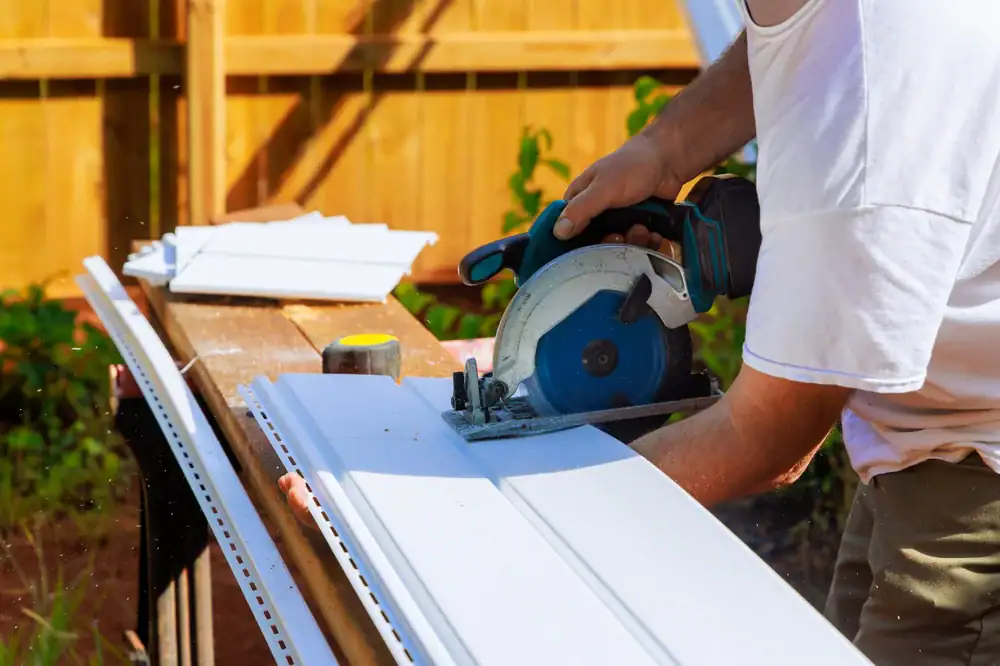
The trade-off is cost and installation time. Fiber cement costs more to buy and takes longer to install because it’s heavier and requires different cutting tools. But you get better fire resistance, impact resistance, and it holds paint longer if you ever want to change colors.
For Dracut homes, both work well. Vinyl makes sense if you want solid performance at a lower price point. Fiber cement makes sense if you’re planning to stay in the house long-term and want the most durable option available. We can show you samples of both so you can see the actual difference in thickness and finish.
From the day you sign the contract to the day we finish, you’re looking at six to ten weeks total. Most of that time is manufacturing and scheduling, not actual work on your house.
If you choose James Hardie fiber cement siding in Dracut, MA, manufacturing takes four to six weeks. The material is made to order in specific colors and styles, so there’s a wait. Vinyl is usually in stock or ships within a week or two.
Once materials arrive and we schedule your start date, the actual installation takes one to two weeks for most homes. Single-story ranches on the smaller end might be done in a week. Larger two-story colonials with more detail work take closer to two weeks.
Weather can push timelines. We don’t install siding in heavy rain or when temperatures drop too low, because it affects how materials perform and how well things seal. If we hit a stretch of bad weather mid-project, we pause until conditions improve.
The removal and prep phase usually takes a day or two. Installation of house wrapping and new siding takes the bulk of the time. Trim work and final details happen at the end. We don’t leave your house exposed overnight—if we remove siding, we make sure everything is weathertight before we leave each day.
Usually, yes. If your house wrap is more than 15 or 20 years old, it’s not doing its job anymore. The material breaks down from UV exposure, temperature cycling, and moisture. Once we remove your old siding, we can see the condition of what’s underneath.
House wrapping in Dracut, MA is what actually keeps water out of your wall cavities. Siding is the first line of defense, but water still gets behind it through seams, around fasteners, and anywhere two pieces meet. The house wrap catches that water and lets it drain down and out instead of soaking into your sheathing.
Old house wrap often shows tears, gaps at seams, or areas where it’s pulled away from the sheathing. Sometimes it was never installed correctly in the first place—we see that on older homes where standards weren’t as strict. If that’s what we find, new house wrap goes on before new siding.
The cost to add house wrap is relatively small compared to the total project, and it makes a significant difference in how well your siding system performs long-term. Skipping it to save a few hundred dollars means you’re putting new siding over a compromised moisture barrier, which leads to problems you won’t see until years later when there’s rot in the walls.
We install weather-resistive barriers that meet current building codes. That means proper overlap at seams, correct flashing around all openings, and integration with your existing moisture management at the foundation and roofline.
Yes, but how much depends on what you’re replacing and what you’re installing. If your current siding has gaps, your house wrap is deteriorated, and cold air is moving through your walls, new siding installation in Dracut, MA with proper house wrap will make a noticeable difference.
Foam-backed vinyl siding adds an insulation layer that standard vinyl doesn’t have. That extra R-value helps, especially on walls that don’t have much cavity insulation. Homeowners typically see energy bill reductions of 15% to 25% after upgrading to insulated siding, though your actual savings depend on your home’s overall insulation, window quality, and how your heating system runs.
The bigger energy benefit comes from air sealing. When we install new house wrapping and siding correctly, we’re creating a tighter building envelope. Less conditioned air leaks out, less outside air leaks in, and your heating and cooling systems don’t have to work as hard to maintain temperature.
Dracut winters are brutal. If your furnace is running constantly because heat is escaping through your walls, that shows up in your gas or oil bills every month. Stopping those air leaks has a direct impact on consumption.
Fiber cement doesn’t add insulation value by itself, but when paired with quality house wrap and proper installation, it creates a weather-tight exterior that performs well in our climate. The density of the material also provides some thermal mass, which helps moderate temperature swings.
You won’t see savings overnight, but over a heating season or two, the difference becomes clear. Most homeowners notice their homes feel more comfortable first—fewer drafts, more consistent temperatures—and then they see the bill reduction.
If you’re seeing rot, that’s a replacement situation. Rot means water has been getting into the material long enough to break it down, and it usually indicates problems with the house wrap or flashing too. You can’t repair rot—you have to remove the damaged material and fix whatever allowed water in.
Widespread cracking, warping, or loose pieces across multiple sides of your home means the siding has reached the end of its useful life. A few damaged pieces from storm impact can be repaired if we can match the material and color. But if the damage is everywhere, repair costs add up fast and you’re still left with old siding that will continue failing.
Fading isn’t structural, but it tells you the material is aging. Vinyl that’s faded significantly has been breaking down from UV exposure. It becomes more brittle over time, which means it’s more likely to crack in cold weather or from impact.
If your energy bills have gone up and you’re feeling drafts near exterior walls, that often points to siding and house wrap that aren’t sealing properly anymore. You might not see obvious damage, but the system isn’t performing.
Mold or mildew on the interior side of exterior walls is a red flag. It means moisture is getting through your siding system and condensing inside your walls. That requires investigation—sometimes it’s a flashing issue that can be fixed, but often it means the siding and house wrap need replacement.
We can come out and assess what you’ve got. Sometimes a repair makes sense if the damage is isolated and the rest of the siding is in good shape. But if we’re looking at a system that’s 20-plus years old with multiple issues, replacement is usually the smarter move. You’re going to spend money either way—the question is whether you’re putting it toward temporary fixes or a long-term solution.