Hear from Our Customers

Your heating bill drops because cold air isn’t sneaking through gaps in warped boards. You stop worrying about water getting behind the exterior during nor’easters. Your home looks updated, which matters if you’re thinking about selling or just want to stop being the house on the block that needs work.
New siding installation in Danvers, MA isn’t about aesthetics alone. It’s about creating a barrier that handles salt air, freeze-thaw cycles, and heavy snow without cracking or letting moisture through. Fiber cement siding and vinyl siding installation both deliver that protection, but the material you choose depends on your budget and how long you plan to stay in the house.
The right siding also means you’re done repainting every few years. Modern materials hold their color and finish through New England winters without the constant maintenance older exteriors demand. You get your weekends back, your energy costs stabilize, and your home value increases the moment the job’s complete.
We work throughout Danvers, MA and the North Shore because we know what coastal weather does to exteriors. We’ve replaced siding on colonials near Endicott Park, updated Cape Cods along the Ipswich River, and handled commercial projects across town. We’re not learning on your house.
Our crews understand how to properly wrap and seal homes in this climate. We know which materials hold up to salt air and which ones fail in three years. When we give you an estimate for siding installation in Danvers, MA, it includes the prep work that prevents callbacks—flashing details, moisture barriers, and proper ventilation that keeps your walls dry.
You’ll work with the same team from estimate to cleanup. No subcontractors we’ve never met. No surprise charges. Just clear communication and siding that does its job for decades.
We start with an on-site evaluation of your current exterior. We’re looking for hidden damage, checking how your home is framed, and identifying any moisture issues that need addressing before new siding goes up. You’ll get material options—vinyl siding installation, fiber cement siding, or James Hardie—with honest pros and cons for each based on your home and budget.
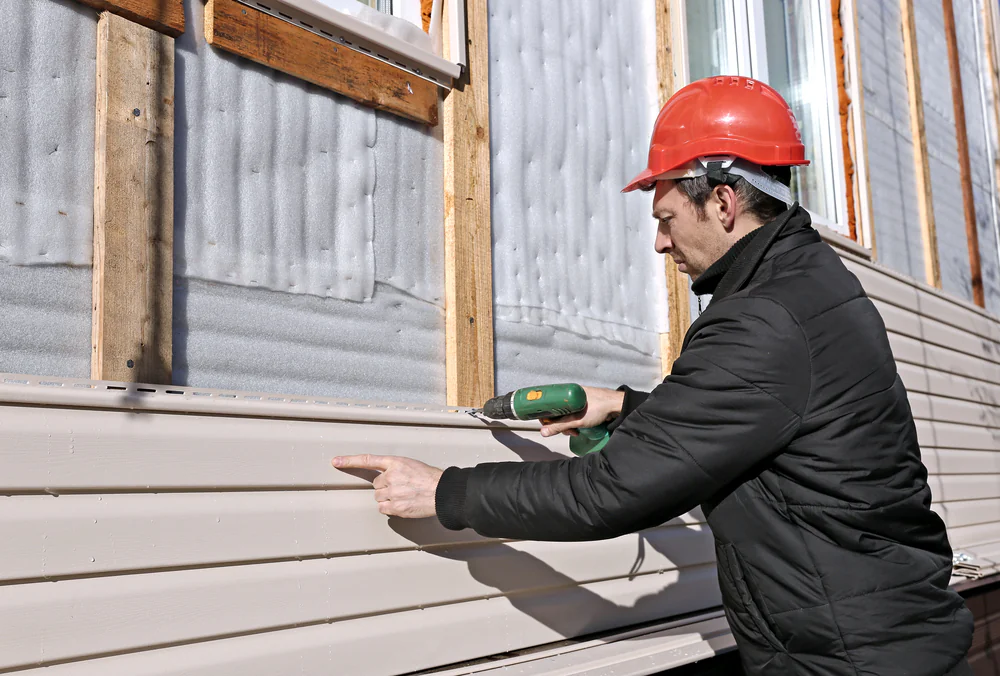
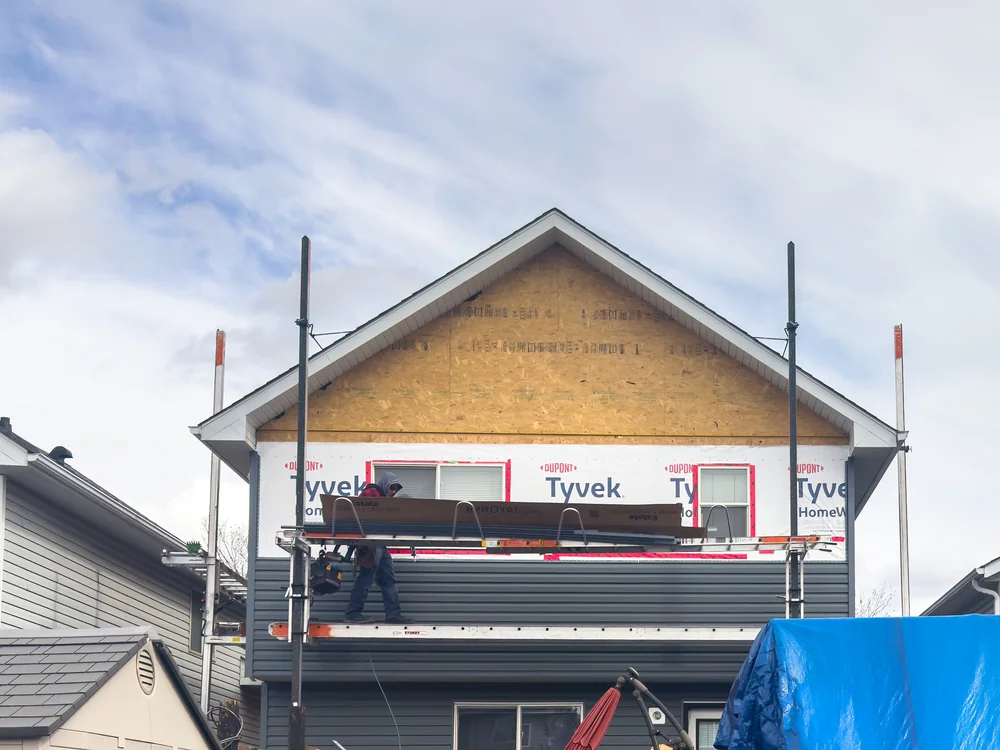
Once you approve the estimate, we schedule the work and order materials. Our crew removes your old siding carefully, inspects the sheathing underneath, and makes any necessary repairs to the substrate. Then we install house wrapping and moisture barriers that create a proper drainage plane. This step matters more than most homeowners realize—it’s what keeps water from reaching your walls.
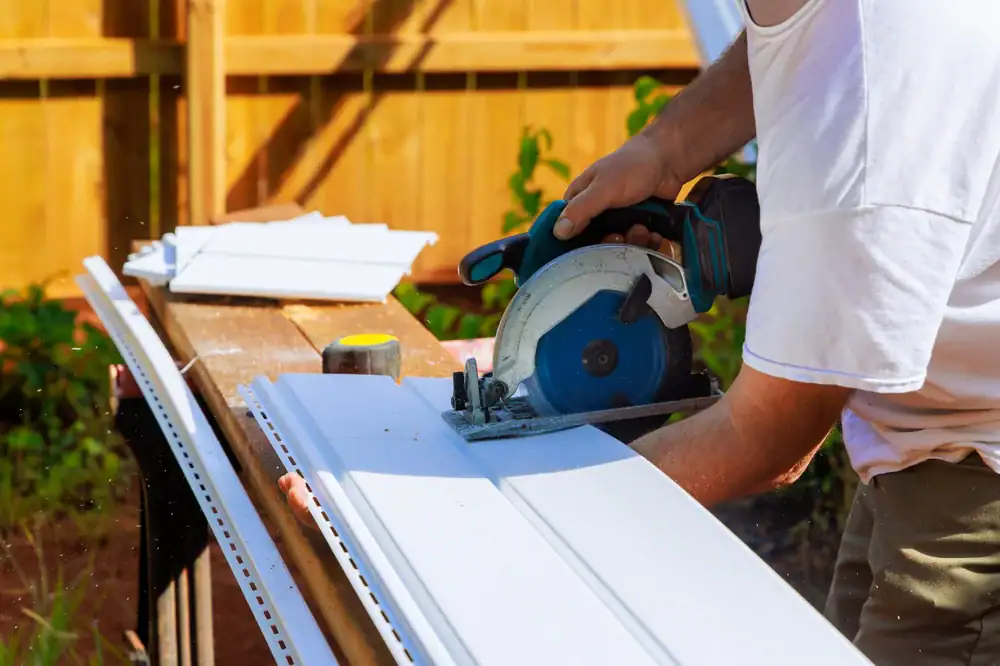
The new siding goes up with attention to flashing around windows, proper overlap at seams, and correct fastening that allows for expansion and contraction. We’re not rushing to the next job. When we finish, your property is cleaner than when we arrived, and you have siding that’s installed to manufacturer specs and local building codes. Most projects take one to two weeks depending on the size of your home and weather conditions.
Ready to get started?
Vinyl siding installation in Danvers, MA runs between $6 and $9 per square foot installed. It’s the most cost-effective option, requires almost no maintenance, and comes in dozens of colors and textures. Quality vinyl won’t crack in cold weather and holds up well to coastal conditions if installed correctly. It’s a smart choice if you want solid protection without the highest upfront cost.
Fiber cement siding costs more—typically $9 to $15 per square foot—but it’s nearly indestructible. It won’t rot, resists pests, and handles moisture better than any other material. We often recommend it for homes near the water or properties that take the full force of nor’easters. It can be painted any color, and that paint job lasts significantly longer than on wood. The return on investment is strong, especially if you’re planning to stay in your home long-term.
We also handle wood siding and composite options for homeowners who want a specific look. Each material has trade-offs in cost, maintenance, and lifespan. During your estimate, we’ll walk through what makes sense for your home’s architecture, your budget, and how much maintenance you’re willing to do over the next 20 years. The new siding benefits you get depend on choosing the right material for your situation, not just the most expensive one.
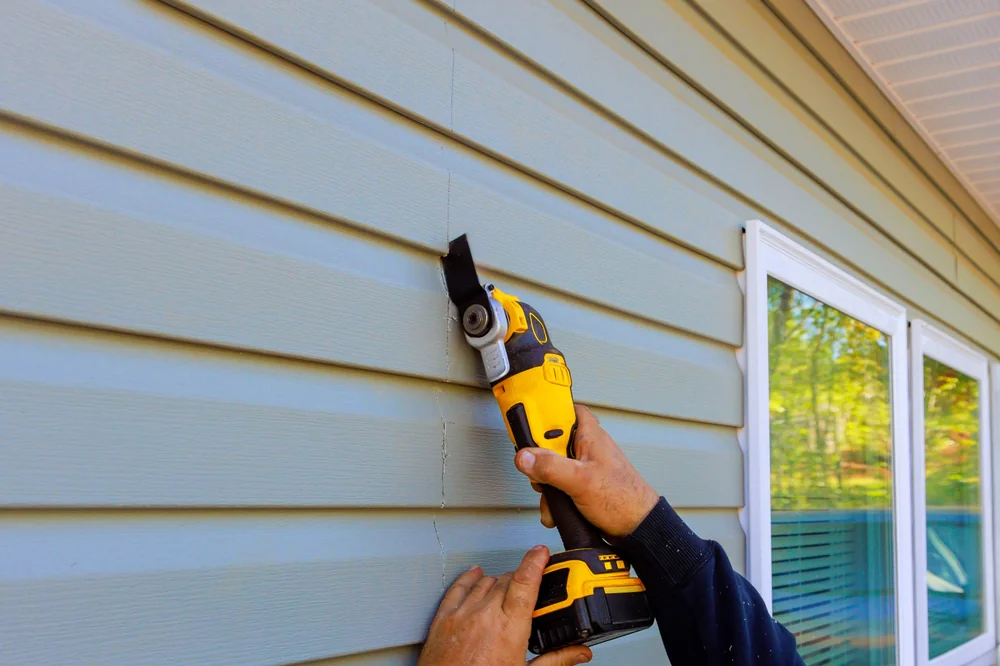
Most siding installation projects in Danvers, MA run between $12,000 and $28,000 for a typical single-family home. That range covers material costs, labor, removal of old siding, house wrapping, trim work, and cleanup. Vinyl siding installation sits at the lower end of that range, while fiber cement siding and James Hardie products push toward the higher end.
Your actual cost depends on your home’s square footage, the number of stories, architectural details like bay windows or dormers, and the condition of what’s underneath your current siding. If we find rotted sheathing or framing issues during removal, those repairs add to the total. We don’t hide that possibility—we discuss it during the estimate so you’re not surprised.
The price also reflects the quality of materials and installation standards. Cheap siding jobs skip critical steps like proper flashing and moisture barriers. You’ll pay for those shortcuts later in energy loss, water damage, and premature material failure. Our estimates include the prep work that makes siding last.
Fiber cement siding handles Danvers weather better than anything else. It doesn’t absorb moisture, won’t warp in humidity, and resists the salt air corrosion that eats through other materials. James Hardie specifically engineers their products for extreme temperature swings and heavy precipitation, which is exactly what you get on the North Shore.
Vinyl siding installation is the second-best option for coastal conditions, as long as you’re using quality products rated for cold weather. Cheap vinyl cracks when temperatures drop below freezing. The vinyl we install stays flexible and maintains its shape through freeze-thaw cycles. It also doesn’t rot or attract pests, which matters in an area with high humidity.
Wood siding looks great but demands constant maintenance in this climate. You’re repainting or restaining every few years, and you’re always watching for rot and insect damage. Some homeowners want that traditional look and are willing to do the upkeep. Most people choose fiber cement or vinyl because they want protection without the ongoing work.
Vinyl siding lasts 20 to 40 years in Massachusetts if it’s installed correctly and you’re using quality materials. The lifespan depends on how well it’s maintained and how much direct weather exposure it gets. South and west-facing walls take more UV damage and may fade slightly over time, but the material itself stays intact.
Fiber cement siding lasts 50 years or more. James Hardie offers a 30-year warranty on their products, but the actual lifespan exceeds that if you repaint it every 10 to 15 years. It’s one of the longest-lasting exterior materials available, which justifies the higher upfront cost. You’re essentially installing siding once and not thinking about it again for decades.
Wood siding lasts 20 to 40 years depending on the species and how much maintenance you’re willing to do. Cedar holds up better than pine, but both require regular treatment to prevent rot and insect damage. In coastal areas like Danvers, wood demands more attention than most homeowners want to give it. The new siding benefits you get from fiber cement or vinyl include not worrying about lifespan for a very long time.
If the damage is isolated to a few boards or panels and your siding is less than 15 years old, repair makes sense. We can match materials and colors on most modern siding products, and you’ll save money compared to a full replacement. Small areas of impact damage, a few cracked pieces, or isolated rot around a window are all repairable.
Full replacement makes more sense when you’re seeing widespread issues—multiple areas of rot, warping across several walls, or moisture damage behind the siding. If your siding is over 20 years old and showing wear, repair becomes a temporary fix. You’ll likely face more problems within a few years, and you’ll end up paying for labor twice.
During our evaluation, we’ll show you exactly what’s happening with your exterior and give you honest recommendations. Sometimes a repair buys you a few more years while you budget for replacement. Sometimes the damage is extensive enough that partial fixes don’t make financial sense. We’re not pushing you toward the bigger job if repair actually solves your problem.
Yes, but the savings depend on what you’re replacing and how well we seal the exterior during installation. If your current siding has gaps, cracks, or missing pieces, you’re losing conditioned air constantly. New siding installation in Danvers, MA with proper house wrapping and insulation creates a tight envelope that reduces energy waste significantly.
Most homeowners see a 15% to 25% reduction in heating costs after siding replacement, especially if we’re also adding insulated backing or upgrading to insulated vinyl. Fiber cement siding paired with quality moisture barriers and proper sealing delivers similar results. The energy savings accumulate over years and offset a portion of your installation cost.
The bigger benefit is comfort. Your home maintains temperature more consistently, you’re not dealing with cold spots near exterior walls, and your heating system isn’t running constantly to compensate for air leaks. That comfort improvement is immediate and noticeable the first winter after installation. The financial savings take longer to measure, but they’re real and they compound over the lifespan of your siding.
Start with your budget and how long you plan to stay in the house. Vinyl siding installation costs less upfront and requires almost zero maintenance. If you’re planning to sell within 10 years or you want the most affordable option that still performs well, vinyl makes sense. It looks good, protects your home, and delivers a strong return on investment when you sell.
Fiber cement costs more initially but lasts longer and adds more resale value. If you’re staying in your home long-term or you want the most durable option available, fiber cement is worth the extra investment. It also gives you more flexibility with color and finish, and it holds paint better than vinyl if you ever want to change the look.
Both materials handle Danvers weather well. Both come with solid warranties. The decision comes down to upfront cost versus long-term value and how much you care about specific aesthetic details. During your estimate, we’ll show you samples of both, explain the real-world differences, and help you choose based on your priorities—not ours.