Hear from Our Customers

You’re not just covering your house. You’re protecting what’s underneath from moisture, rot, and the kind of damage that spreads before you notice it.
The right siding installation in Amherst, NH means your HVAC isn’t working overtime because air’s leaking through cracks. It means you’re not repainting every few years or dealing with mold creeping behind old panels. Vinyl siding installation offers an 80% return on investment, while fiber cement pushes past 88%—and both give you decades of protection if installed correctly.
When your siding actually does its job, you get lower energy bills, better curb appeal, and the kind of peace of mind that comes from knowing your home can handle another New Hampshire winter without falling apart.
Paradise Remodeling Inc has spent over a decade installing siding across Amherst, NH and the surrounding areas. We’re Owens Corning Preferred Contractors, which means we meet strict standards for installation quality and customer service—not just anyone gets that certification.
We know what Amherst homeowners deal with. The freeze-thaw cycles that crack inferior materials. The humidity that breeds mold. The ice dams and wind-driven rain that find every weak point in your exterior.
That’s why we focus on proper installation from the start. House wrapping, flashing, moisture barriers—the layers you don’t see matter just as much as the siding itself. Skip those steps and you’ll pay for it later, usually in ways that cost far more than doing it right the first time.
First, we come out to assess your current siding and talk through what you actually need. Not every house needs a full replacement—sometimes repairs make more sense. We’ll tell you either way.
If you’re moving forward with new siding installation in Amherst, NH, we walk you through material options. Vinyl siding installation is affordable and low-maintenance. Fiber cement costs more upfront but handles fire, pests, and extreme weather better than anything else. As James Hardie installers, we can show you why fiber cement recoup rates hit 68% or higher in this market.
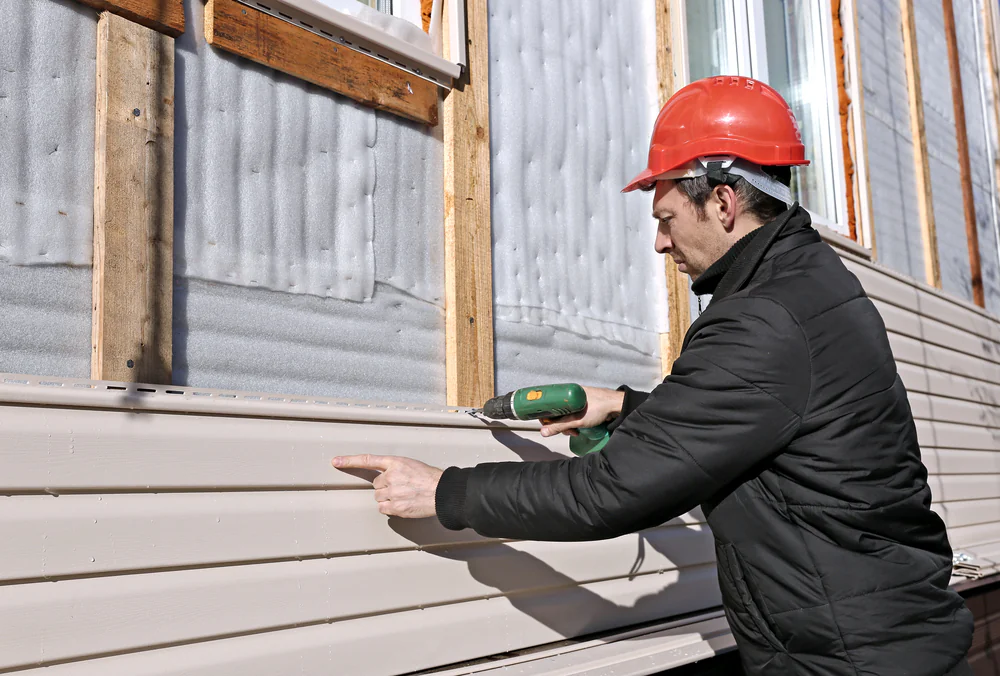
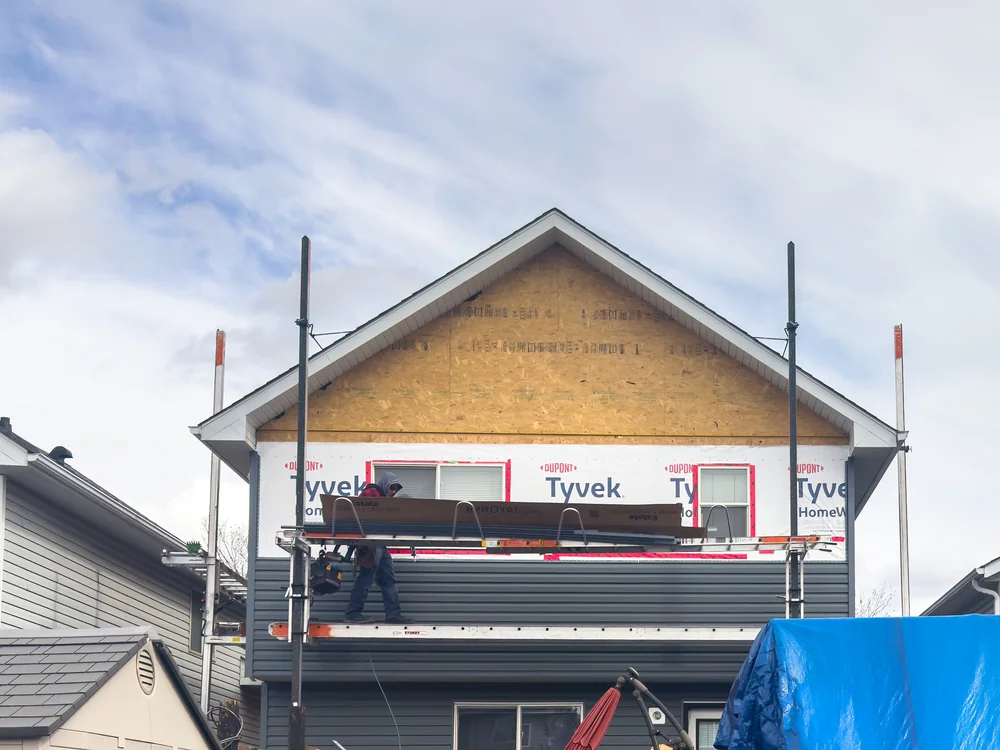
Once you choose, we schedule the work and protect your property during the job. We remove old siding carefully, inspect and repair any underlying damage to sheathing or framing, then install house wrapping and moisture barriers before the first panel goes up. Every seam gets flashed. Every corner gets sealed. We don’t rush through the invisible work because that’s what prevents callbacks three years later.
When we’re done, your home looks better and performs better. The install typically takes one to two weeks depending on size and complexity.
Ready to get started?
You get siding engineered for New England’s climate. James Hardie’s HardieZone system designs fiber cement specifically for regions like ours—places where temperatures swing wildly and moisture is constant. That’s not marketing talk. The material composition literally changes based on where you live.
You get energy efficiency that shows up on your utility bills. Foam-backed siding adds insulation, eliminates drafts, and creates a sealed barrier that keeps conditioned air inside. In Amherst, NH, where winters are long and heating costs add up, that matters.
You get fire resistance if you go with fiber cement. It won’t ignite, won’t melt, and won’t feed flames the way wood or vinyl does. You get pest resistance—termites and woodpeckers ignore it. You get colors that don’t fade because ColorPlus technology bakes pigment through the material instead of sitting on top like paint.
And you get low maintenance. No scraping, no repainting, no constant upkeep. The new siding benefits extend years into the future because quality materials installed correctly just work.
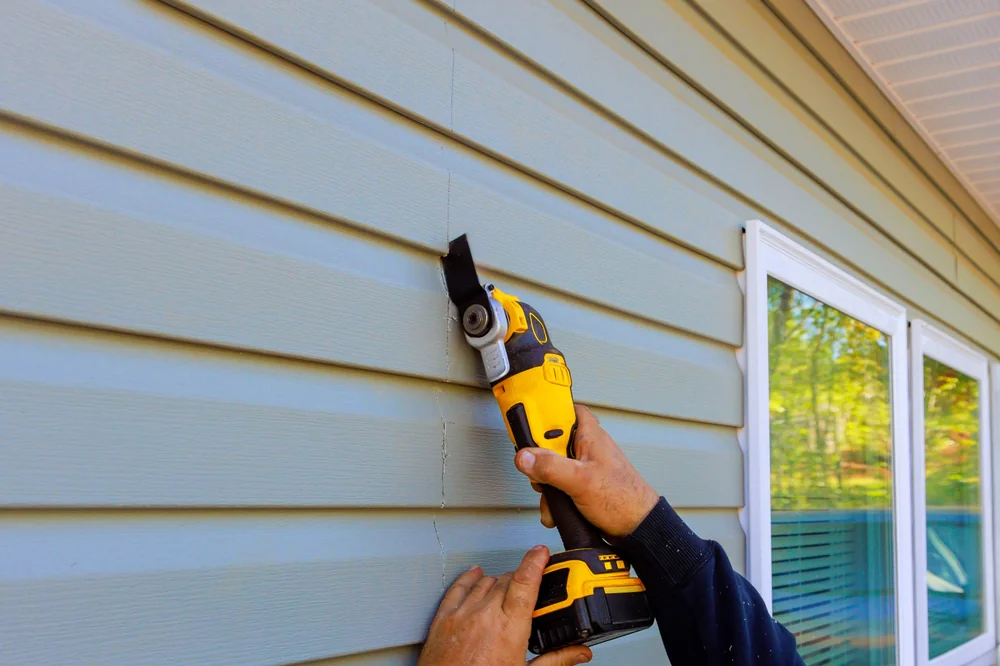
For most homes in Amherst, vinyl siding installation runs between $4,000 and $5,500 for a typical project, though your actual cost depends on square footage, material choice, and how much prep work your home needs. Hillsborough County averages fall in that range for 2024.
Fiber cement siding costs more—usually 30% to 50% higher than vinyl—but the return on investment is stronger and the material lasts longer. If your budget allows it, fiber cement often makes more sense for New Hampshire’s climate.
Don’t just shop on price. Cheap installation usually means corners cut on house wrapping, flashing, or moisture barriers. You’ll pay later when water gets behind the siding and causes rot or mold. Get a detailed quote that breaks out materials, labor, and prep work so you know what you’re actually getting.
Vinyl is affordable, low-maintenance, and handles moisture well. It expands and contracts with temperature changes, which is fine if installed with proper spacing. It won’t rot, but it can crack in extreme cold and melts if exposed to high heat or fire.
Fiber cement is more durable. It resists fire, pests, impact, and extreme weather better than vinyl. It doesn’t expand or contract as much, so it holds paint longer and maintains its shape through freeze-thaw cycles. As James Hardie installers in Amherst, NH, we’ll tell you fiber cement outperforms vinyl in almost every category except upfront cost.
The trade-off is price and weight. Fiber cement costs more to buy and install because it’s heavier and requires more labor. But it lasts 50+ years with minimal maintenance, while vinyl typically needs replacement after 20 to 30 years. If you’re planning to stay in your home long-term, fiber cement usually wins.
Most residential siding installations in Amherst, NH take one to two weeks from start to finish. Smaller homes or straightforward replacements can wrap up in a week. Larger homes, complex architectural details, or significant repair work can push the timeline to three weeks.
Weather affects the schedule. We can’t install siding in heavy rain or freezing temperatures because moisture barriers and caulking won’t seal properly. New Hampshire weather changes fast, so we build some flexibility into every project timeline.
You’ll have access to your home the entire time. We work outside, and we clean up daily so you’re not living in a construction zone. Most homeowners continue their normal routines while we work. If we need to block a door temporarily, we’ll let you know ahead of time and make sure you have another way in and out.
Yes. House wrapping is a moisture barrier that goes between your sheathing and your siding. It lets water vapor escape from inside your walls while blocking liquid water from getting in. Without it, you’re inviting rot, mold, and structural damage.
New Hampshire’s climate makes house wrapping even more important. We get rain, snow, ice, and humidity year-round. Even the best siding lets some moisture through at seams and fastener holes. House wrapping catches that moisture before it reaches your wood framing.
Any contractor who suggests skipping house wrapping to save money is setting you up for problems. It’s not expensive compared to the overall project cost, and it’s nearly impossible to add later without tearing off all your siding. Make sure it’s included in your quote and installed according to manufacturer specs—overlapped correctly, taped at seams, and integrated with flashing around windows and doors.
If your current siding is damaged, poorly installed, or decades old, new siding installation in Amherst, NH will likely reduce your energy costs. How much depends on what you’re replacing and what you choose.
Foam-backed vinyl siding adds insulation value and eliminates air gaps where drafts sneak through. Fiber cement doesn’t insulate as well on its own, but when installed with proper house wrapping and sealed correctly, it creates a tight building envelope that keeps conditioned air inside. Either way, you’re reducing the load on your HVAC system.
The bigger energy savings come from fixing the hidden problems. Old siding often hides gaps in sheathing, missing insulation, or air leaks around windows and doors. A good siding contractor identifies and fixes those issues during installation. That’s where you see the real difference in your heating and cooling bills—not just from the siding itself, but from addressing the whole exterior system at once.
James Hardie fiber cement is engineered specifically for regional climates, and the company certifies contractors who meet their installation standards. That certification means we’ve been trained on proper techniques, we use the right fasteners and spacing, and we follow guidelines that protect your warranty.
Fiber cement is less forgiving than vinyl. Install it wrong—wrong nails, wrong spacing, no clearance at the bottom—and it cracks, warps, or fails early. As James Hardie installers, we know how to handle the material so it performs the way it’s designed to.
In Amherst, NH, where freeze-thaw cycles and moisture are constant threats, you want someone who understands how fiber cement responds to those conditions. We install HardieZone products rated for New England, and we back our work with warranties that cover both materials and labor. You’re not just getting better siding—you’re getting installation expertise that makes the product last.