Hear from Our Customers
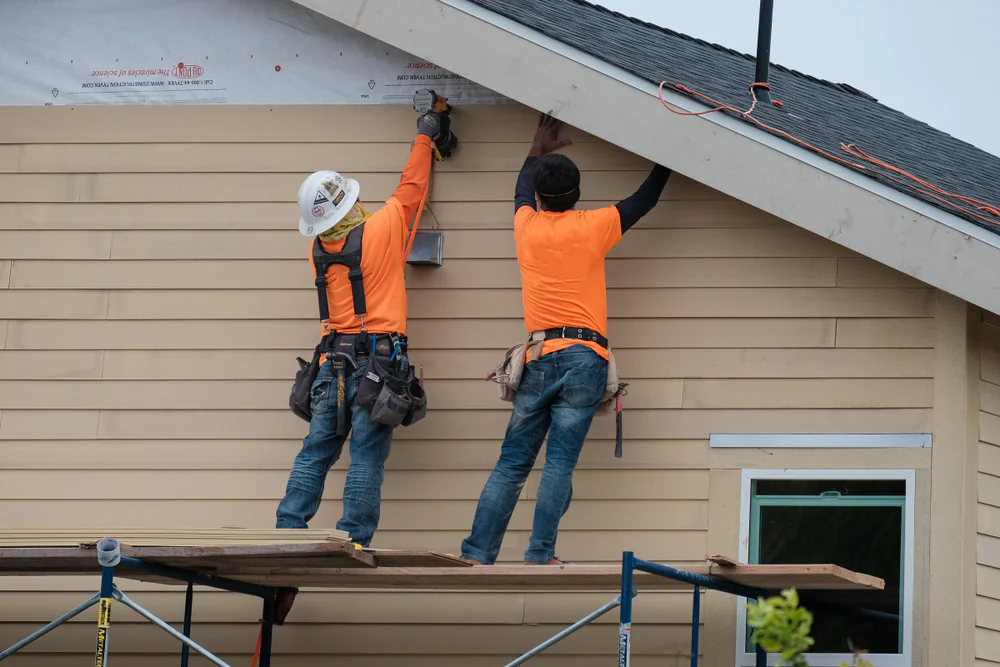
Here’s what most people don’t realize until it’s too late: that small crack in your siding isn’t just cosmetic. Every gap is a direct path for water to reach your sheathing, and once moisture gets behind the panels, you’re looking at rot, mold, and structural damage that costs ten times more to fix than the original repair.
Swampscott’s salt air makes vinyl brittle faster than it would even twenty miles inland. Add in nor’easters, freeze-thaw cycles, and the occasional hail storm, and your siding takes a beating most homes never see. The difference between a $500 repair and a $15,000 disaster often comes down to whether you caught it in time.
When you fix warped siding repair in Swampscott, MA before water infiltrates, you’re protecting your insulation, your energy bills, and the actual bones of your house. You’re also protecting your investment—homes here average over $900,000, and neglected siding shows up fast when it’s time to sell.
We’ve been handling siding repairs across Massachusetts for over a decade. We’re licensed, BBB accredited since 2017, and we’ve completed work on hundreds of North Shore homes that face the same coastal challenges yours does.
We’re an Owens Corning Preferred Contractor, which means we’ve met strict standards for quality and reliability. Our BuildZoom score puts us in the top 20% of Massachusetts contractors, and we’ve maintained zero customer complaints while working on everything from small crack repairs to full storm damage restoration in Swampscott, MA.
You’re not hiring a crew that learned about siding in a landlocked state. We understand how salt air accelerates deterioration, how to match colors on older panels that have faded over twenty years, and how to weatherproof repairs so they actually last on the coast.
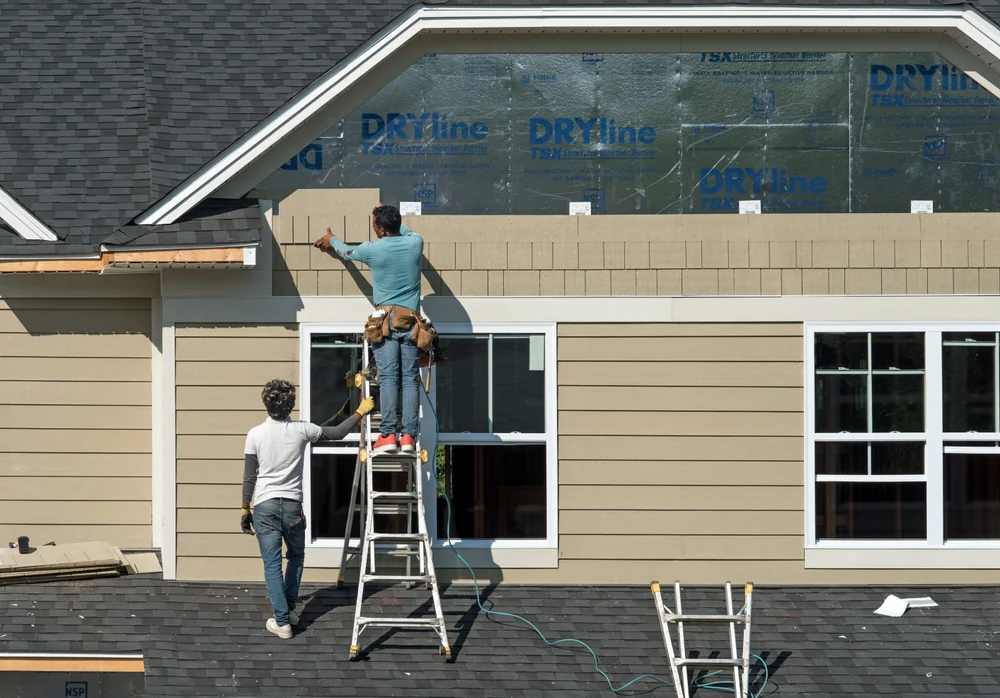
First, we come out and assess the actual damage—not just what you can see from the ground. We check for hidden issues like compromised house wrap, moisture behind the panels, and whether the problem is isolated or part of a bigger failure. This matters because fixing cracked vinyl siding in Swampscott, MA without addressing what caused it just means you’ll be calling someone again in six months.
If it’s storm damage or hail damage siding in Swampscott, MA, we document everything for your insurance claim. Most homeowners don’t realize their policy covers wind damage, hail, and debris impact—but only if it’s documented correctly. We handle that part so you’re not leaving money on the table.
Then we source the materials. Matching old siding colors is harder than it sounds—your panels have been weathering for years, and new stock won’t match without going through specialty suppliers. We have access to discontinued lines and custom color matching that most contractors don’t bother with.
The actual repair happens fast once materials arrive. We remove damaged sections, check the sheathing and moisture barrier, replace what needs replacing, and seal everything properly. If it’s an emergency, we can weatherproof the opening same-day and complete the permanent repair within days.
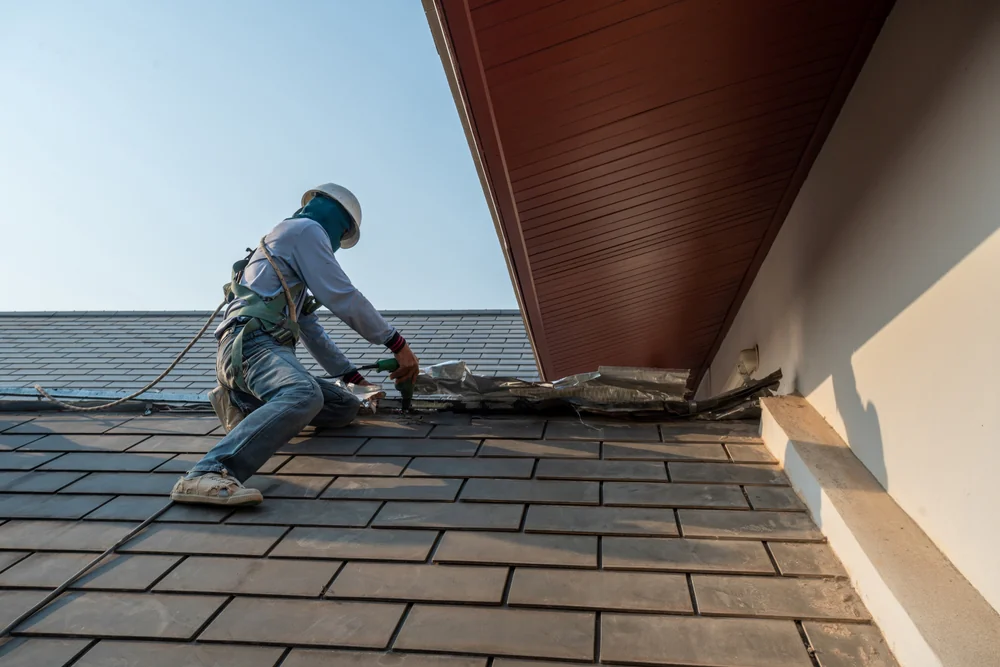
Ready to get started?
Siding repair cost in Swampscott, MA typically runs around $870 for standard fixes, but that number moves based on how much damage exists and whether we’re dealing with simple panel replacement or structural issues underneath. A small crack repair might cost $200. Hail damage across multiple elevations could run several thousand.
The real cost isn’t just labor and materials—it’s expertise. Coastal homes need contractors who understand that vinyl expands and contracts differently here, that salt air requires specific fastening techniques, and that cutting corners on weatherproofing leads to callbacks. You’re paying for work that actually lasts in this climate.
Most insurance policies cover storm damage siding repair in Swampscott, MA when it’s caused by covered perils like wind, hail, or flying debris. They won’t cover normal wear and tear, but if a nor’easter ripped panels off or hail cracked your siding, you’re likely covered minus your deductible. We help document damage so your claim goes through without issues.
What you get is permanent protection. Properly repaired siding stops water infiltration, maintains your home’s energy efficiency, and preserves the curb appeal that matters in a market where median home values top $900,000. It’s not glamorous, but it’s one of the smartest maintenance investments you can make.
If you can see daylight through the crack, or if the panel is loose enough that you can pull it away from the wall, that’s urgent. Water is already getting behind it, and every rainstorm makes the problem worse.
Hairline cracks that haven’t separated yet can usually wait a few weeks, but not months—especially not through a New England winter. Freeze-thaw cycles will turn a small crack into a split panel fast. If the crack is near a seam, window, or door where water naturally runs, move faster.
Here’s the test: if you’re asking whether it can wait, it probably shouldn’t. The difference in cost between fixing it now versus after water damage sets in is usually thousands of dollars. Most people who wait end up wishing they hadn’t.
Usually, yes—but it takes more work than just ordering new panels in the same color name. Siding fades over time, especially on south and west-facing walls that get direct sun. The “almond” or “gray” you installed in 2005 doesn’t look the same today as it did fresh out of the box.
We work with specialty suppliers who stock discontinued lines and can custom-match weathered colors. Sometimes we’ll pull a panel from a less visible area of your house to use for the repair, then replace that hidden section with new material that doesn’t have to match perfectly. It’s more labor, but the result looks seamless.
If your siding is so old that matching is impossible, we’ll tell you upfront. In those cases, you’re usually better off replacing an entire wall section so the color is consistent, rather than having one obviously new panel that screams “repair.”
If the damage came from a covered peril—wind, hail, falling tree limbs, flying debris during a storm—then yes, most policies cover it. You’ll pay your deductible, and insurance handles the rest. The key is proving the damage came from a specific event, not gradual deterioration.
That’s where documentation matters. We take photos showing impact points, measure the extent of damage, and provide estimates that insurance adjusters actually accept. If your siding failed because a nor’easter hit last week, that’s covered. If it’s been slowly warping over five years, that’s maintenance and you’re paying out of pocket.
One thing to watch: if the repair costs less than your deductible (say, $500 repair with a $1,000 deductible), filing a claim doesn’t make sense. We’ll walk you through that math before you call your insurance company, so you’re not wasting time on a claim that won’t pay out.
For straightforward panel replacement with no underlying damage, we’re usually done in a day once materials arrive. The timeline stretches when we’re waiting on specialty color matching or when we find rot behind the siding that needs addressing first.
Emergency repairs happen faster. If a storm just ripped panels off and your wall is exposed, we can get someone out same-day to weatherproof the opening with temporary protection. The permanent repair follows within a few days once we’ve sourced the right materials.
Insurance claims add time because we need to wait for the adjuster’s inspection and approval before starting work. That process typically takes one to two weeks. If you’re paying out of pocket, we move as fast as materials allow—usually within a week of your approval.
Repair makes sense when damage is localized—a few cracked panels, one section hit by hail, a corner damaged by a falling branch. You’re replacing the damaged pieces and leaving everything else alone. It’s faster and cheaper, and if we can match the color well, you’d never know work was done.
Replacement becomes the smarter move when damage is widespread, when your siding is near the end of its lifespan anyway, or when repairs would cost more than half what replacement would. If we’re fixing storm damage on siding that’s already twenty-five years old and showing wear everywhere, you’re probably better off replacing the whole elevation.
Here’s what we do: we assess the full scope, give you honest numbers on both options, and let you decide. Sometimes repair is obviously right. Sometimes replacement makes more sense. Often it’s a judgment call based on your budget and how long you plan to stay in the house. We’re not going to upsell you on replacement if repair will actually solve your problem.
Salt air is corrosive and it makes vinyl brittle over time. The same siding that lasts thirty years in central Massachusetts might start cracking at twenty on the coast. Salt gets into micro-abrasions, UV exposure is more intense with reflection off the water, and humidity stays higher year-round.
Storms hit harder here too. Swampscott gets nor’easters that inland towns barely notice. Wind-driven rain finds every weak point in your siding, and when panels are already compromised by salt exposure, they fail faster under that stress. Temperature swings between winter cold and summer heat make vinyl expand and contract more dramatically, which accelerates cracking at seams and fastener points.
That’s why coastal homes need contractors who actually understand these conditions. Repair techniques that work fine in Worcester don’t hold up in Swampscott. Fastening needs to account for higher wind loads. Sealing needs to handle salt air. Materials need to be rated for coastal exposure. It’s a different game out here, and experience matters.
Other Services we provide in Swampscott