Hear from Our Customers
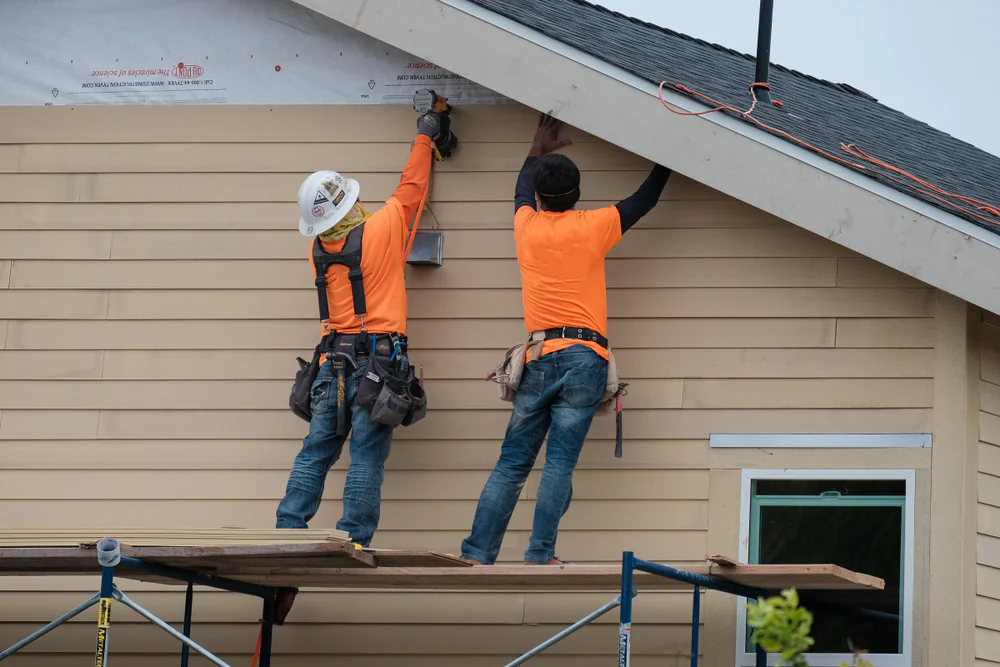
Arlington’s weather doesn’t mess around. Nor’easters, ice storms, and summer humidity put constant pressure on your siding. When panels crack, warp, or pull away from your house, you’re not just looking at an eyesore—you’re dealing with water getting where it shouldn’t, drafts driving up your heating bill, and potential rot behind the walls.
Fixing cracked vinyl siding in Arlington, MA isn’t about slapping on a patch and calling it done. It’s about stopping the problem before it spreads. A small crack today becomes a moisture problem tomorrow, and moisture problems don’t stay small.
When we repair your siding, you get protection that actually holds up. No more cold spots near damaged sections. No more wondering if that last storm made things worse. Just a tight exterior that keeps the weather outside where it belongs.
We’ve spent nearly two decades working on homes throughout Arlington and the surrounding communities. We’re not new to this. We understand how New England weather beats up siding, and we know what it takes to make repairs that actually last.
Our BuildZoom score puts us in the top 8% of Massachusetts contractors—not because we’re good at marketing, but because we show up, do the work right, and don’t cut corners. Every repair gets the same attention whether it’s three panels or thirty.
Arlington’s mix of historic homes and newer construction means we’ve worked with just about every siding type out there. Wood, vinyl, fiber cement—we know how each one fails and how to fix it properly.
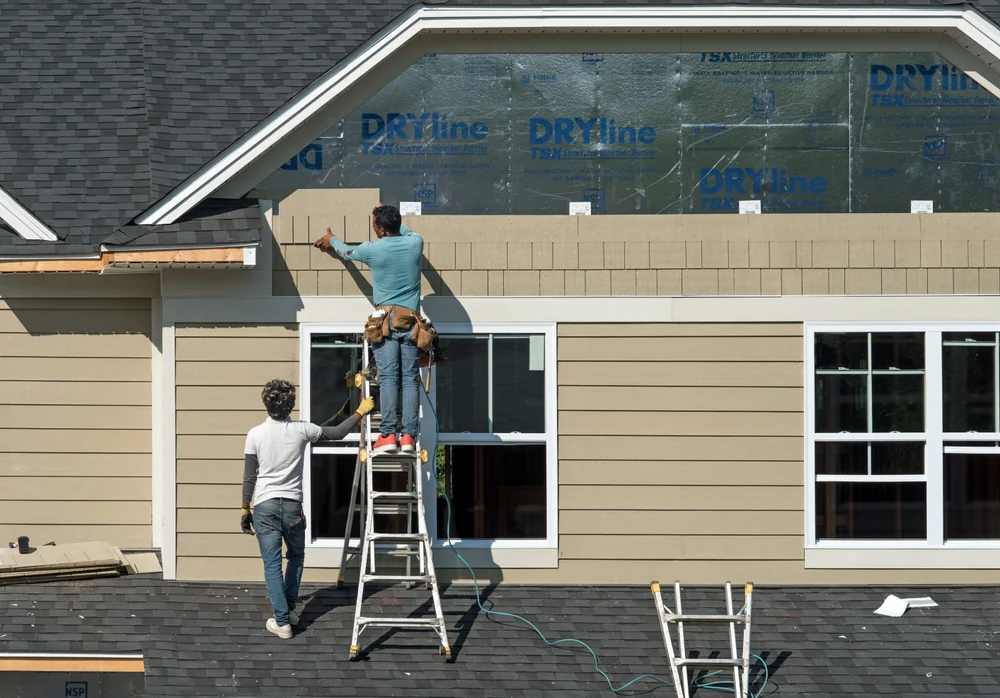
First, we come look at what’s actually going on. Not every crack needs a full panel replacement, and not every warped board means your whole wall is compromised. We’ll tell you what needs fixing and what doesn’t.
If you’re dealing with hail damage siding in Arlington, MA or storm damage, we document everything properly. Insurance companies have specific requirements, and we know what they need to see. We’ll work directly with your adjuster to make sure legitimate damage gets covered.
Once we know what we’re fixing, we source materials that match what you already have. Color matching old siding can be tricky—fading happens, manufacturers discontinue lines—but we’ve been doing this long enough to know where to look and what works. Then we make the repair, seal everything properly, and make sure water can’t get behind your siding. You shouldn’t be able to tell where the old ends and the new begins.
Ready to get started?
Siding repair cost in Arlington, MA typically runs between $400 and $1,400 for most jobs, depending on how much damage you’re dealing with and what materials we’re working with. Emergency repairs during winter can cost more—20-30% more—because working in freezing temperatures takes longer and requires extra precautions.
You’re not just paying for new panels. You’re getting proper flashing, correctly sealed seams, and repairs that won’t fail in the next storm. We check the underlayment, make sure your moisture barrier is intact, and verify that water can’t pool anywhere it shouldn’t.
For warped siding repair in Arlington, MA, we also look at why it warped in the first place. Sometimes it’s just age and weather. Sometimes it’s a ventilation issue or water getting trapped. Fixing the symptom without addressing the cause just means you’ll be calling someone again in six months.
Arlington homes deal with salt air, temperature swings from single digits to 90+ degrees, and constant freeze-thaw cycles. Your repair needs to handle all of that. Ours do.
Matching old siding colors is one of the trickiest parts of any repair, and honestly, sometimes it’s not possible to get a perfect match. Siding fades over time—UV exposure, weather, and age all change the color. If your existing siding has been up for 10+ years, new panels in the “same” color will look noticeably different.
We have a few options when this happens. First, we check if your manufacturer still makes your exact product line and color. Sometimes we get lucky. Second, we can sometimes swap panels from less visible areas of your house to the damaged spot, then put the new panels where they’re harder to notice. Third, if the damage is extensive enough and matching isn’t working, your insurance policy might cover replacing undamaged sections to maintain uniformity—it’s called a “code upgrade” or “matching” endorsement, and it’s worth checking your policy.
What we won’t do is install something that looks obviously wrong and tell you it’s fine. If matching is going to be a problem, we’ll tell you upfront and talk through your options.
Most standard homeowners insurance policies in Massachusetts cover siding damage from storms, hail, wind, and other “sudden events”—but there’s a big difference between storm damage and general wear and tear. If a nor’easter rips panels off your house or hail cracks your siding, that’s typically covered. If your siding is just old and deteriorating, insurance won’t help.
The key is documentation. Insurance adjusters sometimes miss damage or underestimate what needs fixing. We’ve worked with enough claims to know what to look for and how to document it properly. We take detailed photos, note all affected areas, and can work directly with your insurance company to make sure legitimate damage gets approved.
One thing to watch for: your policy might only cover the damaged portion, not the whole side of your house. But if matching isn’t possible (see the question above), some policies have endorsements that cover replacing undamaged sections for uniformity. It’s worth having us review your damage and your policy language before you file a claim. Filing and getting denied can sometimes make it harder to file again later.
For most repairs that aren’t emergencies, we can usually get to you within a week or two, depending on the season. Winter and early spring after storm season tend to be busier. If you’re dealing with active water intrusion or a section that’s completely open to the elements, we can often prioritize that and get emergency coverage in place faster.
Here’s the thing about cracked vinyl siding—it doesn’t get better on its own. Water gets into cracks, freezes, expands, and makes the crack bigger. Then moisture gets behind your siding and starts working on your sheathing and insulation. What starts as a $200 repair can turn into a $2,000 problem if you wait too long.
That said, not every crack is an emergency. Small surface cracks that aren’t letting water through can usually wait a few weeks without major consequences. Larger cracks, cracks near seams or corners, or anything where you can see moisture or daylight coming through—those need attention sooner. When you call, we’ll ask the right questions to figure out how urgent your situation actually is.
Warped siding repair in Arlington, MA usually happens for one of three reasons: heat buildup (often from a grill or reflective window nearby), poor installation that didn’t allow for expansion and contraction, or moisture getting trapped behind the siding. Vinyl and other materials expand and contract with temperature changes—if they can’t move properly, they buckle and warp.
In most cases, yes, you can replace just the warped sections without redoing your whole house. We remove the damaged panels, check what’s behind them to make sure there’s no moisture damage or ventilation issues, fix whatever caused the warping in the first place, and install new panels with proper spacing and fastening.
If the warping was caused by something like a window reflecting concentrated heat onto your siding, we need to address that too—otherwise your new panels will just warp again. Sometimes that means adding a shade, relocating a grill, or choosing a more heat-resistant material for that specific area. The repair itself is straightforward, but figuring out the cause is what prevents it from happening again.
Siding repair cost in Arlington, MA for typical damage—a few cracked panels, some storm damage, localized warping—usually runs between $400 and $1,400. Full siding replacement on an average Arlington home can easily hit $15,000 to $25,000 or more, depending on your house size and material choice. Repair is almost always cheaper when it’s an option.
The question is whether repair makes sense or if you’re just delaying the inevitable. If your siding is relatively new (less than 15 years old) and the damage is localized, repair is usually the smart move. If your siding is 25+ years old, you’re seeing damage in multiple areas, or you’re dealing with widespread fading and brittleness, replacement might actually save you money in the long run.
We’ll be straight with you about which makes more sense. Sometimes we show up expecting to quote a repair and realize the existing siding is so deteriorated that patching it is just throwing money away. Other times homeowners think they need full replacement when really they just need $800 worth of repairs. We’ve been doing this long enough that we’re not trying to upsell you—we’d rather you spend your money wisely and call us again when you actually need something.
Yes, and we do it regularly. Hail damage siding in Arlington, MA is common after severe storms, but it’s not always obvious to homeowners. Hail impacts can crack vinyl, dent fiber cement or metal siding, and cause fractures that don’t show up clearly until months later when water starts getting in.
We know what insurance adjusters look for and how to document damage so your claim has the best chance of approval. That means detailed photos, measurements, notes on all affected areas, and sometimes pointing out damage the adjuster missed on their first walkthrough. We can be there when the adjuster comes out, or we can provide documentation you can submit yourself.
One important thing: we can’t file the claim for you (that’s your job as the policyholder), and we can’t guarantee your insurance will cover everything. But we can make sure all legitimate damage is identified and documented properly. We’ve seen too many homeowners get lowball settlements because damage wasn’t properly assessed the first time. Insurance companies aren’t trying to cheat you, but they’re also not going to pay for damage they don’t see documented. That’s where we come in.