Hear from Our Customers
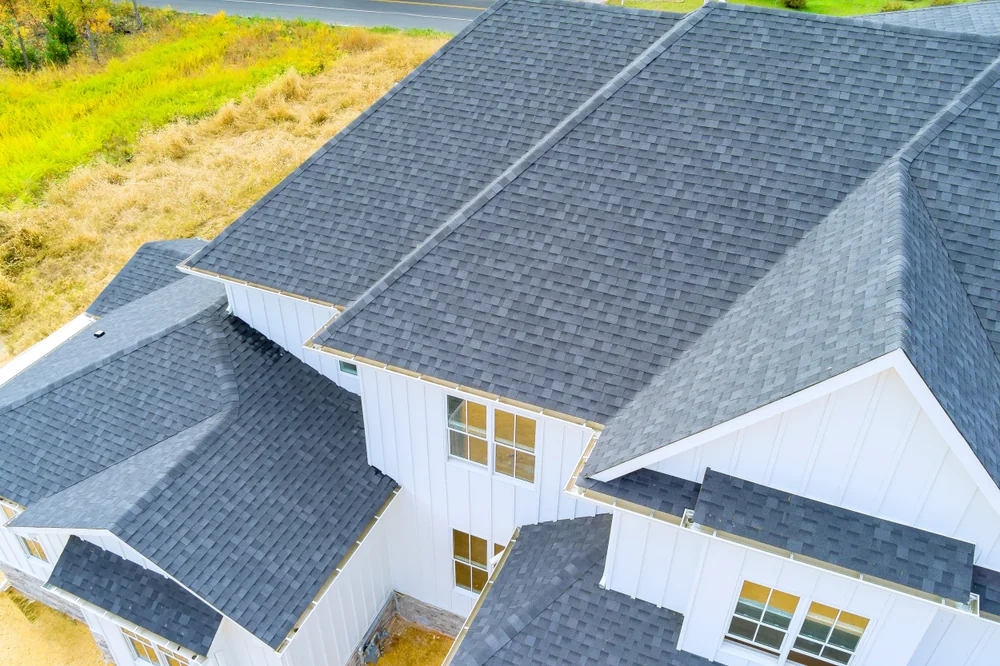
You stop worrying about water getting behind your walls every time it rains. Your heating bills drop because cold air isn’t sneaking through gaps around old boards. You’re not scraping and painting every summer just to keep your house from looking neglected.
That’s what proper siding does. It keeps weather out, keeps energy costs down, and gives you back your weekends.
In Wayland, where 43% of homes were built between the 1940s and 1960s, most houses are running on original or outdated siding that wasn’t designed for today’s climate extremes. The temperature swings from subzero winters to humid summers crack wood, warp vinyl, and create openings for moisture damage. Good siding stops that cycle.
We’ve been handling residential siding services in Wayland, MA and surrounding areas for nearly two decades. We’re not new to this, and we’re not trying to figure it out as we go.
We work with materials built for this climate—James Hardie fiber cement, CertainTeed vinyl, composite options that don’t rot or need constant upkeep. We know what holds up here because we’ve seen what fails.
Wayland homeowners deal with specific challenges: historic homes that need careful handling, strict local building codes, and property values that demand quality work. We get that. Your home is likely worth over a million dollars, and you’re not looking for shortcuts or sales pitches. You want it done right.
First, we come out and look at what you’re dealing with. Not a high-pressure sales visit—just an honest assessment of what’s failing, what’s causing it, and what your options are. You’ll get a clear estimate that breaks down materials, labor, and timeline.
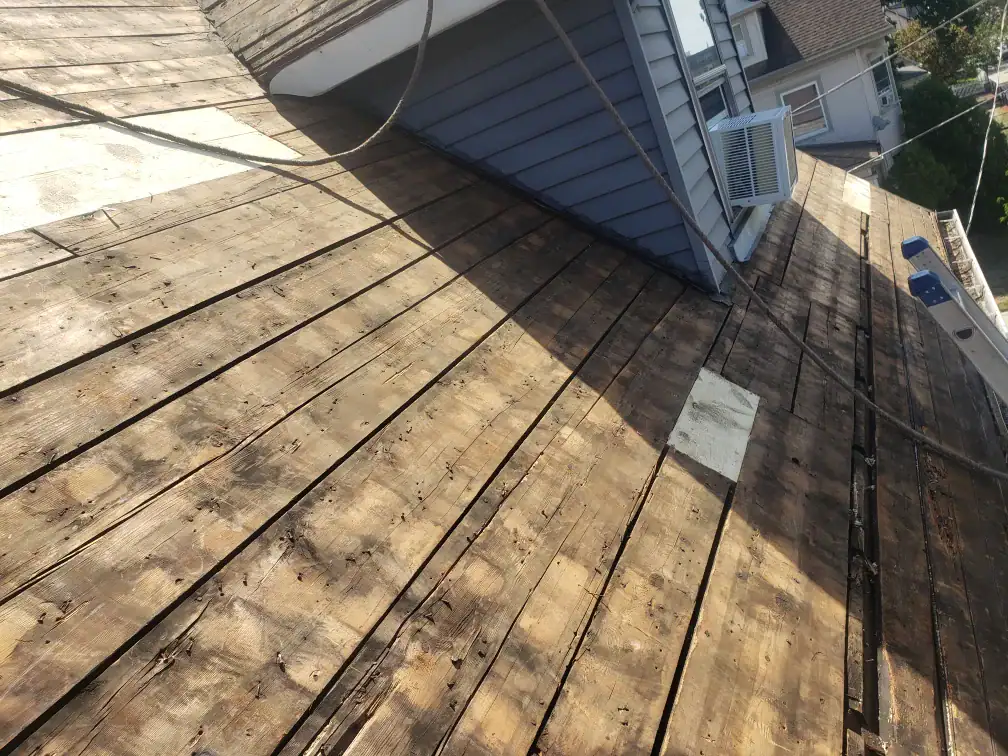
Once you’re ready to move forward, we pull permits and handle the code compliance paperwork. In Wayland, that matters. Then we remove your old siding carefully, inspect the sheathing and framing underneath for any rot or damage, and address those issues before new material goes up.
Installation takes one to two weeks for most homes, depending on size and complexity. We’re not the crew that disappears for days or leaves your house exposed overnight. We protect your home during the process, clean up daily, and stay on schedule.
After installation, you get warranty documentation for both materials and labor. Most fiber cement comes with 30-year transferable coverage. Vinyl typically carries lifetime warranties. We make sure you have everything documented.
Ready to get started?
You’re not just getting new boards nailed to your house. A complete siding replacement includes removal and disposal of old material, inspection and repair of underlying structure, installation of proper moisture barriers and insulation, new siding material installed to manufacturer specs, and trim work around windows, doors, and corners.
In Wayland, we also handle the permit process with the town’s building department. That’s not optional—it’s required for this type of work, and it protects you if you ever sell. Inspections get scheduled and passed before we consider the job complete.
Material options depend on what you’re looking for. Fiber cement gives you the best durability and fire resistance—it’s 90% sand and cement, so it won’t burn, rot, or get eaten by pests. Vinyl costs less upfront and never needs painting. Wood gives you traditional aesthetics but requires ongoing maintenance. Composite splits the difference with lower maintenance than wood but a more natural look than vinyl.
For homes in Wayland’s historic districts or with specific architectural styles, we match existing profiles and colors so the update doesn’t look out of place. Your home should look better, not different.

Most full siding replacements in Wayland run between $18,000 and $45,000, depending on your home’s size, material choice, and how much prep work is needed. A 2,000 square foot home with vinyl siding typically lands around $20,000 to $28,000. The same house with fiber cement runs $28,000 to $40,000.
Those numbers include removal of old siding, any necessary repairs to sheathing or framing, moisture barriers, new material, trim, and labor. They don’t include things like major structural repairs if we find rot, or additions like new windows or door replacements done at the same time.
The range is wide because every house is different. A straightforward ranch with minimal trim and easy access costs less per square foot than a two-story colonial with lots of corners, dormers, and detail work. If your home was built in the 1950s or 1960s—like nearly half of Wayland’s housing stock—there’s a decent chance we’ll find some sheathing damage that needs addressing before new siding goes up. We don’t know that until we remove the old material, but we flag it during the estimate so you’re not blindsided.
Fiber cement handles New England’s climate better than anything else. It’s engineered specifically for temperature extremes—James Hardie’s HZ5 product line is rated for freeze-thaw cycles and won’t crack, warp, or rot when you go from 15 degrees in January to 90 degrees and humid in July.
It’s also non-combustible, which matters for fire safety. It won’t get eaten by carpenter ants or drilled into by woodpeckers. And it doesn’t expand and contract like vinyl does, so you don’t get the wavy look some vinyl siding develops after a few years.
Vinyl is the second-best option if budget is a bigger concern. Modern vinyl products are significantly better than what was available 20 years ago—thicker profiles, better color retention, improved impact resistance. It won’t rot or need painting. The tradeoff is that it can crack in extreme cold and it doesn’t have the same rigidity as fiber cement, so it can look less substantial on the wall.
Wood looks great and fits historic homes perfectly, but it requires maintenance. You’re repainting or restaining every five to seven years, and you need to stay on top of it. Skip a few years and you’re dealing with rot. If you love the look and don’t mind the upkeep, it’s a valid choice. Most Wayland homeowners we work with choose fiber cement or vinyl to avoid that maintenance cycle.
Most residential siding projects take one to two weeks once we start. That’s from the day we remove the first board to the day we finish cleanup and final walkthrough. Smaller homes or simple ranches can be done in a week. Larger colonials with more detail work might stretch to two and a half weeks.
Weather can extend that timeline. We don’t install siding in heavy rain or when temperatures drop below the manufacturer’s minimum installation temperature—usually around 40 degrees for vinyl, slightly lower for fiber cement. If we hit a stretch of bad weather mid-project, we pause until conditions are right. Your house stays protected with moisture barriers during any delays.
Before installation starts, there’s permitting time. Wayland’s building department typically processes permits within a week or two, depending on their workload. We handle that submission, but it does add time to the overall project timeline from when you sign the contract to when we show up with materials.
The best time to schedule is late spring through early fall when weather is most predictable. We book those months early. Late fall and winter are slower, so if you’re flexible on timing, you might get on the schedule faster. We just can’t guarantee we won’t hit weather delays during colder months.
Yes, but how much depends on what you’re replacing and what insulation gets added during installation. If you’re replacing old wood siding with no insulation behind it, adding insulated vinyl or fiber cement with proper house wrap can cut your heating and cooling costs by 15% to 25%. That’s $400 to $800 per year for a typical Wayland home.
The energy savings come from two things: eliminating air leaks and adding insulation value. Old siding develops gaps around boards, windows, and trim. Cold air sneaks in during winter, and your furnace runs more to compensate. New siding with proper sealing stops those drafts.
Insulated vinyl has a foam backing that adds R-value—usually around R-2 to R-4. That’s not huge, but it’s better than nothing. Fiber cement doesn’t have built-in insulation, but we install rigid foam insulation boards behind it if you want maximum energy efficiency. That can add R-5 to R-8 depending on thickness.
The payback period on siding replacement is long if you’re only looking at energy savings—maybe 15 to 20 years. But you’re not just buying it for lower utility bills. You’re getting weather protection, eliminated maintenance, better curb appeal, and increased home value. The energy savings are a bonus that makes the investment more attractive, not the only reason to do it.
If the damage is localized to one area—maybe a few boards got cracked by a falling branch or a section near a gutter leak rotted out—repair makes sense. We can replace those boards, match the color as closely as possible, and you’re good for several more years.
But if you’re seeing problems in multiple areas, or if your siding is 30-plus years old, replacement is usually the smarter move. Here’s why: once siding starts failing in several spots, it’s telling you the whole system is at the end of its lifespan. You’ll be doing patchwork repairs every couple of years, and you’re still left with old material that’s not performing well.
With Wayland’s housing stock—nearly half the homes built between 1940 and 1960—a lot of houses are running on siding that’s decades past its intended lifespan. If that’s your situation, repair is just delaying the inevitable. You’ll spend money on fixes now and still need full replacement within a few years.
The other consideration is what’s behind the siding. When we remove old material for replacement, we often find sheathing damage, rot around windows, or moisture problems that weren’t visible from outside. Repairs don’t give us a chance to inspect and fix those hidden issues. Replacement does. If you’re going to invest money in your home’s exterior, it makes sense to do it in a way that actually solves the underlying problems instead of covering them up temporarily.
First, make sure they pull permits. Any contractor who suggests skipping the permit process is setting you up for problems when you sell. Wayland requires permits for siding replacement, and the building inspector needs to sign off on the work. If that doesn’t happen, you’ll deal with it later—either by having unpermitted work disclosed during sale or by paying to have everything inspected and potentially redone.
Second, ask about their experience with your specific material. Installing fiber cement correctly is different from vinyl, which is different from wood. Each material has manufacturer specifications for fastening, spacing, flashing, and trim details. A contractor who mostly does vinyl might not know the nuances of fiber cement installation. Get references for projects using the same material you’re considering.
Third, get a detailed written estimate that breaks down materials, labor, and what’s included. “Siding replacement” can mean different things to different contractors. Does it include new trim? New moisture barriers? Repair of damaged sheathing up to a certain amount? Make sure you know what you’re paying for.
Fourth, verify they’re insured—both liability and workers’ comp. You don’t want to be liable if someone gets hurt on your property. Ask for certificates of insurance and confirm they’re current.
Finally, check how long they’ve been in business and whether they have a local reputation. A contractor who’s been serving the area for 10-plus years has a track record you can verify. Talk to past customers if possible. See if their previous work has held up. That tells you more than any sales pitch will.