Hear from Our Customers
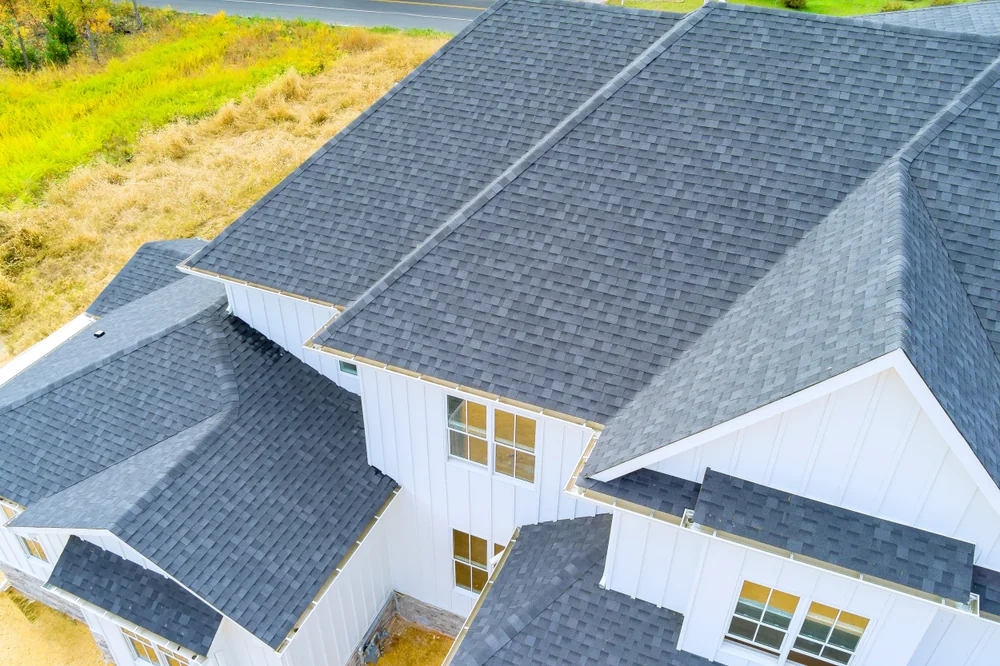
Your siding isn’t just about curb appeal. When it’s damaged, you’re paying for it every month in higher heating and cooling costs. Those drafts around windows, the cold spots in winter, the rooms that never quite stay comfortable—that’s failing siding letting conditioned air escape and weather push its way in.
Townsend homes face brutal freeze-thaw cycles that crack vinyl, warp wood, and buckle fiber cement over time. You’ll see it in the obvious places first: visible damage, fading color, sections that look wavy or loose. But the real cost shows up in your utility bills and the moisture creeping into your walls.
Quality exterior home remodeling in Townsend, MA means installing siding that handles what New England throws at it. You get better insulation, tighter seals around openings, and materials engineered for temperature swings. The result is a home that holds its temperature, protects its structure, and looks sharp doing it.
We’ve spent 18 years replacing siding on Massachusetts homes. We’re an Owens Corning Preferred Contractor, which means we’ve met their requirements for installation quality and customer service—not just once, but consistently enough to maintain that status.
Townsend sits in a weather zone that tests every material choice. We know which products hold up to your winters and which ones fail in three years. We know the difference between a fast install and a proper one, and we know what your home needs to stay protected for the next two decades.
You’re not hiring a crew that learned siding last summer. You’re working with people who’ve seen what works in your area and what doesn’t.
First, we come out and look at what you’ve got. We check for damage you can see and damage you can’t—moisture behind panels, failed flashing, structural issues that need addressing before new siding goes up. You get a clear assessment of what needs to happen and why.
Next, we walk you through material options. Vinyl, fiber cement, engineered wood—each has trade-offs in cost, maintenance, and longevity. We’ll tell you what makes sense for your home, your budget, and how long you plan to stay. No upselling to the most expensive option. Just honest guidance on what works.
Then we schedule the work. We remove old siding, address any sheathing or moisture issues underneath, install proper moisture barriers, and put up your new siding with attention to flashing, trim, and sealing. The job takes anywhere from a few days to a couple weeks depending on your home’s size and complexity. When we’re done, you get a walkthrough, warranty information, and a home that’s actually protected.
Ready to get started?
Every siding project starts with free siding estimates in Townsend, MA. You get a detailed breakdown of materials, labor, timeline, and what’s included. No surprise charges. No vague line items.
We handle both residential siding services in Townsend, MA and commercial projects. Residential work includes full replacements, partial repairs, and upgrades to energy-efficient materials like insulated vinyl or James Hardie fiber cement. Commercial siding contractors in Townsend, MA need to work faster and minimize business disruption—we schedule around your operations and move efficiently.
Townsend’s median home value sits around $428,000. That’s a significant investment, and your siding plays a major role in protecting it. Quality siding replacement returns up to 80% of its cost when you sell, but more importantly, it stops the slow damage that happens when moisture gets behind failing panels. We’ve seen homes in your area with mold in the wall cavities, rotted sheathing, and structural damage—all because siding wasn’t doing its job. You’re not just improving appearance. You’re preventing expensive problems that compound over time.

Most siding replacement projects in Massachusetts run between $10,000 and $30,000 depending on your home’s size, material choice, and how much prep work is needed. A typical Townsend home—around 1,500 to 2,500 square feet—usually falls in the $15,000 to $25,000 range for quality materials and proper installation.
Vinyl siding sits at the lower end of that spectrum. It’s durable, low-maintenance, and handles New England weather well if installed correctly. Fiber cement costs more upfront but lasts longer and resists impact, moisture, and fire better than vinyl. Engineered wood falls somewhere in the middle—better appearance than vinyl, easier to work with than fiber cement.
The price also depends on what we find when we remove your old siding. If there’s moisture damage, rotted sheathing, or structural issues underneath, those need fixing before new siding goes up. We’ll identify that during the estimate so you know the full scope before we start. No one likes surprise costs halfway through a project.
Visible damage is the obvious one—cracks, holes, warping, or sections that look buckled or loose. If you’re seeing that, your siding isn’t protecting your home anymore. Fading color across large areas usually means the material is breaking down from UV exposure and weathering. That’s not just cosmetic. It means the protective properties are degrading too.
Inside your home, watch for peeling wallpaper, bubbling paint, or mold growth on interior walls. Those are signs moisture is getting through your exterior envelope. Higher energy bills without explanation often point to failing siding that’s letting drafts in and conditioned air out. If rooms feel drafty or certain areas never quite warm up in winter, your siding might be the culprit.
Townsend’s freeze-thaw cycles are brutal on siding. Water gets into small cracks, freezes, expands, and makes those cracks bigger. Over time, that cycle destroys even quality materials. If your siding is 15-20 years old and showing multiple warning signs, replacement is usually more cost-effective than ongoing repairs.
Fiber cement handles Massachusetts weather better than anything else. James Hardie is the most recognized brand, and for good reason—it resists moisture, doesn’t rot, holds up to freeze-thaw cycles, and maintains its appearance for decades. It costs more upfront, but you’re looking at 30-50 years of performance with minimal maintenance.
Insulated vinyl is the next best option if budget is a concern. The insulation backing adds rigidity and energy efficiency that standard vinyl lacks. Quality vinyl siding won’t rot or attract insects, and it handles temperature swings well. The downside is it can crack in extreme cold and fade over time, especially darker colors.
Engineered wood gives you a more natural appearance without the maintenance headaches of real wood. It’s treated to resist moisture and insects, but it still requires more upkeep than vinyl or fiber cement. In Townsend’s climate, you’ll need to stay on top of inspections and touch-ups to keep it performing. For most homeowners here, fiber cement or insulated vinyl makes the most sense—they balance performance, cost, and the reality of what New England weather does to exterior materials.
A typical residential siding replacement in Townsend, MA takes one to two weeks. Smaller homes or straightforward replacements can be done in a few days. Larger homes, complex architectural details, or projects that uncover underlying damage take longer.
Weather plays a role too. We can’t install siding in heavy rain or when temperatures drop too low for materials to seal properly. Townsend’s weather can be unpredictable, especially in spring and fall, so we build some flexibility into the schedule. We’ll give you a realistic timeline upfront and keep you updated if anything changes.
The process involves removing old siding, inspecting and repairing sheathing, installing moisture barriers and house wrap, then putting up new siding with proper flashing and trim work. Rushing any of those steps leads to problems down the road. You want it done right, not done fast. A quality installation protects your home for decades. A rushed job starts failing in a few years.
Yes. You get two warranties—one on the materials and one on the installation. Material warranties come from the manufacturer and vary by product. Quality vinyl typically carries 25-year to lifetime warranties covering defects and fading. Fiber cement products like James Hardie offer 30-year warranties on the product itself.
Our installation warranty covers workmanship. If something fails because of how we installed it, we fix it. That’s separate from material defects. Most installation issues show up in the first year or two—flashing that wasn’t sealed properly, trim that wasn’t fastened correctly, panels that weren’t aligned right. Those are on us.
The important thing about warranties is they’re only valuable if the company stands behind them. We’ve been operating since 2006. We’re not disappearing next year. If you have an issue, you can reach us. Keep your warranty documentation, follow the maintenance requirements (which are minimal for quality siding), and you’re covered. Transferable warranties also add value when you sell—buyers like knowing the siding is protected.
Sometimes repair makes sense. If damage is isolated to a small area—maybe a section got hit by a falling branch or a single panel cracked—we can replace those pieces. Vinyl siding repair is straightforward when the damage is localized and we can match your existing material and color.
But if you’re seeing widespread issues—multiple areas with damage, fading across the whole house, or your siding is 15-20 years old—replacement is usually the smarter move. Here’s why: repairing one section doesn’t fix the underlying aging of the rest of your siding. You’ll be back in a year or two repairing another section, then another. You end up spending more over time than if you’d just replaced it all at once.
We’ll be straight with you about what makes sense. If repair works, we’ll tell you. If you’re throwing money at a losing battle, we’ll tell you that too. The goal is to solve your problem in the most cost-effective way, not to sell you the biggest project. Sometimes that’s a repair. Often, especially with older siding showing multiple warning signs, it’s replacement.