Hear from Our Customers
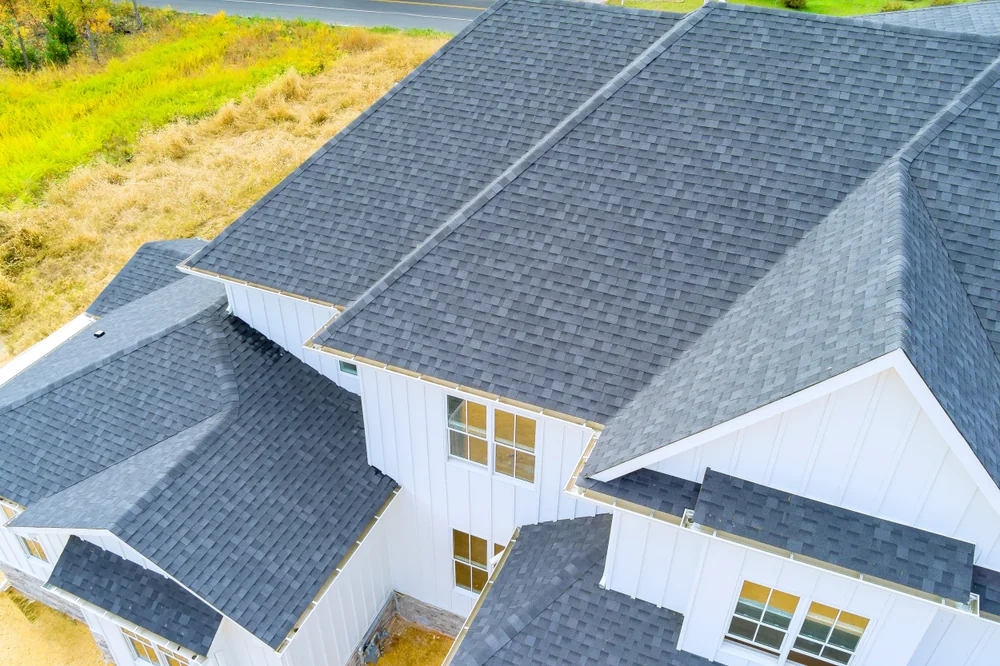
Your siding takes a beating here. Salt particles cling to every surface, breaking down coatings and trapping moisture that feeds mold and rot. Wind-driven rain finds every gap. Standard vinyl cracks in the cold, and untreated wood warps within seasons.
Coastal-rated siding changes that. You get materials engineered to resist salt corrosion, shed moisture, and flex with temperature swings without cracking. Proper installation seals out drafts that spike your heating bills and prevents water infiltration that leads to structural damage.
The difference shows up in your energy costs first. Homes with quality siding and proper insulation see noticeable drops in utility bills because your HVAC system isn’t fighting air leaks anymore. Then you notice you’re not repainting every few years or replacing rotted boards. Your home looks better, performs better, and holds its value in a market where median property values hit $903,300.
We specialize in exterior home remodeling in Seabrook Beach, NH and surrounding coastal communities. We’re an Owens Corning Preferred Contractor, which means we’ve met strict requirements for quality work and customer service that most contractors don’t qualify for.
We work with premium materials from James Hardie, CertainTeed, and Owens Corning because they perform in coastal conditions. Your home isn’t inland where any siding works fine for twenty years. You’re dealing with salt air, hurricane-force winds, and flooding risk that affects 85% of properties here.
We’ve seen what happens when contractors use standard materials or cut corners on installation. You end up with peeling paint, water damage, and a siding replacement that should’ve lasted decades but failed in five years. That’s why we focus on doing it right the first time with materials rated for coastal exposure.
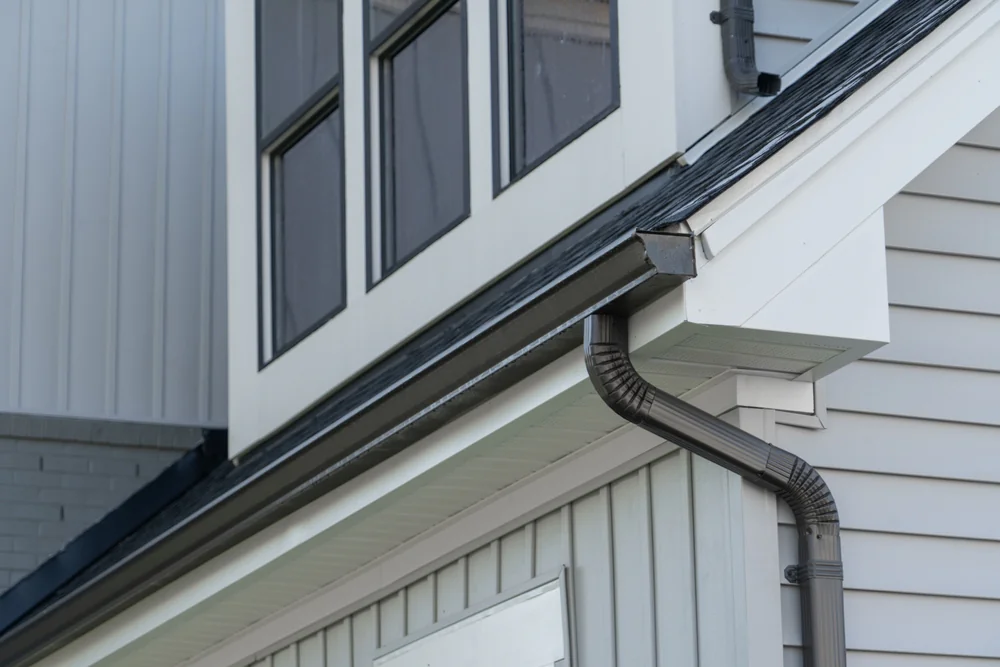
We start with a free estimate at your property. You show us what’s failing, we assess the damage, and we discuss material options that make sense for your home and budget. Fiber cement handles salt exposure differently than premium vinyl, and you should understand the tradeoffs before deciding.
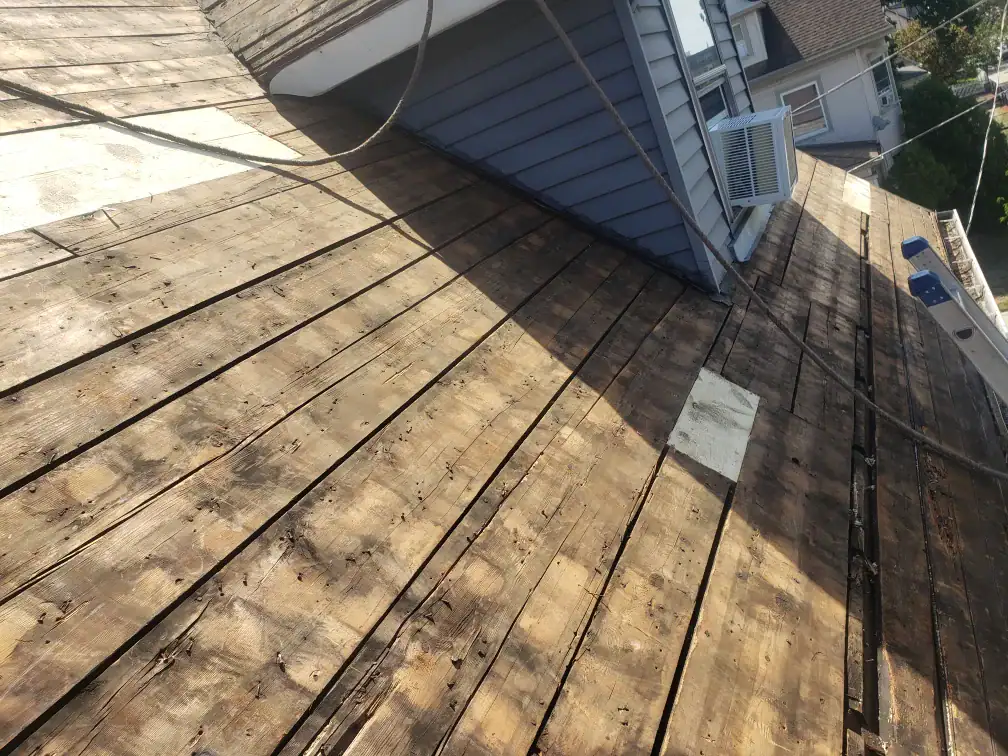
Once you approve the estimate, we schedule the work and order materials. Installation starts with removing old siding and inspecting your sheathing and framing for water damage or rot. If we find issues, we address them before new siding goes up because covering problems just delays bigger repairs later.
New siding goes on with proper flashing, sealed seams, and attention to thermal bridging that causes energy loss. We’re looking at how each panel overlaps, how trim pieces fit, and whether water has any path behind your siding. The details matter because coastal weather finds every weak point.
Final inspection covers the full installation. You walk the property with us, we answer questions, and you see exactly what was done. Most projects take several days depending on your home’s size and the scope of work.
Ready to get started?
You’re getting siding materials rated for coastal exposure, not standard products that fail in salt air. James Hardie fiber cement with ColorPlus technology resists moisture, won’t rot, and holds color without frequent repainting. CertainTeed vinyl is engineered to handle temperature extremes without cracking or warping.
Installation includes proper moisture barriers, sealed penetrations around windows and doors, and insulation upgrades where needed. We’re addressing the gaps and thermal bridges that drive up your energy costs. Homes in Seabrook Beach face severe wind events affecting 75% of properties, so every seam and fastener matters.
You also get carpentry work where water damage has compromised framing or sheathing. Siding is only as good as what’s behind it, and coastal homes often have hidden rot that needs repair before new siding goes up. We handle that as part of the project so you’re not covering problems that’ll resurface later.
The result is siding that performs in the conditions you actually face here. Lower maintenance, better energy efficiency, and protection that lasts. With the median household income at $114,167 and property values over $900,000, you’re protecting a significant investment in a market where exterior condition directly impacts appraisals and resale value.

Fiber cement and premium vinyl are your best options here. James Hardie fiber cement is engineered to resist salt air, won’t rot or warp, and holds factory-applied color for decades without the peeling you see with painted wood. It’s heavier and costs more upfront, but it outlasts other materials in coastal conditions.
Premium vinyl from CertainTeed handles temperature swings and salt exposure better than standard vinyl. It won’t crack in cold weather or become brittle from UV exposure. The key is getting contractor-grade vinyl, not the thin stuff that fails in five years.
Wood siding can work if you’re committed to maintenance, but coastal exposure cuts its lifespan dramatically. Cedar and redwood drop from 20+ years inland to 7-10 years here because salt accelerates rot and moisture damage. If you want wood for the look, expect to invest in regular sealing and repainting to protect your investment.
Most residential siding services in Seabrook Beach run between $15,000 and $40,000 depending on your home’s size, material choice, and how much underlying damage needs repair. Coastal homes often have hidden water damage that adds to the scope once old siding comes off.
Vinyl siding costs less upfront, usually $8-12 per square foot installed. Fiber cement runs $12-18 per square foot but lasts longer and requires less maintenance. Those prices include removal of old siding, repairs to sheathing if needed, moisture barriers, and installation.
The ROI is strong regardless of material. Industry data shows siding replacement recoups about 88.5% of cost at resale, and that’s before factoring in energy savings from better insulation. In a market where median home values exceed $900,000, exterior condition heavily influences buyer perception and appraisal values. Spending $25,000 on quality siding protects a much larger investment.
Yes, if your current siding has gaps, poor insulation, or air leaks. Older homes in Seabrook Beach often have thin siding with minimal insulation, which forces your HVAC system to work harder against drafts and temperature transfer.
Modern siding installation includes insulated backing, sealed seams, and proper flashing that stops air infiltration. You’ll notice the difference most in winter when ocean winds drive cold air through every crack. Homes that upgrade from old siding to insulated fiber cement or premium vinyl typically see 15-25% reductions in heating costs.
The savings add up over time. If you’re spending $3,000 annually on heating and cooling, a 20% reduction saves $600 per year. Over a 20-year lifespan, that’s $12,000 in energy savings on top of the other benefits like reduced maintenance and increased property value.
Most residential projects take 5-10 days depending on your home’s size and complexity. A straightforward ranch might finish in a week. A larger two-story home with multiple dormers, trim details, or underlying repairs can take two weeks.
Weather affects the timeline here. We can’t install siding in heavy rain or extreme cold because adhesives and sealants won’t cure properly. Coastal weather is unpredictable, so we build some flexibility into schedules.
The process breaks down into removal (1-2 days), repairs and prep (1-3 days), installation (3-5 days), and final details like trim and cleanup (1 day). We’ll give you a specific timeline during your free estimate based on your home’s condition and the scope of work needed.
Clear the perimeter of your home. Move furniture, grills, planters, and anything within 10 feet of your exterior walls. We need access to work and space for materials, ladders, and equipment.
Trim back bushes and landscaping that’s against your house. We’ll protect what we can, but branches touching siding make installation difficult and can get damaged during the work. If you have irrigation systems near the foundation, mark them so we don’t damage lines.
Inside, expect noise and vibration. Removing old siding and nailing new panels creates sound that carries through walls. If you work from home, plan accordingly. Cover items in rooms along exterior walls if you’re concerned about dust, though we contain most debris outside. Pets should be secured away from work areas for their safety and ours.
We stop, document it, and discuss options with you before proceeding. Coastal homes frequently have water damage behind siding because salt air and moisture find their way through cracks over time. We won’t cover rot with new siding because the problem only gets worse.
Minor repairs like replacing a few damaged boards or sections of sheathing can often be handled within the original timeline. Extensive rot affecting framing or structural elements requires more work and will adjust the project scope and cost. We’ll show you exactly what needs repair and explain why it matters before doing additional work.
This is why free siding estimates in Seabrook Beach should include a thorough inspection. Some contractors give you a number based on square footage without looking closely at condition. Then you get surprises mid-project. We’d rather identify issues upfront so you can budget appropriately and understand what you’re getting into before work starts.
Other Services we provide in Seabrook Beach