Hear from Our Customers
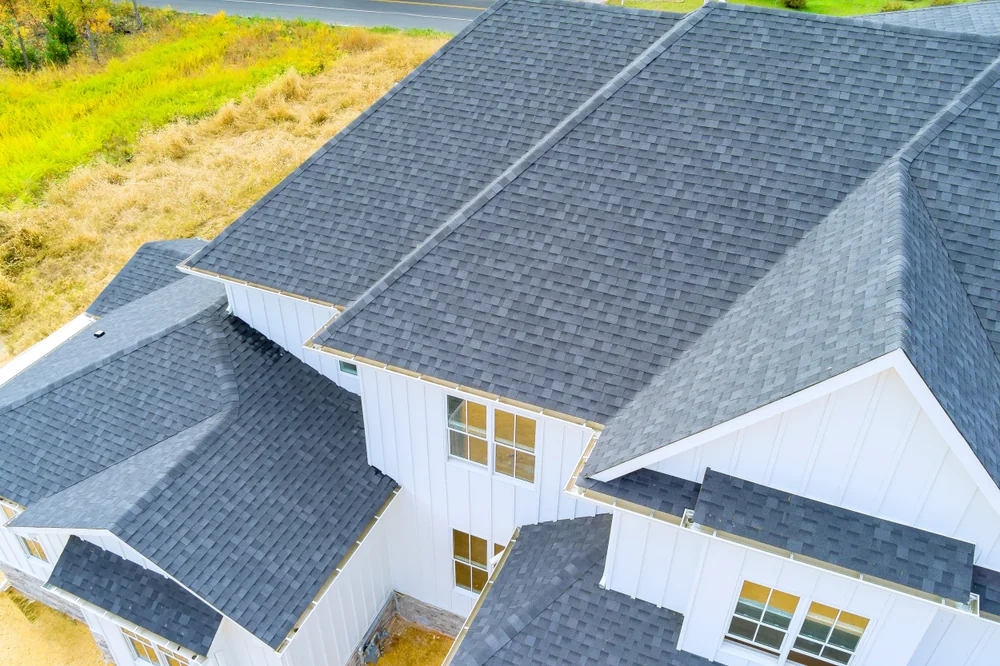
You’ve noticed the warping. Maybe the paint’s peeling again, or you’re seeing cracks that weren’t there last year. Lincoln’s freeze-thaw cycles are brutal, and your siding takes the hit every single winter.
Here’s what happens when you finally replace it: your heating bills drop because the envelope actually works. You stop scheduling emergency repairs every spring. Your home looks like it belongs in this neighborhood again.
The right siding installation in Lincoln, MA means picking materials that handle humidity in summer and sub-zero temps in winter without buckling. Fiber cement, quality vinyl, engineered wood—they all work differently, and the choice matters based on your home’s age and exposure. Most homes here were built between 1940 and 1999, which means the original siding is either failing or already patched multiple times.
You’re not just covering walls. You’re creating a barrier that keeps moisture out, stops drafts, and protects the structure underneath from rot.
We’ve been handling exterior home remodeling in Lincoln, Massachusetts since 2009. We’re not the biggest company in the area, and we’re fine with that. What we are is thorough, licensed, insured, and backed by manufacturers like James Hardie and CertainTeed.
We’ve seen what happens when siding gets installed wrong—the callbacks, the water intrusion, the homeowner frustration. That’s why we focus on doing it right the first time. Our crews are trained on proper flashing, sealing, and alignment because improper installation is the number one cause of premature failure.
Lincoln homeowners care about quality because your homes are significant investments. We get that. You’ll work with people who show up on time, communicate clearly, and don’t disappear when the job’s done.
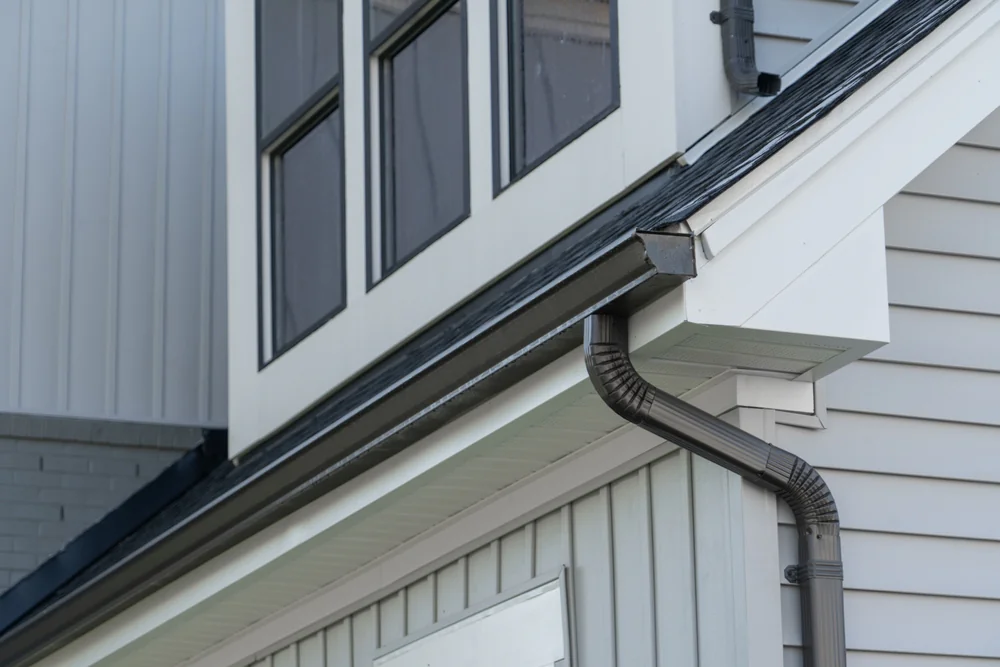
First, we come out and actually look at your home. Not a quick glance—a real assessment of what’s failing, why it’s failing, and what your house needs based on its age, orientation, and current condition. You’ll get a free siding estimate that breaks down materials, labor, and timeline.
Once you’re ready to move forward, we handle permits and scheduling. Demo day means carefully removing old siding and inspecting the sheathing underneath for any rot or damage that needs addressing before new material goes up. This step matters because covering up problems just delays bigger headaches.
Installation starts with proper moisture barriers and flashing around windows and doors. Then each panel or board gets fastened according to manufacturer specs—not too tight, not too loose, with correct overlap and expansion gaps. Corner trim, J-channels, and finishing details come last.
The whole process typically takes one to three weeks depending on your home’s size and weather. You’ll see progress every day, and we clean up at the end of each shift because you still live there.
Ready to get started?
Our residential siding services in Lincoln, MA cover everything from full replacements to storm damage repairs. You’re getting materials rated for New England’s climate—products that handle wind, impact, moisture, and temperature swings without failing in five years.
We work with fiber cement (James Hardie), vinyl, engineered wood, and composite materials. Each has different maintenance requirements, lifespans, and price points. Fiber cement lasts 30-50 years and resists fire, rot, and pests. Vinyl is lower maintenance and costs less upfront. Engineered wood gives you the look of real cedar without the constant upkeep.
For commercial siding contractors in Lincoln, Massachusetts, we handle office buildings, retail spaces, and multi-family properties. The approach is similar but scaled up with attention to code requirements and business timelines.
Every installation includes proper insulation upgrades, moisture barriers, and extended warranties. You’re not just getting new siding—you’re getting a complete exterior system that works together. And if something goes wrong down the road, we’re still here to handle it.
Lincoln’s housing stock is older and valuable. Your home deserves an installation that protects it for decades, not just until the next storm rolls through.

Most siding replacement projects in Lincoln, Massachusetts run between $12,000 and $28,000 depending on your home’s size, material choice, and current condition. That’s the honest range—not the lowball estimate you’ll get from someone trying to win the bid, then hitting you with change orders.
Fiber cement costs more upfront but lasts longer and requires almost no maintenance. Vinyl is less expensive initially and still performs well in New England weather if installed correctly. The price includes removal of old siding, any necessary sheathing repairs, new moisture barriers, installation, trim work, and cleanup.
Homes in Lincoln average over 2,500 square feet, and many are larger. If your house has complex architecture, multiple stories, or detailed trim work, expect to land on the higher end of that range. You’re also paying for proper installation, which matters more than the material itself. Cheap installation fails fast, and then you’re paying twice.
Fiber cement and quality vinyl both handle Lincoln’s weather well, but for different reasons. Fiber cement resists moisture, doesn’t rot, handles freeze-thaw cycles without cracking, and has a Class A fire rating. It’s heavy, requires professional installation, and costs more—but it lasts 30-50 years with minimal maintenance.
Vinyl expands and contracts with temperature changes, which is fine if it’s installed with proper spacing and fastening. It won’t rot or need painting, resists moisture and pests, and holds up to wind and impact when it’s quality material. Cheap vinyl gets brittle in cold weather and warps in heat, so material grade matters.
Engineered wood gives you the look of cedar with better durability and less maintenance, though it still needs occasional painting. Real wood siding is beautiful but requires constant upkeep in New England’s humidity and temperature swings. Most Lincoln homeowners choose fiber cement or premium vinyl because they want something that performs without constant attention. Your home’s exposure, age, and architectural style all factor into which material makes the most sense.
Most residential siding installations take one to three weeks from start to finish. Smaller homes with simple layouts might be done in a week. Larger homes, complex architecture, or projects that uncover sheathing damage take closer to three weeks.
Weather delays happen—we’re not installing in heavy rain or extreme cold because it compromises the quality. If we find rot or structural issues during demo, we fix them before new siding goes up, which adds time but saves you from bigger problems later.
The timeline breaks down like this: one to two days for demo and inspection, a few days for any repairs and moisture barrier installation, then the bulk of time goes to installing siding panels, trim, and finishing details. We work efficiently but don’t rush steps that matter. You’ll know the schedule upfront, and we’ll update you if anything changes. Most homeowners are surprised the process is faster than they expected, as long as weather cooperates and we don’t find major hidden damage.
Yes, you need a building permit for siding replacement in Lincoln, MA. It’s not optional, and skipping it creates problems if you ever sell your home or file an insurance claim. The permit process ensures the work meets Massachusetts building code, which exists to protect you.
We handle permit applications as part of our service because we know what the town requires and how to get approvals without delays. The inspector will check our work during installation to verify proper moisture barriers, flashing, and fastening methods. That’s actually a good thing—it’s an extra set of eyes making sure everything’s done right.
Some contractors skip permits to save money or time, which should be a red flag. If something goes wrong later, your insurance may not cover it, and you could face fines or be required to remove and redo the work. Permitted work also adds value when you sell because buyers and their inspectors can verify the installation was done legally and correctly. The permit cost is minor compared to the protection it provides.
Warping, cracks, and rot are the obvious ones, but you’ll also notice higher energy bills when your siding fails. If your heating or cooling costs have crept up without explanation, failing siding and compromised insulation are likely culprits. Drafts near exterior walls confirm it.
Peeling paint that keeps coming back no matter how often you repaint means moisture is getting behind the siding. Bubbling, blistering, or loose panels indicate water intrusion. If you’re seeing mold or mildew inside your home, especially near exterior walls, your siding isn’t doing its job anymore.
Fading and color loss happen with age, but if your home looks tired compared to neighbors, that affects your property value in a town where curb appeal matters. Loose or missing panels after storms, visible holes, or sections that sound hollow when tapped all signal it’s time for replacement rather than more patch repairs. Most siding in Lincoln is 20-40 years old based on when homes were built. If yours is in that range and showing multiple warning signs, replacement is more cost-effective than ongoing repairs that don’t solve the underlying problem.
Yes, and in Lincoln’s market it matters even more because buyers expect homes to be well-maintained. Siding replacement delivers one of the highest returns on investment for exterior projects. You’re not just making your home look better—you’re proving to buyers that the envelope is sound and they won’t face immediate repair costs.
New siding signals that the home has been cared for, which matters in a town where median home values exceed $1.3 million. Buyers and their inspectors scrutinize exterior condition closely. Old, failing siding raises questions about what else has been neglected and often leads to lower offers or requests for credits.
Beyond resale value, new siding improves energy efficiency, which lowers your costs while you live there. It protects the structure from moisture damage that leads to expensive rot and mold remediation. And it eliminates the constant maintenance cycle of scraping, painting, and patching that eats up your weekends. The investment pays back in lower energy bills, fewer repairs, increased comfort, and higher sale price when you’re ready to move. In Lincoln’s competitive real estate market, exterior condition can make or break a sale.