Hear from Our Customers
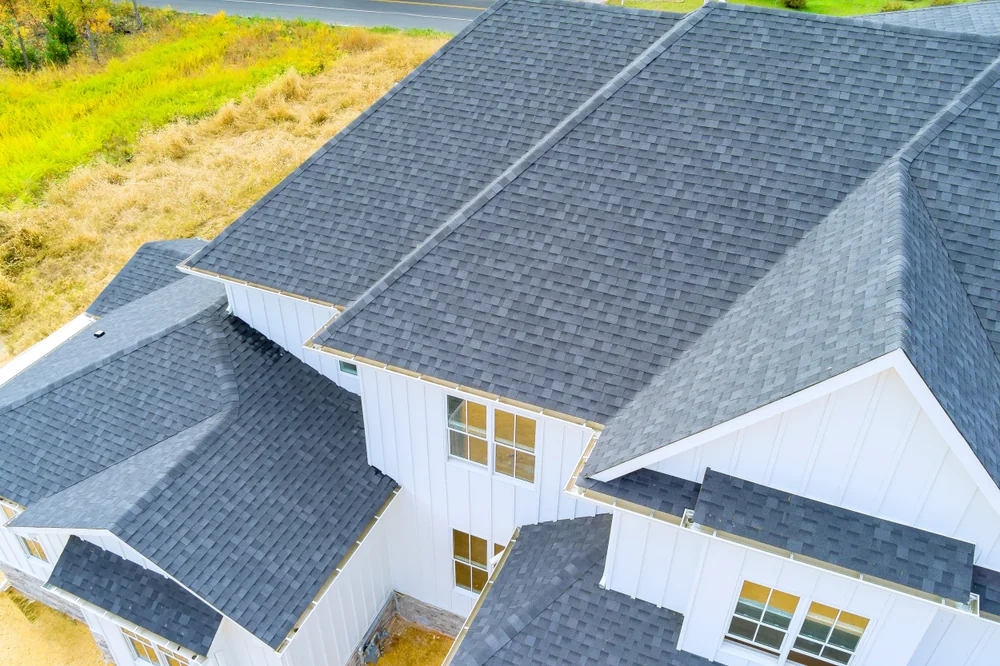
Your siding isn’t just about looks. It’s the barrier between your family and New Hampshire’s brutal winters, heavy snow loads, and summer humidity that warps cheaper materials in a few seasons.
When it’s installed right, you stop worrying about drafts in January. You stop repainting every few years. You stop seeing moisture stains creeping up from the foundation because water finally stays outside where it belongs.
Good siding gives you consistent indoor temperatures, which means your furnace isn’t running overtime trying to compensate for air leaks. That shows up in your energy bills within the first winter. And when you’re ready to sell, buyers notice a home that looks maintained and protected—not one with peeling panels and visible rot around the trim.
We work throughout Hillsborough and surrounding Hillsborough County communities. We’re an Owens Corning Preferred Contractor, which means we’ve met strict standards for quality, reliability, and customer service—not just once, but consistently.
We’re not the cheapest option, and that’s intentional. You’re hiring a siding replacement company in Hillsborough, NH that uses materials built for this climate and installers who’ve done this enough times to spot problems before they become expensive fixes.
Hillsborough homes deal with wind exposure, seasonal moisture, and temperature swings that test every seam and fastener. We account for that during installation so your siding actually performs the way it’s supposed to.
First, we come out and look at what you’re dealing with. We check for rot, moisture damage, insulation gaps, and any structural issues hiding behind the old siding. You get a free estimate that breaks down materials, labor, and timeline—no surprises later.
Once you’re ready to move forward, we handle permits and prep work. Old siding comes off carefully so we don’t damage sheathing or trim. We inspect and repair the substrate if needed, then install a proper moisture barrier before any new panels go up.
Installation follows manufacturer specs and local building codes. We’re talking about proper flashing around windows and doors, correct fastener placement, and expansion gaps that prevent buckling when temperatures shift. When we’re done, you get exterior home remodeling in Hillsborough, NH that holds up to weather and looks clean from every angle.
Cleanup happens daily, and we do a final walkthrough with you to make sure everything meets your expectations before we consider the job complete.
Ready to get started?
We install vinyl, fiber cement, and insulated siding depending on what makes sense for your building and budget. Fiber cement—especially James Hardie—is popular here because it handles freeze-thaw cycles without cracking and resists moisture better than wood or basic vinyl.
For commercial projects in Hillsborough, NH, we work on multi-unit properties, retail buildings, and office spaces that need durable, low-maintenance exteriors. Commercial projects get the same attention to weatherproofing and code compliance, just on a larger scale.
Every project includes removal of old materials, inspection and repair of underlying structure, installation of weather-resistant barriers, new siding with proper ventilation, and trim work that seals edges and transitions. We also handle soffit, fascia, and any flashing updates needed to keep water moving away from your building.
Hillsborough’s climate demands siding that can take heavy snow, ice damming, and humidity without warping or allowing moisture intrusion. We use materials rated for New England weather and install them with enough attention to detail that they actually perform as designed. That’s what separates a good installation from one that fails in five years.

Most residential projects in Hillsborough run between $8,000 and $20,000 depending on square footage, material choice, and how much repair work we find once the old siding comes off. Vinyl tends to be the most budget-friendly option. Fiber cement costs more upfront but requires almost no maintenance and lasts decades longer.
Labor typically runs $1.50 to $5 per square foot, and materials add another $2 to $10 per square foot depending on what you choose. If we’re replacing rotted sheathing or adding insulation, that adds to the total but also prevents bigger problems down the road.
We give you a detailed estimate after the initial inspection so you know exactly what you’re paying for. No vague line items or surprise charges when the job’s half done. And we offer free siding estimates in Hillsborough, NH, so there’s no risk in finding out what your project actually involves.
Fiber cement and insulated vinyl are your best options for handling New Hampshire’s freeze-thaw cycles, heavy snow, and moisture. Fiber cement doesn’t absorb water, so it won’t crack or warp when temperatures drop below freezing. It’s also fire-resistant and holds paint longer than wood or standard vinyl.
Insulated vinyl adds an extra layer of thermal protection, which helps with energy efficiency and reduces noise. It’s lighter than fiber cement and costs less, but it can still crack in extreme cold if it’s not installed with proper expansion gaps.
Wood siding looks great but requires regular maintenance in this climate—sealing, painting, and checking for rot. If you’re not interested in that level of upkeep, fiber cement gives you a similar look without the constant maintenance. James Hardie is specifically engineered for cold climates and performs well in Hillsborough’s weather conditions.
Most residential homes take one to two weeks from start to finish. Smaller homes or straightforward replacements can be done in less time. Larger homes, complex layouts, or projects that involve structural repairs take longer.
Weather affects the timeline, especially in winter or during wet periods when we can’t install moisture barriers or siding safely. We don’t rush through installations just to meet a deadline if conditions aren’t right—that’s how you end up with moisture problems and failed installations.
Commercial projects vary more depending on building size and whether the business needs to stay operational during the work. We schedule around your needs and keep disruption to a minimum. You’ll get a realistic timeline during the estimate phase, and we’ll keep you updated if anything changes during the project.
It depends on how widespread the damage is and how old your current siding is. If you’ve got a few cracked or broken panels from storm damage and the rest is in good shape, we can replace those sections. Matching color and texture can be tricky with older siding, but it’s doable if the product line is still available.
If the damage is scattered across multiple walls, or if your siding is 20+ years old, replacement usually makes more sense. Older siding often has hidden moisture damage, failing insulation, or outdated installation methods that don’t meet current standards. Patching it might fix the visible problem but won’t address what’s happening behind the panels.
We’ll tell you honestly whether repair or replacement is the smarter move after we inspect the full exterior. Sometimes a repair buys you a few more years. Other times it’s throwing money at a problem that’s only going to get worse.
Yes, if your current siding has gaps, poor insulation, or allows air infiltration. New siding with a proper moisture barrier and insulation layer creates a tighter building envelope, which means your HVAC system doesn’t have to work as hard to maintain temperature.
Insulated siding adds an extra R-value that reduces thermal transfer through your walls. In winter, that means less heat escaping. In summer, it means less heat entering. The difference shows up most noticeably in older homes that were built before modern energy codes.
How much you save depends on your current setup and what we’re replacing. Homes with single-layer vinyl or old wood siding see the biggest improvement. Newer homes with decent insulation see smaller gains but still benefit from better air sealing and moisture control. Most homeowners notice a difference in comfort first—fewer drafts, more consistent temperatures—and then see it reflected in their utility bills over the first year.
Look for cracked, warped, or rotted panels. Check for paint that’s peeling or bubbling, which usually means moisture is getting trapped behind the siding. If you see mold or mildew along seams or near the foundation, that’s a sign water isn’t draining properly.
Fading color across large sections means the material is breaking down from UV exposure and weathering. It’s not just cosmetic—once the protective layer is compromised, moisture can penetrate more easily. Higher energy bills without an obvious cause can also indicate failing insulation or air leaks around your siding.
If your siding is 20 to 30 years old, it’s likely nearing the end of its functional lifespan even if it looks okay from the street. We can do a full inspection and show you exactly what’s failing and what’s still solid. That way you’re making decisions based on the actual condition of your home, not just guessing based on age or appearance.
Other Services we provide in Hillsborough