Hear from Our Customers
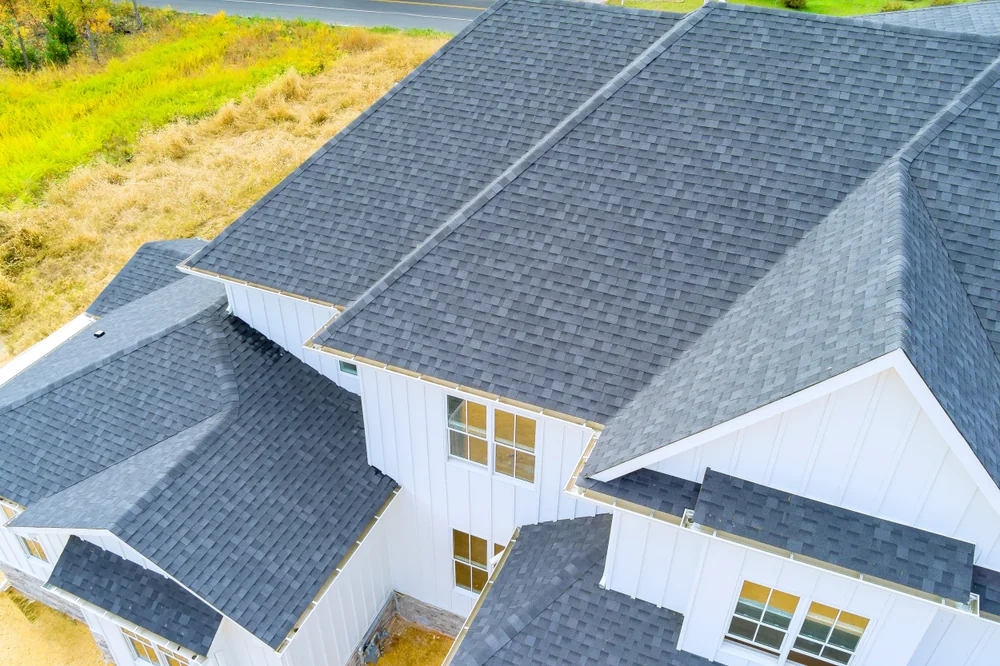
You stop worrying about water getting behind your walls. You stop watching your heating bill climb every winter because your home can’t hold temperature. You stop looking at your neighbor’s house wishing yours looked that clean.
Proper exterior home remodeling in Everett, MA means your siding does three things: protects your structure from Massachusetts weather, cuts your energy costs by up to 20%, and makes your home look like you care about it. Insulated vinyl siding increases your wall’s R-value from 0.61 to over 2.0, which translates to real money back in your pocket within seven to ten years.
And when you’re ready to sell? You’re looking at roughly 80% return on investment for siding replacement. Some markets hit 94%. That’s not marketing talk—that’s what buyers are willing to pay for a home that doesn’t need immediate work.
We’ve been serving Massachusetts homeowners for over a decade. We’re locally owned, and we’re an Owens Corning Preferred Contractor—which means we meet strict standards for quality and reliability that most companies don’t qualify for.
Everett homeowners deal with wind, snow, humidity, and temperature swings that test every inch of exterior material. We’ve handled all of it. We know what holds up and what fails in three years. We don’t cut corners to save a few hundred dollars, because we know you’ll pay for it later in repairs or energy waste.
Mr. Feliciano Gomez manages every project personally. You’re not getting handed off to a subcontractor who doesn’t know your name.
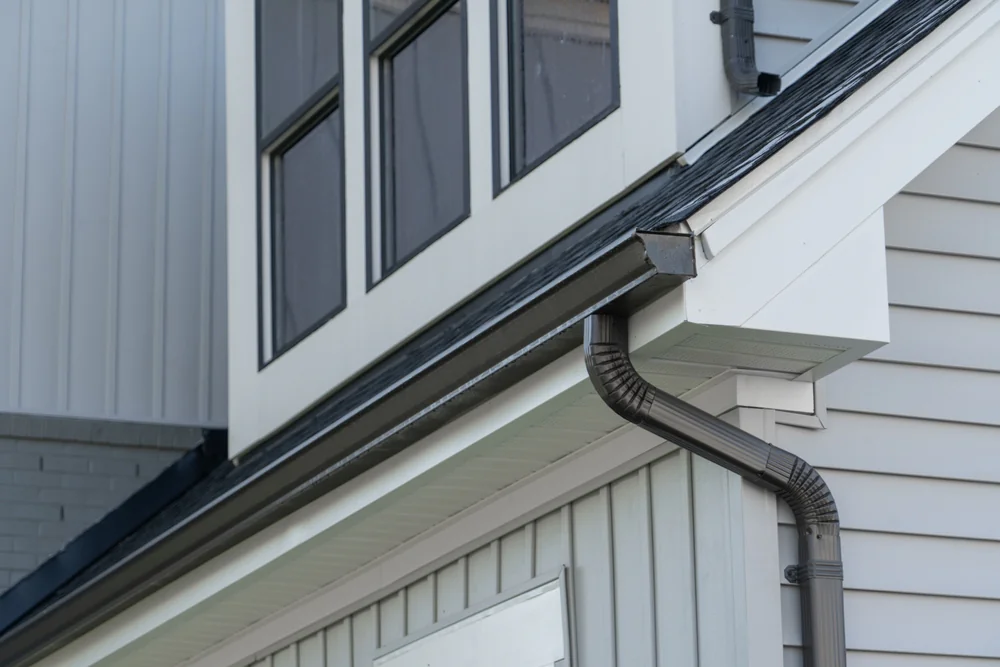
First, we come to your property and assess what you’re dealing with. We look at the current siding condition, measure everything, check for underlying issues like moisture damage or insulation gaps, and talk through what you actually need—not what costs the most.
Then we give you a thorough proposal with material options, timeline, and transparent pricing. No surprises. You’ll see the difference between standard vinyl and insulated options, and we’ll explain why one might make more sense for your home and budget.
Once you approve, we assign the right crew and set a clear schedule. We handle removal, prep, installation, and cleanup. You get progress updates, not radio silence. And when we’re done, your home is weather-sealed, energy-efficient, and ready to handle another decade of New England seasons without constant maintenance.
Ready to get started?
You’re getting full siding replacement or installation with premium materials like Premium Pointe® Siding and Mule Hide products. These aren’t builder-grade options—they’re designed for longevity, weather resistance, and actual performance in climates like ours.
We handle both residential and commercial properties in Everett, MA. Whether it’s a single-family home or a multi-unit building, the process is the same: remove old material, inspect and repair substrate issues, install proper insulation and moisture barriers, then install your new siding with attention to detail that prevents future problems.
Everett’s housing stock includes a lot of older homes where the existing siding is hiding structural issues. We don’t just cover problems—we fix them first. And with vinyl siding demand expected to hit 25.8 million squares by 2025, more homeowners are realizing this isn’t just cosmetic. It’s functional, it’s smart, and it pays you back.

Most residential siding projects in Everett range between $8,000 and $18,000 depending on your home’s size, material choice, and current condition. Vinyl is typically the most cost-effective, while fiber cement runs higher but offers different durability benefits.
If we find rot, mold, or structural damage during removal, that adds to the cost—but it’s not optional. Covering up problems just means you’ll pay more later when the damage spreads. We give you a full breakdown upfront so there’s no confusion about what you’re paying for.
Insulated siding costs more initially, but it cuts heating and cooling costs by up to 20%. For most Everett homeowners, that pays for itself within a decade. If you’re planning to stay in your home long-term, it’s worth considering.
Quality vinyl siding lasts 20 to 40 years in Massachusetts if it’s installed correctly. The key word is “correctly”—improper installation voids most warranties and leads to warping, moisture intrusion, and premature failure.
Massachusetts weather is tough. You’ve got freeze-thaw cycles, high humidity in summer, coastal wind if you’re near the water, and snow load in winter. Vinyl handles all of it as long as it’s installed with proper expansion gaps, secure fastening, and adequate underlayment.
Cheaper vinyl or rushed installation fails in under ten years. You’ll see buckling, fading, and cracks. That’s not a material problem—that’s a contractor problem. We use premium materials and follow manufacturer specs because we’re not interested in coming back to fix our own mistakes.
If the damage is isolated to a few panels and your siding is less than 15 years old, repair might make sense. But if you’re seeing widespread cracking, fading, warping, or if your energy bills have climbed noticeably, replacement is usually the better move.
Here’s why: patching old siding rarely matches the color due to sun fade, and you’re just delaying the inevitable. If moisture has gotten behind the siding, you’ve likely got insulation or sheathing damage that won’t be fixed by replacing a couple panels.
We’ll tell you honestly whether repair or replacement makes more sense for your situation. If repair works, we’ll do that. But we won’t sell you a patch job when you need a real solution.
Non-insulated vinyl is just the siding panel—it provides weather protection and looks good, but doesn’t add meaningful insulation value. Insulated vinyl has a foam backing that increases your wall’s R-value from around 0.61 to between 2.0 and 3.0.
That difference matters in Everett. You’ll notice it in winter when your furnace isn’t running constantly, and in summer when your AC isn’t fighting to keep up. Insulated siding also reduces outside noise by up to 30%, which makes a difference if you’re near Route 16 or in a dense neighborhood.
The upfront cost is higher—usually 20% to 30% more than standard vinyl. But the energy savings add up. Most homeowners break even within seven to ten years, and everything after that is money back in your pocket.
Check three things: how long they’ve been in business locally, whether they’re certified by manufacturers like Owens Corning, and what past customers say about their communication and follow-through.
A contractor who’s been operating in Massachusetts for over a decade has survived multiple economic cycles and earned repeat business. That doesn’t happen if you do sloppy work. Manufacturer certifications like Owens Corning Preferred Contractor status require meeting strict quality and service standards—most companies don’t qualify.
And read reviews carefully. Look for patterns. Do they show up on time? Do they communicate clearly? Do they handle problems professionally? One bad review isn’t a red flag. A pattern of poor communication or shortcuts is.
Yes, but only if you’re upgrading to insulated siding and your current exterior has gaps, poor insulation, or air leakage. If your walls are already well-insulated and sealed, new siding won’t make a dramatic difference.
Most older homes in Everett weren’t built with energy efficiency in mind. Adding insulated vinyl siding can reduce heating and cooling costs by 15% to 20% by creating a thermal barrier that holds conditioned air inside. That’s real savings—$200 to $400 per year for an average home.
The other factor is air sealing. During installation, we address gaps and penetrations that let air escape. That’s often where you lose the most energy, not through the siding itself. Proper installation makes all the difference.