Hear from Our Customers
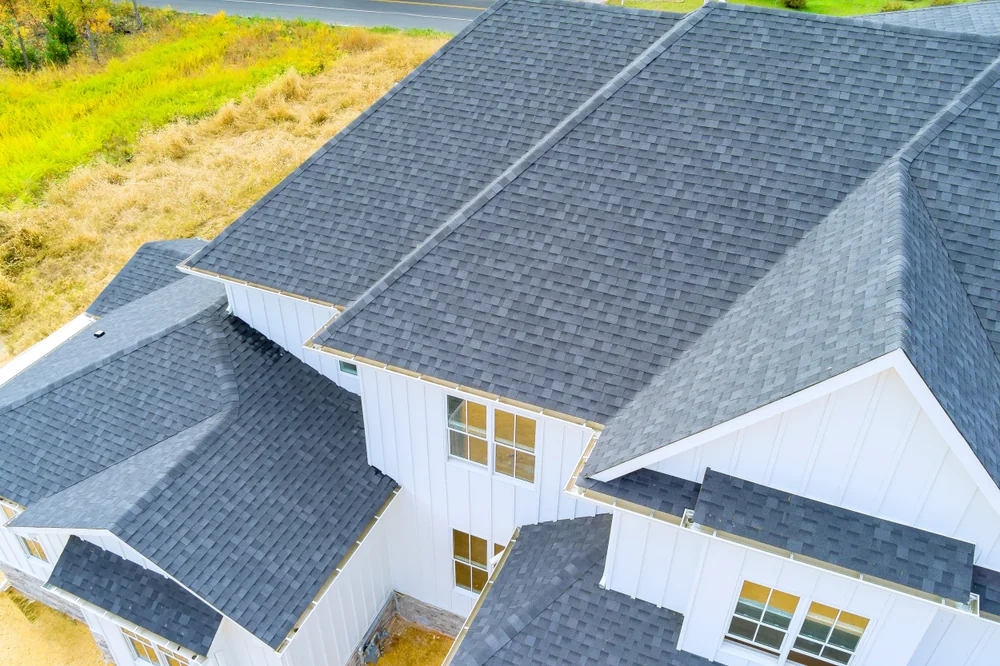
Your siding should protect your home from water damage, not cause it. When panels crack, moisture seeps behind your walls. That’s where the real damage starts—rot, mold, and insulation failure that drives up your heating bills all winter.
Danville homes face over 76 inches of snow annually, plus freeze-thaw cycles that split weak materials apart. You’re not looking for siding that looks good in July. You need something that holds up through February ice storms and March flooding.
Proper siding installation stops water before it reaches your sheathing. It keeps your energy bills predictable. And it means you’re not calling for repairs every spring because last year’s patch job failed again.
Paradise Remodeling Inc has handled exterior home remodeling in Danville, NH and surrounding areas for over 12 years. We’re an Owens Corning Preferred Contractor, which means we meet strict standards for installation quality and customer service—not just marketing talk.
We’ve seen what happens when siding gets installed wrong. Homeowners in Danville deal with ice dams, wind-driven rain, and humidity that most contractors don’t account for. We do, because we’ve been fixing those mistakes for years.
You’re not hiring a crew that disappears after the job. You’re working with a licensed, insured team that understands New Hampshire weather doesn’t give second chances.
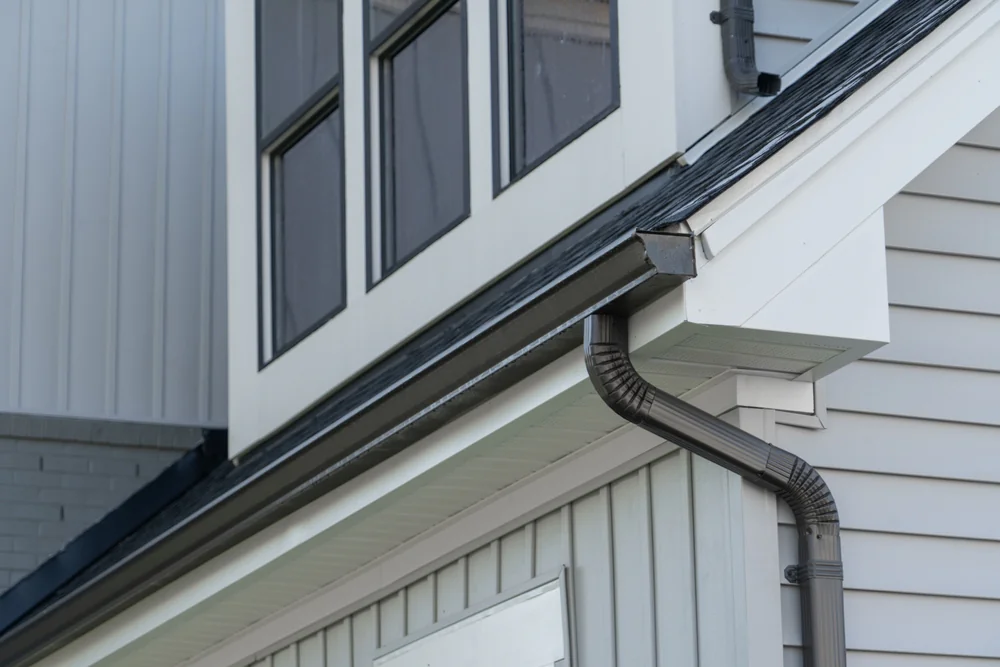
We start with a free estimate at your property. No pressure, no upselling—just an honest assessment of what your home needs. We’ll check for moisture damage, failed flashing, and structural issues that need addressing before new siding goes up.
Once you approve the plan, we order materials and schedule your installation. We protect your landscaping, remove old siding carefully, and inspect your sheathing for hidden damage. If we find rot or water intrusion, we fix it—because covering up problems just delays the inevitable.
Installation includes proper moisture barriers, correctly lapped panels, and sealed penetrations around windows and doors. We don’t rush. When we’re done, you get a walkthrough explaining what we did and how to maintain it. Then we clean up like we were never there.
Ready to get started?
We install vinyl, fiber cement, and engineered wood—materials proven to handle Danville’s weather extremes. Fiber cement siding delivers an 88% return on investment and resists fire, moisture, and pests. Vinyl offers lower maintenance with proper insulation backing that cuts heat transfer.
James Hardie fiber cement is FEMA-certified flood-resistant. That matters here, where 7 of 15 disaster declarations involved severe storms and flooding. Termites and woodpeckers ignore it completely, unlike wood alternatives that need constant monitoring.
Every installation includes moisture barriers, proper flashing around openings, and ventilation that prevents trapped humidity. Danville has 54% of homes built before modern energy codes—most need better thermal protection. Insulated vinyl siding reduces heat loss through walls, which directly lowers your heating costs during those long New Hampshire winters.
We also handle commercial siding contractor work for multi-unit properties and business exteriors. Same standards, same attention to water management and durability.

Properly installed vinyl siding lasts up to 40 years in New England climates, but that depends entirely on installation quality and material grade. Cheap vinyl becomes brittle in cold temperatures and cracks during freeze-thaw cycles. Premium vinyl with UV inhibitors and impact resistance holds up significantly better.
The bigger issue is installation. If your contractor doesn’t leave expansion gaps, panels will buckle when temperatures swing from -10°F in January to 90°F in July. If they nail too tight, the siding can’t move and will warp or crack. We see this constantly on homes where the previous crew rushed the job.
Maintenance extends lifespan. Clean your siding annually to prevent dirt buildup that accelerates surface degradation. Check caulking around windows and doors every few years. Keep gutters clear so water doesn’t overflow onto siding and cause premature wear.
Fiber cement and insulated vinyl both perform well here, but your choice depends on your priorities. Fiber cement costs more upfront but delivers better fire resistance, impact resistance, and resale value—88% ROI versus 80% for vinyl. It’s also FEMA-certified flood-resistant, which matters in areas prone to spring flooding and severe storms.
Vinyl costs less and requires minimal maintenance. Modern insulated vinyl includes foam backing that improves energy efficiency noticeably. It won’t rot, doesn’t need painting, and handles moisture well when installed correctly. The downside is lower impact resistance—hail and flying debris during storms can crack it.
Wood siding looks great but demands constant upkeep in New Hampshire’s humidity. You’re repainting or restaining every few years, and moisture intrusion leads to rot if you miss any maintenance windows. For most Danville homeowners, the maintenance burden outweighs the aesthetic appeal. We install it when requested, but we’re honest about what you’re signing up for.
Insurance typically covers sudden damage from storms, hail, wind, fire, or vandalism—not gradual wear or maintenance neglect. Wind and hail account for 40% of property damage claims, so if a storm rips off panels or hail cracks your siding, you’ll likely have coverage.
Water damage gets complicated. If a storm causes the initial breach and water infiltrates afterward, that’s usually covered. But if your siding failed due to age or poor maintenance and water got in over time, insurance will deny the claim. Document everything with photos immediately after storm damage occurs.
Call your insurance company before starting repairs for anything beyond emergency tarping. They’ll send an adjuster to assess damage and determine coverage. We can provide detailed estimates and work directly with adjusters—we’ve done this hundreds of times. Get the claim approved first, then schedule the work. Starting repairs before approval can jeopardize your coverage.
Moisture intrusion is the number one killer. Water gets behind siding through gaps in flashing, poorly sealed joints around windows, or damaged panels. Once moisture reaches your sheathing, it promotes rot and compromises insulation. Nearly 80% of buildings show water-related structural damage—most of it preventable with proper installation.
Ice dams cause significant problems in Danville. When heat escapes through your roof, it melts snow that refreezes at the eaves. Ice builds up and forces water under shingles and behind siding. Proper attic insulation and ventilation prevent this, but many older homes lack both.
Improper installation shortcuts lifespan dramatically. Contractors who skip moisture barriers, don’t flash penetrations correctly, or nail panels too tight create failure points. We regularly remove siding that’s only 10 years old because the original installer cut corners. Quality installation costs more upfront but saves you from replacing everything twice.
Costs vary based on material choice, home size, and existing damage that needs repair. Vinyl siding typically runs lower than fiber cement, but insulated vinyl with proper backing costs more than basic vinyl. Fiber cement costs more upfront but delivers better ROI and longer lifespan.
Project size matters. A 2,000 square foot home costs significantly less per square foot than a 1,200 square foot home because setup and mobilization costs spread across more area. Complex architecture with multiple corners, windows, and trim details increases labor time and material waste.
Hidden damage changes everything. If we remove old siding and find rotted sheathing, that needs replacement before new siding goes up. Water damage, termite damage, or structural issues add to the scope. We provide free estimates that include a thorough inspection, so you know what you’re actually paying for—not just the visible work.
Late spring through early fall offers the best installation conditions in New Hampshire. Materials perform better in moderate temperatures, and installers can work more efficiently without dealing with frozen ground, ice, or extreme cold. Caulking and sealants cure properly when temperatures stay above 40°F consistently.
That said, we install year-round when necessary. Storm damage doesn’t wait for good weather. If your siding fails in December, leaving it exposed through winter causes far more damage than installing in cold conditions. We take extra precautions with material storage and application techniques to ensure quality regardless of season.
Book early if you want summer installation. Demand peaks in spring when homeowners assess winter damage and want work completed before next winter. Scheduling in late summer or fall often means better availability and sometimes better pricing. Winter bookings get priority scheduling for spring installation.