Hear from Our Customers
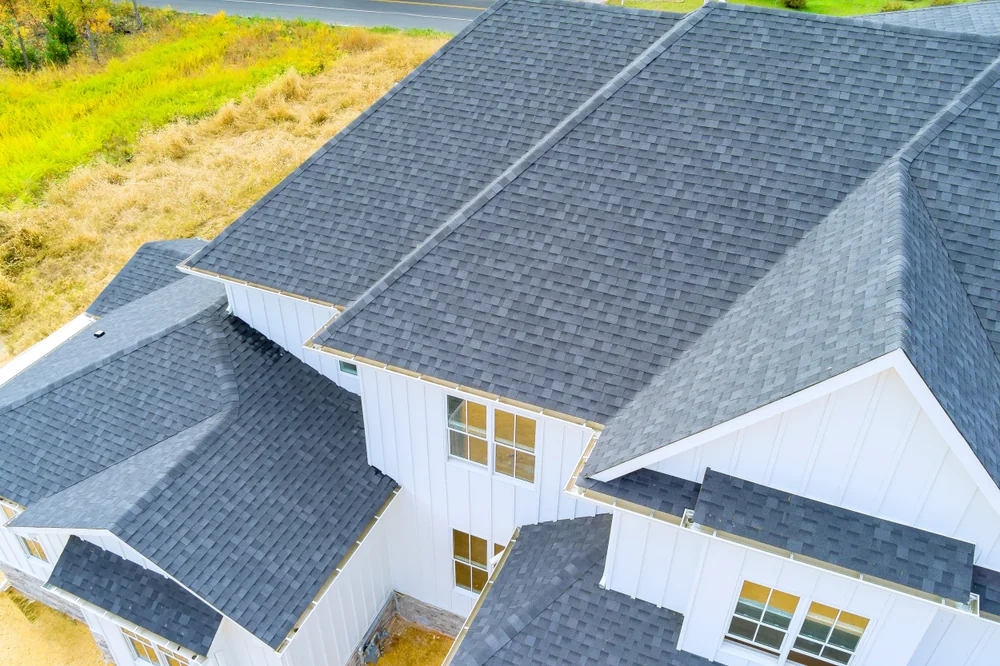
Your siding does more than look good. It’s your first defense against Cambridge’s brutal weather swings and the reason your heating bill either stays reasonable or climbs every winter.
Old or damaged siding lets drafts slip through. Your furnace works overtime. You’re paying for heat that’s escaping through cracks you can’t even see. Insulated siding with rigid foam backing stops that cycle and keeps indoor temperatures stable year-round.
Modern materials don’t need the constant attention wood demands. No annual painting. No sealing or staining. No pest inspections costing you $300 to $600 every year. You rinse it with a garden hose when it gets dirty, and that’s it. The rest of your time stays yours.
We’ve handled Cambridge homes for nearly two decades. We know what nor’easters do to exterior materials. We know how humidity affects fiber cement differently than vinyl. We know which products actually last here and which ones fail in three years.
Cambridge isn’t just any market. Homes here average $2.5 million for single-family properties, and condo prices sit around $1.1 million. You’re not looking for the cheapest option. You’re looking for the right one that protects your investment and delivers real ROI.
We’re locally owned, and we’re not trying to upsell you on materials your home doesn’t need. You get straight answers about what works for your specific property and budget.
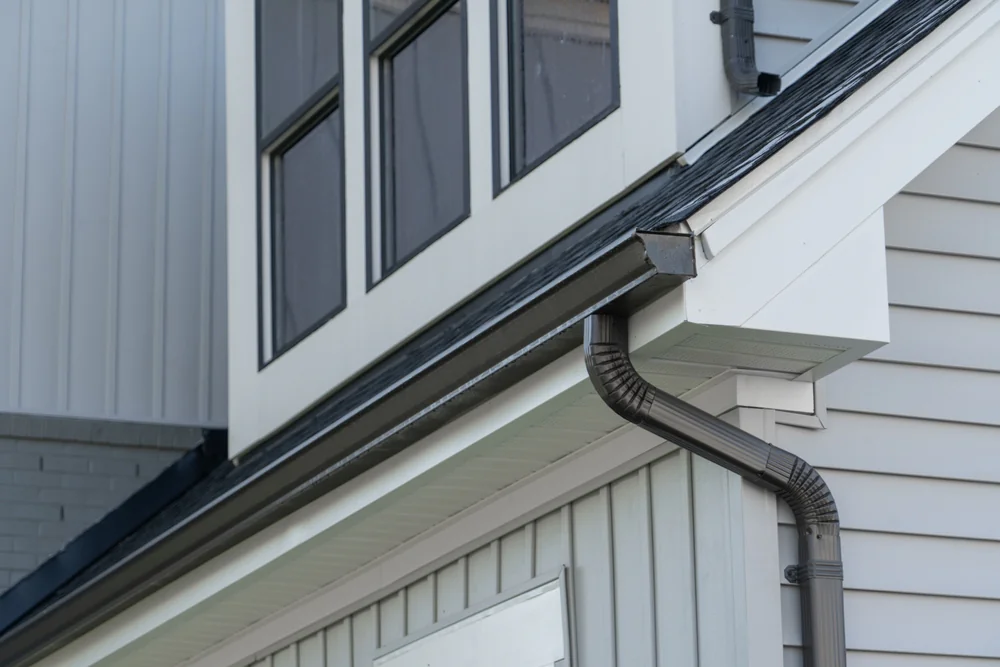
First, we come out and assess your current siding. We’re looking for damage, moisture intrusion, energy loss, and structural concerns. You get a free estimate that breaks down material options, timeline, and cost with zero pressure to commit.
Once you’re ready to move forward, we handle permits and prep work. Old siding comes off carefully to avoid damaging your home’s structure. We inspect the underlayment and make any necessary repairs before new material goes up.
Installation follows manufacturer specs exactly. Proper flashing, correct fastener placement, appropriate expansion gaps—all the details that determine whether your siding lasts five years or fifty. We clean up completely when we’re done. No debris left behind, no lingering mess in your yard.
You’re not waiting months for this. Most residential siding projects in Cambridge wrap up in one to two weeks, depending on home size and material choice.
Ready to get started?
We install vinyl, fiber cement, wood, and composite siding. Each material has specific advantages depending on your home’s architecture, your maintenance preferences, and your budget.
Vinyl siding delivers 116% ROI in Massachusetts—above the national average—and requires almost zero upkeep. Fiber cement gives you 86% ROI with superior durability and fire resistance. Manufactured stone veneer hits 153% ROI if you’re looking for maximum value and curb appeal. Wood options work beautifully on Cambridge’s historic homes when you want authentic character.
Cambridge has generous rebates for energy-efficient improvements right now. Insulated siding qualifies, and the savings on your heating and cooling costs start immediately. Massachusetts winters average 30 days of thunderstorm activity and regular nor’easters. Your siding needs to handle that without failing.
We also handle commercial properties. Multi-unit buildings, retail spaces, office complexes—anywhere exterior durability and weather resistance matter. The process is similar, but timelines and material choices adjust based on building codes and usage requirements.

Most single-family homes in Cambridge take one to two weeks for complete siding replacement. Larger properties or homes with complex architectural details might stretch to three weeks.
Weather affects the timeline. We don’t install in heavy rain or snow because moisture needs to stay out of your wall cavity during the process. If we hit a stretch of bad weather, we pause until conditions improve rather than risk your home’s structural integrity.
The size of your crew matters too. We typically run teams of three to four installers, which keeps the project moving efficiently without cutting corners. Faster isn’t always better when you’re talking about something that protects your home for the next 30 to 50 years.
Vinyl costs less upfront and needs almost zero maintenance. It won’t rot, and it doesn’t need painting. You’re looking at 20 to 30 years of life expectancy with quality vinyl products. It handles Cambridge winters well and delivers solid energy efficiency with insulated backing.
Fiber cement costs more initially but lasts longer—often 50 years or more. It’s more fire-resistant, holds paint better if you ever want to change colors, and stands up to impact damage better than vinyl. It’s heavier, which means installation takes longer and costs more.
Both deliver strong ROI. Vinyl hits 116% return in Massachusetts. Fiber cement comes in around 86%. The choice usually comes down to budget, how long you plan to stay in the home, and whether you value the look and durability of fiber cement enough to pay the premium.
Yes, if your current siding is old or damaged. Insulated siding adds an R-value of 2 to 4, which doesn’t sound like much but makes a measurable difference when you’re heating a home through a Massachusetts winter.
The bigger impact comes from eliminating air leaks. Old siding develops gaps where wind pushes through. Your heating system compensates by running longer cycles. New siding with proper installation seals those gaps and reduces the workload on your furnace.
Cambridge’s climate has shifted toward heavier rainfall and greater temperature swings. Homes lose and gain energy faster than they used to. Quality siding with a tight building envelope keeps indoor temperatures stable, which directly translates to lower monthly utility costs. Most homeowners see the difference within the first heating season.
It depends on your specific location and whether your home sits in a designated historic district. Cambridge has strict guidelines in some neighborhoods, and you’ll need approval from the Historical Commission before making exterior changes.
We work with these requirements regularly. Fiber cement and wood siding offer the most flexibility for matching historic aesthetics. You can get profiles and finishes that replicate original clapboard or shingle styles while using modern materials that perform better and last longer.
Even outside historic districts, most Cambridge homeowners want siding that complements the neighborhood character. We help you choose materials and colors that fit your home’s architecture without looking out of place on the street. The goal is improving your property while respecting what makes Cambridge visually distinct.
Vinyl siding typically runs $8,000 to $15,000 for an average-sized home. Fiber cement costs more—usually $15,000 to $25,000. Wood siding and specialty materials can push higher depending on the product and complexity of installation.
Cambridge’s property values justify investing in quality materials. You’re protecting a significant asset, and cheap siding fails faster, which means you’re paying for replacement sooner than you should. The ROI data backs this up: manufactured stone veneer delivers 153% return, vinyl gives you 116%, and fiber cement returns 86%.
We provide free estimates that break down material costs, labor, and timeline. No surprises, no pressure. You’ll know exactly what you’re paying for and why before any work starts. Most homeowners find that the energy savings and increased property value make the investment worthwhile within a few years.
We find out during the removal process and fix it before new siding goes up. Moisture damage is common in older Cambridge homes, especially where siding wasn’t installed correctly or where ice dams caused water infiltration.
If we discover rot in the sheathing or framing, we replace those sections. Ignoring it and covering it with new siding just hides the problem until it gets worse. You need a solid, dry substrate for new siding to perform correctly and last its full lifespan.
This is why experience matters. We know what to look for, how to assess the extent of damage, and how to repair it properly. The goal is fixing your home right, not just making it look good from the street while structural problems continue underneath.