
Hear from Our Customers
Your windows take a beating in Northwood. Freeze-thaw cycles crack seals. Snow piles up against frames. Salt from winter roads accelerates wear on exterior surfaces.
When seals fail, you’re not just dealing with drafts. You’re losing up to 30% of your heating costs through gaps you can’t even see. That’s real money leaving your house every month.
Window maintenance in Northwood, NH isn’t about making things look nice. It’s about catching small problems before they turn into $500-per-window frame replacements. Our professional window tune-up finds the issues that homeowners miss—failing weatherstripping, hardware that’s starting to bind, early signs of moisture damage in wood frames.
Regular seasonal window care extends the life of your windows by years. You get better energy performance, smoother operation, and fewer emergency repairs when the temperature drops to single digits.
Paradise Remodeling Inc has spent seven years working on homes across Northwood and the surrounding area. We’re an Owens Corning Preferred Contractor, which means we meet strict standards for quality and reliability.
Our BuildZoom score puts us in the top 8% of Massachusetts licensed contractors. That’s not marketing talk—it’s a verified ranking based on licensing, insurance, and customer outcomes.
We focus on quality work, not cutting corners to hit a price point. When we inspect your windows in Northwood, NH, we’re looking at the same things we’d check on our own homes—seal integrity, frame condition, hardware function, and weatherstripping performance. You get a straight assessment and clear recommendations, not a sales pitch.
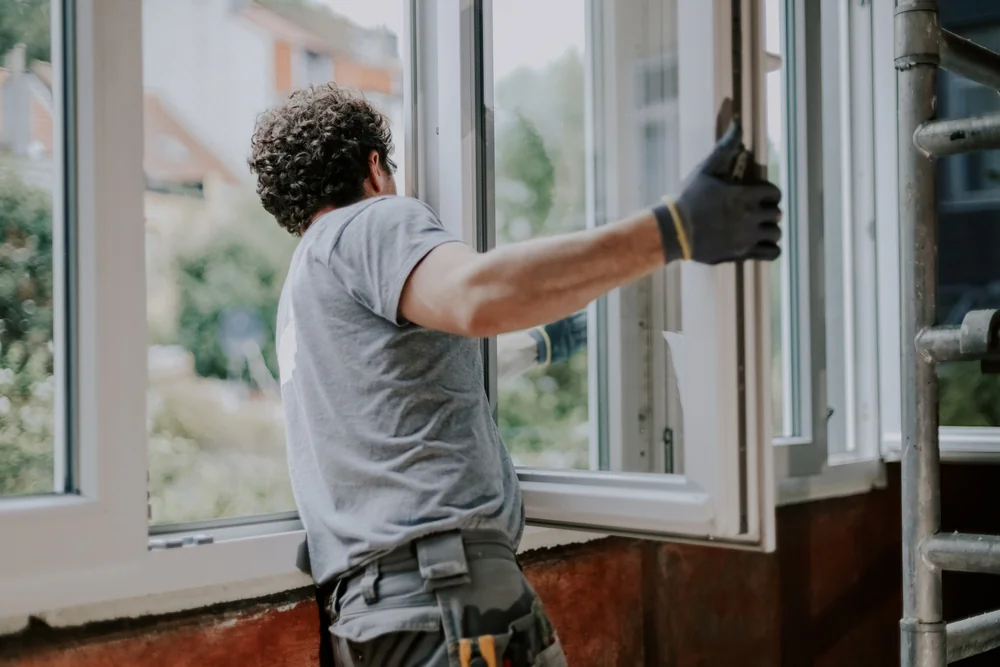
We start with a complete window frame inspection in Northwood, NH. That means checking every window for damage you might not notice—small cracks that let moisture in, weatherstripping that’s compressed and no longer sealing, hardware that’s binding or loose.
Next comes the actual maintenance work. We clean tracks and frames where dirt and debris cause binding. We lubricate all moving parts—hinges, locks, operators—so everything works smoothly. We check and replace weatherstripping where needed, and we seal any gaps that are letting air through.
For wood frames, we look for early signs of rot using techniques that catch problems before they’re visible. Soft spots in wood mean moisture has already gotten in, and that needs immediate attention before the damage spreads.
The whole process takes a few hours depending on how many windows you have. You’ll know exactly what condition your windows are in, what we fixed, and what to watch for going forward. No surprises, no upselling—just clear information about your home.
Ready to get started?
Our window weatherization services in Northwood, NH cover everything that affects how your windows perform. We inspect all seals and weatherstripping for gaps or compression damage. We check frame condition, looking specifically for moisture intrusion and early rot in wood components.
Hardware lubrication is part of every service—locks, hinges, operators, and any moving parts that keep your windows functioning properly. We clean all tracks and sills where buildup causes sticking and wear.
Spring is the most important time for this work in Northwood. By the time winter ends, damage is already developing under the surface. Snow melt, freeze-thaw cycles, and temperature swings all create conditions where small problems get worse fast. Getting ahead of that in early spring prevents the kind of deterioration that leads to full window replacement.
We also handle minor repairs during maintenance visits—tightening loose hardware, replacing worn weatherstripping, sealing small gaps with appropriate caulk. If we find major issues like significant frame rot or failed seals in insulated glass, we’ll give you clear options for repair or replacement.
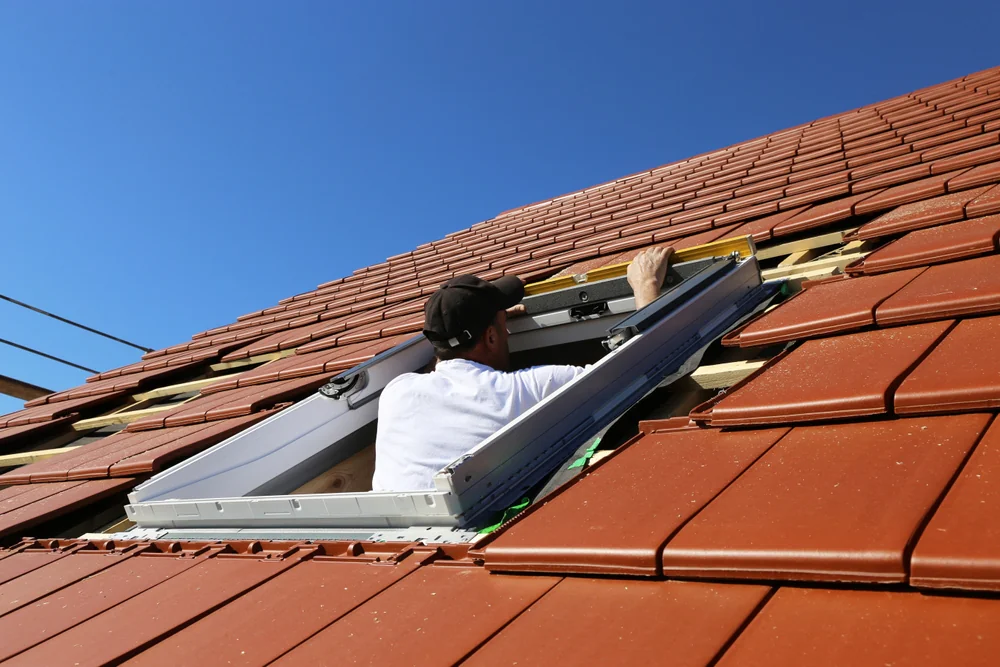
Once a year is the standard recommendation, ideally in early to mid-spring. That timing matters in Northwood because winter does the most damage to windows, and spring gives you the first stable conditions to assess and fix problems.
By spring, the effects of freeze-thaw cycles, snow accumulation, and temperature extremes are already showing up. Catching them early—before summer heat and next winter’s cold make them worse—saves you money and extends your windows’ lifespan.
If your windows are older or you’ve noticed performance issues like drafts, condensation, or difficulty opening and closing, twice-yearly maintenance makes sense. Fall service prepares your windows for winter stress, and spring service addresses any damage that occurred.
Drafts are the obvious one. If you feel cold air near your windows even when they’re closed, your weatherstripping or seals have failed.
Condensation between glass panes means the seal has broken and the insulating gas has escaped. That’s not something maintenance fixes—you need glass replacement—but it’s a clear sign something’s wrong.
Difficulty opening, closing, or locking windows points to hardware problems or frame issues. Sometimes it’s just dirt and lack of lubrication. Other times it means the frame has shifted or swollen from moisture damage.
Visible damage like peeling paint, soft spots in wood frames, or gaps between the frame and wall all need attention. Water stains on the wall below windows indicate leaks that are already causing damage. The earlier you address these signs, the less expensive the fix.
Yes, but the savings depend on what condition your windows are in now. If your weatherstripping is compressed or torn, you’re losing conditioned air every day. Fixing that can reduce energy loss by 10% or more.
Failed seals in double-pane windows are even worse. When the insulating gas escapes, your windows lose most of their thermal performance. Cold transfers right through the glass, making your heating system work harder.
In Northwood’s climate, where winter temperatures regularly drop below freezing, these losses add up fast. A home with poorly maintained windows can lose 30% of its heating energy. That’s not a small number when you’re paying to heat 2,000+ square feet through a New England winter.
Maintenance won’t turn old single-pane windows into high-efficiency units, but it maximizes whatever performance your current windows are capable of. For most homes, that means noticeable comfort improvements and lower monthly bills.
We’ll show you exactly what we found and explain what it means. Minor issues—worn weatherstripping, loose hardware, small gaps—we typically handle during the same visit as part of the maintenance service.
More significant problems like frame rot, broken seals in insulated glass, or structural damage require different solutions. We’ll give you clear options with realistic cost estimates. Sometimes a repair makes sense. Other times, especially with extensive rot or failed sealed units, replacement is the smarter investment.
We’re not going to push you toward the most expensive option. If your window frames are solid and the glass is intact, maintenance and minor repairs will keep them working for years. If the damage is serious enough that repairs are just delaying the inevitable, we’ll tell you that too.
You’ll get photos of any damage we find, written documentation of the window’s condition, and straightforward recommendations. Then you decide what makes sense for your home and budget.
We work on all standard residential window types—double-hung, casement, slider, awning, and fixed windows. Wood, vinyl, aluminum, and composite frames all get the same thorough inspection and maintenance.
Each window type has specific maintenance needs. Casement windows need special attention to the crank mechanism and hinges. Double-hung windows require careful weatherstripping inspection where the sashes meet. Sliders need clean tracks and properly adjusted rollers.
Older wood windows often need more frequent maintenance than vinyl, but they can last decades longer when properly cared for. We adjust our approach based on what you have—the goal is always maximizing performance and lifespan for your specific windows.
If you have specialty windows like historic restorations or custom architectural units, we’ll assess those individually. Some require techniques or materials beyond standard maintenance, and we’ll let you know upfront if that’s the case.
Winter in Northwood creates the conditions that damage windows—repeated freezing and thawing, snow and ice accumulation, extreme temperature swings. By spring, that damage exists even if you can’t see it yet.
Water gets into small cracks and gaps, then expands when it freezes. That cycle repeats dozens of times each winter, making cracks bigger and letting more moisture in. Frame damage doesn’t heal—it only gets worse—and delaying maintenance gives that deterioration months to spread.
Spring also gives you stable weather for repairs. You can’t properly seal gaps or replace weatherstripping when it’s below freezing. You need moderate temperatures for caulks and sealants to cure correctly.
Most importantly, spring maintenance prevents damage from compounding. Issues we fix in April won’t get worse over summer and fall. Your windows go into next winter in good condition, ready to handle whatever weather comes. Wait until fall or winter, and you’re trying to fix problems that have been getting worse for months.