Hear from Our Customers
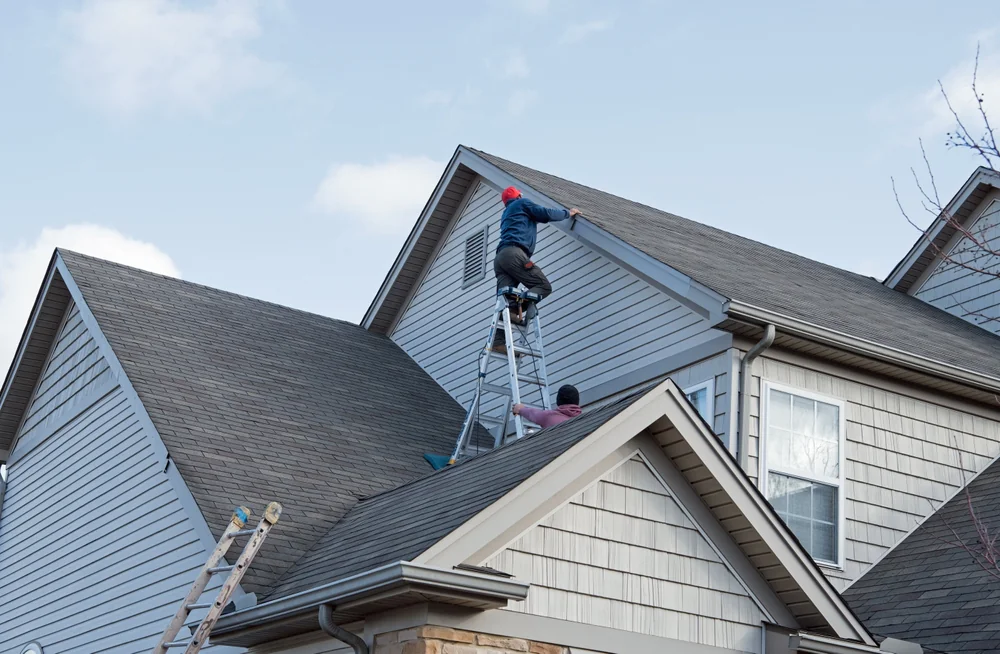
You’re not looking for the cheapest fix. You want someone who shows up when they say they will, diagnoses the actual problem, and repairs it so you’re not calling someone else in six months.
That’s what happens when you work with a roofing contractor who’s been doing this in Massachusetts for 18 years. We’ve seen what ice dams do to Lexington homes every winter. We know how nor’easters rip shingles off and where leaks hide until they’ve already damaged your ceiling.
When your roof gets repaired correctly, you stop worrying every time it rains. Your energy bills don’t spike because heat isn’t escaping through damaged areas. And if you ever sell, you’re not scrambling to fix deferred maintenance that buyers will absolutely notice during inspection.
We hold a Massachusetts Home Improvement Contractor license and Owens Corning Preferred Contractor status. That second one matters because Owens Corning doesn’t hand out certifications to just anyone—you have to meet strict standards for workmanship and customer service.
We’ve been serving Lexington and surrounding communities since 2006, which means we’ve repaired roofs through some of the worst winters Massachusetts has thrown at us. We know how quickly ice dams form on homes in your area and what happens when melting snow refreezes at the edge of your roofline.
You’ll work with the same crew from estimate to completion. We’re insured, we show up on time, and we’re still here when you need us after the job’s done.

First, we come out and actually look at your roof. Not just the obvious damage—we check flashing, inspect shingles around vents and chimneys, and look for spots where water might be getting in even if you haven’t seen a leak yet.
Then we give you a clear estimate. If it’s storm damage, we’ll document everything you need for your insurance claim. If it’s wear and tear, we’ll tell you whether a repair makes sense or if you’re throwing money at a roof that needs replacement.
Once you approve the work, we schedule it fast—especially if there’s active leaking. We use quality materials like Mule Hide roofing products, not whatever’s cheapest that week. The repair gets done right, your property gets cleaned up, and you get documentation of the work for your records.
If something doesn’t look right to you after we’re done, you call us. We come back. That’s how it should work.
Ready to get started?
You get a full inspection, not just a patch job on the obvious problem. Roof leaks are sneaky—the water you see on your ceiling might be coming from a completely different spot on your roof.
We handle everything from missing shingles and damaged flashing to ice dam removal and emergency storm repairs. Lexington homes deal with specific challenges—your roof takes a beating from freeze-thaw cycles all winter, and one bad nor’easter can cause damage that won’t show up until the next heavy rain.
Every repair includes proper sealing and weatherproofing. We’re not just covering the hole—we’re making sure water can’t get in anywhere near that area. You also get help with insurance documentation if the damage is covered, because dealing with claims is frustrating enough without having to guess what your adjuster needs.
The average roof repair in Massachusetts runs between $400 and $3,500 depending on the damage. That’s a lot less than the $10,000+ you’ll spend if a small leak turns into rotted decking and interior water damage.

If you have an active leak, we prioritize getting someone out the same day or next day depending on when you call. Emergency roof repairs exist for a reason—every hour water is coming into your home, it’s causing more damage to insulation, drywall, and potentially your home’s structure.
We’ll do a temporary fix first if needed to stop the immediate water intrusion. Then we’ll schedule the permanent repair as soon as possible, usually within a few days. Weather plays a role here—we can’t safely work on your roof during heavy rain or ice, but we can tarp or seal problem areas until conditions improve.
For non-emergency repairs where you’ve noticed damage but aren’t seeing active leaking yet, we typically schedule within the same week. Don’t wait on these. A missing shingle might not leak today, but it will the next time you get a heavy rain with wind driving water sideways.
It depends on what caused the damage. Insurance typically covers sudden events like storm damage, fallen trees, or hail. They usually won’t cover gradual wear and tear or damage from lack of maintenance.
Here’s what actually matters: documentation. If a storm damaged your roof, you need photos, a professional assessment, and a detailed estimate. We provide all of that. We’ve worked with insurance adjusters for years and know exactly what they’re looking for.
Your deductible is usually between $500 and $2,500 in Massachusetts. If your repair costs less than your deductible, filing a claim doesn’t make sense. If it’s significantly more—like after major storm damage—your insurance should cover the difference. We’ll give you a clear number so you can make that decision. Just know that insurance companies will look for any reason to deny claims, so getting a licensed contractor’s documentation from day one protects you.
If the damage is localized to one area—a few missing shingles, damaged flashing around a chimney, or one section affected by a fallen branch—repair makes sense. If you’re looking at widespread shingle deterioration, multiple leaks, or a roof that’s over 20 years old, replacement is probably the smarter investment.
Here’s the honest answer: we’ll tell you which one makes financial sense. If your roof is 18 years old and you’re spending $2,000 on repairs, you might only get two or three more years out of it before you need replacement anyway. That’s $2,000 you could have put toward a new roof.
But if your roof is only 10 years old and you had storm damage in one area, a proper repair can give you another decade of life. We’re not here to sell you a new roof if you don’t need one. The average roof replacement in Lexington costs around $13,000—that’s not a decision to make lightly, and it’s not one we’ll push you toward unless it’s actually the right move.
Ice dams form when heat escaping from your attic melts snow on your roof. That water runs down to the colder edge of your roof and refreezes, creating a dam. More melting snow backs up behind it, and eventually that water works its way under your shingles and into your home.
This is a huge problem in Lexington. The freeze-thaw cycles you get all winter create perfect conditions for ice dams, and they can cause thousands in damage. We see it every year—homeowners who ignored a small ice dam problem in January are calling us in March with water-damaged ceilings.
When we repair ice dam damage, we don’t just fix the shingles. We look at your attic ventilation and insulation. If heat is escaping because your attic isn’t properly insulated or ventilated, you’ll get ice dams again next winter. Sometimes the fix is adding ventilation baffles or improving attic insulation. We’ll tell you if that’s needed. The repair itself might cost $2,000, but preventing the next ice dam from forming is what actually saves you money long-term.
Most roof repairs in Lexington take anywhere from a few hours to a full day, depending on what we’re fixing. Replacing a section of damaged shingles might take half a day. Repairing flashing around a chimney or fixing multiple leak points could take a full day or slightly more.
Weather affects the timeline. We need dry conditions to properly seal and install materials. If rain is forecasted, we’ll either reschedule or get the critical work done and come back to finish when it’s dry. Rushing a roof repair in bad weather just means you’ll be calling someone else to fix it again in six months.
The bigger factor is usually scheduling. During peak seasons—right after major storms or in late fall when everyone’s trying to winterize—we might be booked out a week or two for non-emergency work. If you’re dealing with active leaking, we bump you up. If you just noticed some damaged shingles and want them fixed before they become a problem, a little wait time is normal. Either way, we’ll give you a realistic timeline upfront, not tell you what you want to hear and then push the date back three times.
Yes. The materials we use come with manufacturer warranties—Mule Hide and Owens Corning products have solid warranty coverage. But what matters more is our workmanship warranty, because most roof problems come from poor installation, not defective materials.
We warranty our labor because we’re still going to be here next year and the year after that. We’ve been serving this area since 2006. If something goes wrong with a repair we did, you’re not hunting down a contractor who’s disappeared or changed business names.
Here’s what that actually means for you: if a repair fails because of how we installed it, we come back and fix it at no charge. If it fails because a tree fell on your roof or another storm caused new damage, that’s a separate issue—but we’ll work with you on it. The specific warranty terms depend on the scope of work, and we’ll spell it out clearly in your estimate. No fine print surprises.