Hear from Our Customers
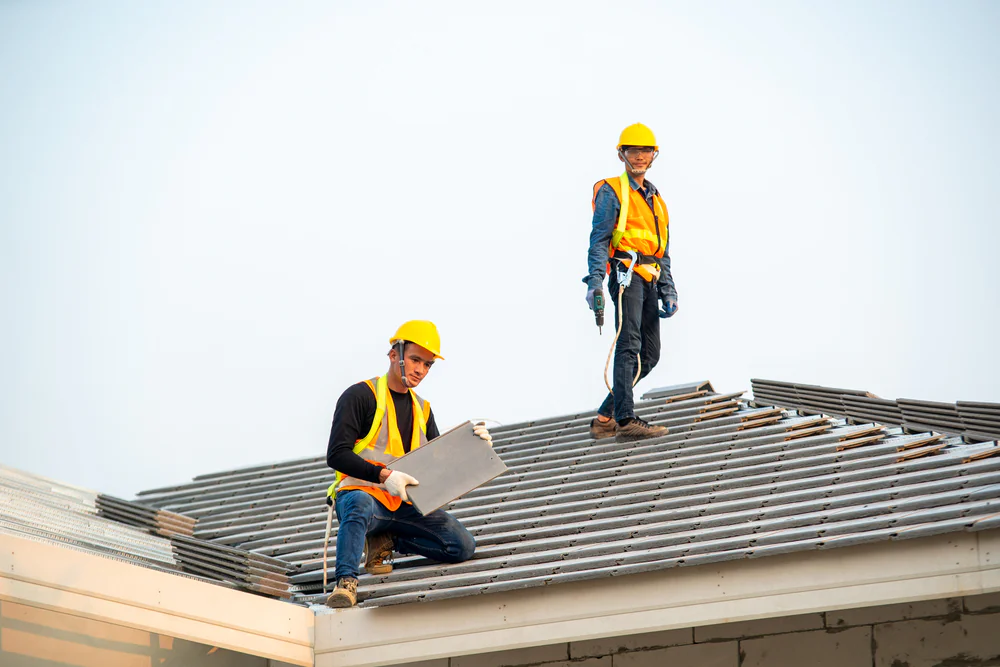
You stop worrying every time the forecast calls for snow. Ice dams don’t form because your attic ventilation is dialed in. Water stays outside where it belongs.
Your insurance company doesn’t fight you on claims because the documentation is thorough and professional. The shingles match your home’s character instead of looking like a patch job.
When the next Nor’easter rolls through, you’re not scrambling for tarps or buckets. Your roof does its job quietly. That’s what proper roofing services in Lexington, MA should deliver—and it’s exactly what most homeowners don’t get until they work with someone who knows what they’re doing.
We’ve worked on Lexington roofs for over two decades. We know the Victorian homes on Massachusetts Avenue. We know how quickly temperature swings crack sealants and how ice dams form on north-facing slopes.
Most of our work comes from referrals because homeowners here talk. They know who shows up on time, who cleans up properly, and who’s still around when a warranty matters.
We’re not the cheapest option in town. But if you want a roofing contractor in Lexington, MA who understands historic architecture and won’t cut corners on flashing details, we’re worth the call.
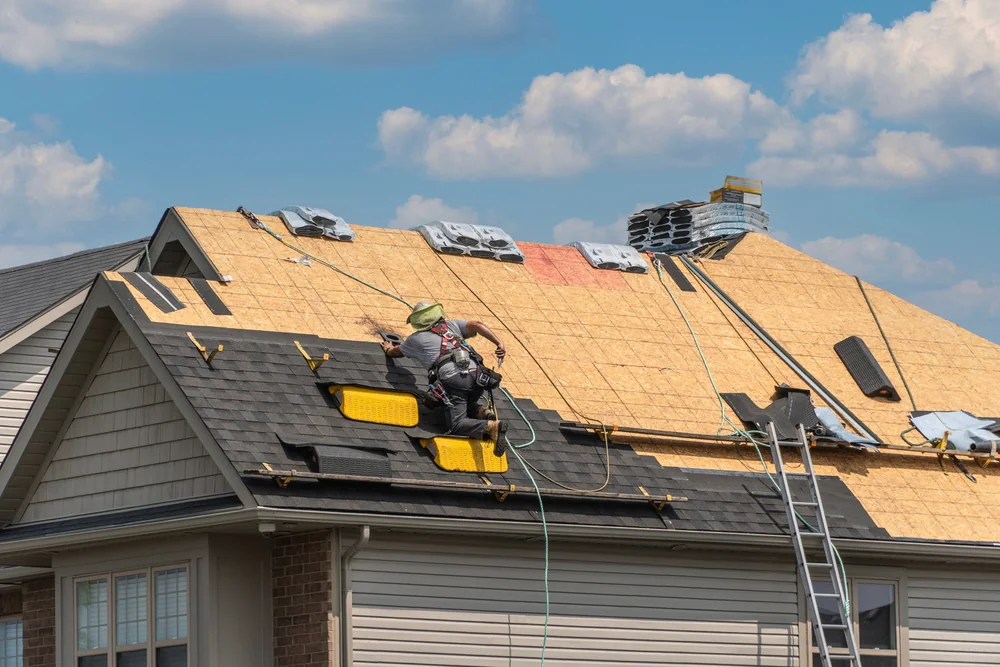
We start with a real inspection—not a sales pitch from your driveway. Someone gets on your roof with a camera and documents what’s actually happening up there. You get photos, measurements, and a written report you can use for insurance if needed.
If you move forward, we pull permits and handle the paperwork. We protect your landscaping and anything near the work zone. The old materials come off carefully, especially if you’ve got slate or architectural details worth preserving.
New underlayment goes down. Flashing gets replaced or properly integrated—not just caulked over. Shingles go on according to manufacturer specs, not shortcuts. We inspect the ventilation system because most roof failures start with moisture problems, not bad shingles.
Cleanup happens daily, and a final walkthrough happens with you before we call it done. You get warranty documentation and maintenance guidance in writing. The whole process typically takes three to five days depending on size and weather.
Ready to get started?
A roof replacement in Lexington, MA means dealing with specific challenges. Your home probably has architectural features that need matching. The temperature swings here—sometimes 30 degrees in a few hours—put stress on materials that installers in milder climates never consider.
We use Certainteed shingles rated for New England freeze-thaw cycles. The underlayment is ice and water shield in vulnerable areas, not just the bare minimum at the eaves. Ventilation gets calculated based on your attic square footage, and we add ridge vents or intake vents if your system is undersized.
Flashing around chimneys, skylights, and valleys gets fabricated to fit your specific roof geometry. We don’t use generic step flashing and hope it works. For historic homes, we source materials that match your existing aesthetic—whether that’s slate, cedar shake profiles, or specific color blends that complement your trim.
The permit process in Lexington requires documentation and inspections. We handle that. Most roofs here last 20 to 25 years if installed correctly, but that timeline drops fast if the ventilation is wrong or the flashing fails. You’re not just buying shingles—you’re buying a system that works together.

If your roof is under 15 years old and you’re seeing isolated damage—a few missing shingles after a storm, a small leak in one area—repair usually makes sense. You’re patching a problem before it spreads.
But if your roof is pushing 20 years, or if you’re seeing widespread issues like curling shingles, granule loss across multiple sections, or daylight coming through the attic, replacement is the smarter move. Repairs at that point are just buying time, and not much of it.
Here’s the test most people miss: check your attic after a heavy rain. If you see water stains, mold, or wet insulation in multiple spots, your roof isn’t doing its job anymore. One leak might be repairable. Three leaks on a 20-year-old roof means the whole system is failing. We’ll give you an honest assessment either way—we’re not in the business of selling you a new roof if a repair will actually hold.
Start with licensing and insurance. Massachusetts requires contractors to be licensed and insured, but plenty of people skip it. Ask for proof. If they hesitate, walk away.
Next, ask about manufacturer certifications. A GAF Master Elite or CertainTeed Select ShingleMaster certification means the roofer has been vetted and trained. It also means you get better warranty coverage—sometimes 50 years on materials instead of 30.
Look at how they handle the estimate. If someone quotes you from the driveway without getting on the roof, they’re guessing. You want written documentation with photos showing what’s wrong and what needs fixing. Ask about ventilation and flashing details. If they don’t mention those, they’re probably not thinking about long-term performance.
Finally, check how long they’ve been working locally. Storm chasers flood the area after big weather events, do cheap work, and disappear. You want someone who’s been here long enough that their reputation matters. References from neighbors are worth more than any sales pitch.
Most residential roof replacements here take three to five days. Day one is tear-off and prep. Days two and three are installation—underlayment, flashing, and shingles. Day four is detail work and cleanup. Day five is final inspection and walkthrough.
Weather changes that timeline fast. We don’t install shingles in freezing temperatures or during rain. If a storm rolls in mid-project, we’ll tarp everything and wait it out. Rushing a roof installation to beat weather is how you end up with leaks a year later.
Larger homes or complex rooflines add time. If you’ve got multiple valleys, dormers, or a slate roof that requires custom work, expect closer to a week. Permit inspections can also add a day if the town inspector’s schedule is backed up. We’ll give you a realistic timeline upfront and keep you updated if anything changes. The goal is doing it right, not doing it fast.
It depends on what caused the damage and how old your roof is. Wind and hail damage are typically covered if the roof was in good condition before the storm. Insurance companies will pay to repair or replace storm damage—that’s what you’re paying premiums for.
But here’s where it gets tricky: they won’t cover damage from wear and tear, age, or poor maintenance. If your roof is 25 years old and shingles blew off, they might argue it failed due to age, not wind. That’s why documentation matters. Professional inspection photos showing the roof was sound before the storm strengthen your claim significantly.
We help with the claims process regularly. We’ll document the damage, provide a detailed estimate, and work with your adjuster. Most insurance payouts for roof damage in Massachusetts range from $5,000 to $10,000 depending on the extent. If the adjuster lowballs the estimate or misses hidden damage, we’ll walk the roof with them and point out what they missed. You’re not fighting the insurance company alone.
Ice dams form when heat from your attic melts snow on the roof. The water runs down to the cold eaves, refreezes, and creates a dam. Water backs up under the shingles and leaks into your home. It’s one of the most common problems we see here.
The fix isn’t just adding heat cables—it’s controlling attic temperature. You need proper insulation on the attic floor to keep heat inside your home, not leaking into the attic space. You also need ventilation—intake vents at the soffits and exhaust vents at the ridge—to keep the attic cold and prevent snow melt.
Sealing air leaks matters too. Recessed lights, attic hatches, and plumbing penetrations all let warm air into the attic. We check for those during inspections because even great insulation won’t help if warm air is bypassing it. Ice and water shield underlayment at the eaves gives you a backup layer of protection, but it’s not a substitute for fixing the root cause. If you’re getting ice dams every winter, your attic system needs work.
It depends on what your home originally had and what you’re trying to preserve. Many Victorian and Colonial homes here were built with slate or wood shake roofs. Slate lasts 75 to 100 years but requires specialized installation and repair. If your slate is still in good shape, keeping it makes sense both aesthetically and financially.
Wood shake has a beautiful look but requires more maintenance and doesn’t meet modern fire codes in some areas. Most homeowners replace wood shake with architectural shingles that mimic the look—thicker profiles, varied colors, shadow lines that replicate the texture. CertainTeed’s Landmark or GAF’s Timberline HDZ both offer profiles that work well on historic homes without the maintenance headaches.
Color matters too. Lexington has strict guidelines in some historic districts about maintaining the character of the neighborhood. We’ll help you pick shingles that match your home’s style and meet any local requirements. The goal is a roof that protects your home and fits the architecture—not something that looks like it belongs on a suburban ranch. If you’re unsure what works, we can show you examples from other projects in town.