
Hear from Our Customers
You’re not just buying gutters. You’re buying fewer emergency calls when ice builds up in February. Fewer foundation cracks from water pooling against your basement walls. Fewer weekends on a ladder trying to fix sagging sections before the next storm.
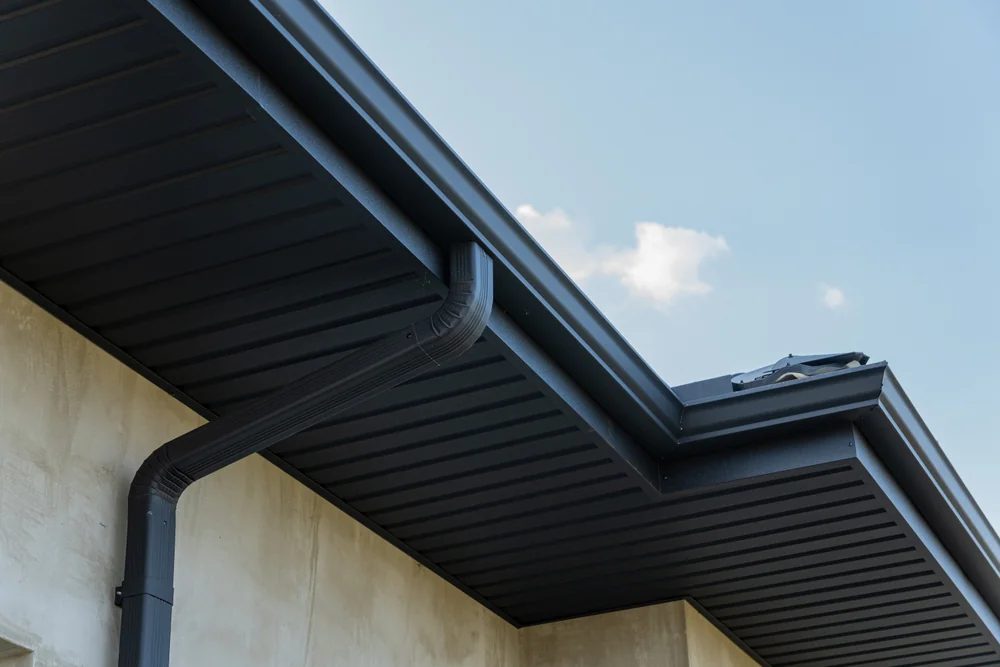
Seamless gutter installation means fewer joints, which means fewer leak points. That matters in Portsmouth, where freeze-thaw cycles hit hard from November through April. Water gets in, freezes, expands, and tears apart anything that’s not built right.
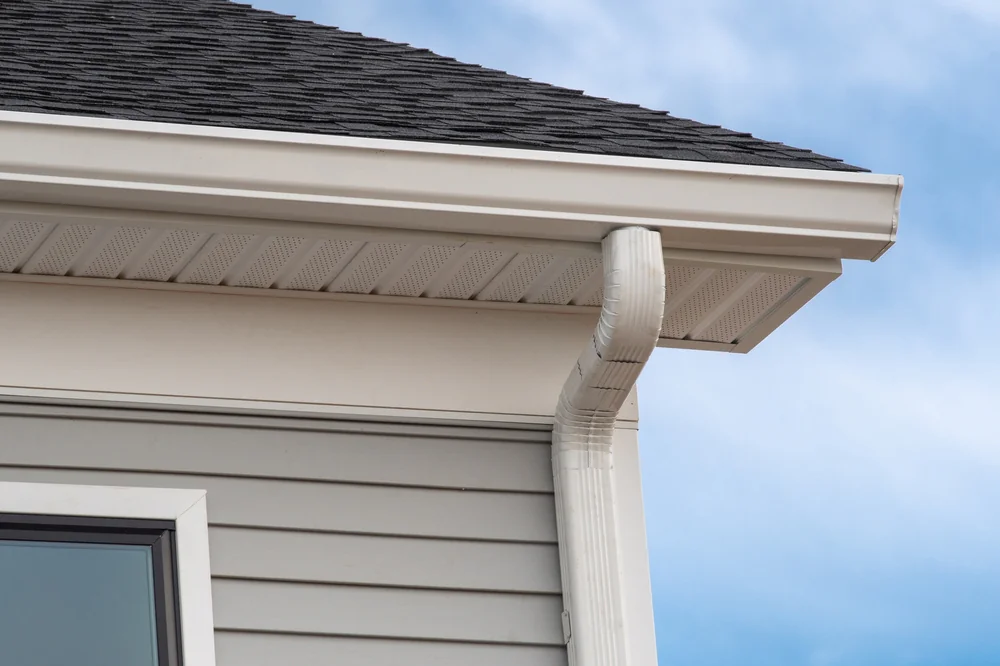
We use the heaviest-gauge aluminum available because lighter materials don’t hold up when snow piles on. Your gutters need to move water away from your home during spring downpours and support ice weight during winter without pulling away from the fascia. That’s what proper rain gutter installation does.
We’re an Owens Corning Preferred Contractor, which means we meet strict standards for installation quality and customer service. We’ve been serving homeowners throughout New Hampshire for over 12 years, and we don’t cut corners to save a few dollars.
You’ll work with the same crew from consultation through cleanup. We assign our best installers to every job, not whoever’s available that day. And when we’re done, we don’t leave a mess—your landscaping stays intact, and we sweep the area with magnets to pick up every screw.
Portsmouth homeowners deal with wet leaves in fall, ice in winter, and pollen in spring. Your gutters work harder here than in most places, so the installation needs to be right the first time.
We start with an on-site consultation. You show us the problem areas—where water overflows, where gutters sag, where ice dams form. We measure your roofline, check the fascia condition, and talk through what you actually need versus what you’ve been told you need.
Then we give you a timeline. Most gutter installations in Portsmouth take one to two days depending on your home’s size and roof pitch. We fabricate seamless gutters on-site to exact measurements, so there’s no guessing about fit.
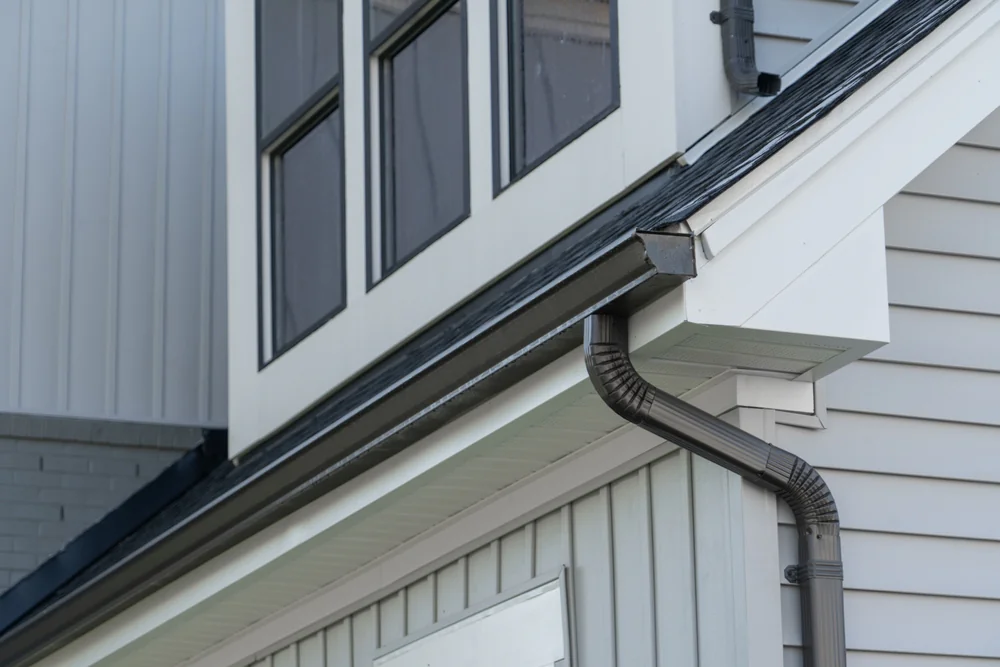
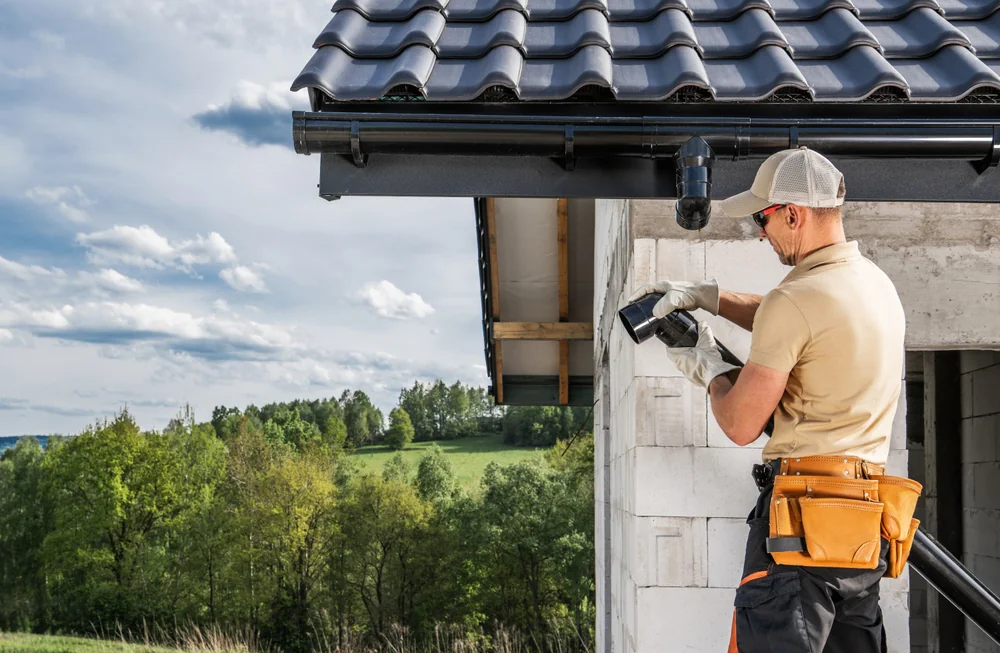
During installation, we remove your old gutters and downspouts, inspect the fascia for rot or damage, and install new seamless aluminum gutters with proper pitch for drainage. We position downspouts to move water away from your foundation—not just off your roof. If you’re adding gutter guards, we install those at the same time so everything’s integrated from day one.
After installation, we test water flow, clean up all debris, haul away old materials, and walk you through maintenance basics. You’ll know exactly what to expect during the next heavy rain or snowstorm.
Ready to get started?
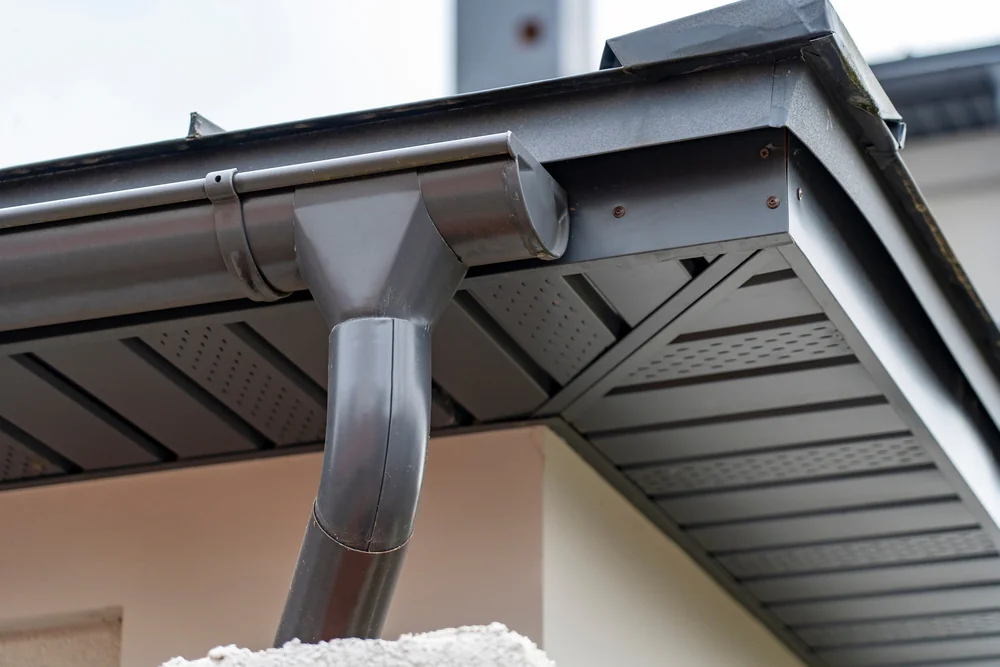
Every gutter installation includes complete removal of old gutters and downspouts, fascia inspection and repair if needed, seamless aluminum gutter fabrication and installation, downspout placement for proper drainage, and full cleanup with debris removal.
We recommend gutter guard installation for most Portsmouth homes. Guards keep out wet leaves in fall and prevent ice backup in winter. If your home has a history of ice dams, guards aren’t optional—they’re necessary to keep water flowing even when temperatures drop below freezing.
Portsmouth’s coastal location means you get hit with nor’easters that dump heavy, wet snow. That snow sits on your roof, melts, refreezes in your gutters, and creates ice dams that force water under your shingles. Properly installed rain gutters with guards reduce that risk significantly.
You’ll also get a workmanship guarantee. If something pulls loose or leaks because of installation error, we fix it. No arguments, no excuses.
Most Portsmouth homeowners spend between $1,500 and $4,000 for complete gutter installation, depending on home size, roof pitch, and whether you add gutter guards. That breaks down to about $5 to $15 per linear foot for aluminum gutters.
Seamless gutters cost more upfront than sectional gutters, but they last longer and leak less. You’re paying for fewer joints, which means fewer failure points when ice and snow load up in winter.
If your fascia needs repair before we install new gutters, that adds to the cost. But skipping fascia repair means your new gutters won’t stay attached properly, so it’s not something you can ignore. We’ll tell you exactly what needs fixing during the consultation.
Seamless aluminum gutters typically last 20 to 30 years in New Hampshire if they’re installed correctly and maintained. The key factors are material gauge, proper pitch, and how much snow load your roof gets.
Lighter-gauge aluminum sags or pulls away from the fascia under heavy snow. We use the heaviest gauge available because Portsmouth gets real winters. Your gutters need to handle ice weight without bending or detaching.
Gutter guards extend lifespan by preventing clogs that cause water to freeze and expand inside the gutter channel. Without guards, you’re looking at more frequent repairs and potentially replacing gutters sooner than 20 years.
If you have trees near your roofline or your home has dealt with ice dams, yes. Gutter guards keep out leaves, pine needles, and debris that clog gutters and trap water. When that water freezes, it creates ice dams that damage your roof and gutters.
Portsmouth’s fall season dumps wet leaves into gutters faster than most homeowners can clean them out. Those leaves sit, decompose, and block water flow. Then winter hits, and you’ve got standing water that freezes solid.
Guards also reduce how often you need to climb a ladder to clean gutters. That’s not just convenience—it’s safety. Plenty of people end up in the ER every year from ladder falls during gutter cleaning.
Water pools instead of draining. That standing water attracts mosquitoes in summer, freezes solid in winter, and eventually causes the gutter to sag or pull away from your fascia.
Proper pitch is about a quarter-inch of slope for every 10 feet of gutter. Too much pitch and water rushes too fast, overshooting downspouts during heavy rain. Too little pitch and water just sits there.
We check pitch during installation using a level and measuring tape. It’s basic, but it’s critical. A lot of gutter problems that look like material failure are actually installation problems—wrong pitch, improper fastener spacing, or downspouts in the wrong locations.
You can, but most DIY gutter installations end up needing professional fixes within a few years. The main issues are improper pitch, weak fascia attachment, and downspouts that don’t move water far enough from the foundation.
Seamless gutters require special equipment to fabricate on-site. You can buy sectional gutters at a hardware store, but those have joints every 10 feet—and every joint is a potential leak point.
There’s also the roof warranty issue. Some roofing manufacturers void warranties if gutters are installed incorrectly and cause water damage. That’s an expensive risk if you’re trying to save a few hundred dollars on installation labor.
Look for sagging sections, visible separation from the fascia, rust holes or cracks, water spilling over the sides during rain, or peeling paint on your siding near the roofline. Any of those signs mean your gutters aren’t doing their job.
If you’re cleaning gutters more than twice a year and they still overflow, that’s usually a pitch problem or a capacity problem. Older gutters might not be sized correctly for your roof’s square footage, especially if you’ve had roofing work done since the gutters were installed.
Ice dams are another red flag. If you see icicles hanging from your gutters or ice building up along the roof edge every winter, your gutters aren’t moving water properly. That needs to be fixed before it damages your roof decking or causes interior leaks.
Other Services we provide in Portsmouth