Hear from Our Customers
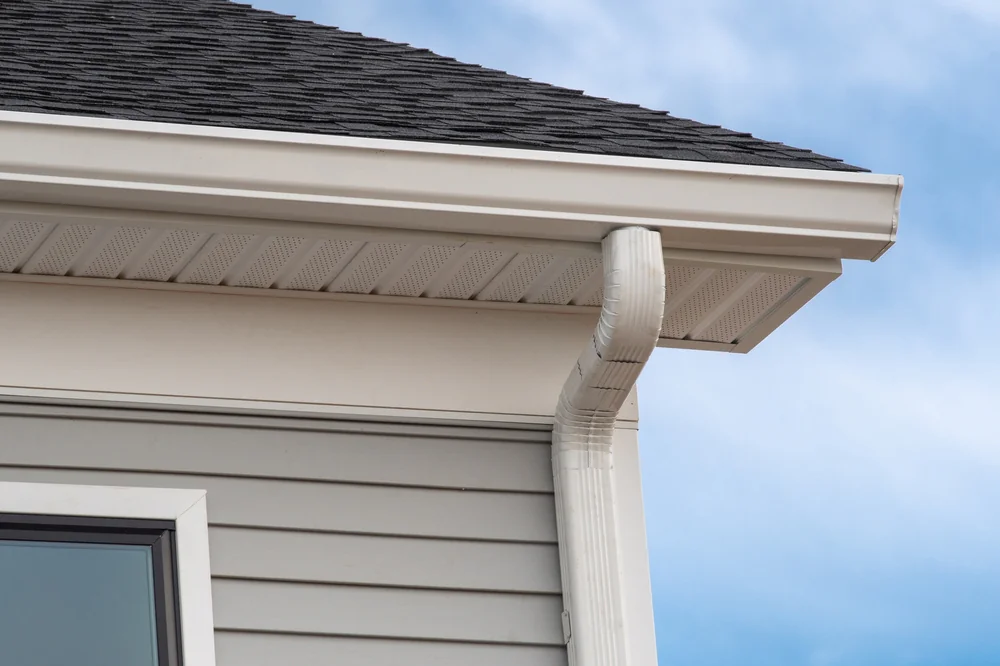
You’re not buying gutters. You’re buying what happens when 43 inches of annual precipitation hit your roof and need somewhere to go that isn’t your foundation, basement, or landscaping.
Methuen gets hammered. Nor’easters dump heavy snow and freezing rain. Spring brings downpours that test every weak point in your drainage system. Summer storms roll through fast and hard. Without gutters that can handle the volume and freeze-thaw cycles, you’re looking at foundation cracks, basement leaks, rotted fascia, and ice dams that work their way under your shingles.
Good gutter installation means water goes where it’s supposed to. Your foundation stays dry. Your basement doesn’t flood. Your landscaping doesn’t erode into the driveway. And you’re not dealing with expensive repairs because someone rushed the job or used materials that can’t handle New England weather.
That’s what you’re actually paying for—protection that works when it matters most.
Paradise Remodeling Inc has been installing gutters in Methuen and the Merrimack Valley for over seven years. We’re licensed (MA HIC #195972), insured, and locally owned. That means when you call, you’re talking to people who live here and understand what homes in this area actually need.
We don’t subcontract the work. Feliciano, the owner, manages every project personally. We order materials immediately, show up when we say we will, and finish the job without dragging it out. Our BuildZoom score puts us in the top 8% of Massachusetts contractors because we focus on one thing: doing quality work that lasts.
Methuen homeowners deal with real weather. We install gutters that handle it—aluminum that’s 20% thicker than standard, downspouts 30% larger, and support brackets every two feet instead of the bare minimum. That’s not upselling. That’s building systems that don’t fail when you need them most.
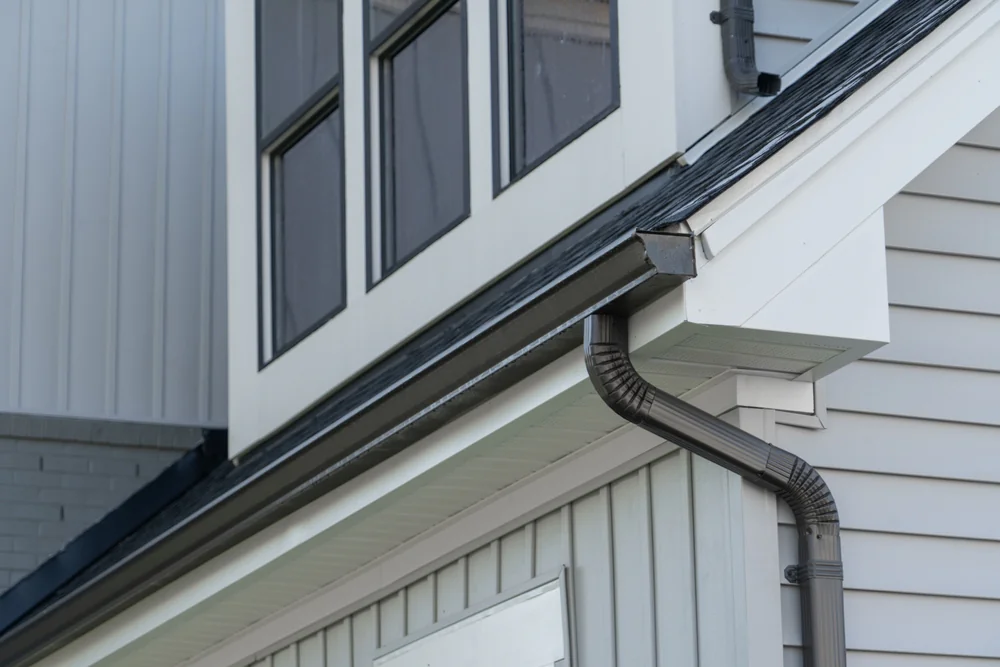
First, we come out and measure your roofline. Every home is different, and seamless gutters are custom-cut on site to fit your exact dimensions. We’re looking at pitch, fascia condition, where downspouts should go based on grading, and how much water your roof sheds during heavy rain.
Once we have measurements, we fabricate the gutters right at your property using a specialized machine. That’s what “seamless” means—one continuous piece with no joints except at corners. Fewer seams mean fewer potential leak points and a cleaner look.
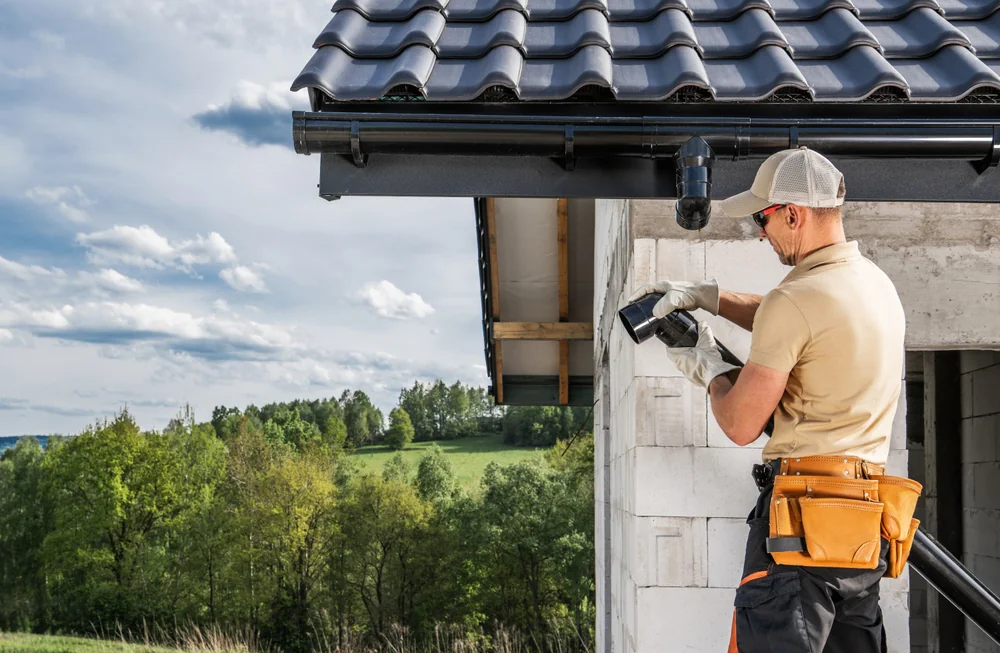
Installation starts with securing heavy-duty hangers to your fascia every two feet. We’re not using flimsy spikes that pull out after a few years. Then we hang the gutters with the correct slope—just enough pitch to move water toward downspouts without creating visible sag. Downspouts get positioned to direct water at least six feet away from your foundation, sometimes more depending on your lot.
We test the system before we leave. We want to see water flowing correctly, no pooling, no overflow at corners. The job’s not done until it works the way it should. Most installations take one day. You get a one-year workmanship guarantee and full manufacturer warranty on materials.
Ready to get started?
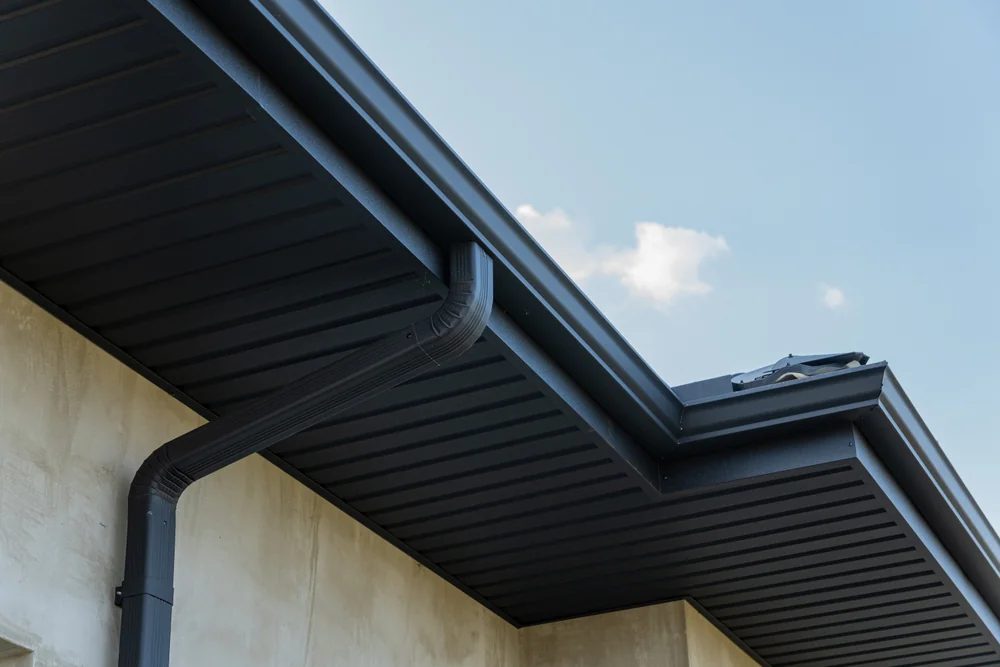
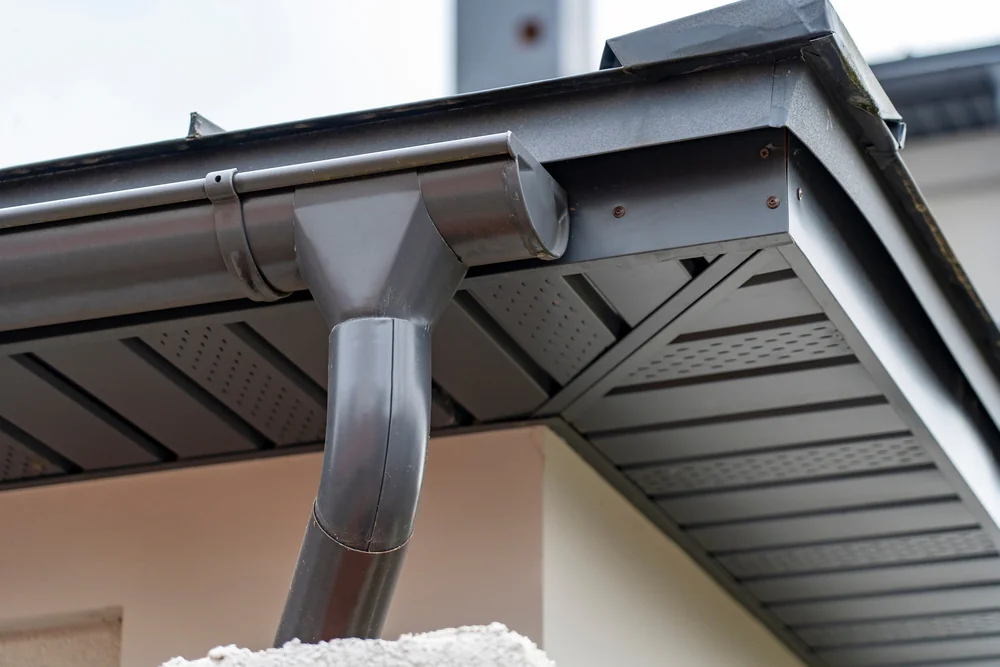
We install seamless aluminum gutters in multiple colors to match your home’s trim. Aluminum works best in Methuen because it won’t rust, it handles temperature swings without cracking, and it’s strong enough to hold snow load without bending. Our material is 20% thicker than what most installers use because we’ve seen what happens to thin-gauge gutters after a few New England winters.
Downspouts are 30% larger than standard—3×4 inches instead of 2×3. That matters during heavy rain when your roof is shedding hundreds of gallons per hour. Undersized downspouts create overflow, which defeats the entire purpose of having gutters. We also install downspout extensions to move water away from your foundation, not just dump it at the base of your house.
If you’re dealing with ice dams or have trees near your roofline, we can add gutter guards during installation. They’re not necessary for everyone, but in the right situations they save you from cleaning gutters three times a year. We’ll tell you honestly whether you need them or not.
Every installation includes proper flashing, sealed end caps, and reinforced corners. We’re not leaving weak points that’ll start leaking in six months. Methuen gets about 200 days of precipitation per year. Your gutters need to work every single one of those days.
Most homes in Methuen run between $1,200 and $2,800 for complete gutter installation, depending on the size of your house, how many corners and downspouts you need, and whether you’re adding gutter guards. A typical ranch might be on the lower end. A two-story colonial with complex rooflines costs more because there’s more material and labor involved.
We price by the linear foot, usually between $8 and $15 depending on the specifics of your home. That includes seamless aluminum gutters, heavy-duty hangers every two feet, properly sized downspouts, extensions, and professional installation. We don’t quote over the phone because every house is different, but we’ll come out, measure everything, and give you an exact price before any work starts.
The cheapest bid isn’t always the best value. Gutters installed with thin material and weak hangers will sag, leak, and need replacement sooner. You’re better off paying a fair price once than paying twice to fix someone else’s shortcuts.
Most residential gutter installations take one full day. We show up in the morning, fabricate the seamless gutters on site, install everything, test the system, and clean up before we leave. Larger homes or properties with multiple rooflines might take a day and a half.
We don’t drag jobs out. Once we start, we work straight through until it’s finished. That means you’re not dealing with equipment in your driveway for a week or wondering when we’re coming back. We order materials immediately after you approve the proposal, schedule the installation, and show up when we say we will.
Weather can delay things—we’re not installing gutters in a downpour or when it’s below freezing. But we’ll communicate clearly about timing and keep you updated if anything changes. Most customers are surprised how fast the job goes when it’s done by people who know what they’re doing.
Regular sectional gutters come in pre-cut pieces that get joined together with connectors and sealed with caulk. Those seams are where leaks start—caulk dries out, connectors loosen, and water finds its way through. You end up with drips, rust, and sections that separate over time.
Seamless gutters are fabricated from one continuous piece of aluminum, custom-cut to your exact measurements on site. The only seams are at inside and outside corners where they have to be. That means fewer leak points, cleaner appearance, and longer lifespan. They’re also stronger because there aren’t weak spots every ten feet where sections connect.
In Methuen’s climate, seamless gutters make even more sense. Freeze-thaw cycles are brutal on sectional gutters—water gets into seams, freezes, expands, and breaks the seal. Seamless systems handle temperature swings better and require less maintenance. They cost slightly more upfront, but they last longer and perform better, especially during the heavy precipitation we get here.
It depends on your property. If you have large trees near your roofline—especially oaks, maples, or pines—you’re cleaning gutters multiple times per year. Gutter guards reduce that maintenance significantly by keeping leaves, pine needles, and debris out while letting water flow through.
Without guards, clogged gutters overflow during rainstorms, which defeats their entire purpose. Worse, standing water in clogged gutters freezes in winter and creates ice dams. Those cause serious damage—water backs up under shingles, leaks into your attic, damages ceilings and insulation. Gutter guards don’t eliminate maintenance completely, but they reduce how often you’re up on a ladder and lower the risk of ice dam problems.
If your home doesn’t have many trees nearby and you don’t mind cleaning gutters once or twice a year, you might not need them. We’ll look at your specific situation and give you an honest recommendation. Some homeowners add them later after they realize how much debris their gutters collect. We can install guards on existing gutters or include them during new installation—either way works.
Properly installed gutters and downspouts are one of the most effective ways to prevent basement water problems, but they’re not the only factor. Gutters control where roof runoff goes. Without them, hundreds of gallons of water pour off your roof during rainstorms and saturate the soil right next to your foundation. That water finds its way into basements through cracks, window wells, and hydrostatic pressure.
When gutters are installed correctly with downspouts that extend at least six feet from your foundation, water gets directed away from the house instead of pooling around it. That dramatically reduces the amount of water pressing against your foundation walls and lowers the risk of basement leaks. In Methuen, where we average 43 inches of precipitation annually, that’s a lot of water you’re redirecting.
Gutters won’t fix existing foundation cracks or poor lot grading, but they’re the first line of defense. If you’re already dealing with basement moisture, new gutters should be part of the solution along with proper grading and possibly a sump pump. We’ll look at your downspout placement during installation to make sure water flows away from the house, not toward it.
Correctly installed gutters have a slight slope toward downspouts—about a quarter inch for every ten feet. You shouldn’t see standing water in the gutters after rain. If water pools in sections, the pitch is wrong and it’ll cause problems. During heavy rain, water should flow smoothly into downspouts without overflowing at corners or seams.
Check the hangers. They should be spaced every two feet maximum, not every three or four feet like some installers do to save time. Gutters supported properly won’t sag under the weight of water or snow. Look at the fascia where gutters attach—it should be solid, not rotted or damaged. Good installers won’t mount gutters to bad wood without addressing it first.
Downspouts should extend away from your foundation, not dump water right at the base of your house. Extensions or splash blocks are necessary to move water at least six feet out. Inside corners and end caps should be sealed properly with no visible gaps. And the gutters should match your roofline cleanly without visible gaps between the gutter and fascia. If you’re seeing any of these issues with existing gutters, they weren’t installed right and they’re not protecting your home the way they should.