Hear from Our Customers
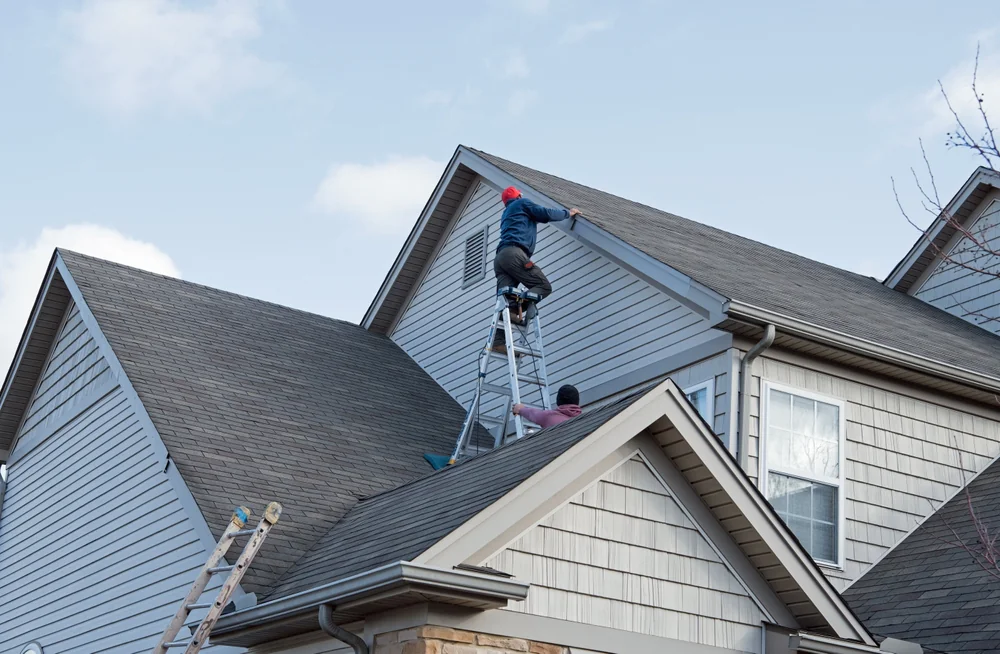
You stop worrying every time it rains. You’re not climbing into the attic with a flashlight looking for new water stains. You’re not calling your insurance company again because the same leak came back.
A proper roof repair means the problem gets diagnosed correctly from the start. Not just the shingle that blew off, but why it blew off. Not just the visible leak, but where the water’s actually getting in—because those are rarely the same spot.
When the work’s done right, your heating and cooling bills stay predictable. Your attic insulation stays dry and effective. Your home’s structure stays protected from the kind of slow rot that turns a small repair into a massive replacement.
You get back to not thinking about your roof. That’s the whole point.
We’ve spent 18 years handling the specific problems that come with owning a home in Rowley, MA. We’re an Owens Corning Preferred Contractor, which means we’ve met strict requirements for quality work and customer service—not just once, but consistently.
We know what ice dams do to the colonial-style homes common around here. We’ve seen what nor’easters and heavy wet snow do to roofs that weren’t built or maintained properly. We understand that Rowley homeowners need repairs that can handle real New England weather, not just look good for a season.
We’re licensed in Massachusetts, fully insured, and we use materials from manufacturers like Mule Hide and Owens Corning that are built for this climate. When we say we’ll show up, we show up. When we say it’s fixed, it stays fixed.

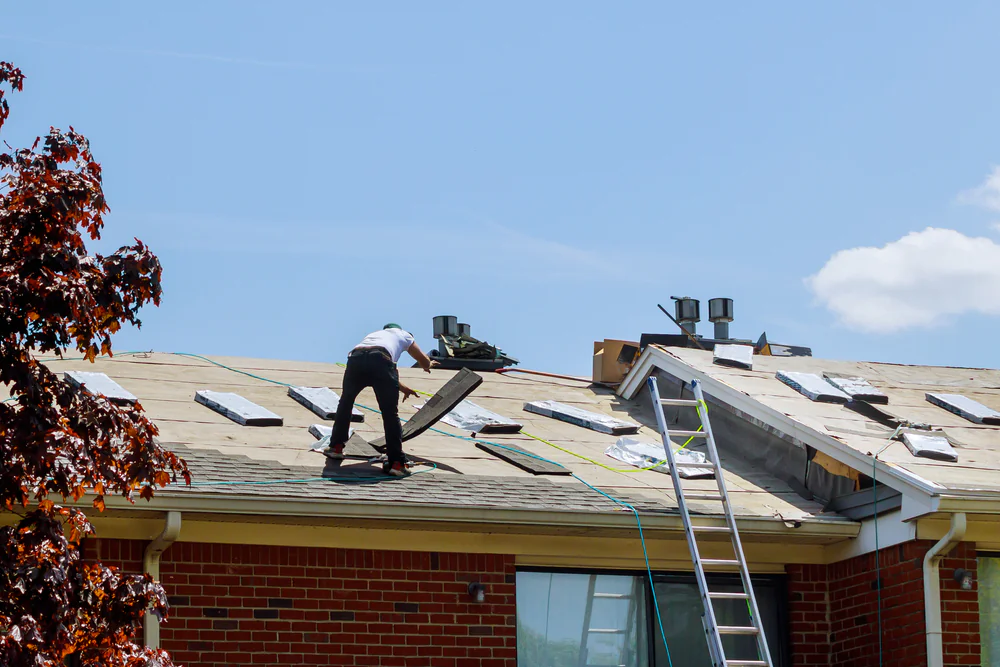
First, we actually look at your roof. Not from the ground with binoculars—we get up there and inspect the damage, the surrounding area, and anything that might cause problems down the road. We take photos so you can see what we’re seeing.
Then we explain what’s wrong in plain language. If it’s a simple shingle replacement, we’ll tell you. If there’s underlying damage to the decking or flashing, we’ll show you why that matters and what happens if it’s ignored. You’ll get a clear estimate with no surprise charges later.
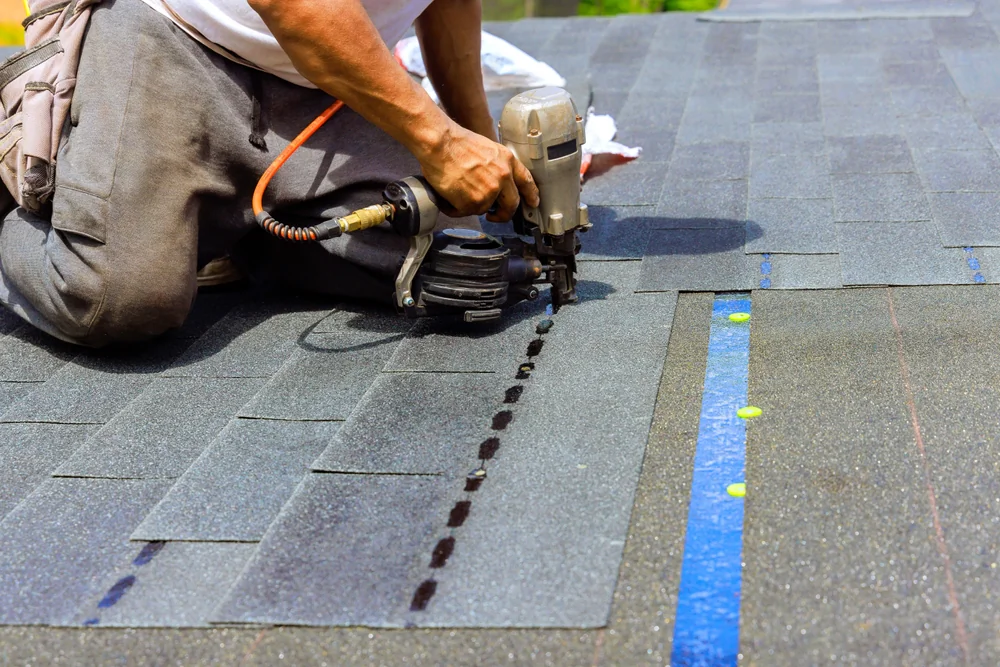
Once you approve the work, we schedule it fast—especially if it’s an emergency. We protect your property during the repair, use quality materials that match your existing roof, and clean up completely when we’re done. Before we leave, we walk you through what we did and answer any questions.
If insurance is involved, we’ll document everything properly and help you through that process. We’ve handled plenty of storm damage claims, so we know what adjusters need to see.
Ready to get started?
Every roof repair starts with finding the actual source of the problem. Water travels, so the leak inside your home might be coming from damage several feet away on the roof. We trace it back to the real entry point.
We handle everything from missing or damaged shingles to flashing failures around chimneys and vents. Ice dam damage is common in Rowley during winter—when melting snow refreezes at the roof edge and forces water back under the shingles. We repair the damage and can recommend prevention methods for next season.
Storm damage from high winds or fallen branches often means more than just replacing visible shingles. We check the underlayment and decking for hidden damage that will cause leaks later if left alone. If your roof took a hit during one of the severe storms that have been hitting Massachusetts more frequently, we’ll assess the full scope before starting repairs.
For emergency situations—active leaks, major storm damage, or structural concerns—we respond quickly. An emergency roof repair might include temporary weatherproofing to stop immediate water intrusion, followed by permanent repairs once conditions allow. We’re equipped to handle urgent situations that can’t wait for perfect weather.

For active leaks or storm damage, we prioritize emergency calls and typically respond within 24 hours, often faster depending on the situation and weather conditions. An active leak means water is coming into your home right now, and that kind of damage accelerates quickly—ruining insulation, promoting mold growth, and damaging ceilings and walls.
When you call with an emergency, we’ll ask specific questions about what you’re seeing so we can bring the right materials and equipment. If weather allows, we’ll get on the roof immediately to stop the water intrusion. Sometimes that means a temporary weatherproof seal until we can complete permanent repairs safely.
We keep emergency repair materials in stock specifically for these situations. Massachusetts weather doesn’t wait for convenient timing, and neither do we. If you’re dealing with water coming through your ceiling or visible damage after a storm, call us immediately—don’t wait for it to get worse.
It depends on what caused the damage. Insurance typically covers sudden, accidental events like storm damage, falling trees, or ice dam damage—things you couldn’t prevent. They usually won’t cover damage from lack of maintenance or normal wear and tear from an aging roof.
If you have storm damage, document everything immediately with photos and contact your insurance company to start a claim. We can help with this process since we’ve worked with insurance adjusters many times. We’ll provide detailed documentation of the damage, what caused it, and what repairs are necessary. We can also provide an estimate that meets insurance requirements.
One important thing: most insurance policies require you to prevent further damage once a problem occurs. If your roof is leaking and you don’t address it, the insurance company might deny coverage for additional damage that happens afterward. That’s why emergency repairs matter—they protect both your home and your claim. We can work directly with your adjuster if needed to make sure the scope of work covers everything that’s actually damaged.
Honestly, we’ll tell you. If your roof can be repaired properly, that’s what we’ll recommend because it saves you money. If it’s beyond repair or if fixing it would be throwing good money after bad, we’ll explain why replacement makes more sense.
Generally, localized damage—a few missing shingles, a flashing problem, damage in one area from a fallen branch—can be repaired effectively. If your roof is relatively new or in otherwise good condition, repair is usually the right call. But if your roof is 20+ years old and showing widespread problems, or if the damage revealed underlying issues with the decking or structure, replacement might be more cost-effective long-term.
We look at the big picture during our inspection. How old is the roof? How much life is left in the surrounding shingles? Is this the first repair or the fifth? Are there signs of multiple leak points or just one? We’ll walk you through what we find and give you honest recommendations. Some contractors push replacement because it’s more profitable. We’d rather you trust us for the next repair, and the one after that, which only happens if we’re straight with you now.
Ice dams form when heat escapes through your roof and melts snow, which then refreezes at the colder roof edge where there’s no heat below. This creates a dam of ice that blocks proper drainage. When more snow melts, the water backs up behind the dam and works its way under your shingles—which aren’t designed to handle standing water.
The damage shows up as water stains on ceilings and walls, usually near the roof edge or in upper-floor rooms. By the time you see it inside, water has already soaked through shingles, underlayment, and roof decking. We repair ice dam damage by removing the affected shingles, replacing any damaged underlayment or decking, and reinstalling proper roofing materials.
But here’s what matters: fixing the damage doesn’t prevent the next ice dam. The real problem is usually inadequate attic insulation or ventilation that lets too much heat escape. We can identify these issues during the repair and recommend solutions—better insulation, proper ventilation, or sometimes heat cable installation along the roof edge. Rowley gets hit with ice dams regularly during winter, especially after heavy snowfall followed by temperature swings. If you’ve had one ice dam, you’ll likely get another unless the underlying cause gets addressed.
Most repairs take anywhere from a few hours to a full day, depending on the extent of damage and what we find once we open things up. A straightforward shingle replacement might be done in half a day. Repairing flashing around a chimney or replacing damaged decking takes longer.
Weather affects timing significantly. We can’t install certain materials in rain or extreme cold, and working on a wet or icy roof is dangerous. If we start a repair and conditions deteriorate, we’ll weatherproof the work area and return when it’s safe to complete the job properly. Rushing roof work in bad conditions leads to poor results and safety risks.
For emergency repairs, we’ll often do temporary weatherproofing immediately—tarping, sealing, whatever stops the active leak—then return to complete permanent repairs when conditions allow. This two-step approach protects your home right away while ensuring the final repair is done correctly. We’ll give you a realistic timeline when we assess the damage, and we’ll keep you updated if anything changes. The goal is quality work that lasts, not just getting off your roof as fast as possible.
We do our best, but perfect matches aren’t always possible—especially if your roof is more than a few years old. Shingles weather and fade over time, and manufacturers sometimes discontinue colors or change formulations. We’ll identify your current shingle type and color and source the closest match available.
In most cases, we can get close enough that the repair blends in well, especially after a few months of weathering. The new shingles will be slightly brighter at first, but they’ll fade to match over time. If your roof is old enough that matching is difficult, we’ll show you the options and let you decide if the color difference bothers you.
Sometimes a mismatch actually highlights a bigger issue: if your shingles are so old or faded that new ones look dramatically different, it might indicate the whole roof is near the end of its lifespan. We’ll point this out if we see it. For most repairs on roofs with decent life left, though, we can match well enough that you won’t notice the repair from the street. We keep relationships with suppliers who stock a wide range of shingle types specifically so we can handle matching for common roof styles in the Rowley area.