Hear from Our Customers
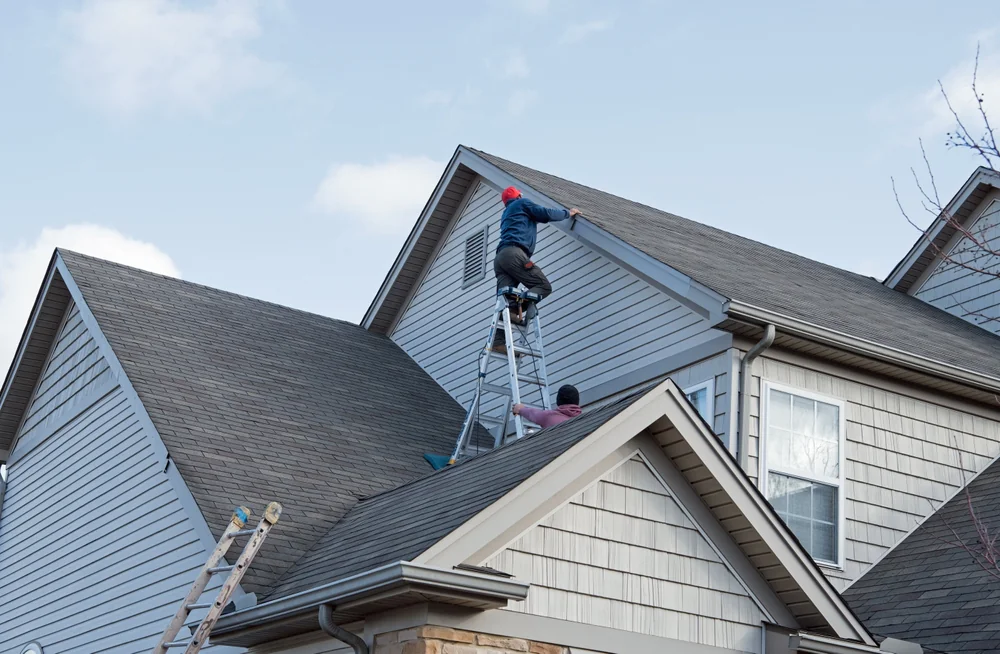
A small leak today becomes a major problem tomorrow. Water finds every crack, seeps into insulation, damages ceilings, and creates mold you can’t see until it’s expensive.
You need someone who can assess the real damage, not just patch what’s visible. That means checking underlayment, inspecting flashing around chimneys and vents, and making sure your attic ventilation isn’t making things worse.
When the job’s done right, you’re not calling someone back in six months. Your energy bills stop climbing because heat isn’t escaping through gaps. Your home stays dry during those heavy Merrimack Valley rainstorms that seem to find every weak spot.
The difference between a quick fix and actual roof repair is whether you’re solving the problem or just delaying it. You deserve work that holds up through New England winters, not just until the next storm rolls through.
Paradise Remodeling Inc is a locally owned roofing contractor based in Methuen, serving Haverhill and the surrounding Merrimack Valley. We’re licensed, insured, and we’re an Owens Corning Preferred Contractor—which means we meet strict standards for quality and reliability.
We know what Haverhill weather does to roofs. The ice dams in winter, the wind-driven rain in spring, the brutal sun in summer. Every season here tests your roof differently.
You’ll work with the same crew from start to finish. No subcontractors, no surprises. Just straightforward communication and roofing services that protect your home the way they’re supposed to.

First, we come out and inspect your roof. Not just the obvious damage—we check the entire system. Shingles, flashing, underlayment, ventilation, gutters. We’re looking for what caused the problem and what else might fail soon.
You get a clear explanation of what’s wrong and what it’ll take to fix it. If it’s a simple repair, we’ll tell you. If your roof is near the end of its life and you’re throwing money at a losing battle, we’ll tell you that too.
Once you approve the work, we schedule it fast. Most repairs are done in a day. We protect your property, fix the damage, clean up completely, and make sure everything’s sealed tight before we leave.
After the job, you’re not on your own. If something doesn’t look right or you have questions, you call us. We stand behind our work because we’re not trying to patch and disappear—we’re building a reputation in this community.
Ready to get started?
You’re getting a full assessment, not just a patch job. We identify every area of concern, explain what needs immediate attention, and what you can monitor.
The repair itself depends on what’s damaged. Replacing missing or broken shingles. Resealing flashing around chimneys, skylights, and vents where most leaks start. Fixing damaged underlayment if water’s gotten underneath. Addressing ventilation issues that cause ice dams and premature aging.
For Haverhill homes, we use materials built for New England weather. That means shingles rated for high winds and extreme temperature swings. Proper ice and water shield in vulnerable areas. Ventilation systems that prevent moisture buildup in your attic.
We also help with insurance claims if you’ve had storm damage. We document everything, provide detailed estimates, and work with your adjuster so you’re not navigating that process alone. Most homeowners don’t realize their policy covers more than they think—but you need proper documentation.

Most roof leak repairs in Haverhill run between $400 and $900, depending on what’s damaged and how accessible it is. A few missing shingles? That’s on the lower end. Flashing replacement around a chimney or extensive underlayment damage? That costs more.
Here’s what affects your price: the size of the damaged area, whether we need to replace underlayment or just shingles, how many layers of roofing are already up there, and how steep or high your roof is. A single-story ranch is easier to work on than a two-story colonial with multiple roof lines.
We give you a clear estimate before any work starts. No surprises, no “we found more damage” upcharges unless we genuinely uncover hidden problems—and we’ll show you exactly what we’re talking about before proceeding. You’ll know what you’re paying and why.
If your roof is under 15 years old and the damage is isolated, repair makes sense. You’re fixing a specific problem without the cost of a full replacement. But if your roof is over 20 years old, you’re patching multiple areas, or you’re seeing widespread wear, replacement is usually smarter financially.
Here’s the reality: asphalt shingle roofs in Massachusetts last 15 to 30 years depending on quality and maintenance. If yours is in that back half and you’re spending $800 on repairs now, you might spend another $1,200 in two years, then face replacement anyway. You’re better off replacing once and being done.
We’ll be honest about where your roof stands. If repair buys you five more solid years, we’ll recommend it. If you’re just delaying the inevitable and wasting money, we’ll tell you that too. You deserve the truth, not whatever makes us the most money today.
Most repairs are finished in one day. Simple jobs like replacing a few shingles or resealing flashing take a few hours. More extensive repairs—like fixing underlayment damage or addressing multiple leak points—might take a full day.
Weather plays a role. We can’t do quality roofing work in rain or when shingles are too cold to seal properly. If we schedule your repair and conditions aren’t right, we’ll reschedule rather than rush through a job that won’t hold up.
Emergency repairs are different. If you’ve got active leaking from storm damage, we’ll get out there fast to tarp and stabilize things, then come back to do the permanent fix when conditions allow. The goal is stopping further damage immediately, then doing the real repair right.
Yes. We document the damage, provide detailed estimates with photos, and work directly with your insurance adjuster. Most homeowners don’t realize what their policy actually covers, and insurance companies don’t always volunteer that information.
Storm damage—wind, hail, falling branches—is typically covered. Age-related wear and tear isn’t. The key is proving the damage came from a specific weather event, not gradual deterioration. We know how to document that difference.
We’ll walk you through the process: filing the claim, meeting the adjuster, understanding your deductible, and what you’re responsible for versus what insurance pays. We’ve done this hundreds of times. You shouldn’t have to figure it out alone while also dealing with a damaged roof.
Flashing failures cause more leaks than anything else. That’s the metal sealing around chimneys, vents, skylights, and where two roof planes meet. It takes the most abuse from temperature swings and gets brittle over time. When it cracks or pulls away, water pours in.
Ice dams are the other major culprit in Haverhill. Poor attic ventilation lets heat escape, melting snow on your roof. That water runs down, refreezes at the eaves, and backs up under your shingles. You get leaks in your walls and ceilings even though your shingles look fine.
Missing or damaged shingles matter too, especially after wind storms. But honestly, if your shingles are in decent shape and you’re still getting leaks, we’re looking at flashing or ventilation first. That’s where the real problems hide.
You need emergency help if water is actively coming into your home, if you’ve lost a significant section of shingles exposing underlayment, or if you’ve got structural damage like sagging areas or visible holes. Those situations get worse by the hour.
Ceiling stains, small drips, or a few missing shingles aren’t emergencies, but they need attention within a week or two. The longer you wait, the more damage happens behind the scenes—in insulation, wood decking, and framing you can’t see.
If you’re not sure, call us. We’ll ask the right questions to determine if you need someone out today or if we can schedule something in the next few days. We’re not going to upsell you on emergency service if your situation doesn’t require it. But if you genuinely need fast help, we’ll be there.
Other Services we provide in Haverhill