Hear from Our Customers
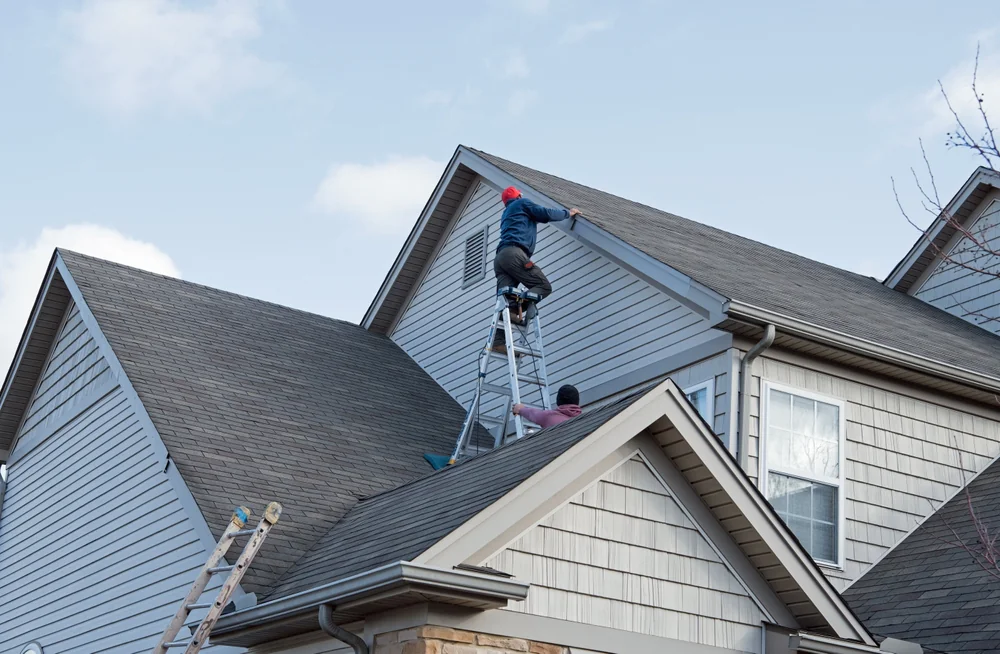
You’re not just getting shingles hammered back into place. You’re getting a roof that handles everything Gloucester’s coastal weather throws at it—wind, salt air, ice dams, and those surprise nor’easters that seem to find every weak spot.
When your roof is actually fixed right, you stop checking the ceiling every time it rains. You stop wondering if that dark spot is growing. You stop getting three-day delays because your contractor didn’t show up or return your calls.
What you get instead: a roof inspection that catches problems before they cost you thousands, repairs using materials built for coastal conditions, and a team that’s been doing this in Massachusetts for 18 years. No runaround. No surprises. Just your roof working the way it should, protecting what matters most.
Paradise Remodeling Inc isn’t new to coastal Massachusetts. We’ve spent nearly two decades learning what works on homes in Gloucester, Rockport, and Essex County—where salt air corrodes faster, wind speeds matter more, and cheap repairs fail within a year.
We’re an Owens Corning Preferred Contractor, which means we’ve met strict standards most roofing companies don’t bother with. That certification isn’t just a badge—it’s proof that we know how to install, repair, and maintain roofs correctly using premium materials designed for durability.
You’ll work with licensed, insured professionals who actually answer their phones. We’re based in Lynn, we know your neighborhood, and we’ve probably already fixed a roof on your street.

First, we inspect your roof—not just the obvious damage, but the spots most contractors miss. We’re looking for wind-lifted shingles, compromised flashing around chimneys and vents, and early signs of water infiltration that’ll become expensive problems if ignored.
Then you get a transparent estimate. No hidden fees, no pressure tactics, no “limited time offers” designed to rush your decision. Just clear pricing for the work your roof actually needs.
Once you approve, we schedule the repair around your life, not ours. Our crew shows up on time, completes the work efficiently, and cleans up like we were never there—except your roof is fixed. We use Duration Shingles and Mule Hide products because they hold up in coastal conditions, and we back our work with a satisfaction guarantee.
After the job, you’re not ghosted. You have our number. If something doesn’t look right or you have questions six months later, you call us. That’s how we’ve stayed in business since 2006.
Ready to get started?
You’re getting more than a patch job. Every roof repair includes a full assessment of your roof’s condition, identification of current and potential problems, and repairs using materials rated for Massachusetts coastal weather.
That means we’re fixing storm damage, replacing missing or damaged shingles, resealing flashing that’s letting water through, and addressing ventilation issues that cause ice dams in winter. If your roof has multiple problems—and most do—we prioritize what needs immediate attention versus what can wait.
Gloucester homes face unique challenges. The salt air accelerates corrosion on metal components. Wind speeds off the Atlantic are higher than inland areas. Your roof takes a beating most Massachusetts homes don’t experience. We account for that in every repair, using corrosion-resistant materials and installation techniques that handle high winds.
Emergency repairs? We handle those too. When a storm rips shingles off at 9 PM on a Saturday, you need someone who’ll actually show up and prevent further water damage. We’ve built our reputation on being responsive when it matters most.

Most homeowners can’t tell the difference—and plenty of contractors will sell you a full replacement when repairs would work fine.
Here’s the reality: if your roof is under 15 years old and damage is localized to one area (like storm damage or a few worn sections), repairs usually make sense. You’re looking at a fraction of the cost and years more life from your existing roof. If your roof is over 20 years old, has widespread shingle deterioration, or you’re seeing multiple leaks in different areas, replacement becomes the smarter investment.
We’ll tell you honestly which situation you’re in. There’s no point repairing a roof that’s going to fail in two years, and there’s no point replacing a roof that has a decade of life left. During your inspection, we’ll show you exactly what we’re seeing and explain why we’re recommending what we’re recommending. You’ll have photos, clear explanations, and pricing for both options if you’re on the fence.
Most roof repairs take between four hours and two days, depending on the extent of damage and weather conditions.
A straightforward repair—replacing a section of damaged shingles or resealing flashing—usually wraps up in half a day. More extensive repairs involving multiple roof sections, structural work, or underlayment replacement can take one to two full days. Emergency repairs to prevent immediate water damage often happen the same day you call, with temporary weatherproofing in place within hours and permanent repairs scheduled as soon as conditions allow.
Gloucester’s coastal weather affects timing. We can’t safely work on your roof during high winds or heavy rain, and we won’t rush a repair just to meet a schedule if conditions aren’t right. That’s how mistakes happen. We’ll give you a realistic timeline upfront and keep you updated if weather delays anything. Once we start, we work efficiently—our crews have done this thousands of times, and we’re not learning on your roof.
Coastal weather is the main culprit—specifically wind, salt air, and ice dams.
Wind damage happens when nor’easters or storms with sustained high speeds lift shingles, compromise flashing, or tear off sections entirely. Gloucester sits right on the Atlantic, so you’re getting wind speeds that inland Massachusetts homes don’t experience. Even “minor” storms can cause damage that leads to leaks if not addressed quickly.
Salt air accelerates deterioration of metal components—flashing, vents, gutters. It’s corrosive, and over time it weakens the materials that keep water out of your home. This is why using coastal-rated materials matters in Gloucester. Standard products fail faster here.
Ice dams form when heat escapes through your roof, melts snow, and that water refreezes at the roof edge. The ice backs up under shingles and causes leaks. Poor attic ventilation makes this worse. We see this constantly in older Gloucester homes that weren’t built with proper ventilation. Fixing ice dam damage often means addressing the ventilation issue, not just patching the leak.
It depends on what caused the damage and what your policy covers—but storm damage is usually covered.
Most homeowner’s insurance policies in Massachusetts cover sudden, unexpected damage like wind tearing off shingles, fallen tree branches, or hail damage. They typically don’t cover damage from wear and tear, poor maintenance, or gradual deterioration. If a storm hit last week and now you have missing shingles and a leak, that’s likely covered. If your 25-year-old roof is just worn out, probably not.
Here’s what helps: document everything. Take photos of the damage immediately. Get a professional inspection that identifies the cause. We’ve worked with dozens of insurance adjusters and can provide the documentation they need—detailed reports, photos, and repair estimates that show exactly what’s damaged and why.
Some insurance companies will try to minimize claims or argue that damage is pre-existing. Having a contractor who knows how to document storm damage properly makes a difference. We’ll walk you through the process, provide the paperwork your adjuster requests, and make sure you’re getting what your policy actually covers.
Roof repairs in Gloucester generally range from $400 for minor fixes to $2,500+ for extensive damage, depending on the scope of work and materials needed.
A simple repair—replacing a small section of damaged shingles—might cost $400 to $800. Mid-range repairs involving larger areas, flashing replacement, or multiple problem spots typically run $1,200 to $2,000. Extensive repairs requiring structural work, underlayment replacement, or addressing multiple roof sections can reach $2,500 to $4,000. Emergency repairs to prevent immediate water damage usually start around $500 to $1,000 for temporary weatherproofing.
Coastal location affects pricing. Materials rated for salt air and high winds cost more than standard products, but they last significantly longer in Gloucester’s environment. Using cheaper materials might save you money today, but you’ll be calling for repairs again in two years.
We provide transparent estimates before starting any work. You’ll know exactly what you’re paying for, why specific materials are recommended, and what’s included in the price. No surprises, no hidden fees, no pressure to decide immediately.
Yes—we respond to emergency roof repairs in Gloucester and provide temporary weatherproofing to prevent further damage until permanent repairs can be completed safely.
When storm damage happens, your priority is stopping water from getting into your home and causing more expensive problems. We can typically get emergency tarping or temporary sealing in place within hours of your call, even during off-hours or weekends. This protects your home until weather conditions allow for proper permanent repairs.
Here’s what emergency response looks like: you call, we assess the damage and determine what’s needed immediately versus what can wait, we secure the damaged area to prevent water infiltration, and we schedule permanent repairs as soon as it’s safe to work on your roof. We’re not doing permanent repairs in 40 mph winds or during active storms—that’s dangerous and leads to poor quality work.
We’ve been handling emergency calls in coastal Massachusetts since 2006. We know Gloucester homeowners can’t wait three days for a callback when water is coming through their ceiling. You’ll reach a real person who can help, not an answering service or voicemail.
Other Services we provide in Gloucester