Hear from Our Customers
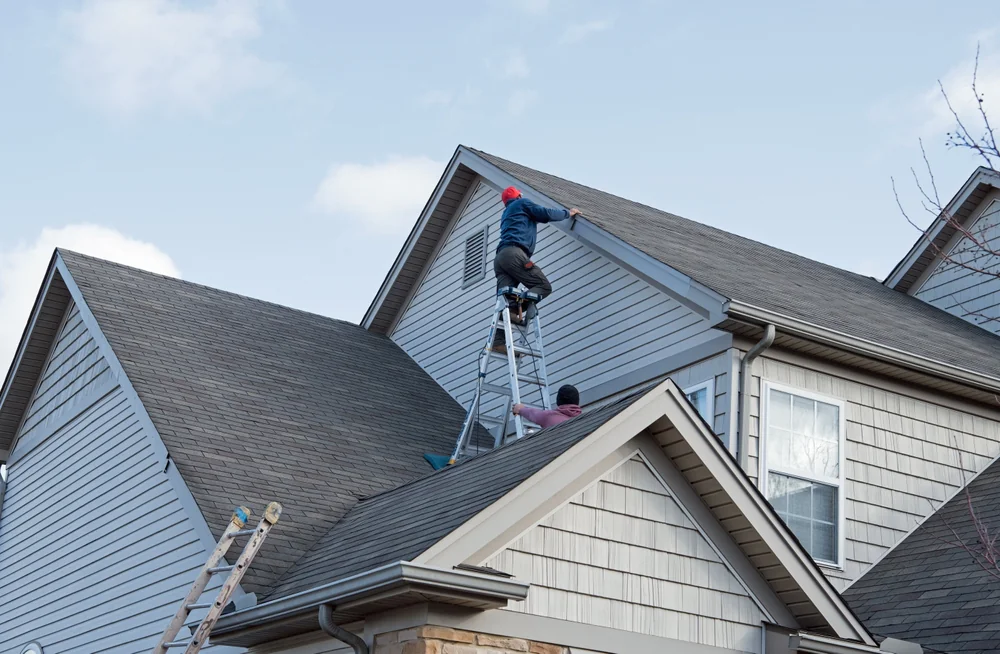
A small leak doesn’t stay small in New England. What starts as a drip during a rainstorm becomes ceiling stains, insulation damage, and mold growth if you wait too long. The difference between a $500 repair and a $5,000 problem often comes down to how fast you address it.
That’s where we come in. You get a thorough inspection, an honest assessment of what needs fixing, and work that actually holds up through Sharon’s freeze-thaw cycles and summer storms. No upselling. No surprises when the invoice comes.
Whether it’s missing shingles after high winds, flashing that’s pulling away, or an older roof showing its age, we’ve seen it and fixed it. You’re not getting a generic patch job—you’re getting a repair that considers your roof’s age, material, and what New Hampshire weather will throw at it next season.
We work throughout Southern New Hampshire and Northern Massachusetts, and we know what Sharon homeowners deal with. Nor’easters that rip shingles off in October. Ice dams that form along the eaves every February. Summer storms that come out of nowhere with hail and wind gusts.
We’re an Owens Corning Preferred Contractor, which means we’ve met their standards for training, customer service, and quality work. We also use Mule Hide roofing products—materials built to last in climates like ours. But credentials only matter if the work backs them up, and that’s what we focus on.

First, we schedule a time that works for you—usually within 24 to 48 hours unless it’s an emergency. For urgent situations like active leaks or storm damage, we move faster.
When we arrive, we inspect the damaged area and check surrounding sections. A missing shingle might be obvious, but the underlayment damage isn’t. We look at flashing, valleys, vents, and anything else that could be compromised. Then we explain what we found, what needs to be repaired, and what can wait.
Once you approve the work, we handle the repair with materials that match your existing roof. If your roof is older and we can’t find an exact match, we’ll tell you upfront. The job gets done efficiently—most repairs wrap up in a day—and we clean up completely before we leave.
After the work is finished, we walk you through what we did and answer any questions. If there’s something you should keep an eye on or maintain going forward, we’ll let you know.
Ready to get started?
Every repair starts with identifying the real problem, not just the visible symptom. We check for water intrusion, structural damage, and any secondary issues that developed because of the initial failure. That means looking in your attic if needed, inspecting underlayment, and making sure the repair will actually stop the problem.
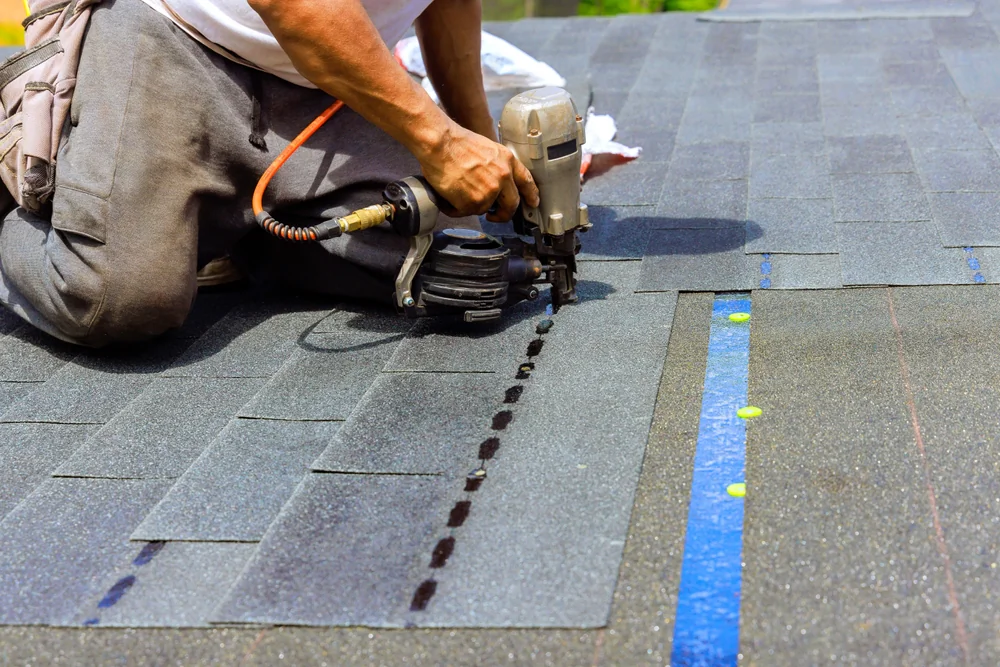
The repair itself depends on what’s damaged. Shingle replacement, flashing repair, valley work, vent resealing—we handle all of it. We use quality materials that are appropriate for New Hampshire weather, and we install them correctly the first time.
Sharon sees its share of ice dams during winter, especially on older homes with insufficient attic insulation. If that’s contributing to your roof issues, we’ll point it out. We’re not here to sell you a full replacement if a targeted repair and some preventive advice will do the job. But if your roof is near the end of its lifespan and you’re going to keep paying for repairs, we’ll tell you that too.

For active leaks or storm damage, we typically respond within 24 hours. If you call early in the day and we have availability, same-day service is possible depending on our schedule and the severity of the situation.
Emergency roof repair isn’t something you should wait on. Water moves fast once it gets through your roof—into insulation, across ceiling joists, down walls. The longer it sits, the more damage it causes and the higher your repair bill climbs.
When we come out for an emergency, the priority is stopping the leak and preventing further damage. That might mean tarping, temporary sealing, or an immediate repair if conditions allow. Once everything is secure, we assess what permanent work is needed and schedule that next step.
It depends entirely on what’s damaged and how extensive the repair is. A simple shingle replacement might run a few hundred dollars. Flashing repair, valley work, or fixing multiple areas of damage will cost more.
We don’t give ballpark estimates over the phone because roofs are too variable. What looks like a small leak from inside your house could be a larger issue once we’re up there. Or it could be exactly what you thought—there’s no way to know without seeing it.
After the inspection, you’ll get a clear price for the work that needs to be done. No hidden fees, no surprises later. If there are options—like repairing now versus replacing soon—we’ll explain the cost difference and let you decide what makes sense for your situation and budget.
Most homeowner policies in New Hampshire cover sudden damage from storms, wind, hail, or falling trees. Gradual wear and tear or damage from lack of maintenance usually isn’t covered.
If your roof was damaged during a recent storm, document everything. Take photos of the damage, note the date it happened, and contact your insurance company as soon as possible. The adjuster will want to see the damage before repairs are made, so don’t have work done until you’ve filed the claim and gotten approval.
We can work with your insurance company if needed. We’ll provide documentation, photos, and a detailed scope of work. Just know that insurers sometimes push back on claims or try to minimize payouts, so it helps to be persistent and have everything well-documented from the start.
Age is the biggest factor. If your roof is under 15 years old and the damage is localized, a repair usually makes sense. If it’s over 20 years old and you’re starting to see multiple problem areas, replacement might be the smarter move.
We’re not going to push you toward a replacement if a repair will hold up. But we’re also not going to keep patching a roof that’s failing in multiple spots. That just turns into a cycle of paying for repairs every year while the underlying problem gets worse.
During the inspection, we’ll assess the overall condition—not just the damaged area. If the shingles are curling, granules are washing off, or there’s widespread wear, those are signs that the roof is near the end of its lifespan. We’ll give you an honest assessment and let you make the call based on your budget and how long you plan to stay in the home.
Wind and ice are the two biggest culprits. High winds during storms lift shingles, especially along roof edges and ridges. Once a shingle is loose or missing, water gets underneath and the damage spreads quickly.
Ice dams form when heat escapes through your roof, melts snow, and that water refreezes at the eaves. The ice builds up, traps water behind it, and forces it under the shingles. Over time, that leads to leaks, rot, and interior damage. Homes with poor attic insulation or ventilation see this more often.
Falling branches are another common issue, especially during Nor’easters or summer thunderstorms. Even a small branch can crack shingles or damage flashing. After any major storm, it’s worth having your roof inspected—even if you don’t see obvious damage from the ground. A lot of problems start small and hidden.
Yes. The specifics depend on the type of repair and materials used, but we stand behind our work. If something fails because of how we installed it, we’ll come back and make it right.
Material warranties come from the manufacturer—Owens Corning and Mule Hide both offer coverage on their products. As a preferred contractor, we can often provide enhanced warranty options that wouldn’t be available with a non-certified installer.
What we don’t warranty is damage from future storms, wear and tear, or issues caused by other factors like poor attic ventilation. We’ll explain exactly what’s covered before the work starts, so there’s no confusion later. If you have questions about a repair we did months or years ago, you can still call us. We’ve worked with homeowners in this area for years, and we don’t disappear after the job is done.