Hear from Our Customers
You’re not looking for a roof that barely makes it through next winter. You need repairs that actually last through ice dams, heavy snow loads, and the freeze-thaw cycles that wreck roofs across Southern New Hampshire.
Most roof problems don’t announce themselves until water’s dripping into your living room or you’re staring at ceiling stains. By then, what started as a small issue has turned into something bigger. The longer you wait, the more expensive it gets.
Here’s what changes after the repair: no more worrying every time it rains. No more climbing up there with binoculars trying to figure out what’s wrong. Your roof does its job quietly, and you stop thinking about it. That’s what a solid repair should give you—one less thing to stress about when the next storm rolls through Pelham.
We’ve spent over a decade working on roofs across Massachusetts and Southern New Hampshire. We’re an Owens Corning Preferred Contractor, which means we’ve met their standards for quality work and customer service—not just once, but consistently.
We know what Pelham winters do to roofs. The ice dams that form when your attic’s too warm. The way wind-driven snow finds every weak spot in your flashing. The damage that happens when temperatures swing forty degrees in a day. We’ve seen it all, and more importantly, we know how to fix it so it doesn’t come back next season.
You’ll work with licensed, insured professionals who show up when they say they will and explain what’s actually wrong with your roof—not what we wish was wrong so we can upsell you.

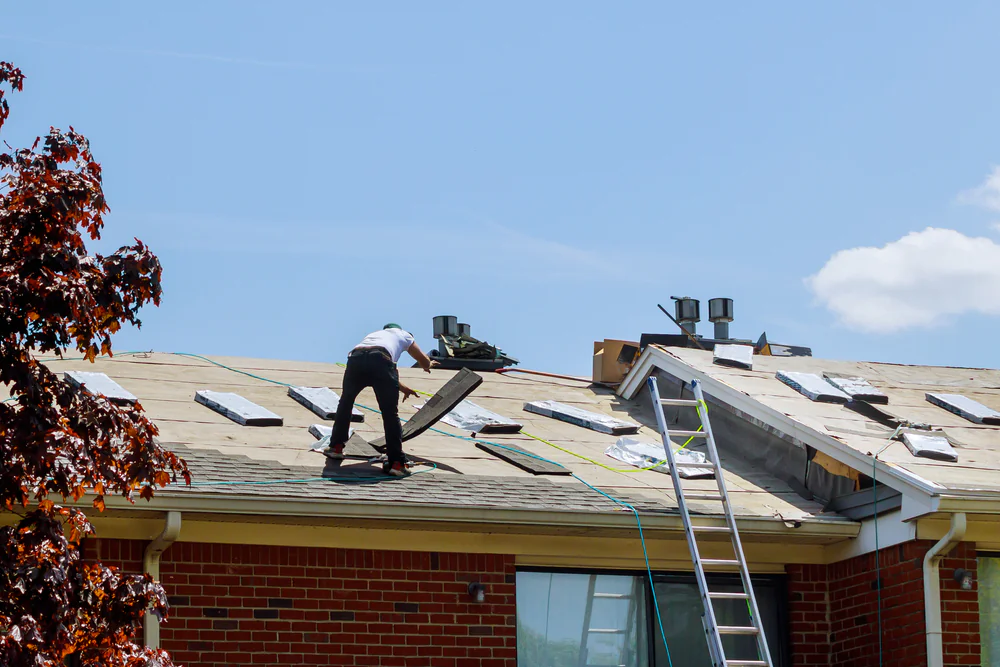
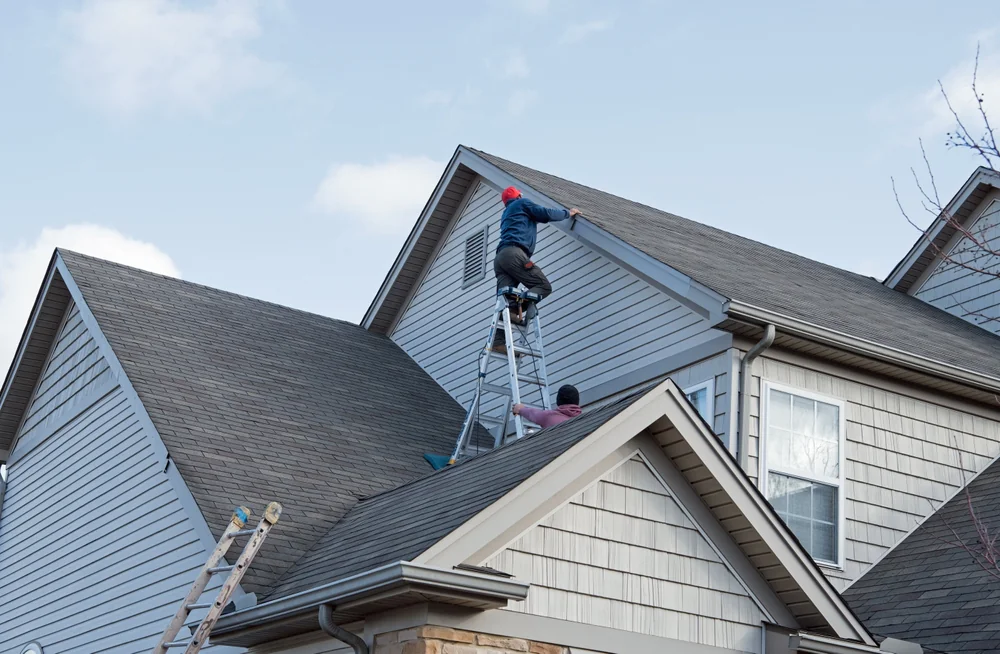
First, we come out and actually look at your roof. Not a quick glance from the driveway—a real inspection where we get up there and check the shingles, flashing, valleys, and any spots that look questionable. We take photos so you can see what we’re seeing.
Then we tell you what needs fixing and what doesn’t. If you’ve got a small leak that only needs new flashing, we’re not going to tell you the whole roof is shot. We give you an honest assessment and a clear price before any work starts.
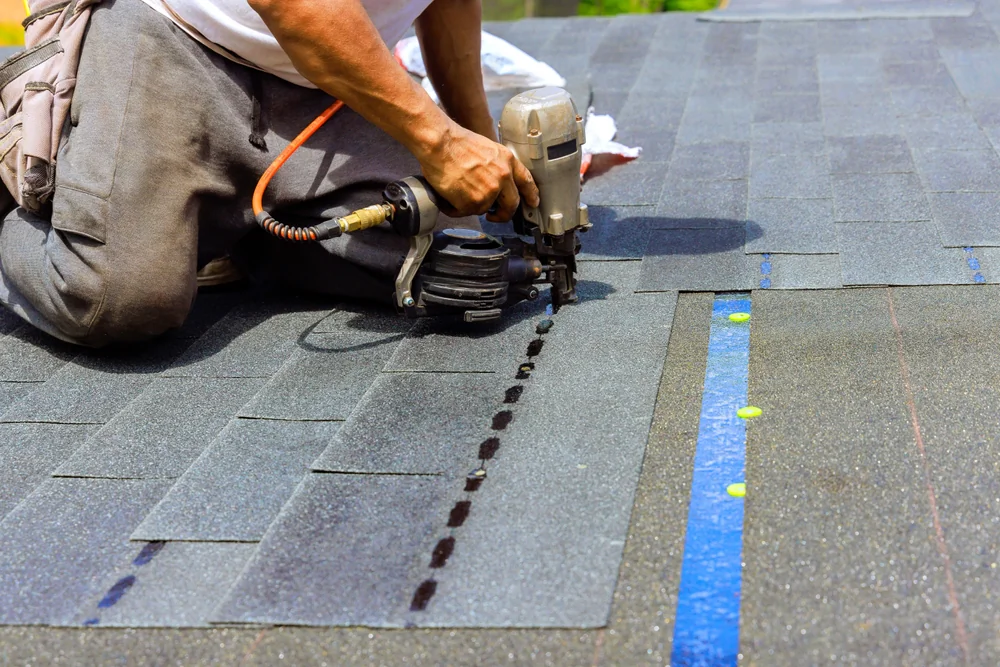
Once you’re ready to move forward, we schedule the repair and show up with the right materials for the job. We use quality products from manufacturers like Owens Corning and Mule Hide—stuff that’s built to handle New Hampshire weather. The repair gets done right, we clean up completely, and we walk you through what we did.
If you’re dealing with storm damage, we can also help with the insurance claim process. We document everything, provide the photos and details your insurance company needs, and make sure you’re not left covering costs that should be paid.
Ready to get started?
Every roof repair we do in Pelham starts with finding the actual source of the problem—not just patching where you see water. Leaks rarely show up directly below where they start, so we trace them back to the real issue.
We handle everything from missing or damaged shingles to failed flashing around chimneys and vents. Ice dam damage is huge around here, and we know how to repair the underlying issues that let them form in the first place. Storm damage gets priority response because waiting just makes it worse.
New Hampshire building codes require roofs to handle snow loads between 50 and 90 pounds per square foot depending on your exact location. We make sure repairs meet or exceed those requirements. Your roof isn’t just getting cosmetically fixed—it’s getting structurally sound again.
If you need emergency roof repair after a storm, we can get someone out fast to assess the damage and do temporary protection if needed. Then we schedule the full repair and handle it properly. You’re not stuck with a tarp on your roof for three months while you wait for someone to call you back.

Most roof repairs in the Pelham area run between $400 and $2,000, with the average landing around $900 to $1,200. That’s for common issues like replacing damaged shingles, fixing flashing, or repairing small leak sources.
The actual cost depends on what’s wrong and how accessible it is. A few missing shingles on an easy-to-reach section costs less than repairing ice dam damage that’s affected your decking and needs structural work. If you’re dealing with storm damage, your homeowner’s insurance may cover most or all of the repair cost minus your deductible.
We give you a clear price upfront after we inspect the damage. No surprises, no “we found more problems” calls halfway through unless we genuinely discover hidden damage once we open things up—and even then, we show you what we found and get approval before doing additional work.
We can do most roof repairs in winter, but there are some limitations when temperatures drop below freezing. Asphalt shingles get brittle in extreme cold, and the adhesive strips don’t seal properly below about 40 degrees. That doesn’t mean we can’t help—it just means we adjust our approach.
For emergency repairs during winter storms, we can do temporary weatherproofing immediately to stop active leaks, then schedule the permanent repair for a warmer day or use cold-weather installation methods. Some repairs can be done in winter with the right materials and techniques, especially if we’re working with metal flashing or doing structural fixes that don’t rely on shingle adhesion.
If you’ve got a leak in January, don’t wait until April to call. The damage gets worse every day, and what could have been a simple fix turns into rotted decking and mold issues. We’ll assess what can be done now versus what should wait, and we’ll protect your home either way.
If the damage is localized to one area—like storm damage, a few worn sections, or a leak from failed flashing—repair usually makes sense. If your roof is over 20 years old and you’re seeing problems in multiple areas, or if more than 30% of your roof needs work, replacement often ends up being more cost-effective.
We’ll be straight with you about which makes more sense for your situation. Sometimes homeowners want to repair because it’s cheaper right now, but if your roof’s at the end of its life, you’re just delaying the inevitable and potentially spending money that could go toward a new roof instead.
During our inspection, we look at the overall condition of your shingles, how much granule loss you’ve got, whether your decking is sound, and how many years of life your roof realistically has left. Then we give you both options with honest pros and cons so you can make the call that works for your budget and timeline.
It depends on what caused the damage. Insurance typically covers sudden events like storm damage, fallen trees, or hail—things that happen unexpectedly and aren’t due to normal wear and tear or lack of maintenance. They usually won’t cover repairs needed because your roof is just old or you didn’t maintain it.
The key is documentation. Insurance companies want proof of what happened, photos of the damage, and sometimes an inspection from their own adjuster. We help with that process by documenting everything thoroughly and providing the detailed information your insurance company needs to process the claim.
One thing to watch for: insurance companies sometimes lowball the estimate or try to pay for repairs that don’t fully address the problem. We’ve worked with enough claims to know what a proper repair actually costs, and we can advocate for you if the initial payout doesn’t cover the work that needs doing. About 35% of homeowners end up postponing repairs because of high deductibles or inadequate insurance payouts, but we’ll work with you to find solutions that protect your home without breaking your budget.
Ice dams form when heat escapes through your roof and melts snow, which then refreezes at the colder roof edge. That creates a dam that traps water, which backs up under your shingles and leaks into your house. It’s incredibly common in New England because of how our winters work—lots of freeze-thaw cycles.
The real fix isn’t just removing the ice dam when it forms. It’s addressing why your roof is warm enough to melt snow in the first place. That usually means improving attic insulation and ventilation so heat stays in your house instead of escaping through the roof. We can also install ice and water shield membrane in vulnerable areas during repairs to add an extra layer of protection.
If you’re already dealing with ice dam damage, we repair the immediate problems first—replacing damaged shingles, fixing any decking that got wet, addressing interior water damage. Then we talk about prevention so it doesn’t happen again next winter. Removing the ice itself can damage your roof if it’s not done carefully, so if you’ve got a bad ice dam forming, call us before you start chipping away at it with a shovel.
For genuine emergencies—active leaks, storm damage, or situations where your home is exposed to weather—we prioritize getting someone out within 24 to 48 hours to assess and do temporary protection if needed. That might mean tarping a damaged section or doing a quick weatherproofing repair to stop water from coming in while we schedule the full fix.
We can’t always do the complete permanent repair immediately, especially if we need to order specific materials or if weather conditions aren’t safe for roof work. But we can stop the immediate damage and protect your home, then get the proper repair scheduled as soon as conditions allow.
When you call, be specific about what’s happening. “I have water dripping into my bedroom” gets a faster response than “I think I might have a small leak somewhere.” The more details you can give us about what you’re seeing, the better we can prioritize and prepare for what we’ll need to fix it.