Hear from Our Customers
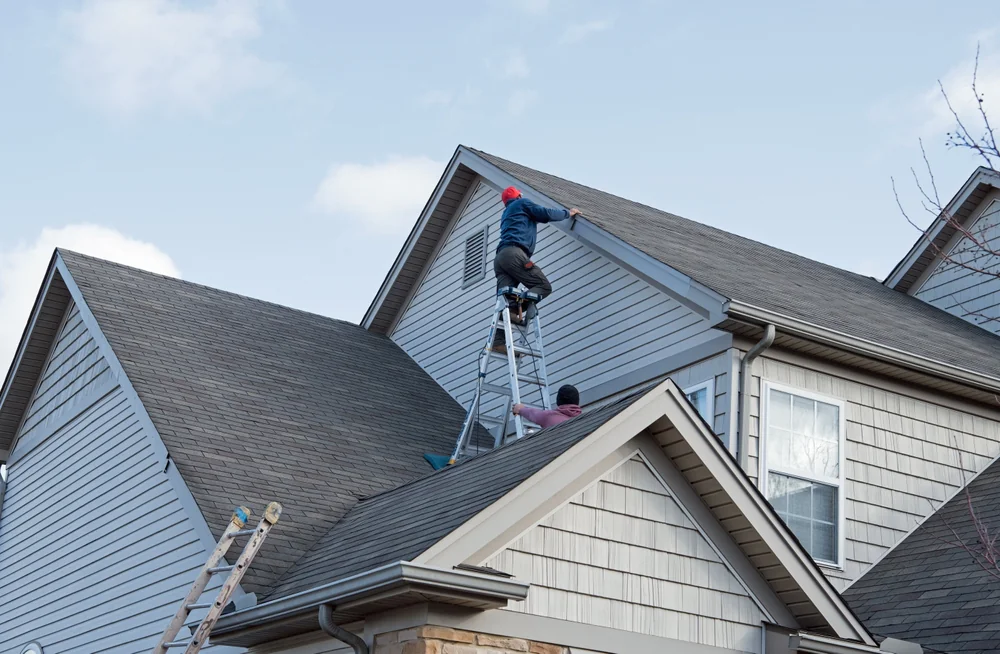
A leaking roof doesn’t wait for a convenient time. Water finds its way through damaged shingles, worn flashing, or ice dams, and once it’s inside, the clock starts ticking on mold, drywall damage, and structural problems.
You need someone who can assess the damage accurately, explain what’s actually wrong, and fix it before a small problem becomes an expensive disaster. Not someone who shows up late, gives you a runaround, or disappears after taking your deposit.
When your roof is properly repaired, you get your peace of mind back. No more buckets in the attic. No more wondering if that stain on the ceiling is getting bigger. Just a solid roof over your head that does its job through New Hampshire’s heavy snow, ice storms, and summer downpours.
We’ve been handling roof repairs and full roofing projects in Nottingham and surrounding New Hampshire communities for over a decade. We’re an Owens Corning Preferred Contractor, which means we meet their standards for quality work and customer service, not just our own.
We’re licensed, fully insured, and ranked in the top 8% of contractors in Massachusetts by BuildZoom. That’s not us bragging—it’s verification you can look up yourself.
Nottingham homes face real weather challenges. The median home here was built in 1988, which means roofs are aging and dealing with decades of freeze-thaw cycles, heavy snow loads, and the occasional surprise storm that dumps two feet overnight. We know what fails first on these roofs and how to fix it properly.

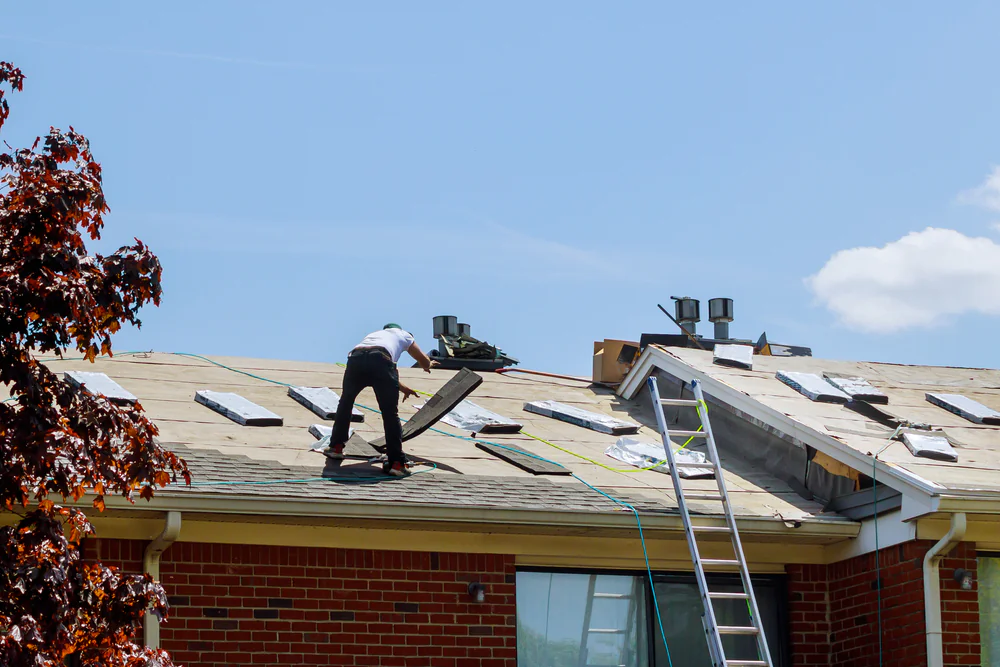
First, we come out and actually look at your roof. Not just from the ground with binoculars—we get up there and inspect the damage, the surrounding areas, and anything else that might be compromised. You get a clear explanation of what’s wrong and what it’ll take to fix it.
Once you approve the work, we schedule it as quickly as possible. For emergency repairs—active leaks, storm damage, anything that’s letting water in right now—we move fast. For planned repairs, we give you a realistic timeline and stick to it.
During the repair, we protect your property, fix the problem correctly using quality materials, and clean up completely when we’re done. If we’re working with your insurance company on a claim, we handle that documentation too. You shouldn’t have to become a roofing expert just to get your roof fixed.
After the work is complete, you get a roof that’s actually repaired, not just patched over. And if you have questions later, we’re still here.
Ready to get started?
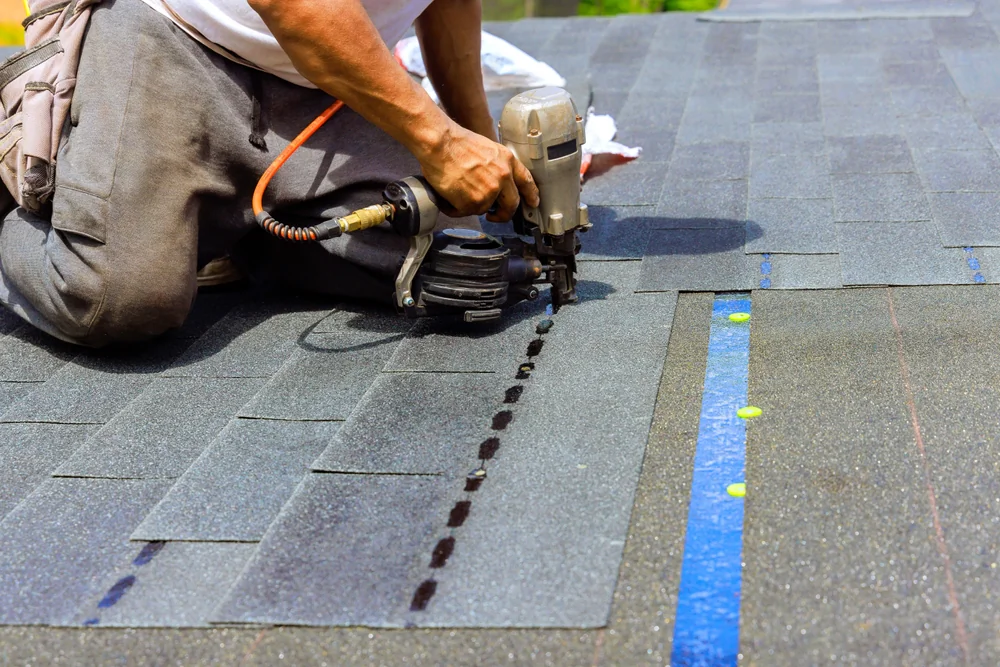
We handle everything from small leak repairs to major storm damage restoration. That includes replacing damaged or missing shingles, repairing or replacing flashing around chimneys and roof edges, fixing underlayment issues, and addressing ventilation problems that lead to ice dams.
In Nottingham, ice dams are a real problem. When snow accumulates on your roof and melts unevenly, water backs up under your shingles and finds its way inside. We don’t just patch the leak—we identify why the ice dam formed and address the root cause so it doesn’t happen again next winter.
We also repair damage from fallen branches, wind that tears off shingles, and the wear that comes from New Hampshire’s temperature swings. Our work comes with quality materials from manufacturers like Owens Corning and Mule Hide, not whatever’s cheapest at the supply house that week.
If your roof needs emergency repairs, we respond quickly. The first 24 to 48 hours matter when water is getting into your home. Every hour you wait increases the damage and the cost to fix it.

Most roof repairs in New Hampshire run between $380 and $1,800, with the average landing around $1,100. But that’s a wide range because every repair is different.
A simple fix—replacing a few damaged shingles or resealing flashing—costs less than repairing extensive water damage or replacing large sections of decking. Emergency repairs sometimes cost more because of the urgency and the need to prevent further damage immediately.
The real cost depends on what’s actually wrong with your roof, how accessible the damage is, and what materials are needed. We give you a clear estimate before starting any work so you know exactly what you’re paying for.
If the damage is localized—a section of missing shingles, a leak around the chimney, storm damage to one area—repair usually makes sense. If your roof is near the end of its lifespan and you’re dealing with multiple problem areas, replacement might be the smarter investment.
Most asphalt shingle roofs last 20 to 25 years in New Hampshire’s climate. If yours is 15 years old and you’re starting to see issues pop up in different spots, those repairs might just be buying you a year or two before you need a new roof anyway.
We’ll tell you honestly what makes sense for your situation. Sometimes a repair buys you several more good years. Sometimes it’s throwing money at a roof that’s already done. We’re not here to sell you something you don’t need, but we’re also not going to patch a failing roof and pretend it’s a long-term solution.
It depends on what caused the damage and what your policy covers. Storm damage, fallen trees, and sudden events are usually covered. Wear and tear from age or lack of maintenance typically isn’t.
If your roof is older—10 to 15 years—your insurance company might only pay Actual Cash Value, which factors in depreciation. That means they’ll cover 30% to 70% of the repair cost, not the full amount. You need to check your specific policy to know what you’re working with.
We can document the damage and provide the information your insurance company needs for the claim. We’ve worked with plenty of insurance adjusters and know what they’re looking for. But whether they approve the claim and how much they pay is between you and your insurer.
Small repairs—replacing a few shingles or fixing flashing—can be done in a few hours. Larger repairs that involve replacing sections of decking or addressing multiple problem areas might take a full day or two.
Weather affects the timeline. We can’t install shingles in heavy rain or when temperatures are too low for the adhesive to seal properly. In winter, we work around New Hampshire’s weather windows, which sometimes means scheduling flexibility.
For emergency repairs where water is actively coming in, we’ll get a temporary fix in place immediately to stop the damage, then come back to complete the permanent repair when conditions allow. You won’t be left with a tarp on your roof for weeks—we schedule the follow-up work as soon as possible.
Sometimes we uncover additional problems once we remove damaged materials—rotted decking, compromised underlayment, or damage that wasn’t visible from the initial inspection. When that happens, we stop and show you what we found before doing any additional work.
You get a clear explanation of the new issue, what it’ll cost to fix it, and what happens if you don’t address it now. Some problems need immediate attention to prevent further damage. Others can wait if budget is a concern.
We don’t surprise you with a bill that’s double the estimate. If the scope changes, you approve it first. The goal is to fix your roof correctly, but you’re always in control of what work gets done and when.
Yes. When you have an active leak or storm damage that’s letting water into your home, that’s an emergency. Water damage accelerates fast—drywall starts deteriorating within 24 hours, and mold can begin growing within 48 hours.
We prioritize emergency calls and get someone out to assess and stabilize the situation as quickly as possible. That might mean tarping the damaged area, doing a temporary repair to stop the water intrusion, or completing the full repair right away if conditions allow.
Emergency repairs sometimes cost more than scheduled work because of the urgency and the need to rearrange other jobs. But the cost of waiting—additional water damage, ruined insulation, mold remediation—is almost always higher than the cost of acting immediately.
Other Services we provide in Nottingham