Hear from Our Customers
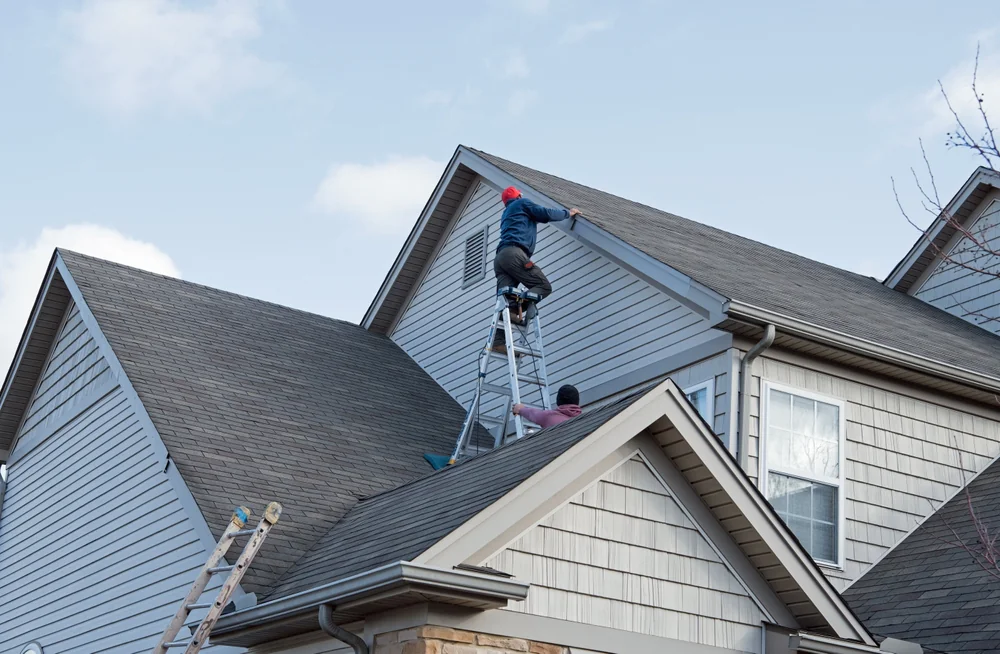
You shouldn’t have to wonder if your roof will hold up when the next nor’easter rolls through Hudson. A proper repair means no more buckets in the attic, no more water stains spreading across your ceiling, and no more lying awake during heavy rain wondering if today’s the day you’ll need to call someone.
Most roof problems in Hudson don’t start as emergencies. They start as small issues that get ignored until a winter storm turns them into expensive disasters. A missing shingle here, a small leak there—then suddenly you’re dealing with rotted decking, ruined insulation, and mold growing where you can’t even see it.
The right repair addresses what’s broken and what’s about to break. That’s the difference between a patch job that buys you six months and a real fix that protects your home for years. When we repair your roof, you get materials rated for New England’s freeze-thaw cycles, proper flashing that won’t fail when snow piles up, and work that’s backed by an Owens Corning Preferred Contractor who’s held to actual standards.
Paradise Remodeling Inc has been handling roof repairs across Hudson and the North Shore for years, and we’ve seen what happens when contractors cut corners. We’re an Owens Corning Preferred Contractor—which isn’t just a badge. It means we’ve met strict requirements for licensing, insurance, and proven results that most roofing companies don’t qualify for.
We’re ranked in the top 8% of over 139,000 licensed contractors in Massachusetts according to BuildZoom. That’s not luck. That’s showing up on time, doing the work right, and making sure homeowners in Hudson don’t get stuck with the same problem twice.
Your home was built to handle New England weather, but only if the roof is actually doing its job. We’ve repaired roofs on homes built in the 70s and 80s all over Hudson—homes with complex rooflines, aging materials, and ventilation issues that most contractors don’t even check for. You’re not getting a crew that learned roofing last month. You’re getting licensed professionals who understand how Hudson’s weather tests every part of your roof system.

First, we actually show up when we say we will. You’d be surprised how rare that is. We’ll inspect your roof—not just the obvious problem spot, but the areas around it, the flashing, the underlayment, and anything else that could be compromised. Most leaks don’t start where the water shows up inside your house.
Once we know what’s wrong, you get a clear explanation of what needs to be fixed and why. No upselling. No scare tactics. If your whole roof doesn’t need to be replaced, we’re not going to tell you it does. We’ll give you an honest estimate that includes materials, labor, and any permits required. If insurance is involved, we’ll document everything properly so your claim doesn’t get denied over missing paperwork.
Then we fix it. Depending on the scope, most repairs are completed in a day or two. We use materials designed for New Hampshire’s climate—asphalt shingles rated for wind resistance, proper ice and water shield in vulnerable areas, and flashing that won’t crack when temperatures swing 60 degrees in a week. When we’re done, we clean up completely. No nails in your driveway, no debris in your yard.
You’ll know the work is finished because you’ll stop thinking about your roof. That’s the point.
Ready to get started?
Every roof repair we do in Hudson includes a full assessment of the damaged area and the surrounding structure. We’re checking for rot in the decking, compromised underlayment, failed flashing around chimneys and skylights, and ventilation problems that cause ice dams. These are the issues that turn a simple repair into a recurring nightmare if they’re not caught early.
Hudson’s housing stock trends older—many homes were built in the 70s with roofing systems that weren’t designed for the kind of weather we’re getting now. Heavier snow loads, more frequent freeze-thaw cycles, and summer heat that breaks down asphalt faster than it used to. Your repair needs to account for that. We use materials that match or exceed what’s already on your roof, installed according to manufacturer specs so warranties stay valid.
If you’re dealing with storm damage, we handle the insurance documentation from the start. That means photos, measurements, and detailed estimates written in the language adjusters actually need to see. Most claims get delayed or denied because contractors don’t know how to document properly. We do this regularly, and it shows.
Emergency repairs get priority response. If a storm just ripped shingles off your roof or a tree branch punched through, we’ll get someone out fast to tarp and secure the area while we line up the permanent fix. Temporary protection matters—every hour your roof is open to weather is another chance for water to soak into places it shouldn’t be.

Most emergency calls get a response within 2-4 hours, depending on the time of day and current weather conditions. Emergency response means we’ll get your roof protected with tarps or temporary covering to stop further water damage while we assess what needs permanent repair.
If a storm just came through Hudson and multiple roofs are damaged, response times can stretch longer—but we prioritize active leaks and situations where your home’s interior is exposed. Once we’re on site, you’ll get a realistic timeline for the permanent fix. Some repairs can happen same-day if materials are in stock and weather cooperates. Larger jobs might take a few days to schedule once the emergency is stabilized.
The key is stopping the damage from getting worse. Even a few hours of rain pouring into your attic can turn a shingle repair into a decking replacement. That’s why emergency response focuses on protection first, then proper repairs once conditions allow for quality work.
Minor repairs like replacing a few shingles or fixing small flashing issues usually run a few hundred dollars. Moderate repairs—fixing larger leak areas, replacing damaged decking, or addressing multiple problem spots—typically cost between $800 and $2,500 depending on materials and labor involved.
Extensive storm damage or repairs that involve structural work can push higher, sometimes into the $5,000+ range if large sections of your roof need rebuilding. But here’s what matters more than averages: you need an actual inspection to know what you’re dealing with. A “small leak” could be a quick fix or it could be a symptom of a bigger problem that’s been developing for years.
We don’t give estimates over the phone because roofs don’t work that way. What looks like a simple repair from the ground might involve rotted decking, failed underlayment, or compromised trusses once we get up there. You’ll get a clear, written estimate after we’ve actually seen your roof—no surprises, no “we found more problems” upsells after work starts. If insurance is covering it, we’ll work directly with your adjuster to make sure the estimate matches what they’ll approve.
Most homeowner policies cover sudden damage from storms, wind, hail, or falling trees. What they typically don’t cover is damage from lack of maintenance or normal wear and tear. If a nor’easter ripped shingles off your roof last week, that’s usually covered. If your 25-year-old roof is just wearing out, that’s usually on you.
The tricky part is documentation. Insurance companies want proof that the damage happened during a specific event, photos showing the extent of the problem, and estimates that match their approved pricing. A lot of claims get denied or underpaid because contractors don’t document properly or homeowners wait too long to file.
We handle insurance work regularly, which means we know what adjusters need to see. We’ll document everything with photos and measurements, write estimates in the format insurance companies expect, and communicate directly with your adjuster if needed. That doesn’t guarantee your claim gets approved—that’s between you and your insurance company—but it means you’re not losing money because of missing paperwork or poor documentation. File your claim as soon as damage happens, and get a contractor who knows how to work with insurance involved early.
If the damage is localized—a section damaged by a fallen branch, a valley that’s leaking, or an area where flashing failed—repair usually makes sense. If your roof is near the end of its expected lifespan and you’re seeing problems in multiple areas, replacement is probably the smarter move financially.
Most asphalt shingle roofs in Hudson last 20-25 years depending on quality and maintenance. If your roof is 15 years old and you’re fixing your third leak this year, you’re throwing money at a losing battle. But if your roof is 10 years old and storm damage hit one section, a proper repair can give you another decade of protection.
Here’s what we look at during an inspection: age of the roof, extent of damage, condition of surrounding areas, and whether the underlying structure is compromised. Shingles are just the surface. If the decking underneath is rotted or the underlayment is failing in multiple spots, repair stops making financial sense. You’ll get an honest assessment either way. We’re not interested in selling you a full replacement if a repair will actually solve your problem—but we’re also not going to patch something that’s going to fail again in two years and leave you worse off than you started.
Asphalt shingles are the most common choice in Hudson because they handle freeze-thaw cycles well, cost less than alternatives, and come in ratings designed specifically for New England weather. Look for shingles rated for high wind resistance—Hudson gets nor’easters that can peel off anything that’s not properly installed or rated.
Architectural shingles hold up better than basic three-tab shingles and typically last 25-30 years versus 15-20. They’re thicker, more wind-resistant, and better at shedding snow and ice. For areas prone to ice dams—like north-facing slopes or sections with poor ventilation—ice and water shield under the shingles is non-negotiable. That’s a rubberized membrane that stops water from getting through even if ice backs up under your shingles.
Metal roofing is another option that’s gaining popularity in New Hampshire. It costs more upfront but lasts 40-50 years, sheds snow better than shingles, and holds up to wind without losing pieces. The downside is cost and the fact that not every contractor knows how to install it properly. If you’re staying in your Hudson home long-term and want to stop thinking about your roof, metal makes sense. If you’re working with a tighter budget or planning to sell in the next decade, quality architectural asphalt shingles are the practical choice.
Start with a fall inspection before winter hits. Clear your gutters so water and ice can actually drain off your roof instead of backing up under shingles. Check for loose or damaged shingles and get them replaced before snow and ice make the problem worse. Look at your attic insulation and ventilation—ice dams form when heat escapes through your roof and melts snow that refreezes at the edges.
If you’ve had ice dam problems before, that’s a ventilation and insulation issue, not bad luck. Warm air from your house is getting into your attic and heating the roof deck. The snow melts, runs down to the cold eaves, and freezes into a dam that backs water up under your shingles. The fix involves proper attic insulation, adequate ventilation, and sometimes adding ice and water shield to vulnerable areas.
After major storms, do a visual check from the ground. Look for missing shingles, damaged flashing, or debris that landed on your roof. Don’t climb up there yourself—that’s how people get hurt. If you see damage, call someone who’s insured and knows what they’re doing. Small problems caught early cost hundreds to fix. The same problems ignored until spring can cost thousands once water has been leaking into your house for months.